VS

SEAT Tarraco vs VW Tiguan - Differences and prices compared

Compare performance ( vs 272 HP), boot space and price ( vs 33300 £ ) at a glance. Find out which car is the better choice for you – SEAT Tarraco or VW Tiguan?

Tarraco

The automotive world is continuously evolving, and for buyers searching for a versatile SUV, the SEAT Tarraco and VW Tiguan stand out in an increasingly crowded market. Both vehicles offer a blend of performance, technology, and practicality, yet each comes with its unique characteristics. This comparison aims to delve into their technical aspects and innovative features to help you make an informed decision.
Tiguan

Engine Options and Performance

Starting with powertrains, the SEAT Tarraco offers a respectable selection of engines, ranging from a 1.5-liter petrol to a more robust 2.0-liter diesel option. The available outputs range from 130 HP to 200 HP, ensuring that buyers can choose a model that suits their driving style. Acceleration figures for the Tarraco are competitive, with some variants achieving 0-100 km/h in as little as 8.2 seconds.

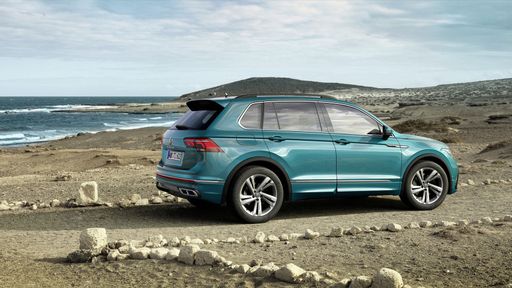
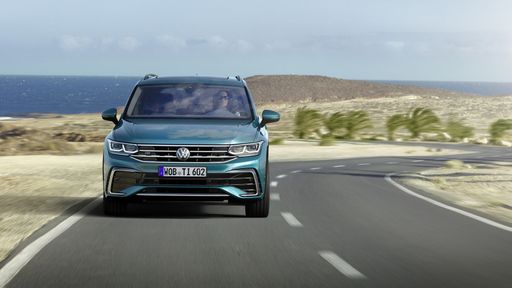
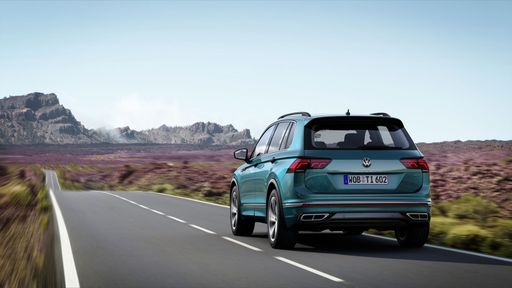
On the other hand, the VW Tiguan presents an even broader variety of engine choices, including petrol mild-hybrid, plug-in hybrid, and diesel options. From a 1.5-liter engine producing 130 HP up to an impressive 272 HP for those seeking high performance, the Tiguan is equipped to deliver. Its faster variants can rocket from 0-100 km/h in just 5.9 seconds, showcasing its sporty potential. With a maximum torque of up to 400 Nm, the Tiguan excels in both acceleration and towing capabilities.

Tarraco

Transmission and Drive Types

Both models offer a similar approach to transmission, featuring a dual-clutch automatic gearbox that ensures quick and efficient gear changes. The SEAT Tarraco is available in front-wheel drive and all-wheel drive configurations, providing versatility based on driving conditions. Similarly, the VW Tiguan follows suit with options for front-wheel and all-wheel drive, appealing to those who may venture off the beaten path.

Tiguan

Fuel Efficiency and Environmentally Friendly Options

When it comes to fuel efficiency, the Tarraco shows promising figures, with some models achieving as low as 6.1 L/100 km. The inclusion of eco-friendly engines in the Tiguan lineup includes plug-in hybrids that achieve astonishingly low consumption rates of just 0.4 L/100 km, thanks to their electric capabilities. The Tiguan's electric range of up to 113 km enhances its eco-friendly credentials, making it an attractive option for environmentally conscious consumers.

Tarraco

Interior Comfort and Technology

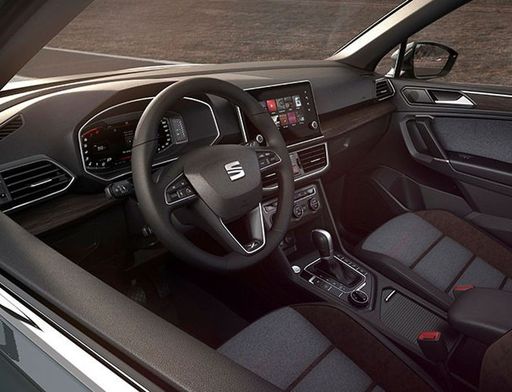
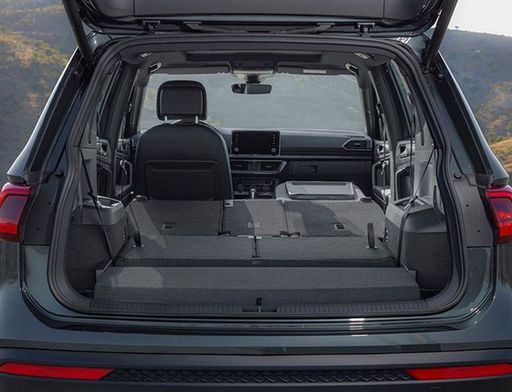
Interior space is a high priority for both models, and the Tarraco shines with a trunk capacity of 652 liters, perfect for families and travelers. The Tiguan follows closely behind with a still respectable capacity of 490 liters. Both vehicles accommodate five passengers comfortably, designed with user-friendly technology interfaces, including infotainment systems that are intuitive and responsive.

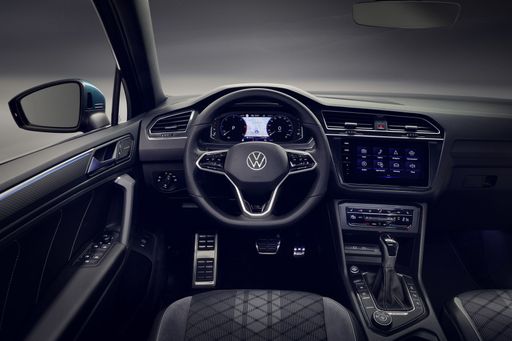
High-end materials and thoughtful ergonomics give both cars a premium feel, but the Tiguan edges out with more advanced technology features such as a fully digital cockpit and the latest Driver Assistance Systems. This includes adaptive cruise control, lane assist, and a host of other innovations enhancing safety and convenience.

Tiguan

Exterior Design and Dimensions

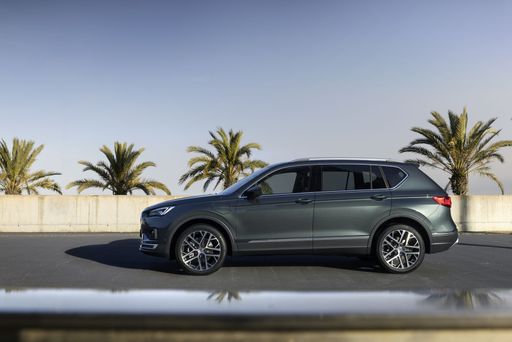
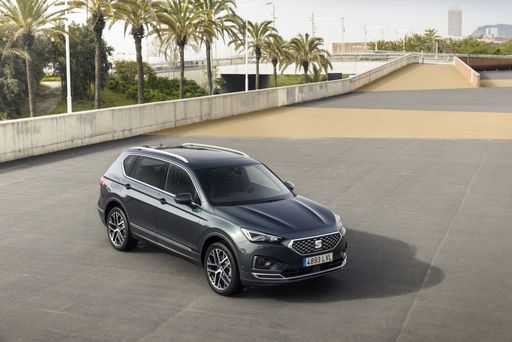
From a visual standpoint, the SEAT Tarraco boasts a modern and dynamic design, with sporty lines and an imposing front grille that exudes confidence on the road. With dimension of 4539 mm in length, 1842 mm in width, and 1658 mm in height, it provides an aggressive silhouette that appeals to the youthful demographic.

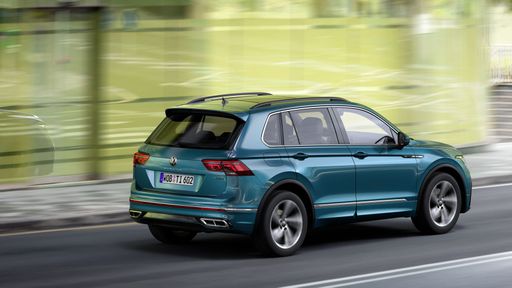
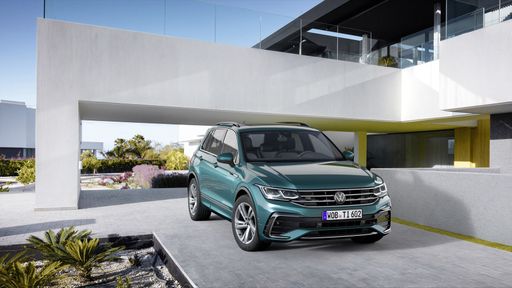
The VW Tiguan, slightly larger at 1859 mm in width, presents a more classic SUV appearance, balancing elegance with muscularity. Both SUVs are designed to attract attention while maintaining functional aerodynamic efficiency.

Tarraco

Conclusion: Which SUV Takes the Crown?

In conclusion, both the SEAT Tarraco and VW Tiguan offer impressive attributes that cater to the modern SUV buyer. If you prioritize raw performance and advanced technology, the Tiguan may be the way to go, particularly with its extensive engine options and hybrid offerings. However, if you lean towards practicality with slightly more storage space and an appealing design, the Tarraco stands out as an excellent choice.

Ultimately, the decision between these two remarkable SUVs will come down to personal preferences, driving habits, and budget. It’s worth taking both for a test drive to find out which model fits your lifestyle best.

SEAT Tarraco

4.9 (1 Reviews)
rate

VW Tiguan

3.9 (7 Reviews)
rate

Here’s where it gets real: The technical differences in detail

Who wins the race in the data check?

The VW Tiguan sits just ahead overall in the objective data comparison.
This result only shows which model scores more points on paper – not which of the two cars feels right for you.

SEAT Tarraco
VW Tiguan
from about £33,300
Tiguan

VW Tiguan

  • Engine Type : Petrol, Petrol MHEV, Diesel, Plugin Hybrid
  • Transmission : Automatic
  • Drive Type : All-Wheel Drive, Front-Wheel Drive
  • Power HP : 130 - 272 HP
  • Consumption L/100km : 1.4 - 8.4 L
  • Electric Range : 118 - 126 km

SEAT Tarraco

4.9 (1 Reviews)
rate

The SEAT Tarraco is a handsome family SUV that balances practical space with sharp, dynamic styling, turning everyday drives into something a bit more grown-up. Comfortable on long runs and bristling with clever features, it’s the kind of car that gets the job done without ever feeling boring — a handy trick in a market full of sensible choices.

details

VW Tiguan

3.9 (7 Reviews)
rate

The VW Tiguan blends sensible family practicality with a dash of German polish, delivering a calm, reassuring ride and a cabin that never feels like an afterthought. For buyers who want an SUV that’s easy to live with yet still nicely dressed, the Tiguan is the grown‑up choice that keeps a cheeky wink in reserve.

details
SEAT Tarraco
VW Tiguan

Costs and Consumption

Price
-
Price
33300 - 51900 £
Consumption L/100km
-
Consumption L/100km
1.4 - 8.4 L
Consumption kWh/100km
-
Consumption kWh/100km
-
Electric Range
-
Electric Range
118 - 126 km
Battery Capacity
-
Battery Capacity
19.70 kWh
co2
-
co2
32 - 190 g/km
Fuel tank capacity
-
Fuel tank capacity
45 - 58 L

Dimensions and Body

Body Type
-
Body Type
SUV
Seats
-
Seats
5
Doors
-
Doors
5
Curb weight
-
Curb weight
1599 - 1890 kg
Trunk capacity
-
Trunk capacity
490 - 652 L
Length
-
Length
4539 mm
Width
-
Width
1842 - 1859 mm
Height
-
Height
1656 - 1658 mm
Max trunk capacity
-
Max trunk capacity
1486 - 1650 L
Payload
-
Payload
460 - 533 kg

Engine and Performance

Engine Type
-
Engine Type
Petrol, Petrol MHEV, Diesel, Plugin Hybrid
Transmission
-
Transmission
Automatic
Transmission Detail
-
Transmission Detail
Dual-Clutch Automatic
Drive Type
-
Drive Type
All-Wheel Drive, Front-Wheel Drive
Power HP
-
Power HP
130 - 272 HP
Acceleration 0-100km/h
-
Acceleration 0-100km/h
5.9 - 10.6 s
Max Speed
-
Max Speed
210 - 242 km/h
Torque
-
Torque
220 - 400 Nm
Number of Cylinders
-
Number of Cylinders
4
Power kW
-
Power kW
96 - 200 kW
Engine capacity
-
Engine capacity
1498 - 1984 cm3

General

Model Year
-
Model Year
2024 - 2025
CO2 Efficiency Class
-
CO2 Efficiency Class
G, D, E, F, B
Brand
-
Brand
VW
What drivetrain options does the VW Tiguan have?

The VW Tiguan is offered with All-Wheel Drive or Front-Wheel Drive.

The prices shown are estimates based on German list prices, adjusted for local VAT. Local registration taxes (e.g. NoVA, BPM or CO2 malus) are not included. This information is not legally binding.