VS

Skoda Epiq vs VW ID.3 comparison

Compare performance (211 HP vs 231 HP), boot space and price (22,200 £ vs 29,100 £ ) at a glance. Find out which car is the better choice for you – Skoda Epiq or VW ID.3?

Skoda Epiq vs VW ID.3: Key differences

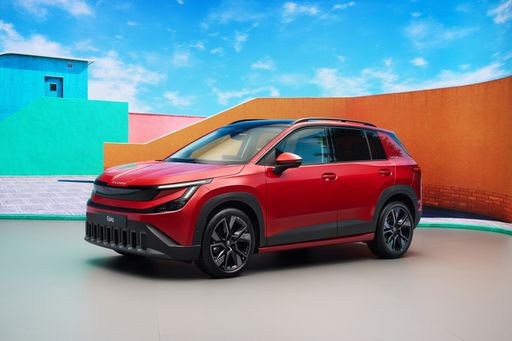
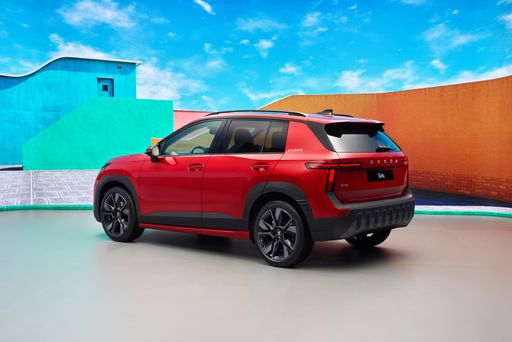
Skoda Epiq

  • noticeably cheaper
  • only slightly more efficient
  • moderately lighter
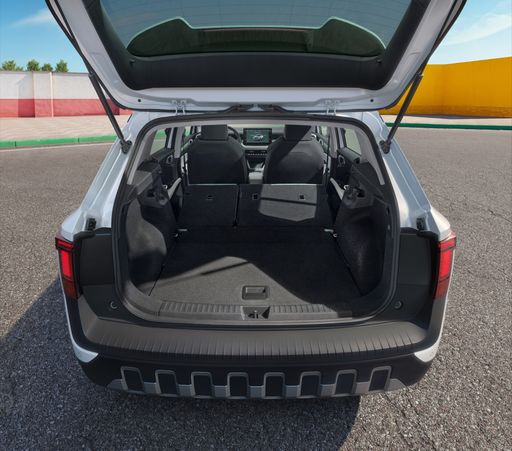
  • slightly more trunk space
details

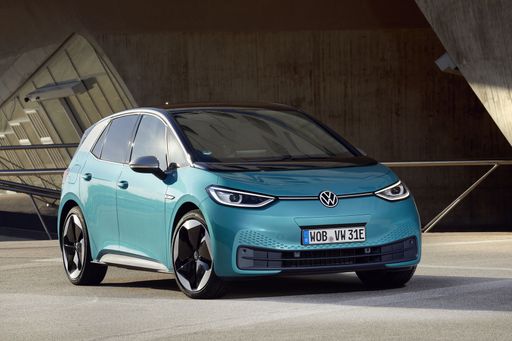
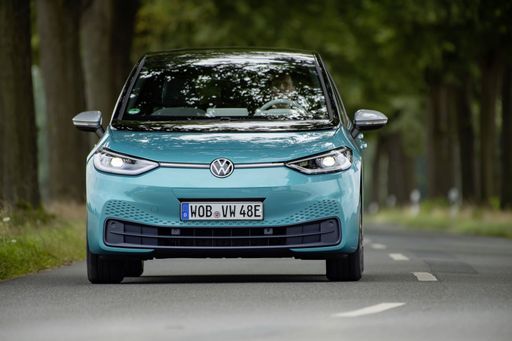
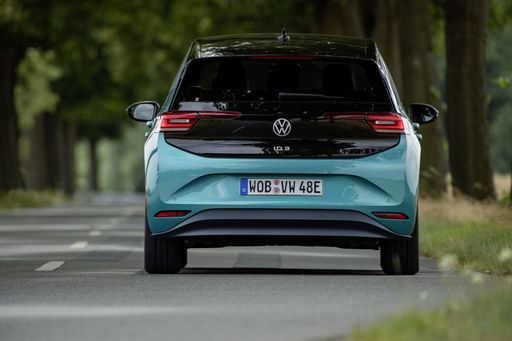
VW ID.3

4.8 (6 Reviews)
rate
  • very slightly more power
  • clearly more electric range
details

All details on performance, efficiency, range and trunk space can be found in the technical comparison below – including user reviews for both models.

By Achim Sedelmaier

Epiq

VW ID.3 vs Skoda Epiq — compact EVs with different priorities

The VW ID.3 and Skoda Epiq share an electric underlay but present two distinct answers to everyday needs. The ID.3 leans toward a quiet, refined hatchback experience that rewards motorway miles and tight urban manoeuvres, while the Epiq trades a touch of gloss for conspicuous practicality and a softer ride. This comparison focuses on how those differences matter day to day — character, cabin feel, usability and who each car will suit. Read on if you care more about how a car behaves in real life than about headline specs.

ID.3

Character and urban usability

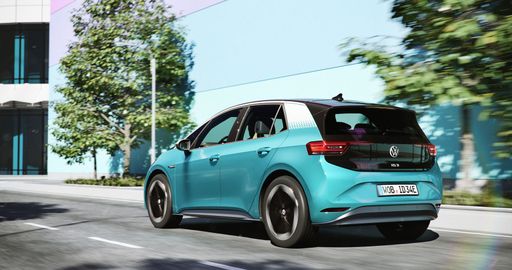
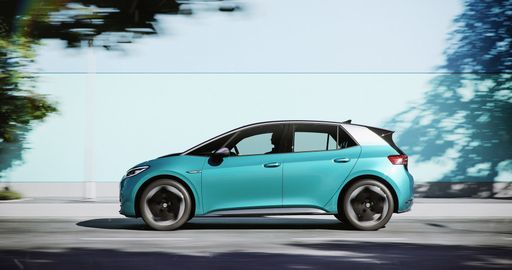
The VW ID.3 drives like a compact, composed hatchback: tidy turning circle, hushed cabin and a relaxed steering feel that makes city traffic less wearing. The Skoda Epiq feels more like a small crossover — higher seating, a cushioned suspension and an emphasis on comfort over razor-sharp responses, which helps on potholed suburban streets. If you prioritise tight parking and responsive city manners the ID.3 nudges ahead, but the Epiq’s higher seating and forgiving ride make daily errands and school runs easier for less sporty drivers. Both are city-friendly, but they get there with different trade-offs between agility and comfort.

Epiq

Cabin atmosphere and infotainment

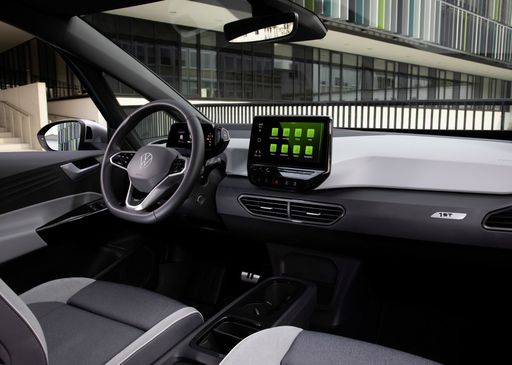
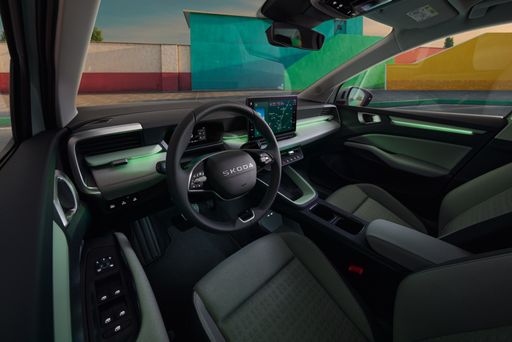
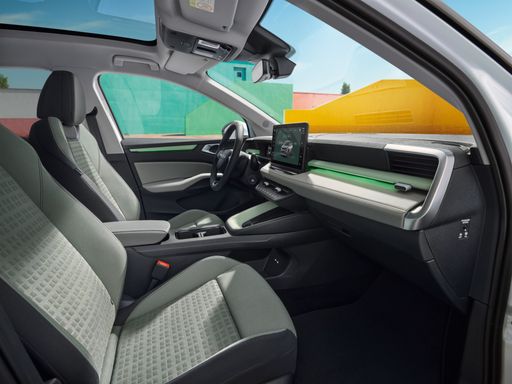
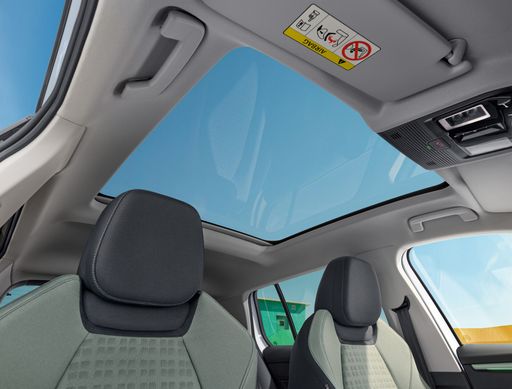
Inside the VW ID.3 you notice a step up in material feel and a more polished presentation after the recent updates, which makes longer stints feel a bit more premium. The Skoda Epiq aims for a more straightforward, functional cabin with clear controls and a feeling of space up front and in the rear — it’s less about show and more about usability. Infotainment is a real dividing line: the ID.3 offers a sleeker, more integrated system that can feel clever when it behaves, but it still asks you to learn its quirks; the Epiq keeps things simple with direct access buttons that are quicker to live with. So choose the ID.3 if perceived quality and a refined tech feel matter, and pick the Epiq if you value straightforward, no-nonsense ergonomics.

ID.3

Practicality and family usability

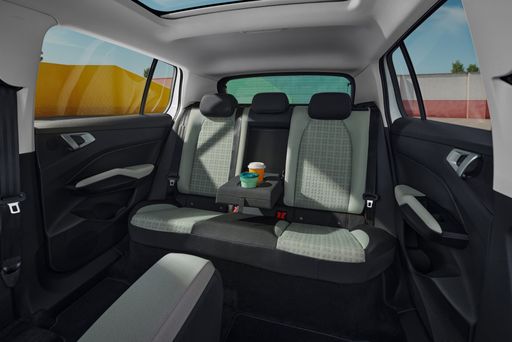
The Skoda Epiq makes its case with obvious, usable space: the boot is generous, the load floor adaptable and there are clever, family-focused touches that remove daily friction. The VW ID.3 counters with a pleasantly roomy rear bench and a flat floor that benefits passengers and child seats, but the cargo hold feels a bit more compact and storage cubbies are more limited. For parents who need to haul prams, sports kit or weekend luggage the Epiq’s practicality will be immediately obvious, whereas the ID.3 suits those who prioritise passenger comfort and a neat interior package in a smaller footprint. Each car organizes everyday life differently — Epiq for luggage-minded buyers, ID.3 for people-focused rear comfort.

Epiq

Long-distance comfort and charging behaviour

On long runs the VW ID.3 plays to its strengths: it’s notably quiet, stable and equipped to cover longer stretches between interruptions, so motorway miles feel less tiring. The Skoda Epiq is comfortable and composed too, but its charging and refill convenience is more dependent on which version you choose, making it better suited to planned trips rather than rapid, unplanned passages. If you make frequent intercity journeys with few charging options the ID.3’s ability to recover range quicker and cruise calmly is a meaningful advantage, while the Epiq rewards drivers who value a relaxed ride and smart trip planning. Both will do motorway work, but the experience and logistics tilt in different directions.

ID.3

Who should pick which and why it matters

Pick the Skoda Epiq if your priority is straightforward value, maximum day-to-day luggage space and a soft, forgiving ride for family life and city-to-suburb routines. Choose the VW ID.3 if you want a quieter, slightly more upmarket cabin, tighter urban manoeuvring and an EV better suited to longer runs with fewer interruptions. The trade-offs are clear: Epiq trades some technological polish and rapid travel convenience for usability and price parity, while the ID.3 trades trunk volume for refinement and longer-trip convenience. If you want hard figures and the technical deltas that explain those trade-offs, the technical comparison that follows will map the numbers to these real-world differences.

Here’s where it gets real: The technical differences in detail

Epiq

Costs and Efficiency:

Price and efficiency are often the first things buyers look at. Here it becomes clear which model has the long-term edge – whether at the pump, the plug, or in purchase price.

Skoda Epiq is noticeably cheaper – starting at 22,200 £ , while the VW ID.3 costs 29,100 £ . That’s a price difference of around 6,938 £.

In terms of energy consumption, the Skoda Epiq is only slightly more efficient: consuming 13.7 kWh/100km compared to 13.9 kWh/100km for the VW ID.3. That’s a difference of about 0.2 kWh/100km.

As for electric range, the VW ID.3 offers clearly more range – reaching up to 629 km, about 189 km more than the Skoda Epiq.

ID.3

Engine and Performance:

Power, torque and acceleration say a lot about how a car feels on the road. This is where you see which model delivers more driving dynamics.

When it comes to engine power, the VW ID.3 offers very slightly more power – delivering 231 HP compared to 211 HP. That’s roughly 20 HP more horsepower.

Both models accelerate almost equally fast – 7.1 s from 0 to 100 km/h.

There’s also a difference in torque: the VW ID.3 delivers a bit more torque with 350 Nm compared to 290 Nm. That’s about 60 Nm more.

Epiq

Space and Everyday Use:

Whether family car or daily driver – which one offers more room, flexibility and comfort?

Both vehicles offer seating for 5 people.

In terms of curb weight, Skoda Epiq is moderately lighter – 1,625 kg compared to 1,885 kg. The difference is around 260 kg.

Looking at boot space, the Skoda Epiq offers slightly more boot space – 475 L compared to 383 L. That’s a difference of about 92 L.

When it comes to payload, the VW ID.3 carries only slightly more – 464 kg compared to 455 kg. That’s a difference of about 9 kg.

Who wins the race in the data check?

The Skoda Epiq is narrowly ahead in the objective data comparison.
This result only shows which model scores more points on paper – not which of the two cars feels right for you.

from £22,200
Epiq

Skoda Epiq

  • Engine Type Electric
  • Transmission Automatic
  • Drive Type Front-Wheel Drive
  • Power HP 116 - 211 HP
  • Consumption kWh/100km 13.7 - 13.9 kWh/100km
  • Electric Range 310 - 440 km
Skoda Epiq
VW ID.3

Costs and Consumption

View detailed analysis

Engine and Performance

View detailed analysis

Dimensions and Body

View detailed analysis

Skoda Epiq

The Skoda Epiq is a sensible, well-packaged compact SUV that delivers a roomy cabin, practical storage and an easygoing driving character suited to everyday life. It prioritizes comfort and value with smart, user-friendly features rather than flashy performance.

details

VW ID.3

The VW ID.3 is Volkswagen’s compact electric hatch that prioritizes practical daily usability with a comfortable, modern interior. It delivers a smooth, quiet driving experience and intuitive tech that makes switching to electric straightforward.

details
Skoda Epiq
VW ID.3

Costs and Consumption

Price
22,200 - 30,500 £
Price
29,100 - 40,800 £
Consumption L/100km
-
Consumption L/100km
-
Consumption kWh/100km
13.7 - 13.9 kWh/100km
Consumption kWh/100km
13.9 - 14.4 kWh/100km
Electric Range
310 - 440 km
Electric Range
410 - 629 km
Battery Capacity
-
Battery Capacity
-
co2
0 g/km
co2
0 g/km
Fuel tank capacity
-
Fuel tank capacity
-

Dimensions and Body

Body Type
SUV
Body Type
Hatchback
Seats
5
Seats
5
Doors
-
Doors
-
Curb weight
1,625 - 1,642 kg
Curb weight
1,885 - 1,966 kg
Trunk capacity
475 L
Trunk capacity
383 L
Length
-
Length
-
Width
1,798 mm
Width
1,809 mm
Height
-
Height
-
Max trunk capacity
-
Max trunk capacity
-
Payload
438 - 455 kg
Payload
422 - 464 kg

Engine and Performance

Engine Type
Electric
Engine Type
Electric
Transmission
Automatic
Transmission
Automatic
Transmission Detail
Reduction Gearbox
Transmission Detail
Reduction Gearbox
Drive Type
Front-Wheel Drive
Drive Type
Rear-Wheel Drive
Power HP
116 - 211 HP
Power HP
170 - 231 HP
Acceleration 0-100km/h
7.1 s
Acceleration 0-100km/h
7.1 - 8 s
Max Speed
-
Max Speed
-
Torque
267 - 290 Nm
Torque
350 Nm
Number of Cylinders
-
Number of Cylinders
-
Power kW
85 - 155 kW
Power kW
125 - 170 kW
Engine capacity
-
Engine capacity
-

General

Model Year
2026
Model Year
2026
CO2 Efficiency Class
A
CO2 Efficiency Class
A
Brand
Skoda
Brand
VW
DriveDuel uses data analysis and artificial intelligence to evaluate vehicle data and create content. Content is regularly reviewed and improved. The displayed prices are estimates based on German list prices, adjusted to the respective country’s VAT. Country-specific registration taxes are not included. This information is not legally binding.