VS

VW ID.3 vs VW ID.4 comparison

Compare performance (326 HP vs 340 HP), boot space and price (28,600 £ vs 34,600 £ ) at a glance. Find out which car is the better choice for you – VW ID.3 or VW ID.4?

VW ID.3 vs VW ID.4: Key differences

VW ID.3

4.9 (3 Reviews)
rate
  • noticeably cheaper
  • marginally more efficient
  • barely more electric range
  • a bit lighter

VW ID.4

4.5 (6 Reviews)
rate
  • very slightly more power
  • barely quicker 0–100 km/h
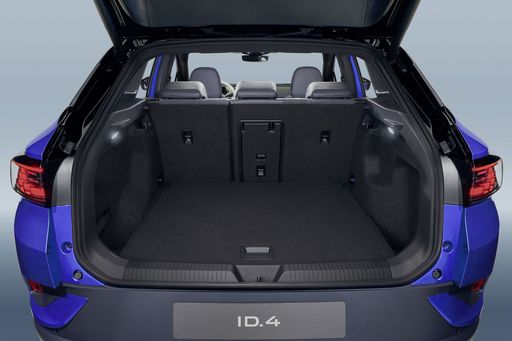
  • noticeably more trunk space

All details on performance, efficiency, range and trunk space can be found in the technical comparison below – including user reviews for both models.

ID.3

Electric neighbours in one garage

VW ID.3 VS VW ID.4 — the compact electric hatchback squares up against Volkswagen’s more upright electric SUV in a duel that’s as much about lifestyle as it is about specs. The comparison that follows looks at how the VW ID.3 and VW ID.4 behave on the street, in the family driveway and at the charging station so you can find the right fit. Think of it as a buyer’s crossroads: city agility and footprint versus presence and practicality. If you’re searching for EV range, charging habits or who carries the shopping best, this is where the choices start to feel personal.

ID.4

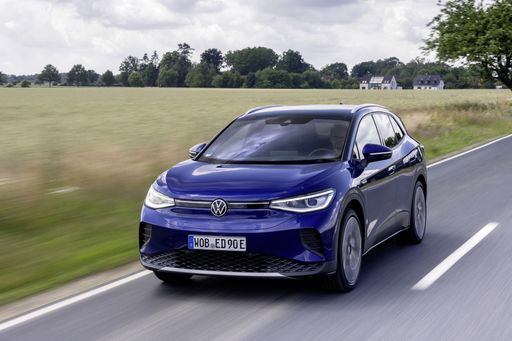
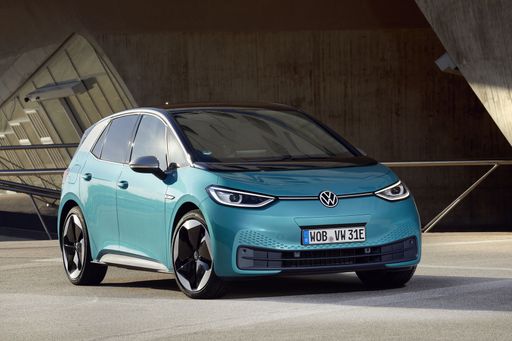
Character clash: understated hatch vs roomy presence

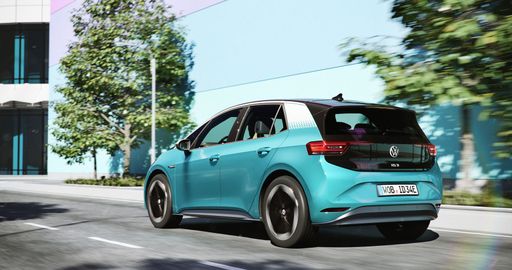
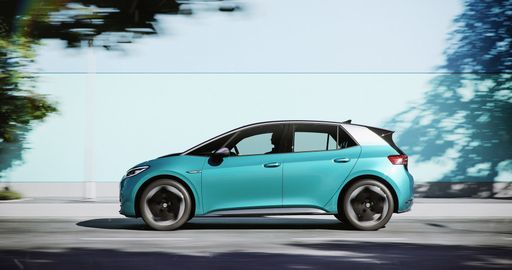
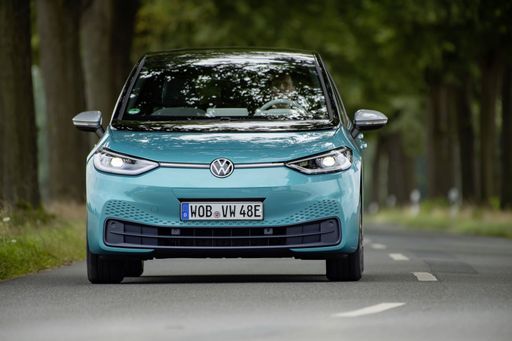
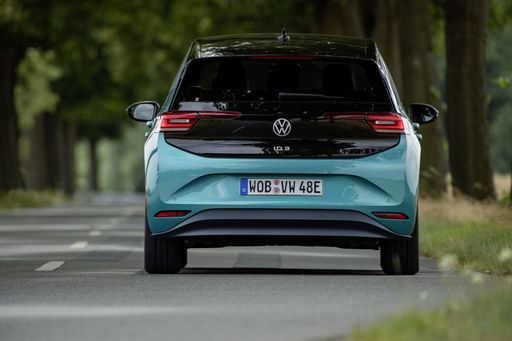
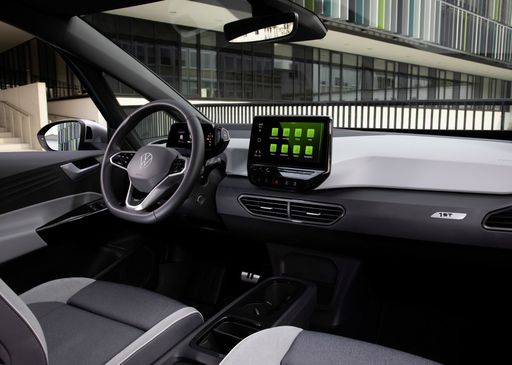
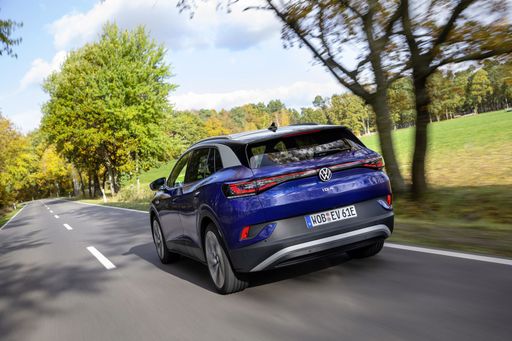
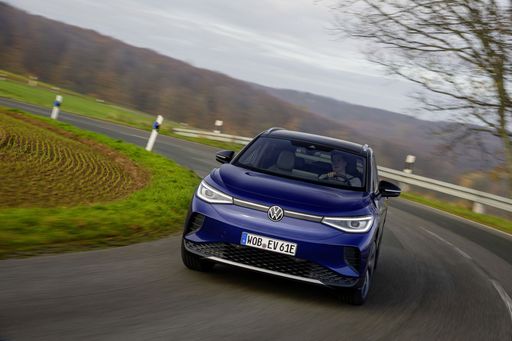
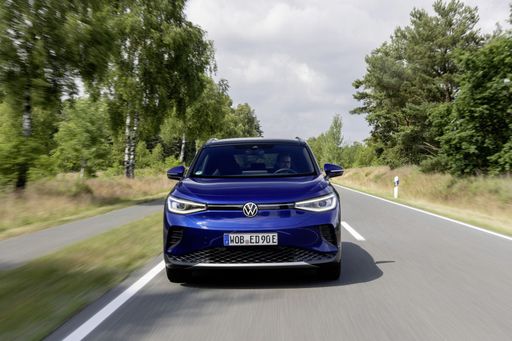
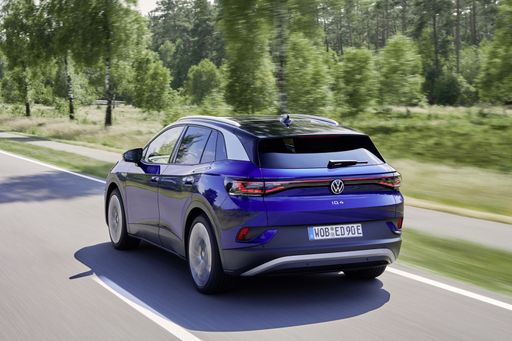
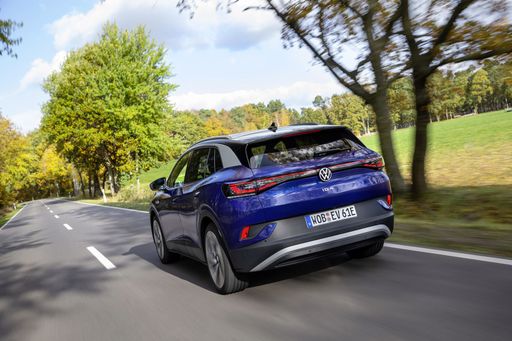
The VW ID.3 is the quiet, nimble type that prefers narrow lanes and tight parking spots, while the VW ID.4 arrives with the visual breathing room and higher ride that says “family SUV” without shouting. The ID.3’s proportions give it a sprightly, driver-focused vibe; the ID.4’s stance trades some of that for a more confident, composed road presence. Materials and finishes feel similar in intent, but the ID.4’s taller architecture tends to read as the more substantial, comfort-first option. In short: ID.3 is compact and energetic; ID.4 is composed and assured.

ID.3

Daily life: city commutes, school runs and weekend escapes

On daily runs the VW ID.3 makes urban life easier—easier parking, quicker lane changes and a lighter footprint in busy traffic—whereas the VW ID.4 answers to families and people who need flexible cargo room and easier access for passengers. Both will handle motorway cruising, but the ID.4’s packaging gives a more relaxed posture for longer trips and stows more luggage without reshuffling the back seats. The ID.3 rewards the driver who values agility and lower fuss; the ID.4 rewards those who put space and versatility at the top of the checklist. Either way, real-world comfort depends on whether you prioritise nimbleness or capacity.

ID.4

Buying on image: what each car says about you

Choosing the VW ID.3 signals efficient, no-nonsense modernity—you want an electric car that’s clever and compact rather than overtly showy. Picking the VW ID.4 leans into practicality and a subtly more aspirational presence: you value space, a higher driving position and a car that suits family duty without looking utilitarian. Both cars offer that accessible EV vibe, but the ID.3 is more understated urban chic while the ID.4 reads like the ready-for-anything sibling with extra room to prove it. Your decision will say more about daily priorities than it will about technical brackets.

ID.3

Who should seriously consider the VW ID.3?

If you’re a commuter who wants low fuss, easy city parking and a car that feels lively rather than massive, the VW ID.3 will likely sit at the top of your shortlist. It suits a value-conscious buyer who prioritises efficiency and an enjoyable, compact driving experience without compromising a modern electric interior. The ID.3 is also a smart choice for single drivers or couples who rarely need extra cargo space but appreciate sharp urban manners. In short: it’s for the pragmatic city driver and the rational buyer who wants an efficient, friendly EV.

ID.4

Who should favour the VW ID.4 (and where the ID.3 still makes sense)

The VW ID.4 speaks to families, long-distance commuters and buyers who want the confidence of extra interior space and a higher seating position; it’s the more comfort-leaning, lifestyle-friendly pick in this matchup. If you need room for kids, gear or weekend adventures, the ID.4’s packaging and presence are obvious advantages, while still keeping an accessible EV character. That said, if you’re primarily an urban commuter or care more about nimble city manners, the VW ID.3 remains a compelling alternative that won’t feel like a compromise—you just trade some room for livelier handling. Dive into the detailed figures and equipment list below to match these impressions to the specifics that matter to you.

Video - VW ID.4

Video Thumbnail

Here’s where it gets real: The technical differences in detail

ID.3

Costs and Efficiency:

When it comes to price and running costs, the biggest differences usually appear. This is often where you see which car fits your budget better in the long run.

VW ID.3 is noticeably cheaper – starting at 28,600 £ , while the VW ID.4 costs 34,600 £ . That’s a price difference of around 6,004 £.

In terms of energy consumption, the VW ID.3 is marginally more efficient: consuming 14.5 kWh/100km compared to 15.6 kWh/100km for the VW ID.4. That’s a difference of about 1.1 kWh/100km.

As for electric range, the VW ID.3 offers barely more range – reaching up to 605 km, about 36 km more than the VW ID.4.

ID.4

Engine and Performance:

Power, torque and acceleration say a lot about how a car feels on the road. This is where you see which model delivers more driving dynamics.

When it comes to engine power, the VW ID.4 offers very slightly more power – delivering 340 HP compared to 326 HP. That’s roughly 14 HP more horsepower.

When accelerating from 0 to 100 km/h, the VW ID.4 is barely quicker – completing the sprint in 5.4 s, while the VW ID.3 takes 5.7 s. That’s about 0.3 s quicker.

Looking at top speed, the VW ID.3 is only slightly faster – reaching 200 km/h, while the VW ID.4 tops out at 180 km/h. The difference is around 20 km/h.

There’s also a difference in torque: the VW ID.4 delivers slightly more torque with 679 Nm compared to 545 Nm. That’s about 134 Nm more.

ID.3

Space and Everyday Use:

Beyond pure performance, interior space and usability matter most in daily life. This is where you see which car is more practical and versatile.

Both vehicles offer seating for 5 people.

In terms of curb weight, VW ID.3 is a bit lighter – 1,787 kg compared to 1,975 kg. The difference is around 188 kg.

Looking at boot space, the VW ID.4 offers noticeably more boot space – 543 L compared to 385 L. That’s a difference of about 158 L.

For maximum load capacity, the VW ID.4 offers a bit more capacity – up to 1,575 L, about 308 L more than the VW ID.3.

When it comes to payload, the VW ID.4 carries moderately more – 551 kg compared to 473 kg. That’s a difference of about 78 kg.

Who wins the race in the data check?

The VW ID.4 shows a few small advantages in the objective data comparison.
This result only shows which model scores more points on paper – not which of the two cars feels right for you.

from £34,600
ID.4

VW ID.4

  • Engine Type : Electric
  • Transmission : Automatic
  • Drive Type : Rear-Wheel Drive, All-Wheel Drive
  • Power HP : 170 - 340 HP
  • Consumption kWh/100km : 15.6 - 17 kWh/100km
  • Electric Range : 356 - 569 km
VW ID.3
VW ID.4

Costs and Consumption

View detailed analysis

Engine and Performance

View detailed analysis

Dimensions and Body

View detailed analysis

VW ID.3

The VW ID.3 is a crisply styled electric hatch that masks serious practicality behind a friendly, modern face, making city runs and longer trips pleasantly fuss free. For buyers seeking a sensible, well-equipped EV that doesn't take itself too seriously, the ID.3 strikes a neat balance of comfort, tech and everyday usability with a cheeky smile.

details

VW ID.4

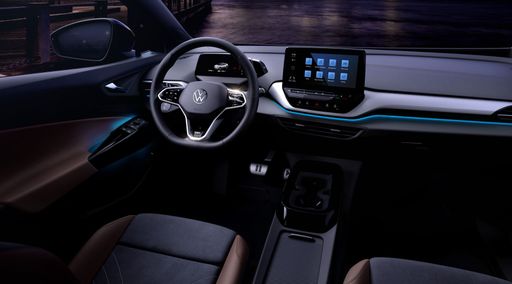
The VW ID.4 is a calm, roomy electric SUV that turns everyday driving into a quietly confident experience, its practical packaging and smooth manners tailored perfectly for family life. Volkswagen's solid build and intuitive interior tech mean you get electric practicality without the sci‑fi theatrics, making the ID.4 a sensible, surprisingly likable choice for most buyers.

details
VW ID.3
VW ID.4

Costs and Consumption

Price
28,600 - 49,300 £
Price
34,600 - 47,200 £
Consumption L/100km
-
Consumption L/100km
-
Consumption kWh/100km
14.5 - 15.8 kWh/100km
Consumption kWh/100km
15.6 - 17 kWh/100km
Electric Range
383 - 605 km
Electric Range
356 - 569 km
Battery Capacity
52 - 79 kWh
Battery Capacity
52 - 77 kWh
co2
0 g/km
co2
0 g/km
Fuel tank capacity
-
Fuel tank capacity
-

Dimensions and Body

Body Type
Hatchback
Body Type
SUV
Seats
5
Seats
5
Doors
5
Doors
5
Curb weight
1,787 - 1,993 kg
Curb weight
1,975 - 2,248 kg
Trunk capacity
385 L
Trunk capacity
543 L
Length
4,264 mm
Length
4,582 - 4,584 mm
Width
1,809 mm
Width
1,852 mm
Height
1,564 mm
Height
1,619 - 1,634 mm
Max trunk capacity
1,267 L
Max trunk capacity
1,575 L
Payload
437 - 473 kg
Payload
515 - 551 kg

Engine and Performance

Engine Type
Electric
Engine Type
Electric
Transmission
Automatic
Transmission
Automatic
Transmission Detail
Reduction Gearbox
Transmission Detail
Reduction Gearbox
Drive Type
Rear-Wheel Drive
Drive Type
Rear-Wheel Drive, All-Wheel Drive
Power HP
170 - 326 HP
Power HP
170 - 340 HP
Acceleration 0-100km/h
5.7 - 8.2 s
Acceleration 0-100km/h
5.4 - 9 s
Max Speed
160 - 200 km/h
Max Speed
160 - 180 km/h
Torque
310 - 545 Nm
Torque
310 - 679 Nm
Number of Cylinders
-
Number of Cylinders
-
Power kW
125 - 240 kW
Power kW
125 - 250 kW
Engine capacity
-
Engine capacity
-

General

Model Year
2,024 - 2,025
Model Year
2,023 - 2,025
CO2 Efficiency Class
A
CO2 Efficiency Class
A
Brand
VW
Brand
VW
DriveDuel uses data analysis and artificial intelligence to evaluate vehicle data and create content. Content is regularly reviewed and improved. The displayed prices are estimates based on German list prices, adjusted to the respective country’s VAT. Country-specific registration taxes are not included. This information is not legally binding.