VS

VW ID.3 vs VW Polo comparison

Compare performance (231 HP vs 207 HP), boot space and price (29,100 £ vs 17,300 £ ) at a glance. Find out which car is the better choice for you – VW ID.3 or VW Polo?

VW ID.3 vs VW Polo: Key differences

VW ID.3

4.8 (6 Reviews)
rate
  • slightly more power
  • only slightly more trunk space
details

VW Polo

4.1 (3 Reviews)
rate
  • clearly cheaper
  • barely quicker 0–100 km/h
  • considerably lighter
details

All details on performance, efficiency, range and trunk space can be found in the technical comparison below – including user reviews for both models.

By Achim Sedelmaier

ID.3

Overview — VW ID.3 vs VW Polo: two compact VWs, very different priorities

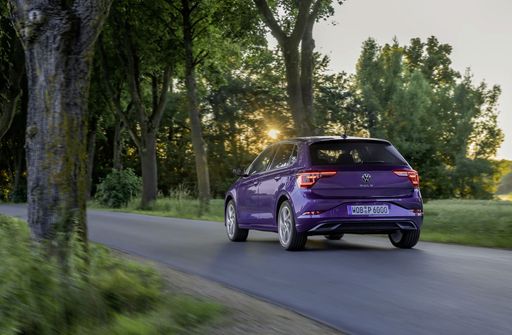
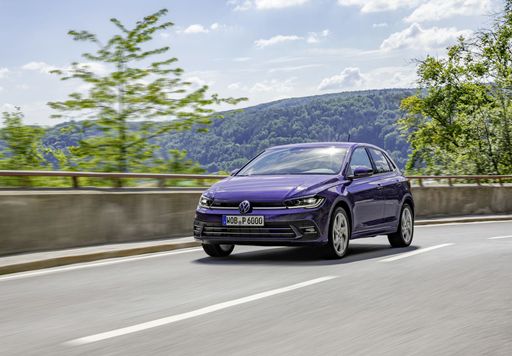
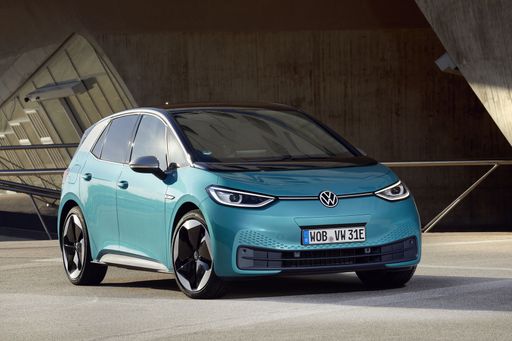
The VW ID.3 and the VW Polo start from the same Volkswagen family lineage but aim at different daily lives, so a VW ID.3 VS VW Polo comparison is really about priorities, not brand loyalty. The ID.3 is the electric, roomy, quietly refined choice that aims to feel modern and roomy inside, while the Polo is the compact petrol hatch that reads as a grown‑up small car with familiar controls and tidy packaging. That contrast shows up immediately in how they drive, how their cabins feel and what they ask buyers to accept on cost and infrastructure. Read on if you want a sense of which trade‑offs matter more to your routine rather than a spec list.
Polo

Character and driving experience

The VW ID.3 delivers a hushed, linear shove — it’s relaxed and effortless rather than sharp, which suits commuters and anyone who prefers floating along city streets and motorways. The VW Polo feels more familiar: lighter on the nose, with traditional engine feedback that makes it easier to judge speed and responses at a glance, so it feels a bit more composed when you want predictable inputs. Neither car is a hot hatch, but the ID.3 masks speed with silence while the Polo telegraphs effort with sound and revs; that changes how confident you feel at town speeds or merging on fast roads. If you prize effortless cruising and instant electrified throttle, the ID.3 leans better; if you prefer directness and a straightforward driver connection, the Polo will feel clearer.

ID.3

Cabin feel and perceived quality

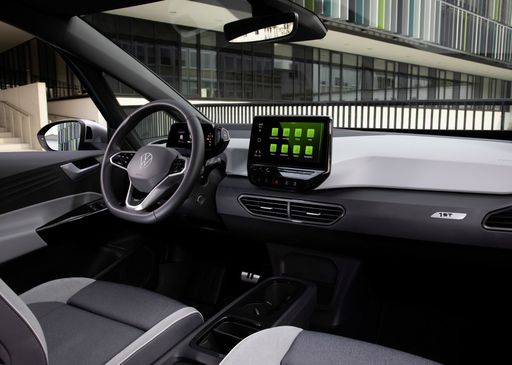
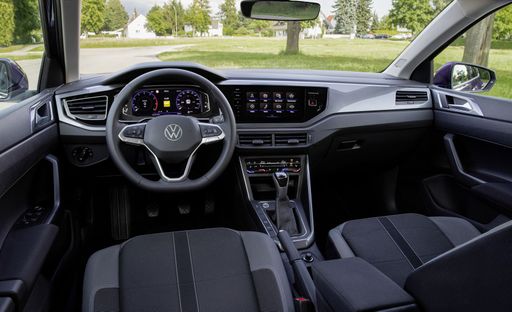
The ID.3’s refreshed interior looks and feels more modern — flatter floor, airy proportions and softer surfacing in places give it a contemporary electric‑car ambience that reads as slightly more premium. The Polo, by contrast, feels like a small Golf: tidy proportions, lots of soft‑touch material and a restrained, finished look that reassures with traditional Volkswagen solidity. Practical ergonomics diverge too: the ID.3’s touch‑heavy control layout and the Polo’s move toward sliders and fewer physical buttons each ask you to adapt, but the Polo’s conventional controls can feel quicker to operate without glancing. So you choose between a fresh, roomy EV cabin (ID.3) and a conventional, highly‑polished small‑car interior that emphasises tactile reassurance (Polo).

Polo

Comfort and long‑distance behaviour

On long runs the VW ID.3’s major trump card is quietness: the absence of engine noise and a composed ride make miles feel shorter and less fatiguing, and driver aids add to the relaxed cruise. The VW Polo punches above its weight for a small hatchback too — it’s surprisingly composed at motorway speeds and its suspension soaks up routine long‑distance undulations very well. The practical difference for buyers: ID.3 owners trade planning around charging stops for a more restful cabin experience, while Polo owners get uninterrupted range and very steady, economical cruising without thinking about charging. If your trips are long and uninterrupted and you dislike charging logistics, the Polo’s simplicity is attractive; if you value a quieter, more luxurious-feeling motorway experience, the ID.3 is the better long‑haul companion.

ID.3

City friendliness and everyday practicality

In urban use the ID.3 punches above its footprint: compact turning, flat floor and roomy back seats make it surprisingly easy to live with as an EV in town, though interior storage is a bit more measured and there's no frunk to stash extras. The Polo is naturally city‑friendly too — excellent visibility, easy parking and a conventional boot that is straightforward to load make daily errands painless. The trade‑off is practical detail: the ID.3 gives more usable rear legroom and a modern cabin layout, while the Polo keeps things simple with predictable loadspace and lower running fuss if you aren’t ready to charge. For buyers who mainly navigate tight urban streets but want room for passengers, the ID.3 nudges ahead; for those who prize simplicity, lower operating fuss and an easy‑to‑use boot, the Polo remains compelling.

Polo

Buyer fit — who each car really suits

Choose the VW ID.3 if your routine rewards silence, internal space and electric convenience: city commuting, family shuttles with lots of rear legroom, and drivers who value modern software features and lower on‑road noise will find it a natural fit. Opt for the VW Polo if you prefer a lower initial cost of ownership, straightforward refuelling, a tactile, small‑car cabin and exceptional perceived quality for its class — it’s ideal for buyers who want compact practicality without the charging planning. Both cars are sensible, but they suit different habits: the ID.3 asks you to live with charging in return for a quieter, more modern experience, while the Polo gives immediate, familiar usability and motorway steadiness. The technical comparison that follows will make those trade‑offs clearer in concrete terms so you can match them to your daily routes and budget.

Here’s where it gets real: The technical differences in detail

ID.3

Costs and Efficiency:

Price and efficiency are often the first things buyers look at. Here it becomes clear which model has the long-term edge – whether at the pump, the plug, or in purchase price.

VW Polo is clearly cheaper – starting at 17,300 £ , while the VW ID.3 costs 29,100 £ . That’s a price difference of around 11,880 £.

Polo

Engine and Performance:

Under the bonnet, it becomes clear which model is tuned for sportiness and which one takes the lead when you hit the accelerator.

When it comes to engine power, the VW ID.3 offers slightly more power – delivering 231 HP compared to 207 HP. That’s roughly 24 HP more horsepower.

When accelerating from 0 to 100 km/h, the VW Polo is barely quicker – completing the sprint in 6.5 s, while the VW ID.3 takes 7.1 s. That’s about 0.6 s quicker.

There’s also a difference in torque: the VW ID.3 delivers very slightly more torque with 350 Nm compared to 320 Nm. That’s about 30 Nm more.

ID.3

Space and Everyday Use:

Whether family car or daily driver – which one offers more room, flexibility and comfort?

Both vehicles offer seating for 5 people.

In terms of curb weight, VW Polo is considerably lighter – 1,143 kg compared to 1,885 kg. The difference is around 742 kg.

Looking at boot space, the VW ID.3 offers only slightly more boot space – 383 L compared to 351 L. That’s a difference of about 32 L.

When it comes to payload, the VW ID.3 carries marginally more – 464 kg compared to 457 kg. That’s a difference of about 7 kg.

Who wins the race in the data check?

The VW Polo is narrowly ahead in the objective data comparison.
This result only shows which model scores more points on paper – not which of the two cars feels right for you.

from £17,300
Polo

VW Polo

  • Engine Type Petrol
  • Transmission Manuel, Automatic
  • Drive Type Front-Wheel Drive
  • Power HP 80 - 207 HP
  • Consumption L/100km 5.1 - 6.5 L/100km
VW ID.3
VW Polo

Costs and Consumption

View detailed analysis

Engine and Performance

View detailed analysis

Dimensions and Body

View detailed analysis

VW ID.3

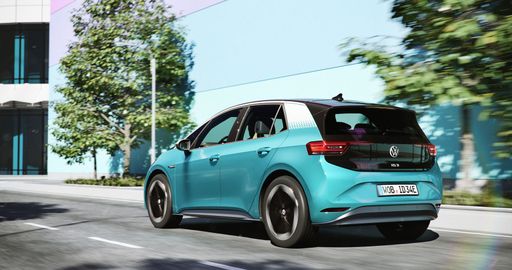
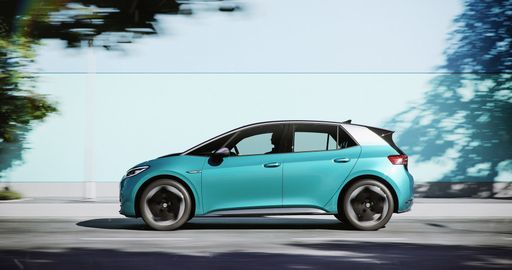
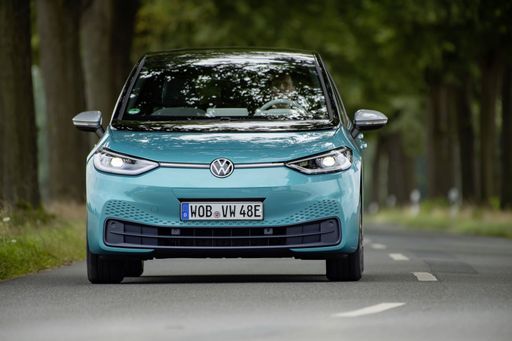
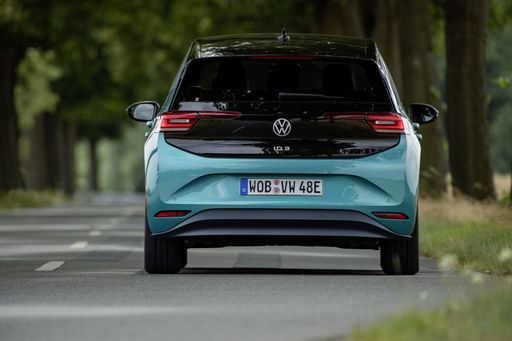
The VW ID.3 is Volkswagen’s compact electric hatch that prioritizes practical daily usability with a comfortable, modern interior. It delivers a smooth, quiet driving experience and intuitive tech that makes switching to electric straightforward.

details

VW Polo

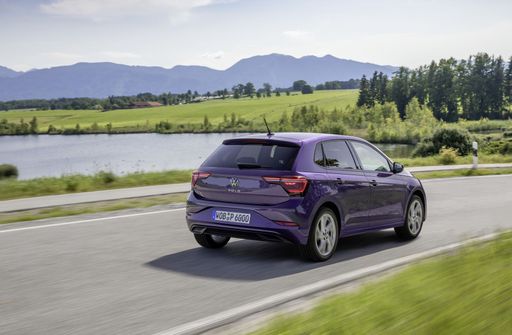
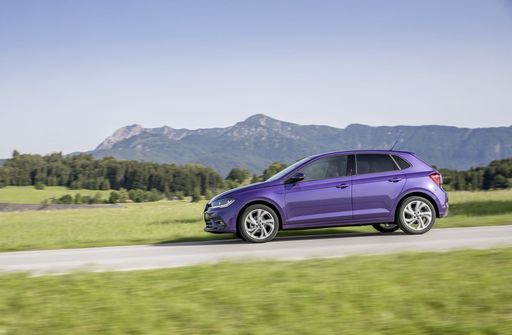
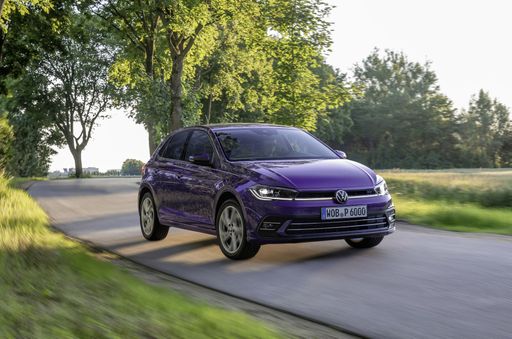
The Polo is a well-built, comfortable hatchback that blends a refined cabin and composed manners into a compact package. It's easy to live with day to day, offering sensible space, tidy controls and reassuring quality that make it a practical choice for city or longer trips.

details
VW ID.3
VW Polo

Costs and Consumption

Price
29,100 - 40,800 £
Price
17,300 - 30,800 £
Consumption L/100km
-
Consumption L/100km
5.1 - 6.5 L/100km
Consumption kWh/100km
13.9 - 14.4 kWh/100km
Consumption kWh/100km
-
Electric Range
410 - 629 km
Electric Range
-
Battery Capacity
-
Battery Capacity
-
co2
0 g/km
co2
116 - 148 g/km
Fuel tank capacity
-
Fuel tank capacity
-

Dimensions and Body

Body Type
Hatchback
Body Type
Hatchback
Seats
5
Seats
5
Doors
-
Doors
-
Curb weight
1,885 - 1,966 kg
Curb weight
1,143 - 1,378 kg
Trunk capacity
383 L
Trunk capacity
351 L
Length
-
Length
-
Width
1,809 mm
Width
1,751 mm
Height
-
Height
-
Max trunk capacity
-
Max trunk capacity
-
Payload
422 - 464 kg
Payload
432 - 457 kg

Engine and Performance

Engine Type
Electric
Engine Type
Petrol
Transmission
Automatic
Transmission
Manuel, Automatic
Transmission Detail
Reduction Gearbox
Transmission Detail
Manual Gearbox, Dual-Clutch Automatic
Drive Type
Rear-Wheel Drive
Drive Type
Front-Wheel Drive
Power HP
170 - 231 HP
Power HP
80 - 207 HP
Acceleration 0-100km/h
7.1 - 8 s
Acceleration 0-100km/h
6.5 - 15.6 s
Max Speed
-
Max Speed
-
Torque
350 Nm
Torque
93 - 320 Nm
Number of Cylinders
-
Number of Cylinders
3 - 4
Power kW
125 - 170 kW
Power kW
59 - 152 kW
Engine capacity
-
Engine capacity
999 - 1,984 cm3

General

Model Year
2026
Model Year
2,024 - 2,025
CO2 Efficiency Class
A
CO2 Efficiency Class
D, E
Brand
VW
Brand
VW
DriveDuel uses data analysis and artificial intelligence to evaluate vehicle data and create content. Content is regularly reviewed and improved. The displayed prices are estimates based on German list prices, adjusted to the respective country’s VAT. Country-specific registration taxes are not included. This information is not legally binding.