VS

Toyota bZ4X vs Kia EV5 comparison

Compare performance (380 HP vs 306 HP), boot space and price (36,800 £ vs 39,400 £ ) at a glance. Find out which car is the better choice for you – Toyota bZ4X or Kia EV5?

Toyota bZ4X vs Kia EV5: Key differences

Toyota bZ4X

4.5 (11 Reviews)
rate
  • barely cheaper
  • moderately more power
  • markedly more efficient
  • moderately more electric range
  • considerably quicker 0–100 km/h
  • barely lighter
details

Kia EV5

4.7 (1 Reviews)
rate
details

All details on performance, efficiency, range and trunk space can be found in the technical comparison below – including user reviews for both models.

By Achim Sedelmaier

bZ4X

Overview — Toyota bZ4X VS Kia EV5

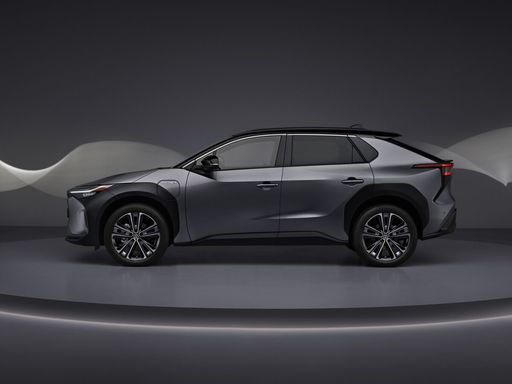
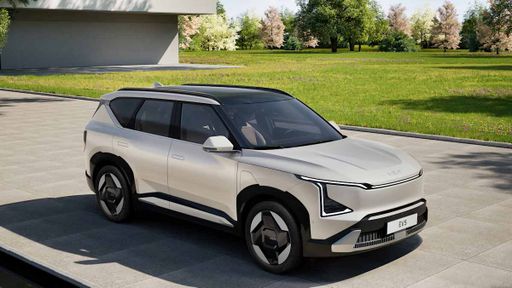
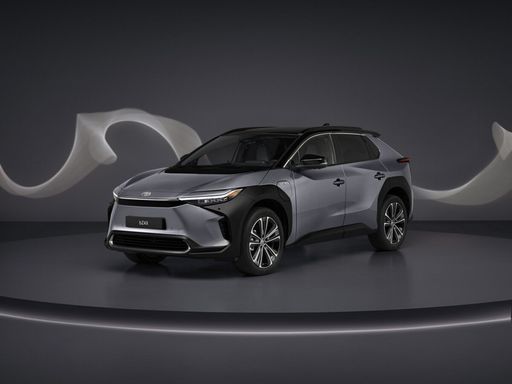
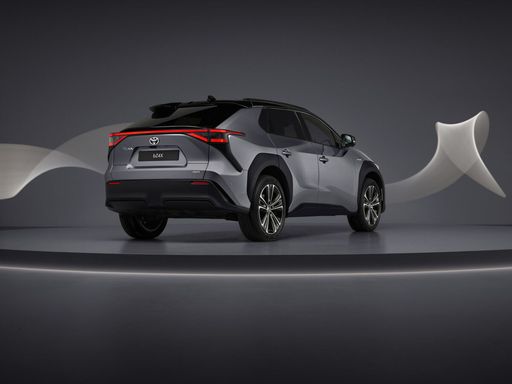
Toyota bZ4X VS Kia EV5 pits two family‑oriented electric SUVs against one another with very different priorities: the Toyota leans on quiet, efficient highway manners and familiar Toyota ergonomics, while the Kia trades a little of that reserve for noticeably more interior space and everyday utility. The bZ4X presents itself as the composed, slightly conservative choice that aims to make long runs less tiring, whereas the EV5 is an unapologetically practical, room‑first package that simplifies family life. Both feel modern inside, but the way they deliver usability is divergent — one favors calm refinement, the other flexibility and clever touches. This comparison focuses on how those choices play out in daily ownership rather than on abstract spec sheets.
EV5

Character and driving feel

The Toyota bZ4X drives with a composed, restrained personality that rewards steady progress and calm cruising more than sporty antics, giving a sense of planted stability on fast roads. The Kia EV5 is softer and more floaty, tuned for comfort over cornering verve, and it never pretends to be a driver’s car — it’s an easy, confidence‑building mover for everyday traffic. That difference matters: buyers who want a reassuring, quieter motorway companion will prefer the bZ4X’s reserve, while those who prioritize a relaxed, sofa‑like ride will find the EV5’s temperament more congenial. In traffic the EV5’s light steering and forgiving suspension feel effortlessly simple, whereas the bZ4X rewards a steady hand with quieter, slightly firmer control.

bZ4X

Comfort and long‑distance behavior

On long trips the Toyota bZ4X stands out for acoustic comfort and a generally less tiring cabin ambience, with an interior that feels tuned to reduce fatigue over hours at speed. The Kia EV5 matches that for suspension comfort and then adds more usable rear passenger space and a more flexible load floor, so families tend to be happier back there after whole‑day journeys. Rear seat ergonomics split them: the bZ4X gives remarkable legroom but a shorter seat cushion and a higher seating position, while the EV5 gives a roomier, more conventional rear bench that works better for taller passengers. Charging and topping up in daily life tilt the balance too — Toyota’s options around AC charging make city‑to‑workday top‑ups more convenient, while the EV5’s larger boot and frunk mean fewer compromises on luggage and kit for extended trips.

EV5

Practicality and day‑to‑day usability

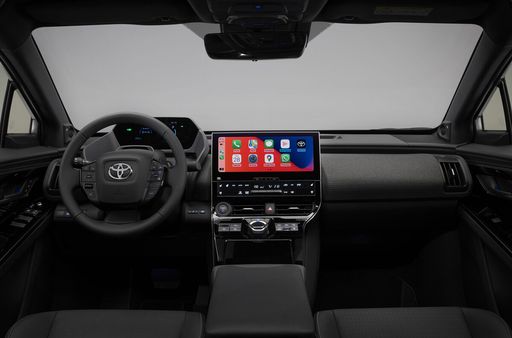
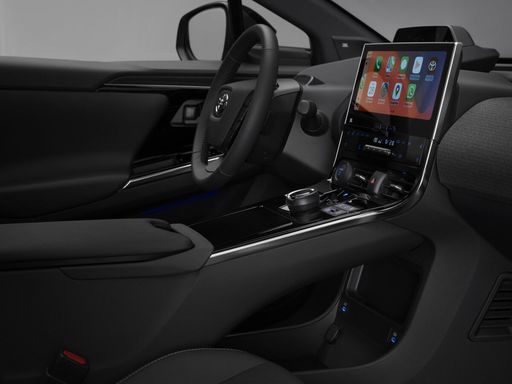
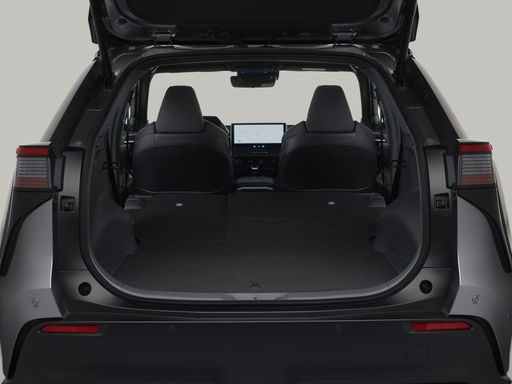
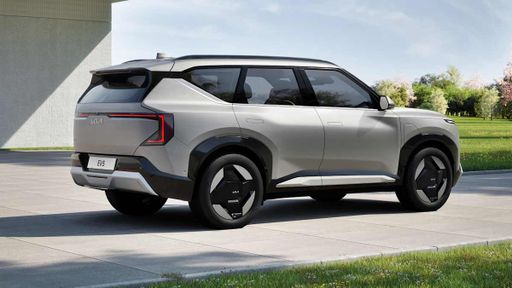
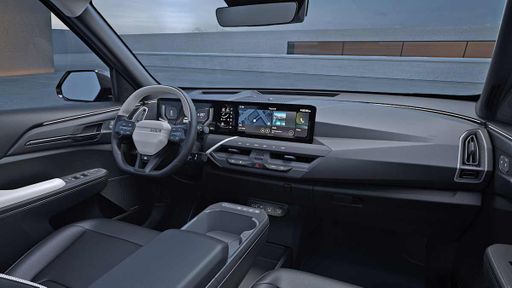
Inside, the Kia EV5 is the pragmatic winner for cargo flexibility and storage: its generous boot, folding rear bench that creates an almost flat load bed and a handy frunk turn weekend chores into a no‑stress exercise. The Toyota bZ4X, by contrast, sacrifices some luggage usability with intrusion from wheel arches and the absence of a frunk, but it compensates with a clearer climate interface and robust physical controls that are easier to use without hunting through menus. Infotainment and controls highlight the trade‑off: bZ4X favours straightforward ergonomics and improved software responsiveness after recent updates, while the EV5 offers intuitive energy‑recapture controls and useful hardware like V2L but sometimes awkward touch placements. For parents who pack and repack the car daily the EV5 will feel more helpful; buyers who prize simple, predictable controls may prefer the Toyota’s layout.

bZ4X

City friendliness and everyday driving

In urban environments the Kia EV5 generally feels more nimble to live with thanks to light steering, good forward visibility and parking aids that mask its size, making it easy to run errands and park in tight spots. The Toyota bZ4X is still city‑capable but its larger turning circle, higher seating and restricted rear view require a bit more attention; that trade‑off is offset by very calm, confidence‑inspiring driver aids and tactile controls that reduce cabin fuss. Both are quiet and relaxed in stop‑and‑go traffic, but the EV5’s parking friendliness and storage tricks make day‑to‑day family logistics smoother. If your driving is mostly urban with frequent loading and parking, the EV5 is the more forgiving companion, while the bZ4X rewards those who value low cabin noise and simple physical controls even in town.

EV5

Ownership, perceived quality and buyer fit

Toyota’s reputation and warranty philosophy push the bZ4X toward buyers who want conservative but dependable ownership — a car that feels engineered to be low‑stress over years of use and long runs. The Kia EV5 targets families who value space, clever practicality and a strong equipment list that delivers immediate day‑to‑day utility and modern conveniences like power delivery to external devices. In short, choose the Toyota bZ4X if calm long‑distance behavior, refined noise insulation and ergonomics are top priorities; choose the Kia EV5 if interior volume, luggage flexibility and everyday usability matter more. Below this editorial comparison the technical section will break down how those differences translate into concrete trade‑offs in range, charging behavior and performance to help match the choice to your actual driving pattern.

Here’s where it gets real: The technical differences in detail

bZ4X

Costs and Efficiency:

Price and efficiency are key factors when choosing a car – and this is often where the real differences emerge.

Toyota bZ4X is barely cheaper – starting at 36,800 £ , while the Kia EV5 costs 39,400 £ . That’s a price difference of around 2,572 £.

In terms of energy consumption, the Toyota bZ4X is markedly more efficient: consuming 13.5 kWh/100km compared to 16.9 kWh/100km for the Kia EV5. That’s a difference of about 3.4 kWh/100km.

As for electric range, the Toyota bZ4X offers moderately more range – reaching up to 591 km, about 61 km more than the Kia EV5.

EV5

Engine and Performance:

Power, torque and acceleration are the classic benchmarks for car enthusiasts – and here, some clear differences start to show.

When it comes to engine power, the Toyota bZ4X offers moderately more power – delivering 380 HP compared to 306 HP. That’s roughly 74 HP more horsepower.

When accelerating from 0 to 100 km/h, the Toyota bZ4X is considerably quicker – completing the sprint in 4.4 s, while the Kia EV5 takes 6.2 s. That’s about 1.8 s quicker.

There’s also a difference in torque: the Kia EV5 delivers noticeably more torque with 480 Nm compared to 338 Nm. That’s about 142 Nm more.

bZ4X

Space and Everyday Use:

Cabin size, boot volume and payload all play a role in everyday practicality. Here, comfort and flexibility make the difference.

Both vehicles offer seating for 5 people.

In terms of curb weight, Toyota bZ4X is barely lighter – 1,900 kg compared to 2,069 kg. The difference is around 169 kg.

When it comes to payload, the Toyota bZ4X carries barely more – 565 kg compared to 511 kg. That’s a difference of about 54 kg.

Who wins the race in the data check?

The Toyota bZ4X stands well ahead of its rival in the objective data comparison.
This result only shows which model scores more points on paper – not which of the two cars feels right for you.

from £36,800
bZ4X

Toyota bZ4X

  • Engine Type : Electric
  • Transmission : Automatic
  • Drive Type : Front-Wheel Drive, All-Wheel Drive
  • Power HP : 167 - 380 HP
  • Consumption kWh/100km : 13.5 - 16.6 kWh/100km
  • Electric Range : 444 - 591 km
Toyota bZ4X
Kia EV5

Costs and Consumption

View detailed analysis

Engine and Performance

View detailed analysis

Dimensions and Body

View detailed analysis

Toyota bZ4X

The Toyota bZ4X is an electric crossover that focuses on a calm ride, practical interior and predictable handling for everyday driving. It suits buyers who want an easygoing, reliable EV with Toyota's familiar build quality and a clean, simple design.

details

Kia EV5

Kia's EV5 is an exciting entry into the electric SUV market, showcasing the brand's commitment to sustainable mobility. With its modern design and advanced technology features, the EV5 promises to deliver a smooth and environmentally friendly driving experience. The interior offers a spacious and comfortable ride, making it an appealing choice for families and eco-conscious drivers alike.

details
Toyota bZ4X
Kia EV5

Costs and Consumption

Price
36,800 - 51,000 £
Price
39,400 - 51,400 £
Consumption L/100km
-
Consumption L/100km
-
Consumption kWh/100km
13.5 - 16.6 kWh/100km
Consumption kWh/100km
16.9 - 18.6 kWh/100km
Electric Range
444 - 591 km
Electric Range
476 - 530 km
Battery Capacity
-
Battery Capacity
-
co2
0 g/km
co2
0 g/km
Fuel tank capacity
-
Fuel tank capacity
-

Dimensions and Body

Body Type
SUV
Body Type
SUV
Seats
5
Seats
5
Doors
-
Doors
-
Curb weight
1,900 - 2,180 kg
Curb weight
2,069 - 2,205 kg
Trunk capacity
452 L
Trunk capacity
-
Length
-
Length
-
Width
1,860 mm
Width
1,875 mm
Height
-
Height
-
Max trunk capacity
-
Max trunk capacity
-
Payload
375 - 565 kg
Payload
465 - 511 kg

Engine and Performance

Engine Type
Electric
Engine Type
Electric
Transmission
Automatic
Transmission
Automatic
Transmission Detail
Reduction Gearbox
Transmission Detail
Reduction Gearbox
Drive Type
Front-Wheel Drive, All-Wheel Drive
Drive Type
Front-Wheel Drive, All-Wheel Drive
Power HP
167 - 380 HP
Power HP
218 - 306 HP
Acceleration 0-100km/h
4.4 - 8.6 s
Acceleration 0-100km/h
6.2 - 8.4 s
Max Speed
-
Max Speed
-
Torque
268 - 338 Nm
Torque
295 - 480 Nm
Number of Cylinders
-
Number of Cylinders
-
Power kW
123 - 280 kW
Power kW
160 - 225 kW
Engine capacity
-
Engine capacity
-

General

Model Year
2,025 - 2,026
Model Year
2,025 - 2,026
CO2 Efficiency Class
A
CO2 Efficiency Class
A
Brand
Toyota
Brand
Kia
DriveDuel uses data analysis and artificial intelligence to evaluate vehicle data and create content. Content is regularly reviewed and improved. The displayed prices are estimates based on German list prices, adjusted to the respective country’s VAT. Country-specific registration taxes are not included. This information is not legally binding.