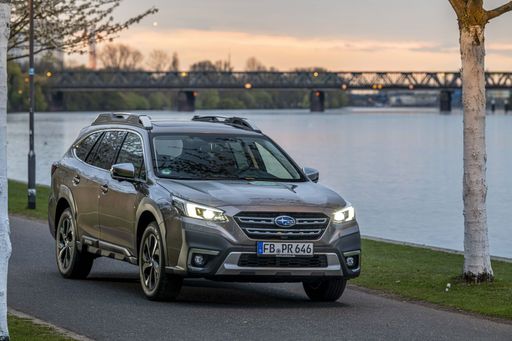
VS

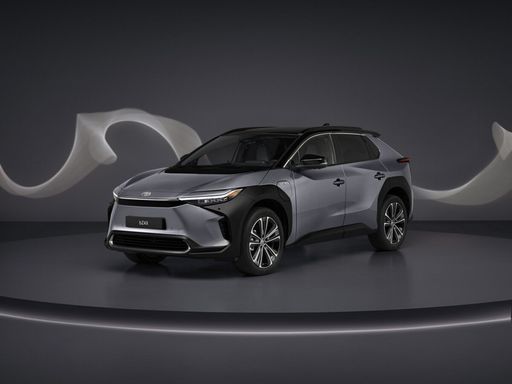
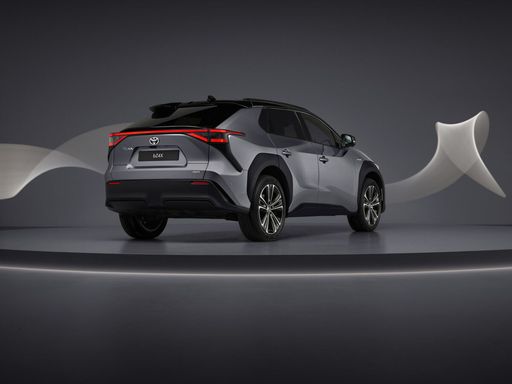
Toyota bZ4X vs Subaru Outback comparison

Compare performance (380 HP vs 169 HP), boot space and price (36,800 £ vs 40,000 £ ) at a glance. Find out which car is the better choice for you – Toyota bZ4X or Subaru Outback?

Toyota bZ4X vs Subaru Outback: Key differences

Toyota bZ4X

4.5 (11 Reviews)
rate
  • marginally cheaper
  • substantially more power
  • considerably quicker 0–100 km/h
  • slightly more trunk space
details

Subaru Outback

4.6 (1 Reviews)
rate
  • somewhat lighter
details

All details on performance, efficiency, range and trunk space can be found in the technical comparison below – including user reviews for both models.

By Achim Sedelmaier

bZ4X

Subaru Outback VS Toyota bZ4X — the practical cruiser meets the electric newcomer

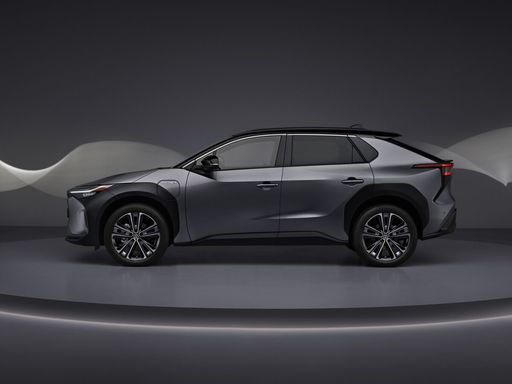
Subaru Outback and Toyota bZ4X arrive at the same buyer crossroads from very different directions: one is a rugged, high‑ground‑clearance wagon built for traction and load‑carrying, the other an electric SUV focused on quiet, effortless daily driving. The Outback projects function-first utility with a strong sense of reserve for poor roads and heavy loads, while the bZ4X trades mechanical drama for silent progress and modern EV convenience. That contrast shapes who will be happier day-to-day: the Outback rewards owners who use its off‑pavement and towing strengths, the bZ4X suits those who prioritise low‑stress urban and suburban running with a long warranty. Read on for how those philosophical differences play out in comfort, space, and everyday usability.
Outback

Character and driving dynamics

The Subaru Outback feels like a confident long‑distance companion: composed, grippy and built to cope with gravel tracks and winter roads thanks to permanent all‑wheel drive and higher ride height, whereas the Toyota bZ4X delivers the near‑silent initial shove and smooth, predictable steering of an EV. The Outback’s drivetrain character leans toward relaxed progress rather than punchy acceleration, with mechanical noise rising under hard load; the bZ4X masks most drivetrain noise but also dampens emotional engagement. On twisty tarmac the Outback’s handling is more cruiser than corner‑carver, and the bZ4X is steady and safe but not particularly sporty. If you want mechanical connection and the ability to stray off the beaten track, the Outback tilts the balance; if you value instant, calm response in town and on the motorway, the bZ4X is the more natural fit.

bZ4X

Comfort and long‑distance behaviour

Both cars aim for relaxed motorway miles, but they achieve it differently: the Outback soaks up distance with a hushed cabin and generous rear legroom that makes long stints feel easy, while the bZ4X offers EV silence and a softly damped ride that reduces fatigue but gives a slightly shorter seat base and tighter headroom for very tall passengers. The Outback’s cabin feels oriented to long trips with practical touches that keep luggage and family in check; the bZ4X offsets its smaller boot with the convenience of electric drive—no engine vibration and immediate heating/cooling performance. For extended touring where refuelling speed and trailer capability matter, Outback’s approach feels more self‑contained; for long runs where you can plan charging stops and prefer a quieter greenhouse, bZ4X will be more relaxing. In short, Outback is comfort for space‑hungry travellers, bZ4X is comfort for tech‑minded cruisers.

Practicality and everyday usability

The Subaru Outback is overtly practical: a wide, low loading area, clever storage nooks and rugged touches make loading bikes, dog crates or camping gear straightforward, and its towing capability gives it an edge for holiday logistics. The Toyota bZ4X is practical in a different register—easy in‑car ergonomics, thoughtful rear space and EV simplicity—but it sacrifices some cargo volume and traditional cubby space, and it lacks a frunk or certain storage niceties. In town the bZ4X’s optional higher‑power AC charging is a boon for garage or workplace top‑ups, while the Outback’s strength is versatility without dependence on infrastructure. Families who count boot space, roof racks and towing among daily needs will prefer the Outback’s utilitarian mindset, while buyers who prioritise a clean, low‑maintenance daily routine and predictable EV charging patterns will lean toward the bZ4X.

Cabin feel, quality and daily ergonomics

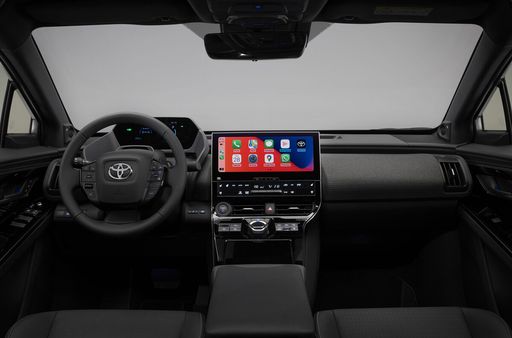
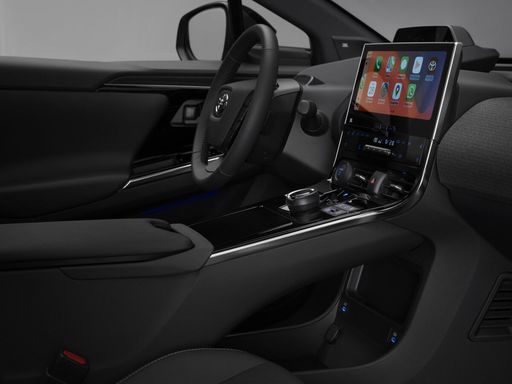
Cabin character separates the two: Subaru Outback’s interior feels robust and purpose‑driven with hardwearing surfaces that prioritise longevity over luxury, and a touchscreen layout that sometimes buries climate controls; the Toyota bZ4X tends toward a cleaner, more modern presentation with clearer physical climate buttons and an infotainment update that improved usability. Perceived quality is similar in spirit—neither car reads as premium, but both feel solid; the Outback edges toward rugged practicality, the bZ4X toward minimalist tech‑centric neatness. Visibility quirks affect both models—each has blind spots at the rear, and the bZ4X’s lack of a rear wiper can be an annoyance in wet conditions—so parking and reversing routines differ. If you prefer tactile, low‑fuss controls and a workmanlike cabin, the Outback suits you; if you favour a quieter, more contemporary interior with clearer basic controls, the bZ4X will feel fresher.

Buyer fit: who should choose which car before the numbers

Choose the Subaru Outback if your life includes rough roads, regular heavy loads, towing or long family journeys where rear space and practical details matter more than outright economy or EV charging. Opt for the Toyota bZ4X if your weekly routine is town/suburban heavy, you have access to home or workplace charging, and you value a quiet, low‑maintenance drive with strong dealer backing. The trade‑offs are clear: Outback gives rugged utility and space at the cost of higher running friction, while bZ4X gives a calmer, simpler ownership profile with charging‑dependent planning and a tighter boot. Both approaches have merit depending on daily priorities, and the technical comparison that follows will make the consequences of those choices explicit for range, energy use, performance and carrying capacity.

Here’s where it gets real: The technical differences in detail

bZ4X

Costs and Efficiency:

Price and efficiency are key factors when choosing a car – and this is often where the real differences emerge.

Toyota bZ4X is marginally cheaper – starting at 36,800 £ , while the Subaru Outback costs 40,000 £ . That’s a price difference of around 3,172 £.

Outback

Engine and Performance:

Power, torque and acceleration say a lot about how a car feels on the road. This is where you see which model delivers more driving dynamics.

When it comes to engine power, the Toyota bZ4X offers substantially more power – delivering 380 HP compared to 169 HP. That’s roughly 211 HP more horsepower.

When accelerating from 0 to 100 km/h, the Toyota bZ4X is considerably quicker – completing the sprint in 4.4 s, while the Subaru Outback takes 10.2 s. That’s about 5.8 s quicker.

There’s also a difference in torque: the Toyota bZ4X delivers clearly more torque with 338 Nm compared to 252 Nm. That’s about 86 Nm more.

bZ4X

Space and Everyday Use:

Cabin size, boot volume and payload all play a role in everyday practicality. Here, comfort and flexibility make the difference.

Both vehicles offer seating for 5 people.

In terms of curb weight, Subaru Outback is somewhat lighter – 1,643 kg compared to 1,900 kg. The difference is around 257 kg.

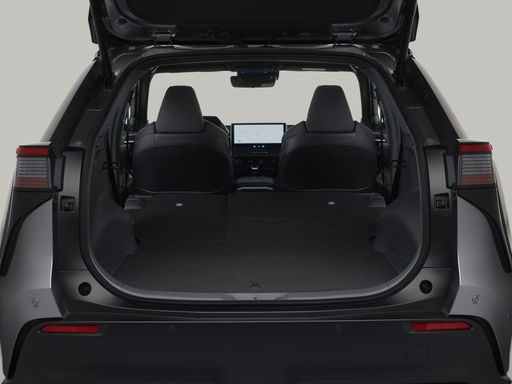
Looking at boot space, the Toyota bZ4X offers slightly more boot space – 669 L compared to 561 L. That’s a difference of about 108 L.

When it comes to payload, the Toyota bZ4X carries only slightly more – 565 kg compared to 557 kg. That’s a difference of about 8 kg.

Who wins the race in the data check?

The Toyota bZ4X is clearly superior overall in the objective data comparison.
This result only shows which model scores more points on paper – not which of the two cars feels right for you.

from £36,800
bZ4X

Toyota bZ4X

  • Engine Type Electric
  • Transmission Automatic
  • Drive Type Front-Wheel Drive, All-Wheel Drive
  • Power HP 167 - 380 HP
  • Consumption kWh/100km 13.5 - 16.6 kWh/100km
  • Electric Range 444 - 591 km
Toyota bZ4X
Subaru Outback

Costs and Consumption

View detailed analysis

Engine and Performance

View detailed analysis

Dimensions and Body

View detailed analysis

Toyota bZ4X

The Toyota bZ4X is an electric crossover that focuses on a calm ride, practical interior and predictable handling for everyday driving. It suits buyers who want an easygoing, reliable EV with Toyota's familiar build quality and a clean, simple design.

details

Subaru Outback

The Subaru Outback is the do-it-all wagon for buyers who want SUV capability without the SUV bulk, blending rugged confidence with everyday civility. It's practical, dependable, and built to shrug off rough gravel tracks or rainy commutes with a grin — ideal for buyers who actually use their vehicles, not just park them for show.

details
Toyota bZ4X
Subaru Outback

Costs and Consumption

Price
36,800 - 51,000 £
Price
40,000 - 44,400 £
Consumption L/100km
-
Consumption L/100km
8.6 L/100km
Consumption kWh/100km
13.5 - 16.6 kWh/100km
Consumption kWh/100km
-
Electric Range
444 - 591 km
Electric Range
-
Battery Capacity
-
Battery Capacity
-
co2
0 g/km
co2
193 g/km
Fuel tank capacity
-
Fuel tank capacity
-

Dimensions and Body

Body Type
SUV
Body Type
Estate
Seats
5
Seats
5
Doors
-
Doors
-
Curb weight
1,900 - 2,180 kg
Curb weight
1,643 - 1,676 kg
Trunk capacity
452 - 669 L
Trunk capacity
561 L
Length
-
Length
-
Width
1,860 mm
Width
1,875 mm
Height
-
Height
-
Max trunk capacity
-
Max trunk capacity
-
Payload
375 - 565 kg
Payload
524 - 557 kg

Engine and Performance

Engine Type
Electric
Engine Type
Petrol
Transmission
Automatic
Transmission
Automatic
Transmission Detail
Reduction Gearbox
Transmission Detail
CVT
Drive Type
Front-Wheel Drive, All-Wheel Drive
Drive Type
All-Wheel Drive
Power HP
167 - 380 HP
Power HP
169 HP
Acceleration 0-100km/h
4.4 - 8.6 s
Acceleration 0-100km/h
10.2 s
Max Speed
-
Max Speed
-
Torque
268 - 338 Nm
Torque
252 Nm
Number of Cylinders
-
Number of Cylinders
4
Power kW
123 - 280 kW
Power kW
124 kW
Engine capacity
-
Engine capacity
2,498 cm3

General

Model Year
2,025 - 2,026
Model Year
2024
CO2 Efficiency Class
A
CO2 Efficiency Class
G
Brand
Toyota
Brand
Subaru
DriveDuel uses data analysis and artificial intelligence to evaluate vehicle data and create content. Content is regularly reviewed and improved. The displayed prices are estimates based on German list prices, adjusted to the respective country’s VAT. Country-specific registration taxes are not included. This information is not legally binding.