VS

Toyota Corolla vs Kia Ceed comparison

Compare performance (178 HP vs 140 HP), boot space and price (28,600 £ vs 23,500 £ ) at a glance. Find out which car is the better choice for you – Toyota Corolla or Kia Ceed?

Toyota Corolla vs Kia Ceed: Key differences

Toyota Corolla

5 (1 Reviews)
rate
  • clearly more power
  • markedly more efficient
  • visibly quicker 0–100 km/h

Kia Ceed

  • noticeably cheaper
  • very slightly lighter
Corolla

Introduction to the Compact Wars: Kia Ceed vs. Toyota Corolla

The compact car segment is fiercely competitive, with brands constantly pushing the envelope in technology, efficiency, and driving experience. This article will delve deep into the latest offerings from Kia and Toyota—two of the market leaders. Today, we're comparing the 2024 Kia Ceed and the 2023 Toyota Corolla to see how they stack up against each other.
Ceed

Design and Dimensions

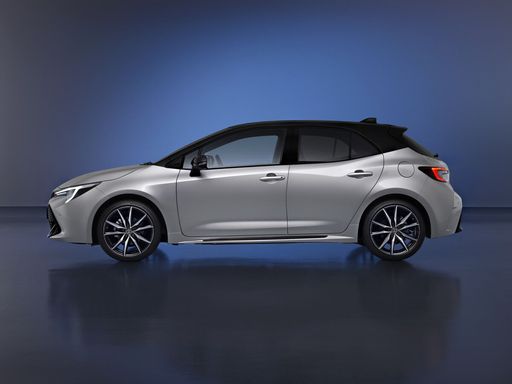
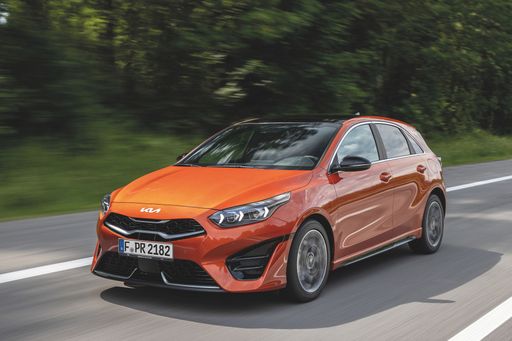
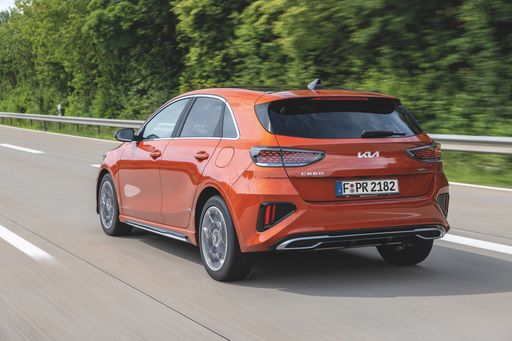
Both the Kia Ceed and Toyota Corolla are hatchbacks that cater to modern aesthetics and practicality. The Kia Ceed measures 4315 mm in length and 1800 mm in width, giving it a sporty stance. The vehicle stands 1447 mm tall and has a trunk capacity of 357 L, making it practical for daily use.

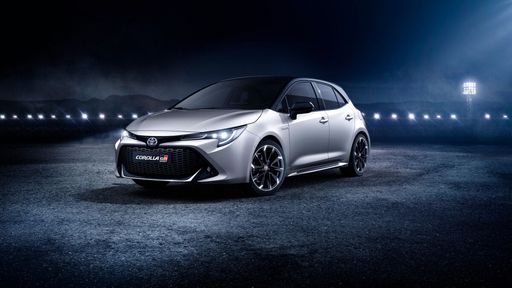
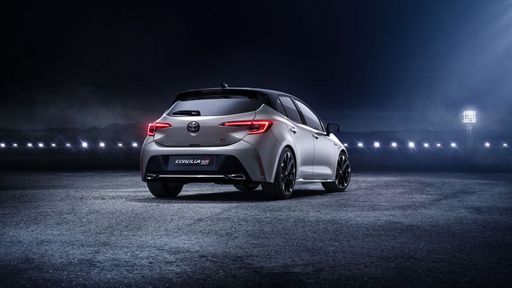
In contrast, the Toyota Corolla is slightly longer at 4370 mm but is narrower at 1790 mm and stands at 1435 mm. It offers a slightly larger trunk capacity of 361 L. Both vehicles provide ample space for up to five passengers, but the Ceed offers a bit more width, which can enhance passenger comfort during longer journeys.

Corolla

Powertrain and Performance

The Kia Ceed offers a choice of petrol engines, with mild hybrid options joining the fray. It comes with two engine sizes: a 1.0-liter 3-cylinder with 100 HP and a 1.5-liter 4-cylinder producing 140 HP. Both engines are coupled with either a manual or a dual-clutch automatic transmission, providing flexibility based on driving preferences. With a top speed of 197 km/h and an acceleration from 0-100 km/h in 9.5 seconds (for the higher engine variant), the Ceed offers a thrilling driving experience.

The Toyota Corolla, on the other hand, focuses on efficiency with its full hybrid system. The 1.8-liter engine generates 140 HP, while the 2.0-liter option produces a robust 196 HP. The Corolla features a Continuously Variable Transmission (CVT), which complements its hybrid system for a smooth driving experience. When pushing for performance, the Corolla can sprint from 0-100 km/h in as fast as 7.5 seconds, showcasing its hybrid power capabilities.

Ceed

Fuel Efficiency and Emissions

In today's environment-conscious climate, fuel efficiency is essential for compact car buyers. The Kia Ceed records a fuel consumption ranging from 6 to 6.4 L/100 km, translating to CO2 emissions of 137 to 146 g/km depending on the engine configuration. This places the Ceed in the CO2 efficiency class E.

In comparison, the Toyota Corolla excels in this department with impressively low fuel consumption figures of 4.4 to 4.6 L/100 km, resulting in CO2 emissions as low as 100 g/km, which lands it in the more favorable CO2 efficiency class C. For environmentally-conscious consumers, the Corolla represents an enticing option.

Corolla

Interior Comfort and Technology

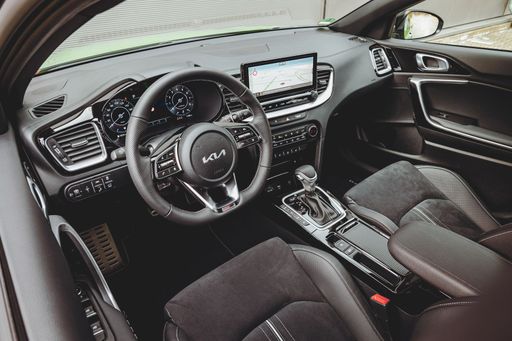
Both the Ceed and Corolla come equipped with an array of modern technology and comfort features. The Kia Ceed's interior feels spacious and features high-quality materials, with intuitive tech integration such as a touchscreen infotainment system that supports Apple CarPlay and Android Auto.

The Toyota Corolla has also advanced in technological integration, offering a user-friendly interface and a digital instrument cluster. Moreover, its build quality is sturdy, which is a hallmark of the brand. Notably, it benefits from Toyota's Safety Sense technology suite, incorporating active safety features that enhance driver and passenger safety.

Ceed

Conclusion: The Verdict

Choosing between the Kia Ceed and the Toyota Corolla ultimately depends on personal preferences and priorities. The Kia Ceed provides a versatile choice of engines, sporty dynamics, and a spacious interior, making it an appealing option for those valuing performance and style. Conversely, the Toyota Corolla shines in fuel efficiency and advanced safety features, appealing to the eco-conscious consumer looking for a reliable daily commuter.

Both vehicles offer a compelling package, yet they cater to slightly different audiences. Whether you lean towards the performance-focused Ceed or the efficiency and safety of the Corolla, each has its own merit in the ever-evolving automotive market.

Here’s where it gets real: The technical differences in detail

Corolla

Costs and Efficiency:

Looking at overall running costs, both models reveal some interesting differences in everyday economy.

Kia Ceed is noticeably cheaper – starting at 23,500 £ , while the Toyota Corolla costs 28,600 £ . That’s a price difference of around 5,100 £.

Fuel consumption also shows a difference: the Toyota Corolla uses 4.4 L/100km and is markedly more efficient than the Kia Ceed with 6 L/100km. The difference is about 1.6 L/100km.

Ceed

Engine and Performance:

Power, torque and acceleration say a lot about how a car feels on the road. This is where you see which model delivers more driving dynamics.

When it comes to engine power, the Toyota Corolla offers clearly more power – delivering 178 HP compared to 140 HP. That’s roughly 38 HP more horsepower.

When accelerating from 0 to 100 km/h, the Toyota Corolla is visibly quicker – completing the sprint in 7.5 s, while the Kia Ceed takes 9.5 s. That’s about 2 s quicker.

Corolla

Space and Everyday Use:

Cabin size, boot volume and payload all play a role in everyday practicality. Here, comfort and flexibility make the difference.

Both vehicles offer seating for 5 people.

In terms of curb weight, Kia Ceed is very slightly lighter – 1,298 kg compared to 1,420 kg. The difference is around 122 kg.

When it comes to payload, the Kia Ceed carries marginally more – 490 kg compared to 450 kg. That’s a difference of about 40 kg.

Who wins the race in the data check?

The Toyota Corolla stands well ahead of its rival in the objective data comparison.
This result only shows which model scores more points on paper – not which of the two cars feels right for you.

from £28,600
Corolla

Toyota Corolla

  • Engine Type : Full Hybrid
  • Transmission : Automatic
  • Drive Type : Front-Wheel Drive
  • Power HP : 140 - 178 HP
  • Consumption L/100km : 4.4 L/100km
Toyota Corolla
Kia Ceed

Costs and Consumption

View detailed analysis

Engine and Performance

View detailed analysis

Dimensions and Body

View detailed analysis

Toyota Corolla

The Toyota Corolla remains the steady, no-nonsense compact that puts reliability and low running costs at the top of your shopping list, with a comfortable, well-built interior that won't embarrass you at the supermarket. It won't set your pulse racing, but it's an honest, easy-to-live-with car that makes smart sense for buyers who want dependability and sensible value with a dash of modern tech.

details

Kia Ceed

The Kia Ceed is a sensible, stylish hatchback that gives buyers more than they'd expect for the money, blending practical space with crisp, modern looks. It drives with measured confidence and comes loaded with user-friendly kit, so you can enjoy daily life behind the wheel without breaking into a sweat.

details
Toyota Corolla
Kia Ceed

Costs and Consumption

Price
28,600 - 34,900 £
Price
23,500 - 26,300 £
Consumption L/100km
4.4 L/100km
Consumption L/100km
6 - 6.4 L/100km
Consumption kWh/100km
-
Consumption kWh/100km
-
Electric Range
-
Electric Range
-
Battery Capacity
-
Battery Capacity
-
co2
100 g/km
co2
137 - 146 g/km
Fuel tank capacity
43 L
Fuel tank capacity
-

Dimensions and Body

Body Type
Hatchback
Body Type
Hatchback
Seats
5
Seats
5
Doors
5
Doors
-
Curb weight
1,420 - 1,460 kg
Curb weight
1,298 - 1,372 kg
Trunk capacity
313 - 361 L
Trunk capacity
-
Length
4,370 mm
Length
-
Width
1,790 mm
Width
1,800 mm
Height
1,435 mm
Height
-
Max trunk capacity
1,004 - 1,052 L
Max trunk capacity
-
Payload
400 - 450 kg
Payload
478 - 490 kg

Engine and Performance

Engine Type
Full Hybrid
Engine Type
Petrol, Petrol MHEV
Transmission
Automatic
Transmission
Manuel, Automatic
Transmission Detail
CVT
Transmission Detail
Manual Gearbox, Dual-Clutch Automatic
Drive Type
Front-Wheel Drive
Drive Type
Front-Wheel Drive
Power HP
140 - 178 HP
Power HP
100 - 140 HP
Acceleration 0-100km/h
7.5 - 9.2 s
Acceleration 0-100km/h
9.5 - 13.2 s
Max Speed
180 km/h
Max Speed
-
Torque
-
Torque
172 - 253 Nm
Number of Cylinders
4
Number of Cylinders
3 - 4
Power kW
103 - 131 kW
Power kW
74 - 103 kW
Engine capacity
1,798 - 1,987 cm3
Engine capacity
998 - 1,482 cm3

General

Model Year
2,025
Model Year
2,024
CO2 Efficiency Class
C
CO2 Efficiency Class
E
Brand
Toyota
Brand
Kia
DriveDuel uses data analysis and artificial intelligence to evaluate vehicle data and create content. Content is regularly reviewed and improved. The displayed prices are estimates based on German list prices, adjusted to the respective country’s VAT. Country-specific registration taxes are not included. This information is not legally binding.