VS

Kia Ceed vs Kia Stonic comparison

Compare performance (140 HP vs 115 HP), boot space and price (23,500 £ vs 20,100 £ ) at a glance. Find out which car is the better choice for you – Kia Ceed or Kia Stonic?

Kia Ceed vs Kia Stonic: Key differences

Kia Ceed

  • slightly more power
  • somewhat quicker 0–100 km/h

Kia Stonic

4.6 (2 Reviews)
rate
  • somewhat cheaper
  • only slightly more efficient
  • very slightly lighter

All details on performance, efficiency, range and trunk space can be found in the technical comparison below – including user reviews for both models.

Ceed

In the competitive world of compact cars, the Kia Ceed and Kia Stonic stand out as two exceptional offerings from the South Korean manufacturer. While both models showcase Kia's commitment to quality, performance, and technology, they cater to different segments of drivers. This article delves into the finer details of these two models, comparing their technical specifications, innovations, and overall driving experience.
Stonic

A Closer Look at Body Styles

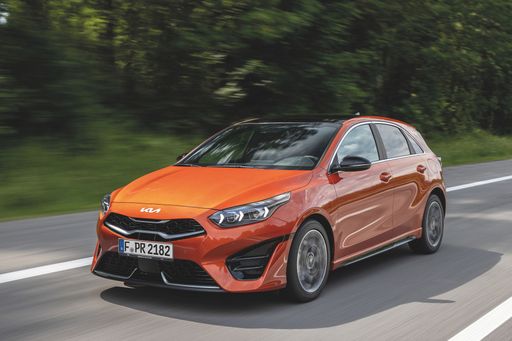
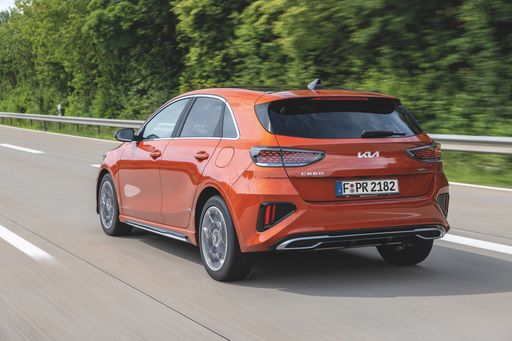
The Kia Ceed comes in a sleek hatchback design, emphasizing a sporty profile that appeals to urban drivers seeking style without sacrificing functionality. With a length of 4315 mm, width of 1800 mm, and a height of 1447 mm, the Ceed strikes a balance between compact agility and spacious interiors.

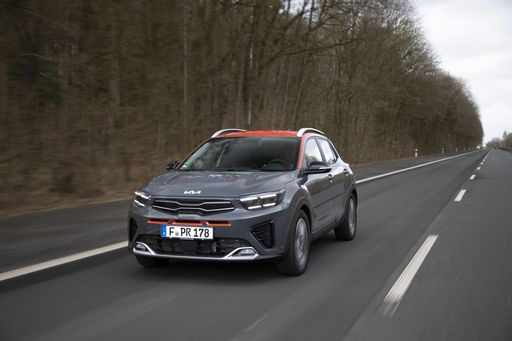
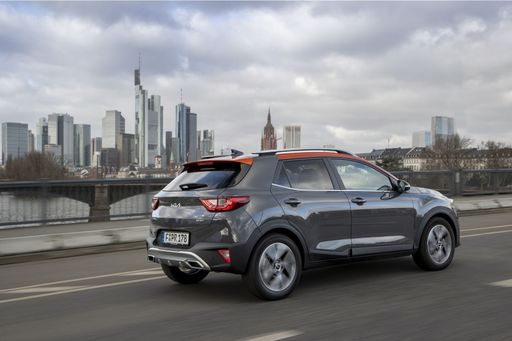
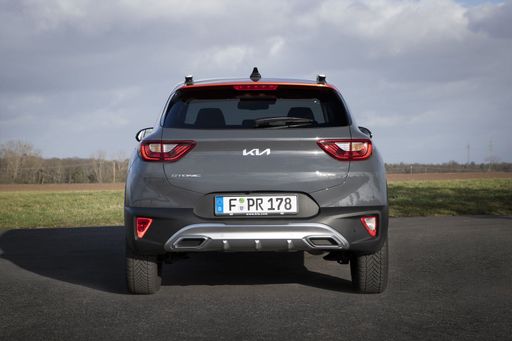
On the other hand, the Kia Stonic adopts the taller and more robust stance of an SUV. Measuring at 4140 mm in length, 1760 mm in width, and 1505 mm in height, the Stonic offers a higher driving position and greater visibility. This makes it particularly appealing to those who prefer a more commanding view of the road.

Ceed

Engine Power and Performance

Both vehicles offer a range of engine options that cater to different driving needs. The Kia Ceed offers two petrol engine variants: a 1.0-litre turbocharged engine with outputs of 100 HP and a more powerful 1.5-litre engine producing 140 HP. Transmission choices include both a manual gearbox and an automatic dual-clutch system, enabling smooth gear changes and responsive driving dynamics. The Ceed can accelerate from 0-100 km/h in as little as 9.5 seconds, showcasing its performance capabilities.

In contrast, the Kia Stonic provides a modest choice of engines, featuring a smaller 1.0-litre option that generates 100 HP and a less powerful variant at 79 HP. Acceleration figures for the Stonic range from 11.3 seconds for the more potent engine to 14.2 seconds for the lower output variant. While the Stonic's powertrain may not be as quick as the Ceed, its appeal lies in its fuel efficiency, with consumption figures ranging from 5.5 to 5.8 L/100 km, depending on the engine selection.

Stonic

Interior Comfort and Technology

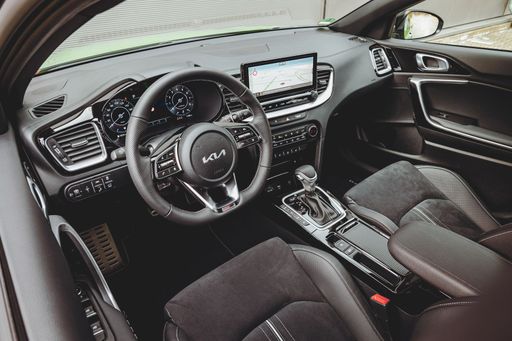
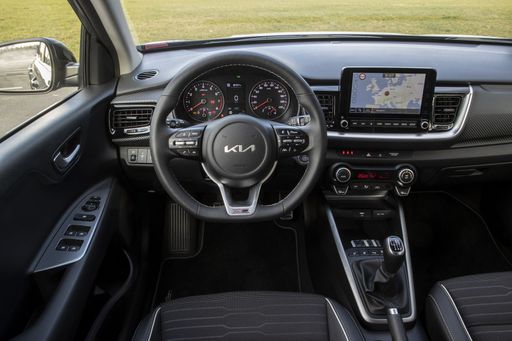
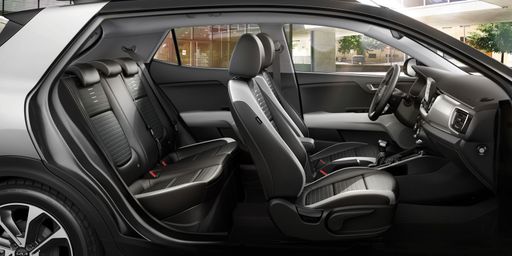
When evaluating the interior, the Kia Ceed offers a spacious cabin designed for comfort and functionality. With a trunk capacity of 357 liters, there's ample space for luggage or groceries, while seating five adults comfortably. The interior features modern technology, including a dual-screen infotainment system featuring Apple CarPlay and Android Auto, ensuring connectivity on the go.

The Kia Stonic's cabin, while slightly smaller with a trunk capacity of 352 liters, is packed with practical features that suit an active lifestyle. The Stonic benefits from a higher driving position, which translates to greater ease of entry and exit. Moreover, it comes equipped with similar tech offerings found in the Ceed, enhancing the overall driving experience.

Ceed

Innovation and Safety Features

In terms of safety, both models boast advanced features. The Kia Ceed is equipped with standard safety technologies, including a suite of driver assistance systems such as lane-keeping assist, forward collision warning, and rear parking sensors. These innovations not only enhance safety but also ease the driving experience.

The Kia Stonic also places a strong emphasis on safety with its array of features. It includes options like blind-spot monitoring and a rearview camera, making it an excellent choice for those concerned about urban driving challenges.

Stonic

Efficiency and Environmental Considerations

When it comes to fuel efficiency, the Stonic leads with an average consumption of 5.5 to 5.8 L/100 km, making it an environmentally friendly choice with CO2 emissions ranging from 125 to 132 g/km. In contrast, the Ceed, while more powerful, has slightly higher consumption rates, averaging between 6.0 to 6.4 L/100 km, with CO2 emissions between 137 and 146 g/km. This difference highlights the Ceed's performance-oriented design versus the Stonic’s eco-friendly appeal.

Final Verdict

Ultimately, the choice between the Kia Ceed and Kia Stonic boils down to individual preferences and requirements. The Ceed is an excellent option for drivers seeking sporty performance and modern technology in a hatchback format. Conversely, the Stonic offers a more elevated driving experience with a comfortable interior and efficient engines suitable for everyday use. Both cars reflect Kia's dedication to quality, innovation, and driver satisfaction, ensuring great value within their respective segments.

Here’s where it gets real: The technical differences in detail

Ceed

Costs and Efficiency:

When it comes to price and running costs, the biggest differences usually appear. This is often where you see which car fits your budget better in the long run.

Kia Stonic is somewhat cheaper – starting at 20,100 £ , while the Kia Ceed costs 23,500 £ . That’s a price difference of around 3,343 £.

Fuel consumption also shows a difference: the Kia Stonic uses 5.6 L/100km and is only slightly more efficient than the Kia Ceed with 6 L/100km. The difference is about 0.4 L/100km.

Stonic

Engine and Performance:

Power, torque and acceleration are the classic benchmarks for car enthusiasts – and here, some clear differences start to show.

When it comes to engine power, the Kia Ceed offers slightly more power – delivering 140 HP compared to 115 HP. That’s roughly 25 HP more horsepower.

When accelerating from 0 to 100 km/h, the Kia Ceed is somewhat quicker – completing the sprint in 9.5 s, while the Kia Stonic takes 10.7 s. That’s about 1.2 s quicker.

There’s also a difference in torque: the Kia Ceed delivers noticeably more torque with 253 Nm compared to 200 Nm. That’s about 53 Nm more.

Ceed

Space and Everyday Use:

Beyond pure performance, interior space and usability matter most in daily life. This is where you see which car is more practical and versatile.

Both vehicles offer seating for 5 people.

In terms of curb weight, Kia Stonic is very slightly lighter – 1,205 kg compared to 1,298 kg. The difference is around 93 kg.

When it comes to payload, the Kia Ceed carries marginally more – 490 kg compared to 445 kg. That’s a difference of about 45 kg.

Who wins the race in the data check?

The Kia Ceed is clearly superior overall in the objective data comparison.
This result only shows which model scores more points on paper – not which of the two cars feels right for you.

from £23,500
Ceed

Kia Ceed

  • Engine Type : Petrol, Petrol MHEV
  • Transmission : Manuel, Automatic
  • Drive Type : Front-Wheel Drive
  • Power HP : 100 - 140 HP
  • Consumption L/100km : 6 - 6.4 L/100km
Kia Ceed
Kia Stonic

Costs and Consumption

View detailed analysis

Engine and Performance

View detailed analysis

Dimensions and Body

View detailed analysis

Kia Ceed

The Kia Ceed is a sensible, stylish hatchback that gives buyers more than they'd expect for the money, blending practical space with crisp, modern looks. It drives with measured confidence and comes loaded with user-friendly kit, so you can enjoy daily life behind the wheel without breaking into a sweat.

details

Kia Stonic

The Kia Stonic is a sprightly compact crossover that mixes city-friendly agility with a cheeky, modern design — perfect for buyers who want style without sacrificing sense. Inside it serves up clever practicality and a bright, well-equipped cabin, making everyday driving feel a bit more fun than it has any right to be.

details
Kia Ceed
Kia Stonic

Costs and Consumption

Price
23,500 - 26,300 £
Price
20,100 - 26,600 £
Consumption L/100km
6 - 6.4 L/100km
Consumption L/100km
5.6 - 5.9 L/100km
Consumption kWh/100km
-
Consumption kWh/100km
-
Electric Range
-
Electric Range
-
Battery Capacity
-
Battery Capacity
-
co2
137 - 146 g/km
co2
127 - 133 g/km
Fuel tank capacity
-
Fuel tank capacity
45 L

Dimensions and Body

Body Type
Hatchback
Body Type
SUV
Seats
5
Seats
5
Doors
-
Doors
5
Curb weight
1,298 - 1,372 kg
Curb weight
1,205 - 1,270 kg
Trunk capacity
-
Trunk capacity
352 L
Length
-
Length
4,165 mm
Width
1,800 mm
Width
1,760 mm
Height
-
Height
1,520 mm
Max trunk capacity
-
Max trunk capacity
1,155 L
Payload
478 - 490 kg
Payload
440 - 445 kg

Engine and Performance

Engine Type
Petrol, Petrol MHEV
Engine Type
Petrol, Petrol MHEV
Transmission
Manuel, Automatic
Transmission
Manuel, Automatic
Transmission Detail
Manual Gearbox, Dual-Clutch Automatic
Transmission Detail
Manual Gearbox, Dual-Clutch Automatic
Drive Type
Front-Wheel Drive
Drive Type
Front-Wheel Drive
Power HP
100 - 140 HP
Power HP
100 - 115 HP
Acceleration 0-100km/h
9.5 - 13.2 s
Acceleration 0-100km/h
10.7 - 12.1 s
Max Speed
-
Max Speed
179 - 182 km/h
Torque
172 - 253 Nm
Torque
172 - 200 Nm
Number of Cylinders
3 - 4
Number of Cylinders
3
Power kW
74 - 103 kW
Power kW
74 - 85 kW
Engine capacity
998 - 1,482 cm3
Engine capacity
998 cm3

General

Model Year
2,024
Model Year
2,025
CO2 Efficiency Class
E
CO2 Efficiency Class
D
Brand
Kia
Brand
Kia
DriveDuel uses data analysis and artificial intelligence to evaluate vehicle data and create content. Content is regularly reviewed and improved. The displayed prices are estimates based on German list prices, adjusted to the respective country’s VAT. Country-specific registration taxes are not included. This information is not legally binding.