VS

Toyota RAV4 vs Lexus NX comparison

Compare performance (306 HP vs 292 HP), boot space and price (37,700 £ vs 46,000 £ ) at a glance. Find out which car is the better choice for you – Toyota RAV4 or Lexus NX?

Toyota RAV4 vs Lexus NX: Key differences

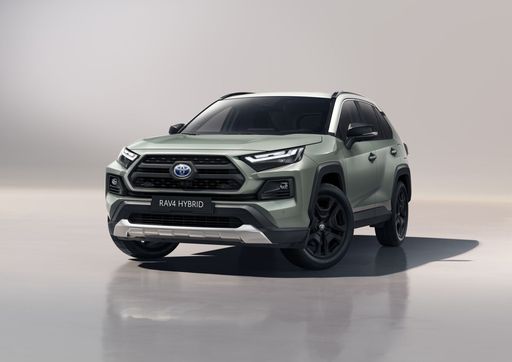
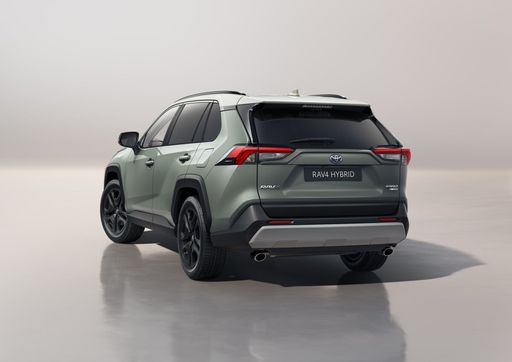
Toyota RAV4

4.8 (8 Reviews)
rate
  • noticeably cheaper
  • marginally more power
  • significantly more efficient
  • only slightly more electric range
  • very slightly quicker 0–100 km/h
  • only slightly lighter
details

Lexus NX

4.8 (11 Reviews)
rate
details

All details on performance, efficiency, range and trunk space can be found in the technical comparison below – including user reviews for both models.

By Achim Sedelmaier

RAV4

Overview

The segment of compact SUVs continues to thrive, and two prominent models that stand out are the Lexus NX and Toyota RAV4. Both vehicles illustrate their brands' commitment to quality, innovation, and efficiency. In this comparison, we delve into the technical aspects, innovations, and key features that differentiate the two, lending potential buyers an insightful perspective.

NX

Performance and Engine Options

The Lexus NX offers an impressive lineup of powertrains, including Full Hybrid and Plugin Hybrid options. The power output ranges from 244 HP to a robust 309 HP, depending on the chosen variant. The NX boasts an efficient fuel consumption of approximately 5.7 L/100km for its hybrid variants, making it an attractive choice for eco-conscious drivers. With a 0-100 km/h acceleration time of 8.7 seconds for the entry-level model and hitting as low as 6.3 seconds for high-performance models, the NX proves to be a capable performer on the road.

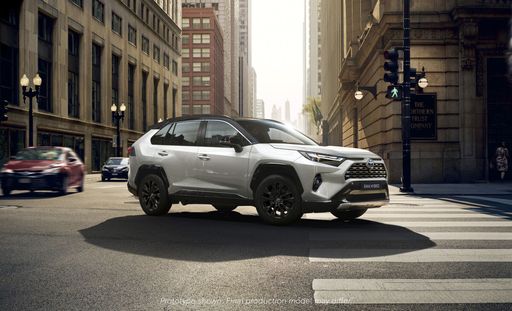
In comparison, the Toyota RAV4 presents a strong lineup as well, featuring both Full Hybrid and Plugin Hybrid engines. The RAV4’s power output varies from 218 HP to 306 HP, slightly less than its Lexus counterpart but still impressive. The vehicle showcases excellent fuel efficiency with a consumption rate of around 5.6 L/100km and similarly competitive acceleration times, achieving 0-100 km/h in as little as 6 seconds.

RAV4

Dimensions and Design

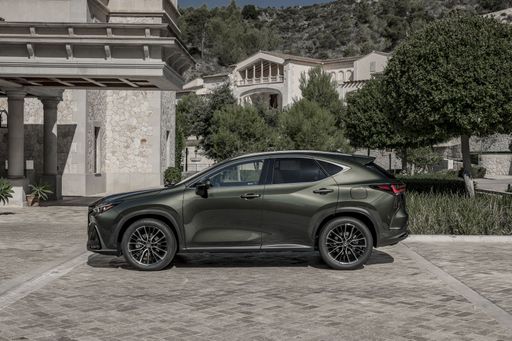
Dimensions can often sway a buyer's decision, and both the Lexus NX and Toyota RAV4 are designed with spaciousness in mind. The NX measures 4660 mm in length, 1865 mm in width, and 1670 mm in height, while the RAV4 measures slightly less at 4600 mm in length and 1855 mm in width, but stands taller at 1685 mm. This results in a more commanding view from the RAV4.

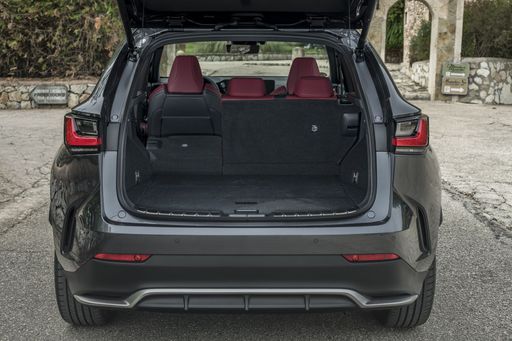
In terms of trunk capacity, the RAV4 takes the lead with a total of 580 L compared to 545 L in the NX. This additional space can be beneficial for families or those in need of extra cargo space. Both vehicles, however, offer five seats, ensuring ample space for passengers, regardless of the model chosen.

NX

Driving Dynamics and Comfort

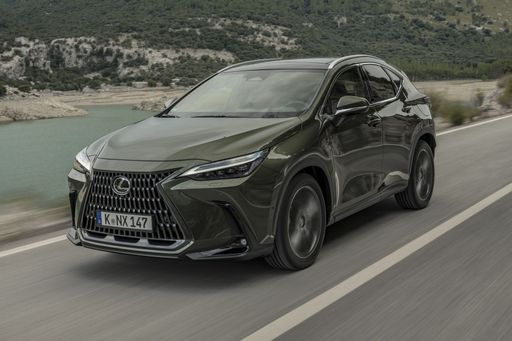
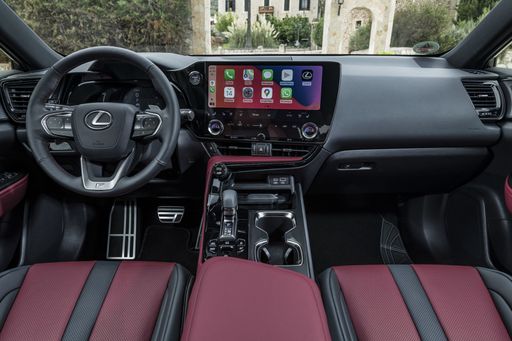
When it comes to driving dynamics, the Lexus NX integrates a sophisticated suspension system, which enhances ride quality and comfort. The quiet cabin and refined interior reflect Lexus's luxury heritage, providing an upscale experience that prioritizes passenger comfort.

The RAV4, known for its rugged practicality, leans towards a more robust driving experience. It delivers a reliable and composed ride, suitable for both city driving and off-road adventures. While the RAV4 is not as luxurious as the NX, it makes up for it with exceptional value and practicality.

RAV4

Innovative Features and Technology

Both vehicles are equipped with cutting-edge technology and safety features. The Lexus NX showcases a sophisticated infotainment system with a large touchscreen, premium audio options, and advanced navigation systems. The inclusion of Lexus Safety System+ ensures features like adaptive cruise control, lane departure alert, and pre-collision systems are standard.

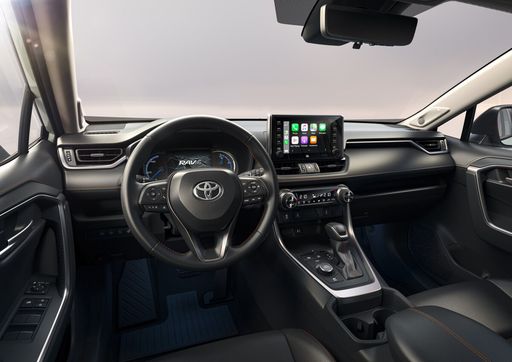
The Toyota RAV4 is also well-equipped, featuring an intuitive infotainment interface, a variety of driver-assistance technologies via Toyota Safety Sense, and optional features like a panoramic sunroof and upgraded audio systems. These technologies contribute to an enriched driving experience that emphasizes safety and connectivity.

NX

Conclusion

Both the Lexus NX and Toyota RAV4 present compelling choices in the compact SUV market. The NX caters to those seeking an upscale driving experience with luxury touches, higher power output, and refined comfort. Meanwhile, the RAV4 appeals to practicality, offering an impressive cargo capacity, slightly better fuel efficiency, and overall rugged capability.

Your choice ultimately depends on prioritizing performance and luxury or practicality and value. Regardless of what you choose, both models ensure an engaging driving experience that embodies the ethos of their respective brands.

Here’s where it gets real: The technical differences in detail

RAV4

Costs and Efficiency:

When it comes to price and running costs, the biggest differences usually appear. This is often where you see which car fits your budget better in the long run.

Toyota RAV4 is noticeably cheaper – starting at 37,700 £ , while the Lexus NX costs 46,000 £ . That’s a price difference of around 8,323 £.

Fuel consumption also shows a difference: the Toyota RAV4 uses 1 L/100km and is significantly more efficient than the Lexus NX with 2.9 L/100km. The difference is about 1.9 L/100km.

As for electric range, the Toyota RAV4 offers only slightly more range – reaching up to 75 km, about 3 km more than the Lexus NX.

NX

Engine and Performance:

Power, torque and acceleration say a lot about how a car feels on the road. This is where you see which model delivers more driving dynamics.

When it comes to engine power, the Toyota RAV4 offers marginally more power – delivering 306 HP compared to 292 HP. That’s roughly 14 HP more horsepower.

When accelerating from 0 to 100 km/h, the Toyota RAV4 is very slightly quicker – completing the sprint in 6 s, while the Lexus NX takes 6.4 s. That’s about 0.4 s quicker.

RAV4

Space and Everyday Use:

Cabin size, boot volume and payload all play a role in everyday practicality. Here, comfort and flexibility make the difference.

Both vehicles offer seating for 5 people.

In terms of curb weight, Toyota RAV4 is only slightly lighter – 1,745 kg compared to 1,805 kg. The difference is around 60 kg.

When it comes to payload, the Toyota RAV4 carries slightly more – 600 kg compared to 515 kg. That’s a difference of about 85 kg.

Who wins the race in the data check?

The Toyota RAV4 is clearly superior overall in the objective data comparison.
This result only shows which model scores more points on paper – not which of the two cars feels right for you.

from £37,700
RAV4

Toyota RAV4

  • Engine Type : Full Hybrid, Plugin Hybrid
  • Transmission : Automatic
  • Drive Type : Front-Wheel Drive, All-Wheel Drive
  • Power HP : 218 - 306 HP
  • Consumption L/100km : 1 - 5.6 L/100km
  • Electric Range : 75 km
Toyota RAV4
Lexus NX

Costs and Consumption

View detailed analysis

Engine and Performance

View detailed analysis

Dimensions and Body

View detailed analysis

Toyota RAV4

The Toyota RAV4 is a pragmatic, family-friendly SUV that pairs impressively low running costs in hybrid form with a relaxed, motorway-friendly ride and a generous rear seat and boot that make everyday life easy. Its cabin leans toward practicality rather than polish—expect plenty of hard plastics and a tidy infotainment system that’s quick to respond but buries some climate functions in a touchscreen and can nag with drive‑recorder popups, so buyers wanting a premium feel or sporty dynamics should look elsewhere.

details

Lexus NX

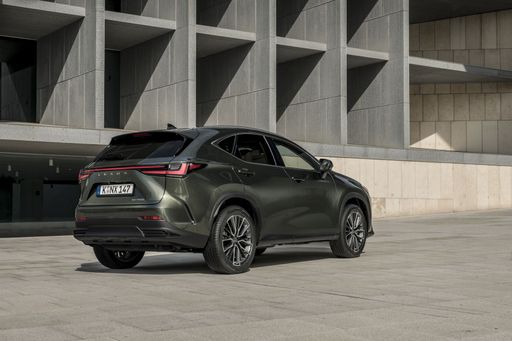
The Lexus NX wraps striking, chiseled styling around a cabin that feels more crafted living room than utility vehicle, with soft materials and user-friendly tech that give it genuine premium cachet. On the road it's composed and quietly confident, trading sporty pretensions for a refined, easygoing personality that will suit buyers who want luxury without fuss — with a little Lexus flair to make daily commutes feel special.

details
Toyota RAV4
Lexus NX

Costs and Consumption

Price
37,700 - 55,700 £
Price
46,000 - 64,300 £
Consumption L/100km
1 - 5.6 L/100km
Consumption L/100km
2.9 - 5.9 L/100km
Consumption kWh/100km
-
Consumption kWh/100km
-
Electric Range
75 km
Electric Range
72 km
Battery Capacity
-
Battery Capacity
-
co2
22 - 128 g/km
co2
65 - 134 g/km
Fuel tank capacity
-
Fuel tank capacity
-

Dimensions and Body

Body Type
SUV
Body Type
SUV
Seats
5
Seats
5
Doors
-
Doors
-
Curb weight
1,745 - 1,910 kg
Curb weight
1,805 - 2,065 kg
Trunk capacity
520 - 580 L
Trunk capacity
-
Length
-
Length
-
Width
1,855 mm
Width
1,865 mm
Height
-
Height
-
Max trunk capacity
-
Max trunk capacity
-
Payload
390 - 600 kg
Payload
475 - 515 kg

Engine and Performance

Engine Type
Full Hybrid, Plugin Hybrid
Engine Type
Full Hybrid, Plugin Hybrid
Transmission
Automatic
Transmission
Automatic
Transmission Detail
CVT
Transmission Detail
CVT
Drive Type
Front-Wheel Drive, All-Wheel Drive
Drive Type
Front-Wheel Drive, All-Wheel Drive
Power HP
218 - 306 HP
Power HP
200 - 292 HP
Acceleration 0-100km/h
6 - 8.4 s
Acceleration 0-100km/h
6.4 - 8.8 s
Max Speed
-
Max Speed
-
Torque
-
Torque
-
Number of Cylinders
4
Number of Cylinders
4
Power kW
160 - 225 kW
Power kW
147 - 215 kW
Engine capacity
2,487 cm3
Engine capacity
2,487 cm3

General

Model Year
2,024 - 2,025
Model Year
2025
CO2 Efficiency Class
D, B
CO2 Efficiency Class
D, B
Brand
Toyota
Brand
Lexus
DriveDuel uses data analysis and artificial intelligence to evaluate vehicle data and create content. Content is regularly reviewed and improved. The displayed prices are estimates based on German list prices, adjusted to the respective country’s VAT. Country-specific registration taxes are not included. This information is not legally binding.