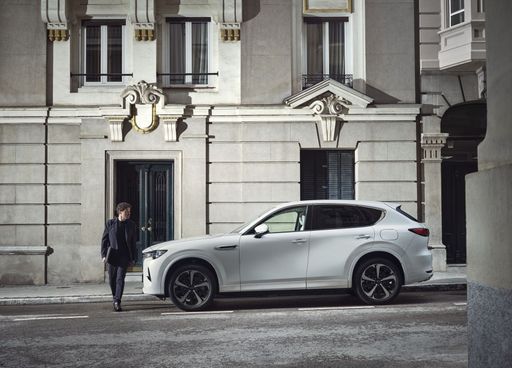
VS

Toyota RAV4 vs Mazda CX-60 comparison

Compare performance (306 HP vs 327 HP), boot space and price (35,100 £ vs 43,700 £ ) at a glance. Find out which car is the better choice for you – Toyota RAV4 or Mazda CX-60?

Toyota RAV4 vs Mazda CX-60: Key differences

Toyota RAV4

4.8 (6 Reviews)
rate
  • markedly cheaper
  • clearly more efficient
  • slightly more electric range
  • barely lighter
  • marginally more trunk space

Mazda CX-60

4.6 (7 Reviews)
rate
  • barely more power
  • very slightly quicker 0–100 km/h

All details on performance, efficiency, range and trunk space can be found in the technical comparison below – including user reviews for both models.

RAV4

Two SUVs, Two Moods

The Mazda CX-60 and the Toyota RAV4 enter the ring with very different game plans: one leans into crafted style and driver poise, the other trades glamour for everyday competence and predictability. The CX-60 feels like a car that wants to be noticed for its interior finish and how it steers, while the RAV4 projects a lived-in reliability that parents and daily commuters recognize instantly. Think of them as personalities more than spreadsheets—Mazda's the quietly confident talker, Toyota the steady conversationalist who never misses a meeting. This duel is less about proving one right and more about matching temperament to owner.
CX-60

Polish Versus Practicality

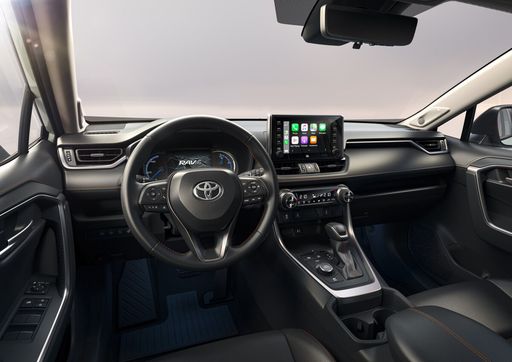
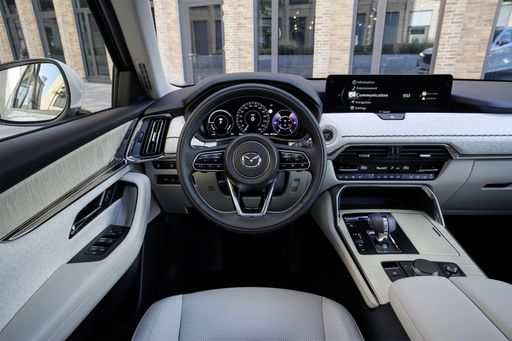
Mazda dresses its SUV up with materials and a cabin that aim to feel a touch more premium than the segment norm, rewarding anyone who values tactile quality and a composed ride. The RAV4 cuts a different silhouette: functional lines, easy-access controls and a no-fuss layout that suits hands-on use and carry-on chaos. Where the CX-60 invites you to enjoy the act of driving, the RAV4 quietly gets on with transporting people and stuff with minimal drama. Both have personality — just applied to very different parts of daily life.

RAV4

Living With It Day to Day

For the weekday grind and weekend escapes the CX-60 offers a cabin you’ll enjoy sitting in for long stretches, with suspension and seating that favor calm, involved miles rather than outright sportiness. The RAV4 answers with straightforward ergonomics, easy loading and a sense that nobody needs to read a manual to make it useful; it’s built for getting on with life. Practicalities like ingress, visibility and usable storage tilt in favour of the car that keeps things simple, while the other rewards a more considered ownership experience. Choose whether you want fuss-free utility or a nicer place to spend your commute.

CX-60

What You’ll Tell Yourself (and Others)

If you pick the Mazda you’ll probably justify it as “I wanted something nicer to drive” and mean it — it reads like a deliberate purchase for taste and feel rather than bargain hunting. Picking the RAV4 comes with a different kind of confidence: a quiet, defensible choice that says you value low-stress ownership and predictable results. One purchase is a lifestyle detail, the other is a sensible decision that keeps future-you out of hassle. Neither choice is apologetic; they simply speak to different priorities.

RAV4

Who the Mazda Suits

The CX-60 is aimed at drivers who care about cabin atmosphere and a composed, slightly upscale experience — people who enjoy their daily miles and like their car to reflect a bit of personality. It’s a strong candidate for city-to-country commuters, style-conscious couples, or solo buyers who prize a nicer interior and measured road manners. If you want something that feels personal and a little special, this is the side of the duel to lean toward. It’s less about max practicality and more about enjoying the journey.

CX-60

Who the Toyota Suits

The RAV4 will appeal to shoppers who prize usability, straightforward ownership and a car that simply works for family life and long commutes — the kind of buyer who notices convenience, not chrome. If Mazda’s subtly bespoke approach feels like dressing up, the RAV4 is the durable jacket you can toss on without thinking, and it pairs well with busy households and practical routines. Consider it for sensible decision-makers and anyone who wants predictable day-to-day value without ceremony. The duel’s up to you — decide which personality fits your life and then dig into the details to settle the score.

Here’s where it gets real: The technical differences in detail

RAV4

Costs and Efficiency:

Price and efficiency are key factors when choosing a car – and this is often where the real differences emerge.

Toyota RAV4 is markedly cheaper – starting at 35,100 £ , while the Mazda CX-60 costs 43,700 £ . That’s a price difference of around 8,537 £.

Fuel consumption also shows a difference: the Toyota RAV4 uses 1 L/100km and is clearly more efficient than the Mazda CX-60 with 3.8 L/100km. The difference is about 2.8 L/100km.

As for electric range, the Toyota RAV4 offers slightly more range – reaching up to 75 km, about 12 km more than the Mazda CX-60.

CX-60

Engine and Performance:

Power, torque and acceleration say a lot about how a car feels on the road. This is where you see which model delivers more driving dynamics.

When it comes to engine power, the Mazda CX-60 offers barely more power – delivering 327 HP compared to 306 HP. That’s roughly 21 HP more horsepower.

When accelerating from 0 to 100 km/h, the Mazda CX-60 is very slightly quicker – completing the sprint in 5.8 s, while the Toyota RAV4 takes 6 s. That’s about 0.2 s quicker.

RAV4

Space and Everyday Use:

Cabin size, boot volume and payload all play a role in everyday practicality. Here, comfort and flexibility make the difference.

Both vehicles offer seating for 5 people.

In terms of curb weight, Toyota RAV4 is barely lighter – 1,745 kg compared to 1,890 kg. The difference is around 145 kg.

Looking at boot space, the Toyota RAV4 offers marginally more boot space – 580 L compared to 570 L. That’s a difference of about 10 L.

When it comes to payload, the Mazda CX-60 carries very slightly more – 612 kg compared to 600 kg. That’s a difference of about 12 kg.

Who wins the race in the data check?

The Toyota RAV4 is clearly superior overall in the objective data comparison.
This result only shows which model scores more points on paper – not which of the two cars feels right for you.

from £35,100
RAV4

Toyota RAV4

  • Engine Type : Full Hybrid, Plugin Hybrid
  • Transmission : Automatic
  • Drive Type : Front-Wheel Drive, All-Wheel Drive
  • Power HP : 218 - 306 HP
  • Consumption L/100km : 1 - 5.6 L/100km
  • Electric Range : 75 km
Toyota RAV4
Mazda CX-60

Costs and Consumption

View detailed analysis

Engine and Performance

View detailed analysis

Dimensions and Body

View detailed analysis

Toyota RAV4

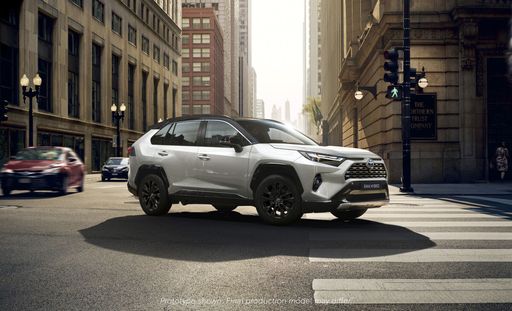
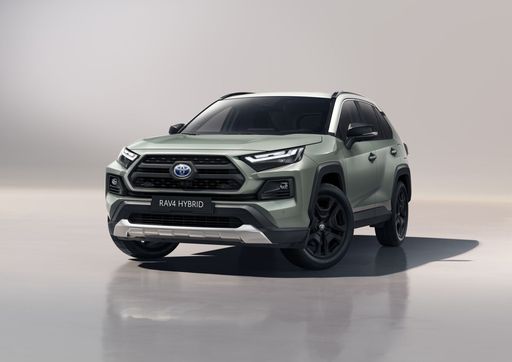
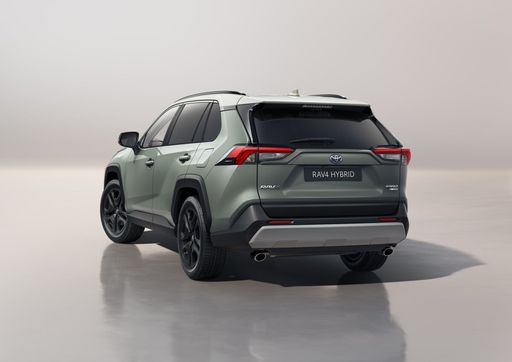
The Toyota RAV4 feels like a sensible friend on the road, marrying dependable practicality with a dash of SUV personality that keeps daily driving from turning dull. Comfortable and easy to live with, it looks tough without shouting and quietly gets the job done — a sensible pick for buyers who want versatility without drama.

details

Mazda CX-60

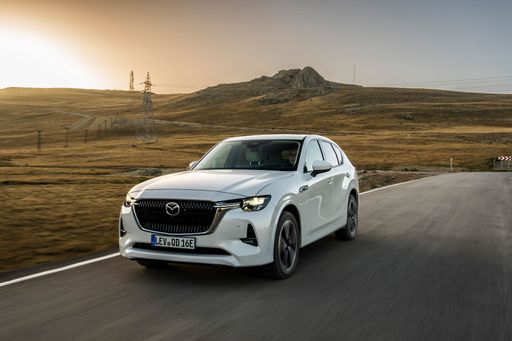
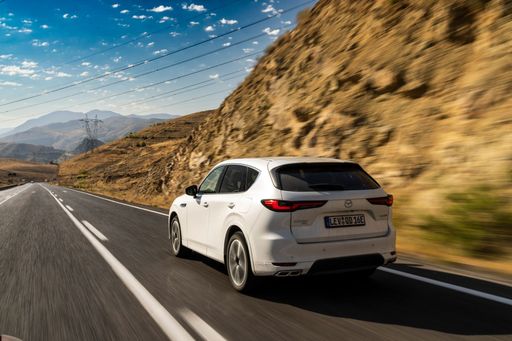
The Mazda CX-60 pairs sculpted, understated looks with poised handling and a cabin that punches above its class, making long drives feel unexpectedly civilized. For buyers who want a premium feel without the showroom swagger, it's the sort of car that earns respect quietly — and still manages a wink when you push on.

details
Toyota RAV4
Mazda CX-60

Costs and Consumption

Price
35,100 - 55,700 £
Price
43,700 - 57,900 £
Consumption L/100km
1 - 5.6 L/100km
Consumption L/100km
3.8 - 5.2 L/100km
Consumption kWh/100km
-
Consumption kWh/100km
-
Electric Range
75 km
Electric Range
63 km
Battery Capacity
-
Battery Capacity
-
co2
22 - 128 g/km
co2
85 - 137 g/km
Fuel tank capacity
55 L
Fuel tank capacity
-

Dimensions and Body

Body Type
SUV
Body Type
SUV
Seats
5
Seats
5
Doors
5
Doors
-
Curb weight
1,745 - 1,910 kg
Curb weight
1,890 - 2,055 kg
Trunk capacity
520 - 580 L
Trunk capacity
570 L
Length
4,600 mm
Length
-
Width
1,855 mm
Width
1,890 mm
Height
1,685 mm
Height
-
Max trunk capacity
1,604 - 1,690 L
Max trunk capacity
-
Payload
390 - 600 kg
Payload
581 - 612 kg

Engine and Performance

Engine Type
Full Hybrid, Plugin Hybrid
Engine Type
Plugin Hybrid, Diesel MHEV
Transmission
Automatic
Transmission
Automatic
Transmission Detail
CVT
Transmission Detail
Automatic Gearbox
Drive Type
Front-Wheel Drive, All-Wheel Drive
Drive Type
All-Wheel Drive, Rear-Wheel Drive
Power HP
218 - 306 HP
Power HP
200 - 327 HP
Acceleration 0-100km/h
6 - 8.4 s
Acceleration 0-100km/h
5.8 - 8.4 s
Max Speed
180 km/h
Max Speed
-
Torque
-
Torque
450 - 550 Nm
Number of Cylinders
4
Number of Cylinders
4 - 6
Power kW
160 - 225 kW
Power kW
147 - 241 kW
Engine capacity
2,487 cm3
Engine capacity
2,488 - 3,283 cm3

General

Model Year
2,024 - 2,025
Model Year
2,025
CO2 Efficiency Class
D, B
CO2 Efficiency Class
B, D, E
Brand
Toyota
Brand
Mazda
DriveDuel uses data analysis and artificial intelligence to evaluate vehicle data and create content. Content is regularly reviewed and improved. The displayed prices are estimates based on German list prices, adjusted to the respective country’s VAT. Country-specific registration taxes are not included. This information is not legally binding.