VS

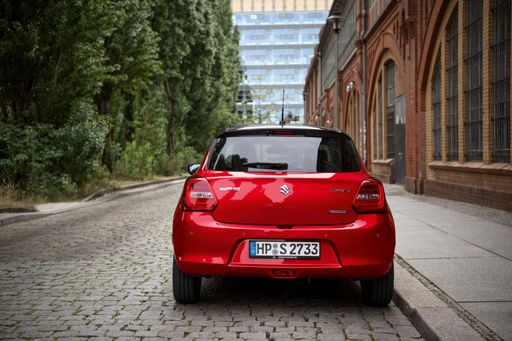
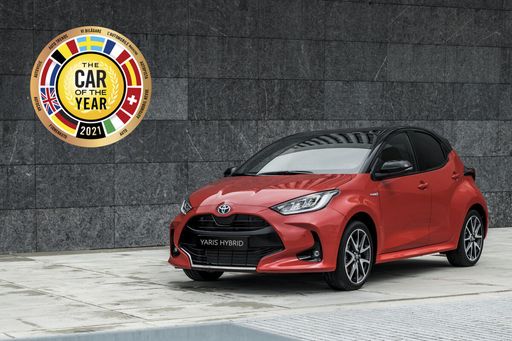
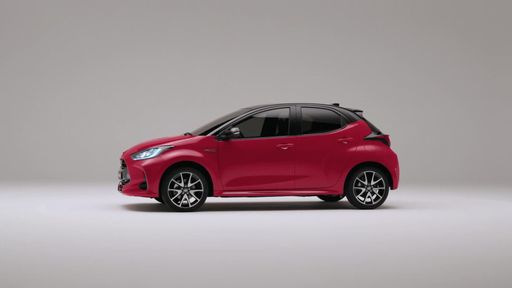
Toyota Yaris vs Suzuki Swift comparison

Compare performance (280 HP vs 82 HP), boot space and price (21,900 £ vs 17,100 £ ) at a glance. Find out which car is the better choice for you – Toyota Yaris or Suzuki Swift?

Toyota Yaris vs Suzuki Swift: Key differences

Toyota Yaris

4 (5 Reviews)
rate
  • clearly more power
  • slightly more efficient
details

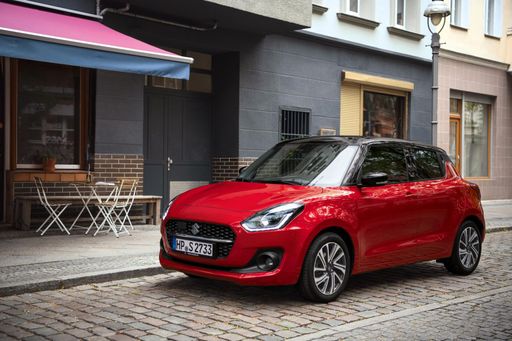
Suzuki Swift

4.2 (4 Reviews)
rate
  • clearly cheaper
  • barely lighter
details

All details on performance, efficiency, range and trunk space can be found in the technical comparison below – including user reviews for both models.

By Achim Sedelmaier

Yaris

Suzuki Swift VS Toyota Yaris: small hatch showdown for real-world buyers

The Suzuki Swift and Toyota Yaris meet in the city-car sweet spot, where easy parking and low bills matter most. Suzuki Swift VS Toyota Yaris is ultimately a trade-off between upfront price and hybrid serenity. The Swift leans into lightweight simplicity and cheerful agility, while the Yaris brings a polished hybrid experience and a deeper roster of driver assists. Both are compact five-doors, but they go about daily life with very different personalities. Here’s how those differences feel when you actually live with them.
Swift

Driving character: playful vs calming

The Suzuki Swift feels light on its feet, with quick responses and steering that invites you to thread through traffic or enjoy a flowing back road. Its mild-hybrid petrol setup is straightforward and happiest when you keep momentum, making the Swift feel eager rather than muscular. The Toyota Yaris majors on calm progress: the hybrid eases away smoothly, often gliding electrically in town, and it takes the stress out of stop-start crawls. Push the Yaris and the e‑CVT can sound busy, but driven sensibly it’s soothing and very easy to meter. If you want playful engagement, the Swift suits; if you want effortlessness, the Yaris nails it.

Yaris

Comfort and long-distance manners

On a motorway, the Toyota Yaris settles into a more relaxed rhythm, helped by well-integrated assistance features that take the edge off longer stints. The Suzuki Swift is stable, but road and wind noise are more present and you’ll plan overtakes more deliberately, especially with passengers and luggage. Rougher urban surfaces can make both jiggle, yet the Yaris generally feels denser and more tied down, while the Swift’s lighter build can fidget over sharp edges. If your week includes regular dual-carriageway runs, the Yaris is the quieter, less tiring choice; for shorter hops, the Swift’s simplicity rarely grates.

Swift

Cabin feel, tech and perceived quality

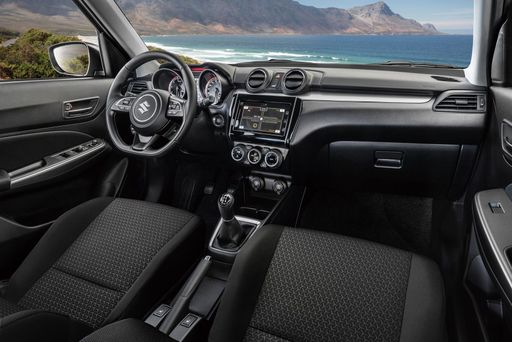
The Toyota Yaris now feels notably more modern to use: snappy infotainment, crisp graphics and a cohesive digital cockpit lend it a grown-up vibe. The Suzuki Swift counters with lots of physical buttons and clear ergonomics, making everyday tasks quick and fuss-free, though its screen responses and menus feel a generation older. Materials are harder in both, but the Yaris’ fit and finish typically read as a touch more robust, while the Swift’s cabin trades plushness for straightforward practicality. Visibility differs too: the Swift’s big windows help in traffic, whereas the Yaris’ thick rear pillars mean you lean more on the camera. If you value contemporary tech polish and assistance depth, the Yaris has the edge; if you prefer tactile controls and instant familiarity, the Swift suits better.

Space, boot use and daily practicality

Neither is a mini moving van, but their compromises are distinct. The Suzuki Swift makes decent use of its footprint for four adults, yet its boot has a high loading lip and a step when the seats fold, which complicates bulky items. The Toyota Yaris’ rear bench feels tighter for knees and heads, and its taller, narrower boot shape limits floor area; tie-down points are notably absent. In tight streets both are a breeze to park, though the Swift’s glasshouse gives it a natural advantage when nosing into gaps. A bonus card for the Swift is the optional AllGrip all-wheel drive, a rare safety net in this class for buyers in snowy or hilly regions.

Costs, efficiency and who each car suits

The Suzuki Swift undercuts the Toyota Yaris by a clear margin and arrives well equipped, making it an easy recommendation if purchase price is front and center. The Yaris asks more up front, but its hybrid system sips less fuel in town and brings a strong safety-and-assist package plus the lure of Toyota’s long-term warranty scheme when serviced in-network. Safety-conscious buyers will also note the Swift’s lower recent crash-test standing and test-criticized braking feel, areas where the Yaris projects more confidence. Put simply, urban commuters who prize fuel savings, assistance tech and a calmer drive gravitate to the Yaris, while budget-minded drivers—and those facing wintery roads—will appreciate the Swift’s low entry price, nimbleness and available AWD. If that split matches your priorities, the detailed specs that follow will make the trade-offs even clearer.

Here’s where it gets real: The technical differences in detail

Yaris

Costs and Efficiency:

Looking at overall running costs, both models reveal some interesting differences in everyday economy.

Suzuki Swift is clearly cheaper – starting at 17,100 £ , while the Toyota Yaris costs 21,900 £ . That’s a price difference of around 4,715 £.

Fuel consumption also shows a difference: the Toyota Yaris uses 3.8 L/100km and is slightly more efficient than the Suzuki Swift with 4.4 L/100km. The difference is about 0.6 L/100km.

Swift

Engine and Performance:

Under the bonnet, it becomes clear which model is tuned for sportiness and which one takes the lead when you hit the accelerator.

When it comes to engine power, the Toyota Yaris offers clearly more power – delivering 280 HP compared to 82 HP. That’s roughly 198 HP more horsepower.

There’s also a difference in torque: the Toyota Yaris delivers substantially more torque with 390 Nm compared to 112 Nm. That’s about 278 Nm more.

Yaris

Space and Everyday Use:

Beyond pure performance, interior space and usability matter most in daily life. This is where you see which car is more practical and versatile.

Both vehicles offer seating for 5 people.

In terms of curb weight, Suzuki Swift is barely lighter – 1,069 kg compared to 1,090 kg. The difference is around 21 kg.

When it comes to payload, the Toyota Yaris carries substantially more – 525 kg compared to 296 kg. That’s a difference of about 229 kg.

Who wins the race in the data check?

The Toyota Yaris stands well ahead of its rival in the objective data comparison.
This result only shows which model scores more points on paper – not which of the two cars feels right for you.

from £21,900
Yaris

Toyota Yaris

  • Engine Type : Full Hybrid, Petrol
  • Transmission : Automatic, Manuel
  • Drive Type : Front-Wheel Drive, All-Wheel Drive
  • Power HP : 116 - 280 HP
  • Consumption L/100km : 3.8 - 8.7 L/100km
Toyota Yaris
Suzuki Swift

Costs and Consumption

View detailed analysis

Engine and Performance

View detailed analysis

Dimensions and Body

View detailed analysis

Toyota Yaris

The Yaris is a compact hatchback that blends everyday practicality with Toyota’s long-standing reputation for reliability, making it easy to live with in city traffic. Its nimble handling and sensible interior make the Yaris a smart choice for drivers who want straightforward, fuss-free transport.

details

Suzuki Swift

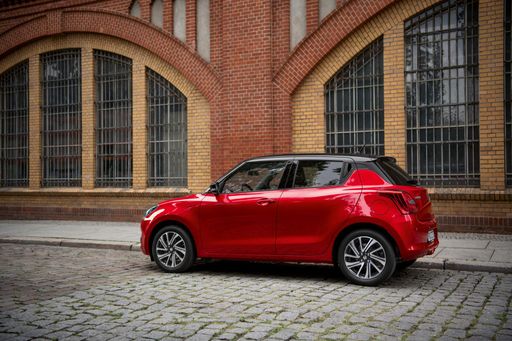
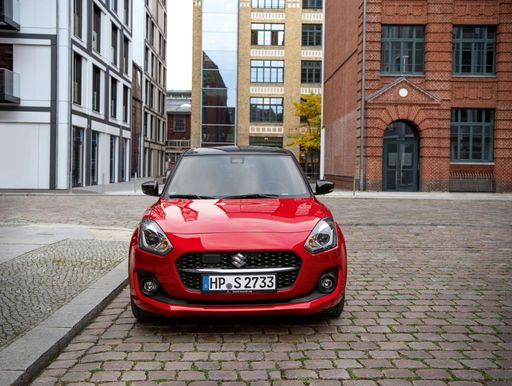
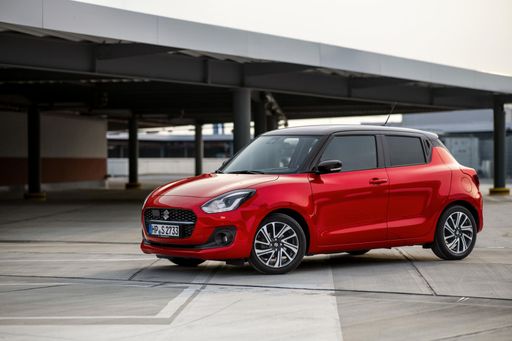
The Suzuki Swift is a cheeky little hatch that turns city streets into its playground with lively handling and a grin-inducing drive. Practical enough for daily chores, thrifty to run and kinder on your wallet than many rivals, it's a sensible pick for buyers who want fun without drama.

details
Toyota Yaris
Suzuki Swift

Costs and Consumption

Price
21,900 - 40,800 £
Price
17,100 - 21,200 £
Consumption L/100km
3.8 - 8.7 L/100km
Consumption L/100km
4.4 - 4.9 L/100km
Consumption kWh/100km
-
Consumption kWh/100km
-
Electric Range
-
Electric Range
-
Battery Capacity
-
Battery Capacity
-
co2
87 - 197 g/km
co2
98 - 110 g/km
Fuel tank capacity
-
Fuel tank capacity
-

Dimensions and Body

Body Type
Hatchback
Body Type
Hatchback
Seats
4 - 5
Seats
5
Doors
-
Doors
-
Curb weight
1,090 - 1,356 kg
Curb weight
1,069 - 1,145 kg
Trunk capacity
141 - 286 L
Trunk capacity
-
Length
-
Length
-
Width
1,745 - 1,805 mm
Width
1,735 mm
Height
-
Height
-
Max trunk capacity
-
Max trunk capacity
-
Payload
289 - 525 kg
Payload
282 - 296 kg

Engine and Performance

Engine Type
Full Hybrid, Petrol
Engine Type
Petrol MHEV
Transmission
Automatic, Manuel
Transmission
Manuel, Automatic
Transmission Detail
CVT, Manual Gearbox
Transmission Detail
Manual Gearbox, CVT
Drive Type
Front-Wheel Drive, All-Wheel Drive
Drive Type
Front-Wheel Drive, All-Wheel Drive
Power HP
116 - 280 HP
Power HP
82 HP
Acceleration 0-100km/h
5.5 - 9.7 s
Acceleration 0-100km/h
-
Max Speed
-
Max Speed
-
Torque
390 Nm
Torque
112 Nm
Number of Cylinders
3
Number of Cylinders
3
Power kW
85 - 206 kW
Power kW
61 kW
Engine capacity
1,490 - 1,618 cm3
Engine capacity
1,197 cm3

General

Model Year
2026
Model Year
2025
CO2 Efficiency Class
B, G
CO2 Efficiency Class
C
Brand
Toyota
Brand
Suzuki
DriveDuel uses data analysis and artificial intelligence to evaluate vehicle data and create content. Content is regularly reviewed and improved. The displayed prices are estimates based on German list prices, adjusted to the respective country’s VAT. Country-specific registration taxes are not included. This information is not legally binding.