VS

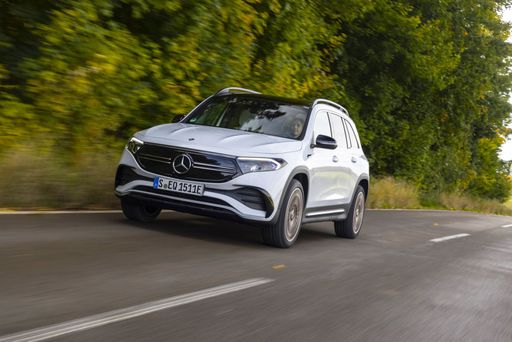
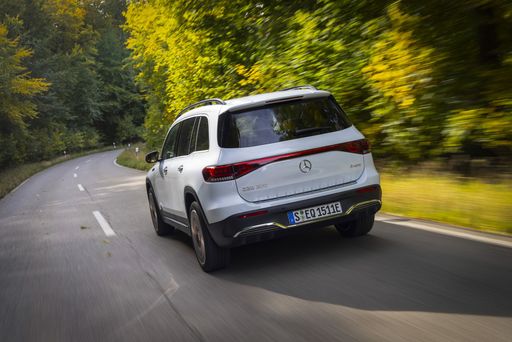
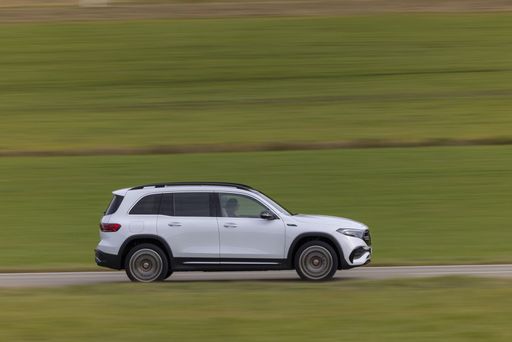
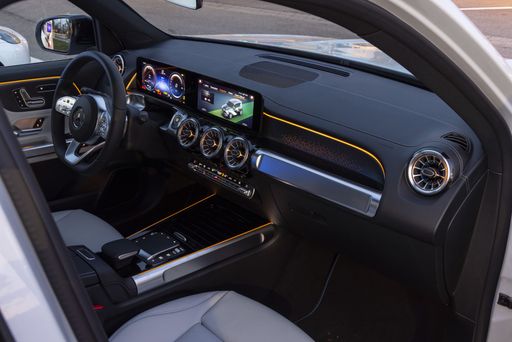
Volvo EX90 vs Mercedes EQB comparison

Compare performance (680 HP vs 292 HP), boot space and price (72,200 £ vs 45,900 £ ) at a glance. Find out which car is the better choice for you – Volvo EX90 or Mercedes EQB?

Volvo EX90 vs Mercedes EQB: Key differences

Volvo EX90

2.6 (1 Reviews)
rate
  • considerably more power
  • moderately more electric range
  • clearly quicker 0–100 km/h
details

Mercedes EQB

4.3 (3 Reviews)
rate
  • substantially cheaper
  • moderately more efficient
  • noticeably lighter
details

All details on performance, efficiency, range and trunk space can be found in the technical comparison below – including user reviews for both models.

By Achim Sedelmaier

EX90

Electric SUV Showdown: Mercedes EQB vs. Volvo EX90

The automotive world is increasingly embracing electric vehicles (EVs), with every manufacturer seeking to outdo their competitors in terms of range, power, and technological innovation. Among these contenders, the Mercedes EQB and the Volvo EX90 stand out as top electric SUVs in 2024. While both vehicles offer luxury and performance, they bring distinct features to the table. Let's delve into a comparative analysis of these two electrifying stars.
EQB

Power and Performance

The Mercedes EQB offers a choice between front-wheel drive and all-wheel drive configurations. Its power ranges from 190 HP up to 292 HP with torque figures between 385 Nm and 520 Nm. This yields an acceleration from 0 to 100 km/h in just 6.2 to 8.9 seconds, depending on the model. Topping out at a modest 160 km/h, the EQB is designed for urban efficiency and smooth handling.

Meanwhile, the Volvo EX90 offers rear-wheel drive and all-wheel drive versions, delivering between 279 HP and an impressive 517 HP. With torque peaking at 910 Nm, the EX90 accelerates from 0 to 100 km/h in an exhilarating 4.9 seconds. Its maximum speed is slightly higher at 180 km/h, reflecting its sportier stance.

EX90

Electric Range and Efficiency

When it comes to range, the Volvo EX90 takes the lead with an electric range of up to 614 km, thanks to its generous battery capacity of up to 107 kWh. The consumption figures lie between 19.9 and 20.8 kWh/100 km, promising extended journeys without frequent charging breaks.

The Mercedes EQB, with a battery capacity of up to 70.5 kWh, offers a range of 533 km at its peak. The EQB's consumption sits at a lower 15.2 to 17.3 kWh/100 km, making it slightly more economical in terms of energy consumption per kilometer.

EQB

Dimensions and Capacity

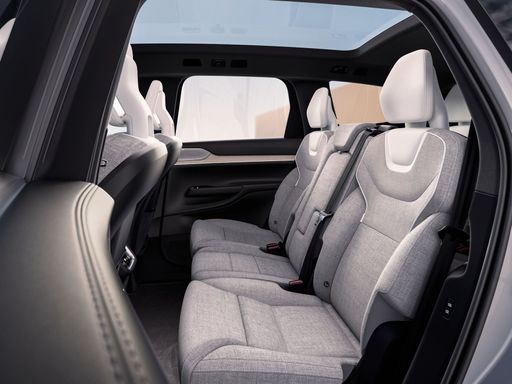
Size and space are where these SUVs differ noticeably. The Volvo EX90, at 5037 mm in length, is more sprawling compared to the EQB's more compact 4684 mm. This extra size grants the EX90 a seating capacity of up to 6 passengers and a trunk capacity of 310 liters.

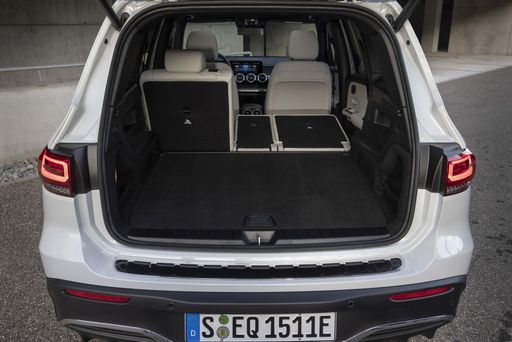
Conversely, the EQB caters to a maximum of 5 occupants while delivering a more substantial trunk capacity of 495 liters. Its design prioritizes practicality without compromising luxury.

EX90

Innovative Features

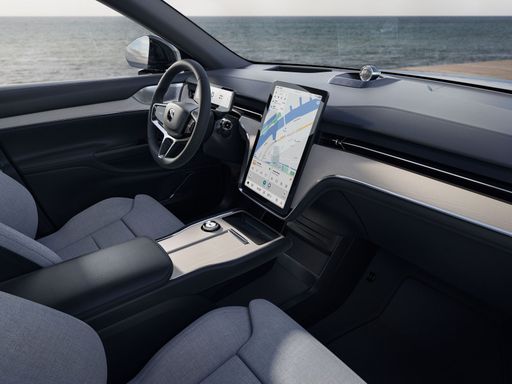
Both the Mercedes EQB and Volvo EX90 are brimming with innovative technology and safety features. The Volvo EX90 integrates the latest in driver assistance systems and safety technology, reinforcing Volvo's reputation for safety.

The Mercedes EQB is not far behind, equipped with advanced connectivity features and a suite of intelligent safety aids that ensure a secure and luxurious driving experience.

EQB

Conclusion

Choosing between the Mercedes EQB and Volvo EX90 boils down to priorities. The EQB is the ideal choice for those seeking a balance between efficiency and luxury, with a design meant for urban luxury. On the other hand, the Volvo EX90 appeals to those desiring power, range, and the state-of-the-art safety features the brand is known for.

In the world of electric SUVs, both these vehicles represent the pinnacle of innovation and performance, embodying the future of automotive transport in their own distinguished ways.

Here’s where it gets real: The technical differences in detail

EX90

Costs and Efficiency:

Price and efficiency are key factors when choosing a car – and this is often where the real differences emerge.

Mercedes EQB is substantially cheaper – starting at 45,900 £ , while the Volvo EX90 costs 72,200 £ . That’s a price difference of around 26,293 £.

In terms of energy consumption, the Mercedes EQB is moderately more efficient: consuming 15.2 kWh/100km compared to 17.8 kWh/100km for the Volvo EX90. That’s a difference of about 2.6 kWh/100km.

As for electric range, the Volvo EX90 offers moderately more range – reaching up to 620 km, about 85 km more than the Mercedes EQB.

EQB

Engine and Performance:

Under the bonnet, it becomes clear which model is tuned for sportiness and which one takes the lead when you hit the accelerator.

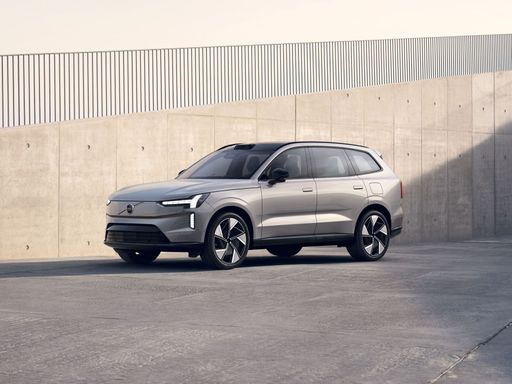
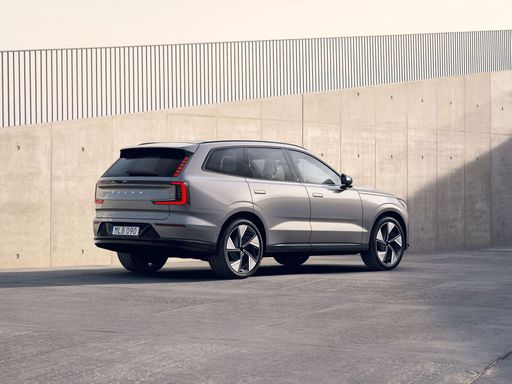
When it comes to engine power, the Volvo EX90 offers considerably more power – delivering 680 HP compared to 292 HP. That’s roughly 388 HP more horsepower.

When accelerating from 0 to 100 km/h, the Volvo EX90 is clearly quicker – completing the sprint in 4.2 s, while the Mercedes EQB takes 6.2 s. That’s about 2 s quicker.

There’s also a difference in torque: the Volvo EX90 delivers substantially more torque with 870 Nm compared to 520 Nm. That’s about 350 Nm more.

EX90

Space and Everyday Use:

Beyond pure performance, interior space and usability matter most in daily life. This is where you see which car is more practical and versatile.

Seats: Volvo EX90 offers more seats – 7 vs 5.

In terms of curb weight, Mercedes EQB is noticeably lighter – 2,105 kg compared to 2,555 kg. The difference is around 450 kg.

When it comes to payload, the Volvo EX90 carries markedly more – 605 kg compared to 435 kg. That’s a difference of about 170 kg.

Who wins the race in the data check?

The Volvo EX90 holds a decisive overall lead in the objective data comparison.
This result only shows which model scores more points on paper – not which of the two cars feels right for you.

from £72,200
EX90

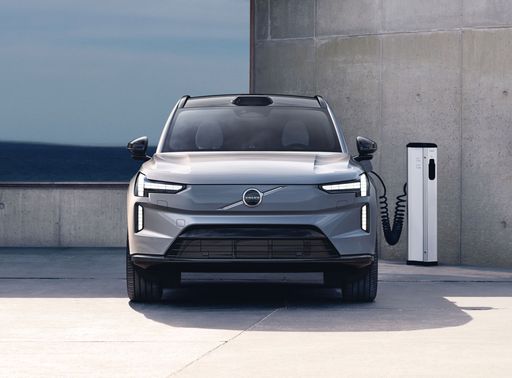
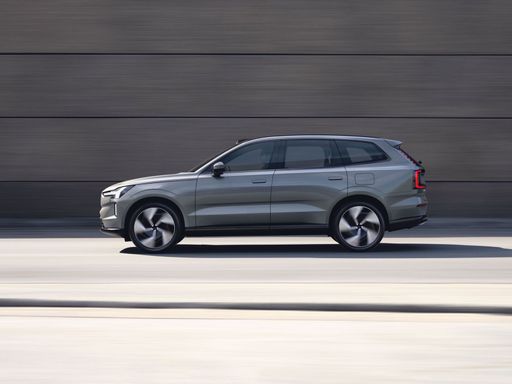
Volvo EX90

  • Engine Type : Electric
  • Transmission : Automatic
  • Drive Type : Rear-Wheel Drive, All-Wheel Drive
  • Power HP : 333 - 680 HP
  • Consumption kWh/100km : 17.8 - 19.3 kWh/100km
  • Electric Range : 570 - 620 km
Volvo EX90
Mercedes EQB

Costs and Consumption

View detailed analysis

Engine and Performance

View detailed analysis

Dimensions and Body

View detailed analysis

Volvo EX90

The Volvo EX90 feels like a Scandinavian fortress on wheels, combining serene luxury with smart safety features that make everyday driving remarkably calm and confident. It dresses cutting-edge electric technology in understated elegance, so buyers who want peace of mind without shouting about it will find it hard to resist.

details

Mercedes EQB

The Mercedes EQB is an electric compact SUV that dresses Mercedes' premium feel in practical clothing, with flexible seating and a serene, composed ride that turns everyday errands into a small luxury. It won't thrill the enthusiast, but for buyers who want a smart, spacious and well-made EV with tasteful tech and real-world usability, the EQB is a sensible, slightly buttoned-up choice that impresses without shouting.

details
Volvo EX90
Mercedes EQB

Costs and Consumption

Price
72,200 - 91,700 £
Price
45,900 - 58,900 £
Consumption L/100km
-
Consumption L/100km
-
Consumption kWh/100km
17.8 - 19.3 kWh/100km
Consumption kWh/100km
15.2 - 17.2 kWh/100km
Electric Range
570 - 620 km
Electric Range
468 - 535 km
Battery Capacity
-
Battery Capacity
70.5 kWh
co2
0 g/km
co2
0 g/km
Fuel tank capacity
-
Fuel tank capacity
-

Dimensions and Body

Body Type
SUV
Body Type
SUV
Seats
6 - 7
Seats
5
Doors
-
Doors
5
Curb weight
2,555 - 2,765 kg
Curb weight
2,105 - 2,170 kg
Trunk capacity
-
Trunk capacity
495 L
Length
-
Length
4,684 mm
Width
1,964 mm
Width
1,834 mm
Height
-
Height
1,654 - 1,689 mm
Max trunk capacity
-
Max trunk capacity
1,710 L
Payload
545 - 605 kg
Payload
435 kg

Engine and Performance

Engine Type
Electric
Engine Type
Electric
Transmission
Automatic
Transmission
Automatic
Transmission Detail
Reduction Gearbox
Transmission Detail
Reduction Gearbox
Drive Type
Rear-Wheel Drive, All-Wheel Drive
Drive Type
Front-Wheel Drive, All-Wheel Drive
Power HP
333 - 680 HP
Power HP
190 - 292 HP
Acceleration 0-100km/h
4.2 - 6.8 s
Acceleration 0-100km/h
6.2 - 8.9 s
Max Speed
-
Max Speed
160 km/h
Torque
480 - 870 Nm
Torque
385 - 520 Nm
Number of Cylinders
-
Number of Cylinders
-
Power kW
245 - 500 kW
Power kW
140 - 215 kW
Engine capacity
-
Engine capacity
-

General

Model Year
2,025 - 2,026
Model Year
2,024 - 2,025
CO2 Efficiency Class
A
CO2 Efficiency Class
A
Brand
Volvo
Brand
Mercedes-Benz
DriveDuel uses data analysis and artificial intelligence to evaluate vehicle data and create content. Content is regularly reviewed and improved. The displayed prices are estimates based on German list prices, adjusted to the respective country’s VAT. Country-specific registration taxes are not included. This information is not legally binding.