VS

Volvo XC40 vs BMW X1 comparison

Compare performance (197 HP vs 326 HP), boot space and price (36,800 £ vs 38,200 £ ) at a glance. Find out which car is the better choice for you – Volvo XC40 or BMW X1?

Volvo XC40 vs BMW X1: Key differences

Volvo XC40

5 (4 Reviews)
rate
  • very slightly cheaper

BMW X1

4.2 (6 Reviews)
rate
  • visibly more power
  • significantly more efficient
  • substantially quicker 0–100 km/h
  • marginally lighter
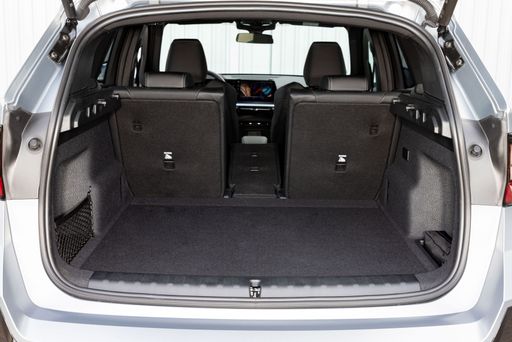
  • a bit more trunk space

All details on performance, efficiency, range and trunk space can be found in the technical comparison below – including user reviews for both models.

XC40

On the Road: BMW X1 vs. Volvo XC40

As the crossover SUV segment continues to grow more competitive, the BMW X1 and Volvo XC40 stand out as leading contenders offering a blend of innovation, style, and performance. Both models represent the pinnacle of engineering prowess from their respective manufacturers, but each has unique attributes that cater to different driving preferences. Let's delve into the details to see how they stack up against each other.
X1

Performance and Engine Options

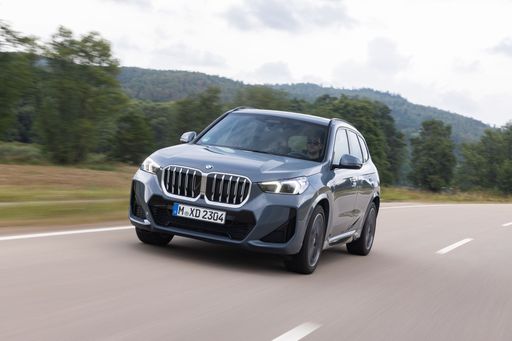
The 2024 BMW X1 offers a diverse range of engine types, including diesel, petrol, mild hybrid electric vehicle (MHEV), and plug-in hybrid options. Featuring both front-wheel and all-wheel drive capabilities, the X1 can reach up to 326 HP with a top speed of 250 km/h. The plug-in hybrid variant provides an exciting 83 km electric range, perfect for eco-conscious journeys.

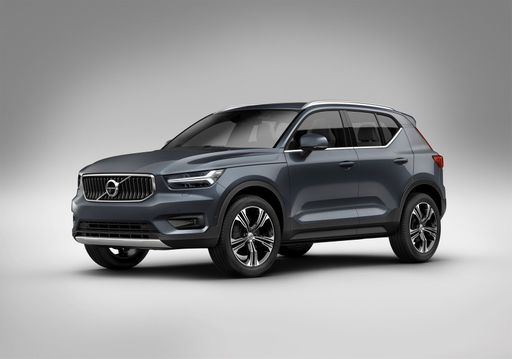
The Volvo XC40 for 2024 provides a contrast with its singular focus on petrol MHEV engines, delivering power outputs of 163 HP and 197 HP. It maintains a commendable 180 km/h maximum speed with a dual-clutch automatic transmission ensuring smooth gear shifts. Its performance prioritizes efficiency, with a consistent consumption of 6.5 L/100 km.

XC40

Dimensions and Design

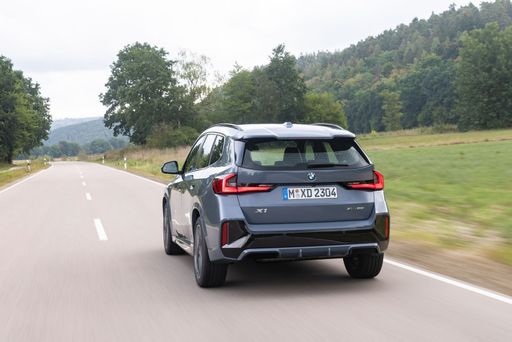
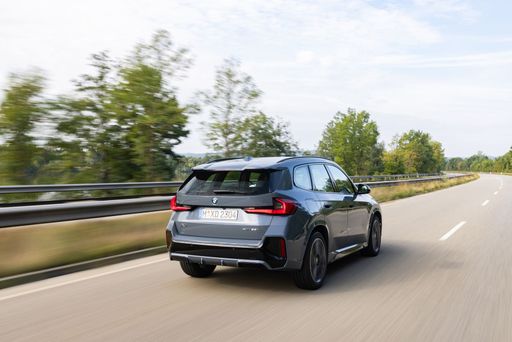
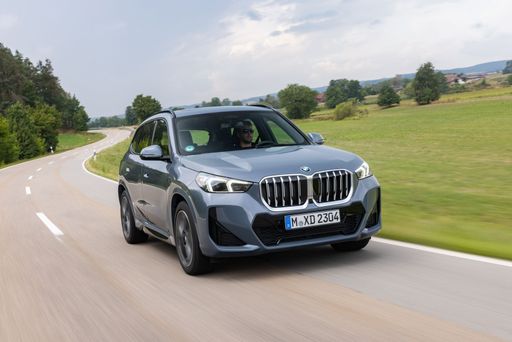
Sitting comfortably within the SUV category, the BMW X1 measures at 4505 mm in length, 1845 mm in width, and up to 1642 mm in height. The X1 exudes a sporty yet elegant exterior, complemented by a trunk capacity of up to 540 liters, making it a practical choice for families and adventurers alike.

In comparison, the Volvo XC40 brings a slightly more compact profile with its 4425 mm length. It extends 1863 mm in width and 1652 mm in height, embodying a robust Scandinavian design ethos known for its simplicity and functionality. The 452-liter trunk space might seem modest, yet the XC40’s clever interior layout ensures usability.

X1

Interior and Comfort

Both the BMW X1 and Volvo XC40 accommodate five seats, with interiors tailored for comfort and a premium feel. The X1 emphasizes a driver-focused layout, enriched with BMW's infotainment technology, providing seamless connectivity and control over the vehicle's settings.

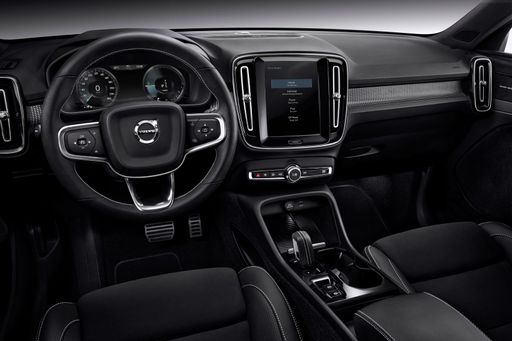
The XC40, meanwhile, impresses with Volvo's trademark commitment to safety and high-quality materials. Its intuitive infotainment system integrates smart technology, ensuring a safe and enjoyable driving experience. Additionally, the XC40's interior showcases a minimalist yet luxurious appeal, focusing on driver and passenger comfort.

XC40

Efficiency and Environmental Impact

BMW's serious investment in greener technology radiates through its X1 lineup, especially the plug-in hybrid option which emits as little as 17 g/km of CO2. The diverse engine options also offer varying CO2 efficiency classes from B to F, allowing customers to choose according to their ecological preferences.

The Volvo XC40 commits to sustainable mobility within its MHEV offering, bearing a consistent CO2 output around 147-148 g/km and falling under the E efficiency class. It's a testament to Volvo's dedication to enhancing fuel efficiency without sacrificing performance.

X1

Conclusion: Choosing Your Champion

Deciding between the BMW X1 and Volvo XC40 largely depends on individual needs and preferences. If performance variety and sustainability are at the forefront of your SUV search, the BMW X1's range of powertrains will likely resonate with you. On the other hand, if a straightforward, efficient, and safety-centric SUV appeals more, the Volvo XC40 stands as a commendable choice.

Ultimately, both vehicles carry the potential to redefine your driving experiences, whether you're navigating city streets or exploring open roads.

Here’s where it gets real: The technical differences in detail

XC40

Costs and Efficiency:

When it comes to price and running costs, the biggest differences usually appear. This is often where you see which car fits your budget better in the long run.

Volvo XC40 is very slightly cheaper – starting at 36,800 £ , while the BMW X1 costs 38,200 £ . That’s a price difference of around 1,466 £.

Fuel consumption also shows a difference: the BMW X1 uses 2.5 L/100km and is significantly more efficient than the Volvo XC40 with 6.5 L/100km. The difference is about 4 L/100km.

X1

Engine and Performance:

Power, torque and acceleration are the classic benchmarks for car enthusiasts – and here, some clear differences start to show.

When it comes to engine power, the BMW X1 offers visibly more power – delivering 326 HP compared to 197 HP. That’s roughly 129 HP more horsepower.

When accelerating from 0 to 100 km/h, the BMW X1 is substantially quicker – completing the sprint in 5.4 s, while the Volvo XC40 takes 7.6 s. That’s about 2.2 s quicker.

Looking at top speed, the BMW X1 is markedly faster – reaching 233 km/h, while the Volvo XC40 tops out at 180 km/h. The difference is around 53 km/h.

There’s also a difference in torque: the BMW X1 delivers noticeably more torque with 477 Nm compared to 300 Nm. That’s about 177 Nm more.

XC40

Space and Everyday Use:

Cabin size, boot volume and payload all play a role in everyday practicality. Here, comfort and flexibility make the difference.

Both vehicles offer seating for 5 people.

In terms of curb weight, BMW X1 is marginally lighter – 1,575 kg compared to 1,688 kg. The difference is around 113 kg.

Looking at boot space, the BMW X1 offers a bit more boot space – 540 L compared to 452 L. That’s a difference of about 88 L.

For maximum load capacity, the BMW X1 offers somewhat more capacity – up to 1,545 L, about 217 L more than the Volvo XC40.

When it comes to payload, the Volvo XC40 carries marginally more – 532 kg compared to 500 kg. That’s a difference of about 32 kg.

Who wins the race in the data check?

The BMW X1 is clearly superior overall in the objective data comparison.
This result only shows which model scores more points on paper – not which of the two cars feels right for you.

from £38,200
X1

BMW X1

  • Engine Type : Diesel MHEV, Petrol MHEV, Petrol, Diesel, Plugin Hybrid
  • Transmission : Automatic
  • Drive Type : Front-Wheel Drive, All-Wheel Drive
  • Power HP : 136 - 326 HP
  • Consumption L/100km : 2.5 - 7.7 L/100km
  • Electric Range : 81 km
Volvo XC40
BMW X1

Costs and Consumption

View detailed analysis

Engine and Performance

View detailed analysis

Dimensions and Body

View detailed analysis

Volvo XC40

The Volvo XC40 wraps Scandinavian minimalism into a compact, city-ready SUV with a premium cabin that feels both practical and grown-up. It will suit buyers who prize safety, clever storage and a composed ride, proving that small dimensions don't mean small personality.

details

BMW X1

The BMW X1 brings a premium feel to compact crossover life, wrapping practical space and agile handling into a tidy, upscale package. It’s ideal for buyers who want BMW driving dynamics without the bulk, offering everyday comfort and a few clever tricks to keep the commute interesting.

details
Volvo XC40
BMW X1

Costs and Consumption

Price
36,800 - 47,200 £
Price
38,200 - 55,500 £
Consumption L/100km
6.5 L/100km
Consumption L/100km
2.5 - 7.7 L/100km
Consumption kWh/100km
-
Consumption kWh/100km
-
Electric Range
-
Electric Range
81 km
Battery Capacity
-
Battery Capacity
14.2 kWh
co2
147 - 148 g/km
co2
57 - 175 g/km
Fuel tank capacity
54 L
Fuel tank capacity
47 - 54 L

Dimensions and Body

Body Type
SUV
Body Type
SUV
Seats
5
Seats
5
Doors
5
Doors
5
Curb weight
1,688 kg
Curb weight
1,575 - 1,935 kg
Trunk capacity
452 L
Trunk capacity
490 - 540 L
Length
4,425 mm
Length
4,500 mm
Width
1,863 mm
Width
1,845 mm
Height
1,652 mm
Height
1,630 - 1,642 mm
Max trunk capacity
1,328 L
Max trunk capacity
1,495 - 1,545 L
Payload
532 kg
Payload
490 - 500 kg

Engine and Performance

Engine Type
Petrol MHEV
Engine Type
Diesel MHEV, Petrol MHEV, Petrol, Diesel, Plugin Hybrid
Transmission
Automatic
Transmission
Automatic
Transmission Detail
Dual-Clutch Automatic
Transmission Detail
Dual-Clutch Automatic
Drive Type
Front-Wheel Drive
Drive Type
Front-Wheel Drive, All-Wheel Drive
Power HP
163 - 197 HP
Power HP
136 - 326 HP
Acceleration 0-100km/h
7.6 - 8.6 s
Acceleration 0-100km/h
5.4 - 9.2 s
Max Speed
180 km/h
Max Speed
190 - 233 km/h
Torque
265 - 300 Nm
Torque
230 - 477 Nm
Number of Cylinders
4
Number of Cylinders
3 - 4
Power kW
120 - 145 kW
Power kW
100 - 240 kW
Engine capacity
1,969 cm3
Engine capacity
1,499 - 1,998 cm3

General

Model Year
2,024
Model Year
2,024 - 2,025
CO2 Efficiency Class
E
CO2 Efficiency Class
D, E, F, B
Brand
Volvo
Brand
BMW
DriveDuel uses data analysis and artificial intelligence to evaluate vehicle data and create content. Content is regularly reviewed and improved. The displayed prices are estimates based on German list prices, adjusted to the respective country’s VAT. Country-specific registration taxes are not included. This information is not legally binding.