VS

Volvo XC40 vs DS Automobiles DS 7 comparison

Compare performance (197 HP vs 130 HP), boot space and price (41,900 £ vs 41,900 £ ) at a glance. Find out which car is the better choice for you – Volvo XC40 or DS Automobiles DS 7?

Volvo XC40 vs DS Automobiles DS 7: Key differences

Volvo XC40

5 (6 Reviews)
rate
  • only slightly cheaper
  • noticeably more power
  • significantly quicker 0–100 km/h
details

DS Automobiles DS 7

4.7 (2 Reviews)
rate
  • moderately more efficient
  • very slightly lighter
details

All details on performance, efficiency, range and trunk space can be found in the technical comparison below – including user reviews for both models.

By Achim Sedelmaier

XC40

DS 7 Crossback vs. Volvo XC40: A Sophisticated SUV Showdown

In the increasingly competitive SUV market, discerning buyers seek a harmonious blend of elegance, performance, and innovative technology. This leads us to a compelling comparison between two noteworthy contenders: the DS 7 Crossback and the Volvo XC40. Both vehicles offer distinct characteristics and appeal, making it essential to delve into their technical specs and innovations to unpack what sets them apart.
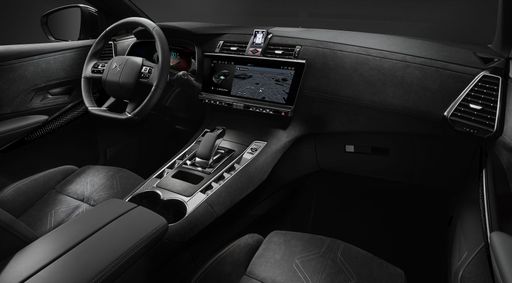
DS 7

Performance and Power

The DS 7 Crossback offers a versatile range of powertrains, including diesel and plug-in hybrid options. The hybrid variants shine with an impressive power range from 225 HP to 360 HP, catering to various driving preferences. Notably, the hybrid's robust torque reaches up to 520 Nm, delivering a swift 0-100 km/h acceleration in just 5.7 seconds. In terms of fuel efficiency, the plug-in hybrid DS 7 Crossback boasts consumption figures as low as 1.3 L/100 km, supported by a 12.9 kWh battery offering up to 65 km of electric range.

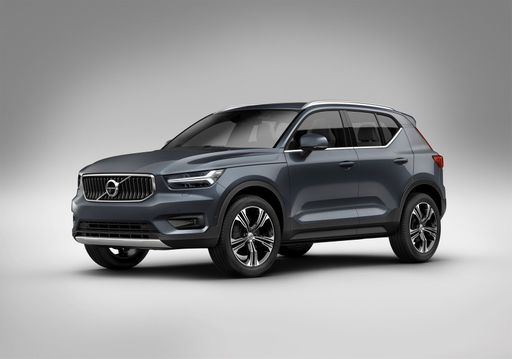
In contrast, the Volvo XC40 sticks to a petrol mild hybrid strategy. It provides admirable performance with engine outputs of 163 HP and 197 HP, reaching a maximum torque of 300 Nm. The XC40 accelerates from 0 to 100 km/h in as little as 7.6 seconds, all while maintaining a respectable consumption of 6.5 L/100 km. Volvo's engine capacity of 1969 cm3 highlights its robust engineering tailored for efficient power delivery.

XC40

Innovative Design and Technology

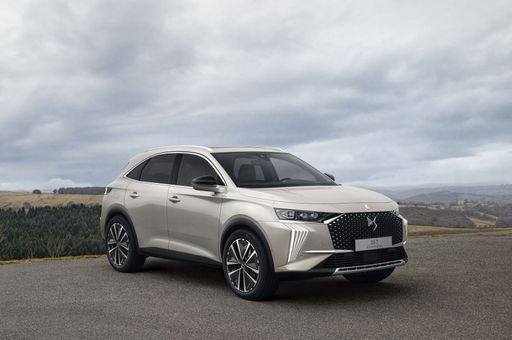
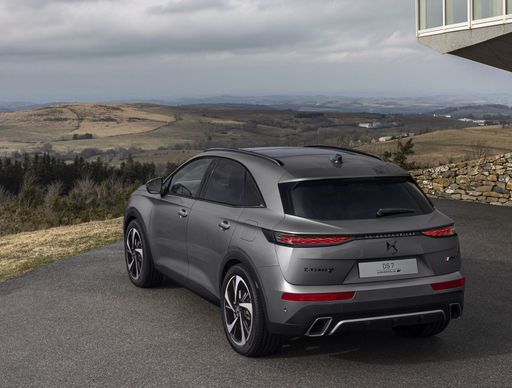
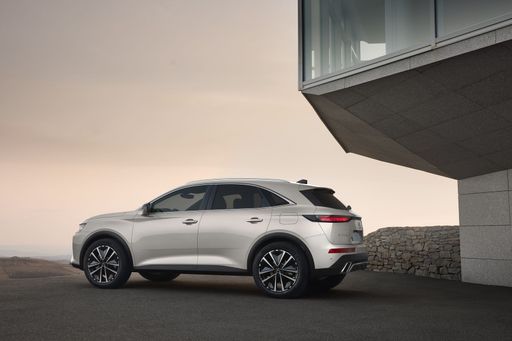
With their roots in luxury, the DS 7 Crossback and Volvo XC40 embody sophistication in design. The DS 7 Crossback is recognized for its unique exterior dimensions - a length of 4593 mm, width of 1891 mm, and height of 1625 mm, creating a stately presence. Its spacious interior complements this, offering a 555 L trunk capacity, echoing DS Automobiles' commitment to luxury and practicality.

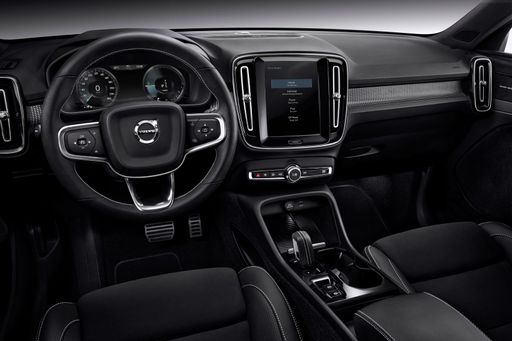
Volvo's XC40 takes a modern approach with a compact yet efficient design, measuring 4425 mm in length, 1863 mm in width, and standing slightly taller at 1652 mm. Its interior is stylish and functional, with a trunk that offers 452 L of space. Volvo's commitment to safety is woven into the XC40, championing features designed to protect and enhance the driving experience.

DS 7

Eco-efficiency and Sustainability

The DS 7 Crossback's plug-in hybrid variants are leaders in low emissions, with CO2 outputs ranging from 30 to 44 g/km, marrying performance with environmental responsibility. Although the XC40's petrol mild hybrid engine emits slightly more CO2 at 147 to 148 g/km, it remains a competitive option for those looking for a mild hybrid vehicle that prioritizes driving pleasure without compromising too much on eco-efficiency.

XC40

Conclusion

Choosing between the DS 7 Crossback and Volvo XC40 largely depends on prioritized values. The DS 7 Crossback is the adventurer's choice, offering versatile energy solutions and an impressive electric range perfect for the eco-conscious driver. Meanwhile, the Volvo XC40's mild hybrid system emphasizes seamless integration of performance and fuel efficiency, encased in a modern and safety-focused design. Both models exemplify automotive excellence, waiting to captivate their respective admirers on the open road.

Here’s where it gets real: The technical differences in detail

XC40

Costs and Efficiency:

Price and efficiency are often the first things buyers look at. Here it becomes clear which model has the long-term edge – whether at the pump, the plug, or in purchase price.

Volvo XC40 is only slightly cheaper – starting at 41,900 £ , while the DS Automobiles DS 7 costs 41,900 £ . That’s a price difference of around 17 £.

Fuel consumption also shows a difference: the DS Automobiles DS 7 uses 5.5 L/100km and is moderately more efficient than the Volvo XC40 with 6.5 L/100km. The difference is about 1 L/100km.

DS 7

Engine and Performance:

Power, torque and acceleration are the classic benchmarks for car enthusiasts – and here, some clear differences start to show.

When it comes to engine power, the Volvo XC40 offers noticeably more power – delivering 197 HP compared to 130 HP. That’s roughly 67 HP more horsepower.

When accelerating from 0 to 100 km/h, the Volvo XC40 is significantly quicker – completing the sprint in 7.6 s, while the DS Automobiles DS 7 takes 11.9 s. That’s about 4.3 s quicker.

Both models offer the same torque – 300 Nm.

XC40

Space and Everyday Use:

Beyond pure performance, interior space and usability matter most in daily life. This is where you see which car is more practical and versatile.

Both vehicles offer seating for 5 people.

In terms of curb weight, DS Automobiles DS 7 is very slightly lighter – 1,651 kg compared to 1,688 kg. The difference is around 37 kg.

When it comes to payload, the Volvo XC40 carries markedly more – 532 kg compared to 399 kg. That’s a difference of about 133 kg.

Who wins the race in the data check?

The Volvo XC40 stands well ahead of its rival in the objective data comparison.
This result only shows which model scores more points on paper – not which of the two cars feels right for you.

from £41,900
XC40

Volvo XC40

  • Engine Type : Petrol MHEV
  • Transmission : Automatic
  • Drive Type : Front-Wheel Drive
  • Power HP : 163 - 197 HP
  • Consumption L/100km : 6.5 L/100km
Volvo XC40
DS Automobiles DS 7

Costs and Consumption

View detailed analysis

Engine and Performance

View detailed analysis

Dimensions and Body

View detailed analysis

Volvo XC40

The Volvo XC40 blends Scandinavian design with practical versatility, offering a compact luxury crossover that feels composed and easy to live with. It’s refined and focused on safety with a high-quality interior, making it a smart choice for daily city driving and weekend escapes.

details

DS Automobiles DS 7

The DS 7 wraps Parisian elegance into SUV practicality, with sculpted surfaces, a jewel-like grille and an interior that feels more boutique lounge than family transporter. It appeals to buyers who want style and comfort without shouting, delivering a refined ride and clever tech that make daily driving feel a little more special — and yes, it’ll turn heads in the school run.

details
Volvo XC40
DS Automobiles DS 7

Costs and Consumption

Price
41,900 - 46,100 £
Price
41,900 - 46,100 £
Consumption L/100km
6.5 L/100km
Consumption L/100km
5.5 L/100km
Consumption kWh/100km
-
Consumption kWh/100km
-
Electric Range
-
Electric Range
-
Battery Capacity
-
Battery Capacity
-
co2
148 g/km
co2
145 g/km
Fuel tank capacity
-
Fuel tank capacity
-

Dimensions and Body

Body Type
SUV
Body Type
SUV
Seats
5
Seats
5
Doors
-
Doors
-
Curb weight
1,688 kg
Curb weight
1,651 kg
Trunk capacity
-
Trunk capacity
555 L
Length
-
Length
-
Width
1,863 mm
Width
1,891 mm
Height
-
Height
-
Max trunk capacity
-
Max trunk capacity
-
Payload
532 kg
Payload
399 kg

Engine and Performance

Engine Type
Petrol MHEV
Engine Type
Diesel
Transmission
Automatic
Transmission
Automatic
Transmission Detail
Dual-Clutch Automatic
Transmission Detail
Automatic Gearbox
Drive Type
Front-Wheel Drive
Drive Type
Front-Wheel Drive
Power HP
163 - 197 HP
Power HP
130 HP
Acceleration 0-100km/h
7.6 - 8.6 s
Acceleration 0-100km/h
11.9 s
Max Speed
-
Max Speed
-
Torque
265 - 300 Nm
Torque
300 Nm
Number of Cylinders
4
Number of Cylinders
4
Power kW
120 - 145 kW
Power kW
96 kW
Engine capacity
1,969 cm3
Engine capacity
1,499 cm3

General

Model Year
2026
Model Year
2025
CO2 Efficiency Class
E
CO2 Efficiency Class
E
Brand
Volvo
Brand
DS Automobiles
DriveDuel uses data analysis and artificial intelligence to evaluate vehicle data and create content. Content is regularly reviewed and improved. The displayed prices are estimates based on German list prices, adjusted to the respective country’s VAT. Country-specific registration taxes are not included. This information is not legally binding.