VS

BYD Seal U vs Volvo XC40 comparison

Compare performance (324 HP vs 197 HP), boot space and price (34,300 £ vs 41,900 £ ) at a glance. Find out which car is the better choice for you – BYD Seal U or Volvo XC40?

BYD Seal U vs Volvo XC40: Key differences

BYD Seal U

4.1 (7 Reviews)
rate
  • clearly cheaper
  • clearly more power
  • clearly quicker 0–100 km/h
details

Volvo XC40

5 (6 Reviews)
rate
  • slightly lighter
details

All details on performance, efficiency, range and trunk space can be found in the technical comparison below – including user reviews for both models.

By Achim Sedelmaier

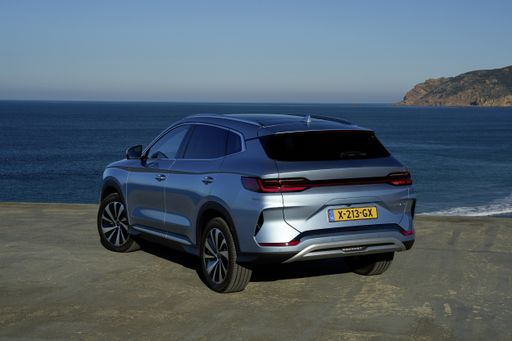
Seal U

BYD Seal U VS Volvo XC40 — short take for buyers

BYD Seal U and Volvo XC40 arrive from different starting points: the Seal U undercuts on price while packing conspicuous equipment, whereas the XC40 trades on a restrained, premium feel and everyday polish. The BYD plays the value card hard — more kit, strong electric capability in its PHEV/BEV forms and a hushed cabin that masks motorway miles. The Volvo leans into tidy packaging, clever storage and a calm, easily managed driving experience that feels familiar and safe. Choosing between them is about priorities: kit and electric convenience versus tactile quality and ergonomic cleverness. Below I unpack how that plays out in driving, comfort, practicality, city use and who each car really suits.
XC40

Character and driving experience

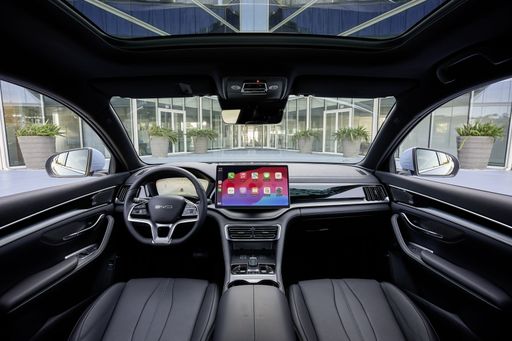
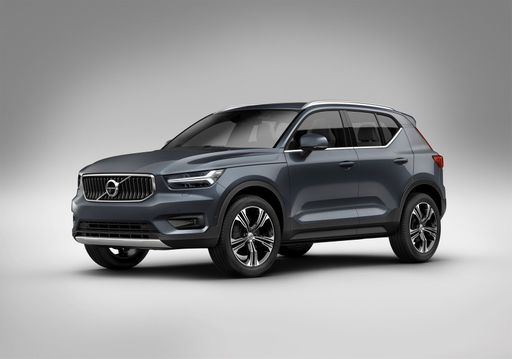
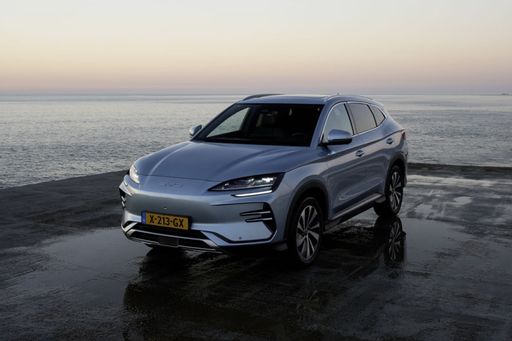
The BYD Seal U drives like a modern comfort cruiser: potent in a straight line, very quiet, but tuned soft and a touch detached at the wheel, so cornering is composed rather than engaging. The Volvo XC40 is similarly not a sports car, but its steering and chassis bias towards predictability — lighter, communicative enough for daily manoeuvres and confidence-building on long runs. Where BYD can surprise is with brisk acceleration and effortless motorway progress, which can feel at odds with its floaty body control; the XC40 prioritises measured responses and a steadier balance over outright thrust. For drivers who value seat-of-the-pants feedback, neither is a driver's car, but the XC40 will feel more assured and intuitive in everyday driving. Enthusiasts who still want pace will prefer BYD’s shove, while buyers wanting composure and consistency will lean XC40.

Seal U

Comfort and long-distance behavior

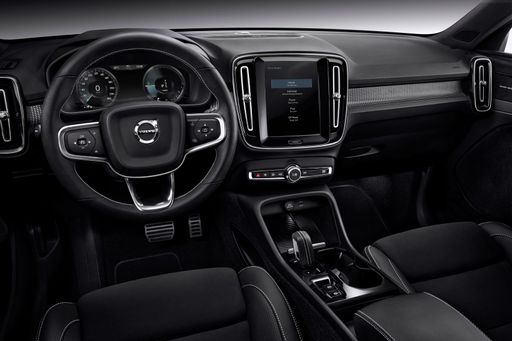
On long trips the BYD Seal U impresses with a notably quiet cabin and soft suspension that soaks up motorway seams, making fatigue less likely over many hours. The Volvo XC40 delivers a different kind of comfort: composed, confidence-inspiring damping and seats that favour support and posture rather than plushness, so long-distance drives feel steady rather than indulgent. Interior ambience also diverges — BYD offers generous kit and a modern, gadget-forward cabin while the Volvo’s materials and switchgear convey a more premium, Scandinavian restraint. If you live for silent, cushioned cruising and lots of features at the price, BYD is the better companion for long runs; if you prefer controlled body motions and a classic premium cabin feel, the XC40 suits you more.

XC40

Practicality and family usability

Family buyers will find both cars capable but in different ways: the BYD Seal U gives generous rear legroom and a flat rear floor that simplifies fitting child seats and keeps middle passengers comfortable. The Volvo XC40 wins on everyday cleverness — smart storage, a practical load floor and well‑thought door pockets that make groceries and school equipment easier to live with. Luggage handling reflects the same trade‑off: BYD’s boot is useable but not class-leading in shape, while XC40’s modular floor and hooks turn awkward loads into manageable ones. Payload and towing sensibilities also tip slightly towards the XC40 if you regularly carry heavier kit, but BYD brings family-friendly tech like V2L and convenient in-cabin features that parents will appreciate.

Seal U

City friendliness, tech and usability

In town the BYD Seal U feels modern: a large, rotating screen and camera systems make close-quarter parking straightforward, yet the infotainment buries frequent functions in menus and lacks quick physical shortcuts. The Volvo XC40 counterbalances a smaller screen and only wired smartphone mirroring with a Google‑based system and strong voice control that can reduce touchscreen fumbling while driving. Manoeuvrability and visibility again split them — BYD’s elevated seating and cameras help but rear sightlines can be awkward, while the XC40’s compact proportions, light steering and clear sightlines make parking and daily driving easier. If you prize slick tech and lots of gadgetry for the money, BYD wins the headline; if intuitive operation and ergonomic practicality matter more, the XC40 will feel less taxing day-to-day.

XC40

Who should pick which car — buyer-fit wrap and what to check next

Pick the BYD Seal U if you want a feature-rich, quietly comfortable SUV that gives you more kit and strong electric capability for the money and you accept a softer, less engaging chassis. Choose the Volvo XC40 if you prioritise a calm, premium cabin, pragmatic storage details and a drivetrain packaged for easy, predictable daily use. Both suit family life, but BYD skews to value and electric convenience while Volvo skews to refinement and ergonomic practicality — so the choice is a question of emphasis, not absolutes. If you want the nitty‑gritty numbers behind those trade‑offs (consumption, charging, boot litres and tow/payload limits), the technical comparison that follows will map those differences so you can align them with your real needs.

Here’s where it gets real: The technical differences in detail

Seal U

Costs and Efficiency:

Price and efficiency are often the first things buyers look at. Here it becomes clear which model has the long-term edge – whether at the pump, the plug, or in purchase price.

BYD Seal U is clearly cheaper – starting at 34,300 £ , while the Volvo XC40 costs 41,900 £ . That’s a price difference of around 7,628 £.

XC40

Engine and Performance:

Power, torque and acceleration are the classic benchmarks for car enthusiasts – and here, some clear differences start to show.

When it comes to engine power, the BYD Seal U offers clearly more power – delivering 324 HP compared to 197 HP. That’s roughly 127 HP more horsepower.

When accelerating from 0 to 100 km/h, the BYD Seal U is clearly quicker – completing the sprint in 5.9 s, while the Volvo XC40 takes 7.6 s. That’s about 1.7 s quicker.

There’s also a difference in torque: the BYD Seal U delivers clearly more torque with 550 Nm compared to 300 Nm. That’s about 250 Nm more.

Seal U

Space and Everyday Use:

Beyond pure performance, interior space and usability matter most in daily life. This is where you see which car is more practical and versatile.

Both vehicles offer seating for 5 people.

In terms of curb weight, Volvo XC40 is slightly lighter – 1,688 kg compared to 1,940 kg. The difference is around 252 kg.

When it comes to payload, the Volvo XC40 carries markedly more – 532 kg compared to 410 kg. That’s a difference of about 122 kg.

Who wins the race in the data check?

The BYD Seal U is decisively ahead in the objective data comparison.
This result only shows which model scores more points on paper – not which of the two cars feels right for you.

from £34,300
Seal U

BYD Seal U

  • Engine Type : Electric, Plugin Hybrid
  • Transmission : Automatic
  • Drive Type : Front-Wheel Drive, All-Wheel Drive
  • Power HP : 218 - 324 HP
  • Consumption kWh/100km : 12.1 - 20.5 kWh/100km
  • Electric Range : 70 - 500 km
BYD Seal U
Volvo XC40

Costs and Consumption

View detailed analysis

Engine and Performance

View detailed analysis

Dimensions and Body

View detailed analysis

BYD Seal U

The BYD Seal U is a sleek electric fastback that blends sporty styling with a roomy, tech-focused interior, making it an appealing choice for buyers who want electric performance without sacrificing comfort. It delivers a smooth, composed ride and intuitive features, positioning it as a practical yet modern option in the EV market.

details

Volvo XC40

The Volvo XC40 blends Scandinavian design with practical versatility, offering a compact luxury crossover that feels composed and easy to live with. It’s refined and focused on safety with a high-quality interior, making it a smart choice for daily city driving and weekend escapes.

details
BYD Seal U
Volvo XC40

Costs and Consumption

Price
34,300 - 39,800 £
Price
41,900 - 46,100 £
Consumption L/100km
-
Consumption L/100km
6.5 L/100km
Consumption kWh/100km
12.1 - 20.5 kWh/100km
Consumption kWh/100km
-
Electric Range
70 - 500 km
Electric Range
-
Battery Capacity
-
Battery Capacity
-
co2
0 - 71 g/km
co2
148 g/km
Fuel tank capacity
-
Fuel tank capacity
-

Dimensions and Body

Body Type
SUV
Body Type
SUV
Seats
5
Seats
5
Doors
-
Doors
-
Curb weight
1,940 - 2,147 kg
Curb weight
1,688 kg
Trunk capacity
425 - 552 L
Trunk capacity
-
Length
-
Length
-
Width
1,890 mm
Width
1,863 mm
Height
-
Height
-
Max trunk capacity
-
Max trunk capacity
-
Payload
410 kg
Payload
532 kg

Engine and Performance

Engine Type
Electric, Plugin Hybrid
Engine Type
Petrol MHEV
Transmission
Automatic
Transmission
Automatic
Transmission Detail
Reduction Gearbox, Automatic Gearbox
Transmission Detail
Dual-Clutch Automatic
Drive Type
Front-Wheel Drive, All-Wheel Drive
Drive Type
Front-Wheel Drive
Power HP
218 - 324 HP
Power HP
163 - 197 HP
Acceleration 0-100km/h
5.9 - 9.6 s
Acceleration 0-100km/h
7.6 - 8.6 s
Max Speed
-
Max Speed
-
Torque
300 - 550 Nm
Torque
265 - 300 Nm
Number of Cylinders
4
Number of Cylinders
4
Power kW
160 - 238 kW
Power kW
120 - 145 kW
Engine capacity
1,497 - 1,498 cm3
Engine capacity
1,969 cm3

General

Model Year
2,024 - 2,026
Model Year
2026
CO2 Efficiency Class
A, B
CO2 Efficiency Class
E
Brand
BYD
Brand
Volvo
DriveDuel uses data analysis and artificial intelligence to evaluate vehicle data and create content. Content is regularly reviewed and improved. The displayed prices are estimates based on German list prices, adjusted to the respective country’s VAT. Country-specific registration taxes are not included. This information is not legally binding.