VS

Volvo XC60 vs BMW X1 comparison

Compare performance (455 HP vs 326 HP), boot space and price (49,200 £ vs 38,200 £ ) at a glance. Find out which car is the better choice for you – Volvo XC60 or BMW X1?

Volvo XC60 vs BMW X1: Key differences

Volvo XC60

4.8 (6 Reviews)
rate
  • clearly more power
  • only slightly more electric range
  • slightly quicker 0–100 km/h

BMW X1

4.2 (6 Reviews)
rate
  • markedly cheaper
  • moderately more efficient
  • markedly lighter
  • somewhat more trunk space

All details on performance, efficiency, range and trunk space can be found in the technical comparison below – including user reviews for both models.

XC60

In the world of compact SUVs, the competition is fierce, particularly between two of the most acclaimed brands: BMW and Volvo. The BMW X1 and the Volvo XC60 offer not only compelling aesthetics but also a multitude of technical innovations and powertrains that can entice potential buyers. In this article, we will dive deep into a detailed comparison of these two renowned models, examining their technical aspects, innovations, and what sets them apart.

X1

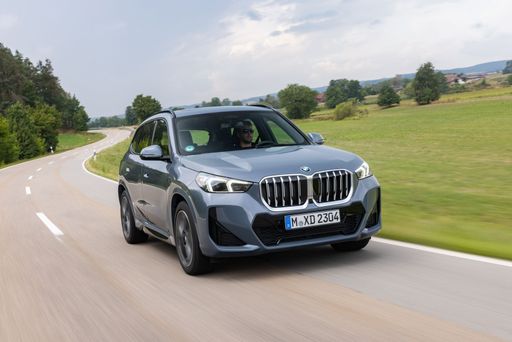
Overview of the BMW X1

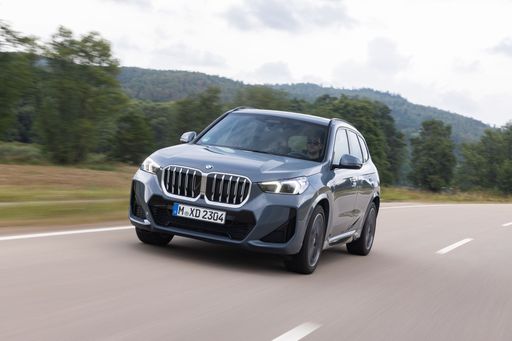
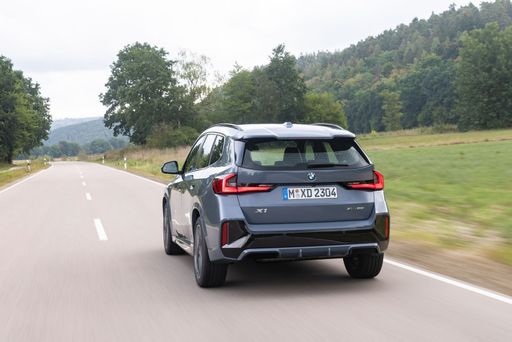
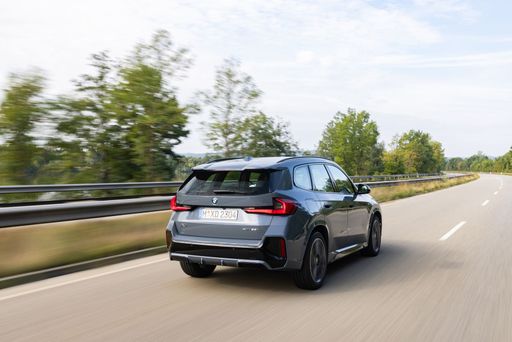
The BMW X1 is a well-regarded compact SUV boasting a blend of driving performance and practicality. With a range of powertrains, including petrol, diesel, mild-hybrid, and plug-in hybrid options, the X1 caters to varied preferences. It offers both front-wheel and all-wheel drive configurations, enhancing its adaptability in different driving conditions.

XC60

Technical Specs of the BMW X1

Under the hood, the X1 is equipped with engine options that range from 150 to 326 horsepower, depending on the variant chosen. It demonstrates impressive fuel efficiency, with consumption rates varying from 4.6 to 7.7 liters per 100 km, depending on the engine configuration. The BMW X1 also offers swift acceleration, with the top-performing version reaching 0-100 km/h in just 5.4 seconds, showcasing its sporty nature.

X1

Interior and Cargo Space

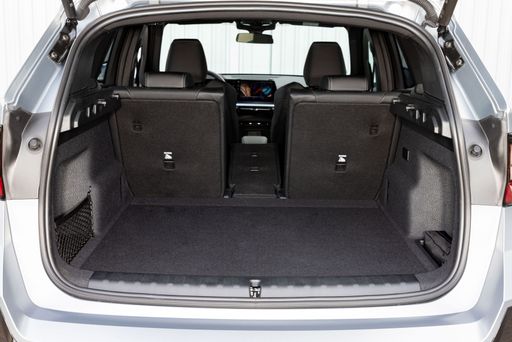
Interior comfort is paramount in the BMW X1, which accommodates five passengers. With a trunk capacity of up to 540 liters, it outshines many competitors in terms of practicality. Additionally, the vehicle’s dimensions of 4500 mm in length and 1845 mm in width provide ample space and a commanding road presence.

XC60

Innovative Features of the BMW X1

Equipped with the latest BMW iDrive technology, the X1 seamlessly integrates connectivity and infotainment, offering a user-friendly experience. Additionally, advanced driver assistance systems, such as lane-keeping assist and adaptive cruise control, elevate safety and convenience for drivers.

X1

Overview of the Volvo XC60

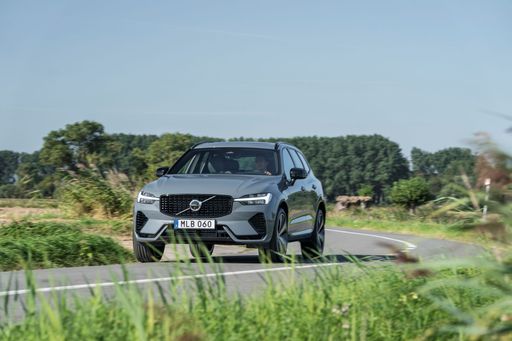
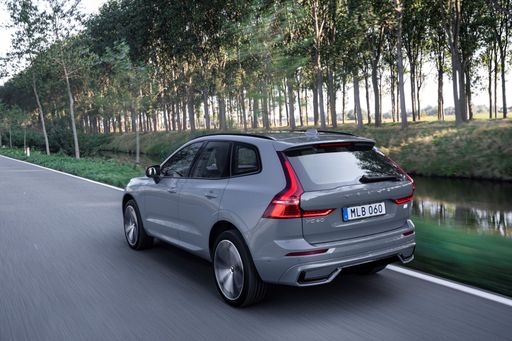
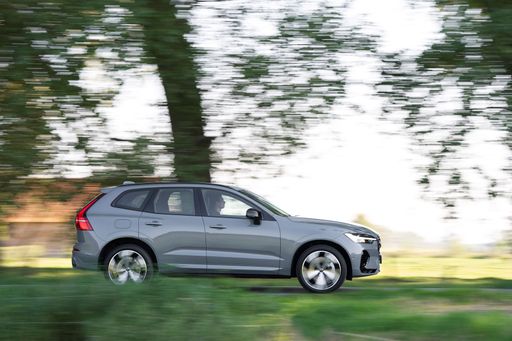
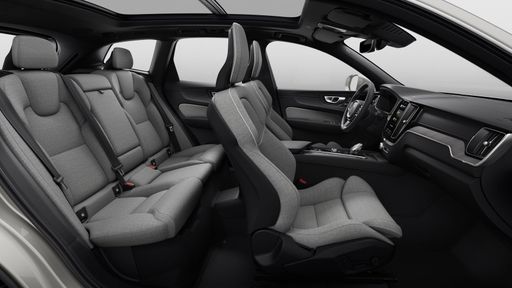
On the other end, the Volvo XC60 is known for its Scandinavian design, premium materials, and high safety ratings. As a mid-size SUV, it provides a more spacious feel and is designed with comfort and elegance in mind.

XC60

Technical Specs of the Volvo XC60

The XC60 offers fewer engine options, focusing primarily on petrol mild-hybrid and plug-in hybrid variants, with power outputs ranging from 250 to an impressive 455 horsepower. While it has a higher fuel consumption rate of 7.7 L/100 km, it compensates with potent performance, achieving 0-100 km/h in as little as 4.9 seconds in the top trim. However, its maximum speed is capped at 180 km/h.

X1

Interior and Cargo Space

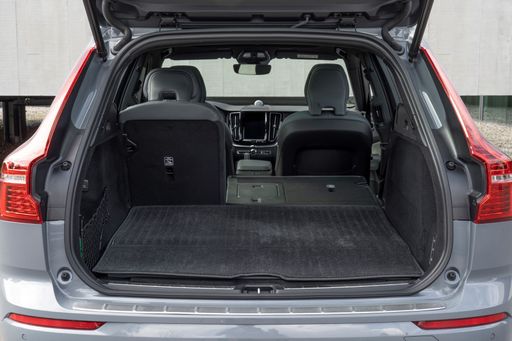
The XC60 marries luxury with practicality, offering a slightly smaller trunk capacity of 483 liters when compared to the X1. Nevertheless, with its overall length of 4688 mm and a width of 1902 mm, the XC60 provides a spacious interior designed for modern comforts.

XC60

Innovative Features of the Volvo XC60

Volvo’s commitment to safety is legendary, and the XC60 is a testament to that with its suite of advanced safety features, including automatic emergency braking, blind-spot monitoring, and a comprehensive suite of airbags. Moreover, an intuitive infotainment system anchored by a large vertical touchscreen enhances user experience and connectivity.

X1

Final Verdict

Both the BMW X1 and Volvo XC60 are formidable contenders in their class, each offering distinct advantages. The X1 leans more towards sporty performance and practicality, making it an engaging drive, while the XC60 focuses on luxurious comfort and unmatched safety features, appealing to families and those prioritizing premium experiences. Ultimately, your choice between these two vehicles will depend on your specific needs and preferences, but in either case, you're likely to end up with a well-rounded, capable SUV.

Here’s where it gets real: The technical differences in detail

XC60

Costs and Efficiency:

Looking at overall running costs, both models reveal some interesting differences in everyday economy.

BMW X1 is markedly cheaper – starting at 38,200 £ , while the Volvo XC60 costs 49,200 £ . That’s a price difference of around 10,963 £.

Fuel consumption also shows a difference: the BMW X1 uses 2.5 L/100km and is moderately more efficient than the Volvo XC60 with 2.8 L/100km. The difference is about 0.3 L/100km.

As for electric range, the Volvo XC60 offers only slightly more range – reaching up to 82 km, about 1 km more than the BMW X1.

X1

Engine and Performance:

Power, torque and acceleration are the classic benchmarks for car enthusiasts – and here, some clear differences start to show.

When it comes to engine power, the Volvo XC60 offers clearly more power – delivering 455 HP compared to 326 HP. That’s roughly 129 HP more horsepower.

When accelerating from 0 to 100 km/h, the Volvo XC60 is slightly quicker – completing the sprint in 4.9 s, while the BMW X1 takes 5.4 s. That’s about 0.5 s quicker.

Looking at top speed, the BMW X1 is markedly faster – reaching 233 km/h, while the Volvo XC60 tops out at 180 km/h. The difference is around 53 km/h.

There’s also a difference in torque: the Volvo XC60 delivers visibly more torque with 709 Nm compared to 477 Nm. That’s about 232 Nm more.

XC60

Space and Everyday Use:

Beyond pure performance, interior space and usability matter most in daily life. This is where you see which car is more practical and versatile.

Both vehicles offer seating for 5 people.

In terms of curb weight, BMW X1 is markedly lighter – 1,575 kg compared to 1,900 kg. The difference is around 325 kg.

Looking at boot space, the BMW X1 offers somewhat more boot space – 540 L compared to 483 L. That’s a difference of about 57 L.

For maximum load capacity, the BMW X1 offers only slightly more capacity – up to 1,545 L, about 2 L more than the Volvo XC60.

When it comes to payload, the Volvo XC60 carries barely more – 550 kg compared to 500 kg. That’s a difference of about 50 kg.

Who wins the race in the data check?

The Volvo XC60 shows a few small advantages in the objective data comparison.
This result only shows which model scores more points on paper – not which of the two cars feels right for you.

from £49,200
XC60

Volvo XC60

  • Engine Type : Petrol MHEV, Plugin Hybrid
  • Transmission : Automatic
  • Drive Type : All-Wheel Drive
  • Power HP : 250 - 455 HP
  • Consumption L/100km : 2.8 - 7.5 L/100km
  • Electric Range : 74 - 82 km
Volvo XC60
BMW X1

Costs and Consumption

View detailed analysis

Engine and Performance

View detailed analysis

Dimensions and Body

View detailed analysis

Volvo XC60

The Volvo XC60 blends Scandinavian calm with confident presence, offering a cabin that feels plush without shouting for attention. It’s a smart pick for buyers after a composed ride, clever practicality and thoughtful safety touches — it even makes running the family shuttle feel almost serene, which is a small miracle.

details

BMW X1

The BMW X1 brings a premium feel to compact crossover life, wrapping practical space and agile handling into a tidy, upscale package. It’s ideal for buyers who want BMW driving dynamics without the bulk, offering everyday comfort and a few clever tricks to keep the commute interesting.

details
Volvo XC60
BMW X1

Costs and Consumption

Price
49,200 - 75,100 £
Price
38,200 - 55,500 £
Consumption L/100km
2.8 - 7.5 L/100km
Consumption L/100km
2.5 - 7.7 L/100km
Consumption kWh/100km
-
Consumption kWh/100km
-
Electric Range
74 - 82 km
Electric Range
81 km
Battery Capacity
-
Battery Capacity
14.2 kWh
co2
64 - 169 g/km
co2
57 - 175 g/km
Fuel tank capacity
71 L
Fuel tank capacity
47 - 54 L

Dimensions and Body

Body Type
SUV
Body Type
SUV
Seats
5
Seats
5
Doors
5
Doors
5
Curb weight
1,900 - 2,150 kg
Curb weight
1,575 - 1,935 kg
Trunk capacity
468 - 483 L
Trunk capacity
490 - 540 L
Length
4,708 mm
Length
4,500 mm
Width
1,902 mm
Width
1,845 mm
Height
1,655 mm
Height
1,630 - 1,642 mm
Max trunk capacity
1,543 L
Max trunk capacity
1,495 - 1,545 L
Payload
510 - 550 kg
Payload
490 - 500 kg

Engine and Performance

Engine Type
Petrol MHEV, Plugin Hybrid
Engine Type
Diesel MHEV, Petrol MHEV, Petrol, Diesel, Plugin Hybrid
Transmission
Automatic
Transmission
Automatic
Transmission Detail
Automatic Gearbox
Transmission Detail
Dual-Clutch Automatic
Drive Type
All-Wheel Drive
Drive Type
Front-Wheel Drive, All-Wheel Drive
Power HP
250 - 455 HP
Power HP
136 - 326 HP
Acceleration 0-100km/h
4.9 - 6.9 s
Acceleration 0-100km/h
5.4 - 9.2 s
Max Speed
180 km/h
Max Speed
190 - 233 km/h
Torque
350 - 709 Nm
Torque
230 - 477 Nm
Number of Cylinders
4
Number of Cylinders
3 - 4
Power kW
184 - 335 kW
Power kW
100 - 240 kW
Engine capacity
1,969 cm3
Engine capacity
1,499 - 1,998 cm3

General

Model Year
2,025
Model Year
2,024 - 2,025
CO2 Efficiency Class
F, B
CO2 Efficiency Class
D, E, F, B
Brand
Volvo
Brand
BMW
DriveDuel uses data analysis and artificial intelligence to evaluate vehicle data and create content. Content is regularly reviewed and improved. The displayed prices are estimates based on German list prices, adjusted to the respective country’s VAT. Country-specific registration taxes are not included. This information is not legally binding.