VS

Volvo XC60 vs Lexus NX comparison

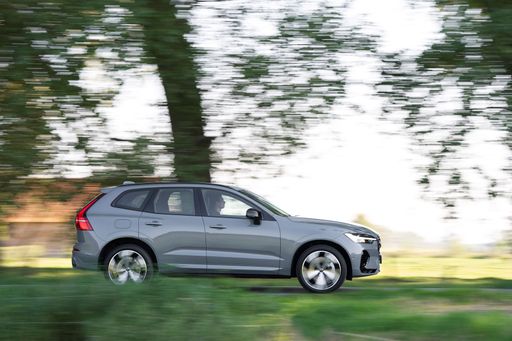
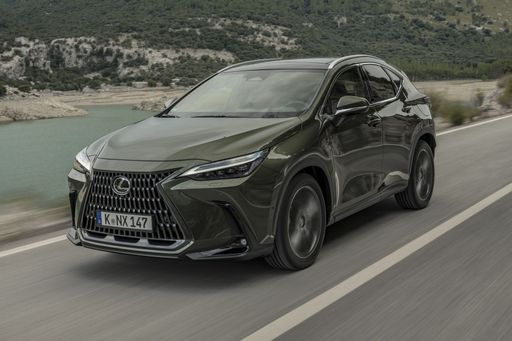
Compare performance (455 HP vs 292 HP), boot space and price (49,200 £ vs 46,000 £ ) at a glance. Find out which car is the better choice for you – Volvo XC60 or Lexus NX?

Volvo XC60 vs Lexus NX: Key differences

Volvo XC60

4.8 (6 Reviews)
rate
  • markedly more power
  • barely more efficient
  • a bit more electric range
  • noticeably quicker 0–100 km/h

Lexus NX

4.8 (11 Reviews)
rate
  • only slightly cheaper
  • only slightly lighter

All details on performance, efficiency, range and trunk space can be found in the technical comparison below – including user reviews for both models.

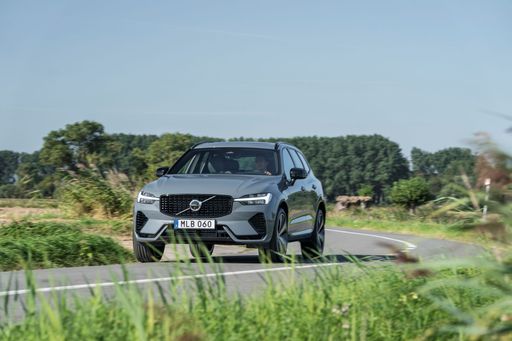
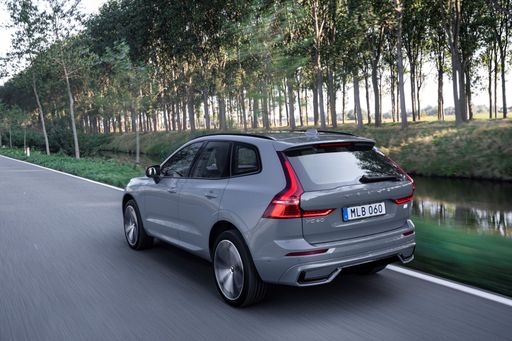
XC60

Luxury Showdown: Lexus NX vs. Volvo XC60

In the ever-competitive luxury SUV segment, the Lexus NX and Volvo XC60 stand out with their distinctive character, technological advancements, and performance capabilities. Offering a mix of style, comfort, and innovation, both vehicles cater to discerning buyers looking for more than just a means of transportation. Let’s dive deeper into the technical specifications and innovations of these two automotive marvels.
NX

Powertrain and Performance

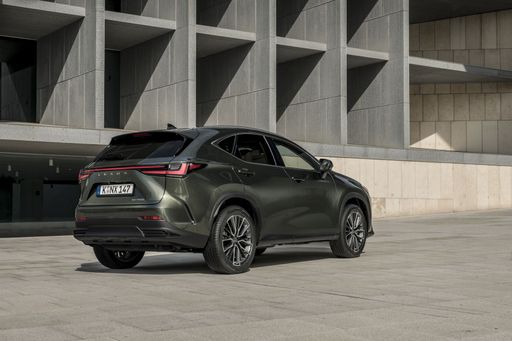
The Lexus NX comes equipped with various powertrain options, including a full hybrid and a plugin hybrid variant. Its engines deliver a power range from 244 HP to an impressive 309 HP, enabling an exhilarating acceleration from 0-100 km/h in just 6.3 seconds for the sportier version. The NX’s hybrid system is not just efficient, with fuel consumption figures averaging around 5.7 L/100 km, but also offers an electric-only range of up to 68 km, perfect for city driving.

On the other hand, the Volvo XC60 boasts a choice of petrol MHEV and plugin hybrid systems, offering power outputs ranging from 250 HP to a robust 455 HP. This results in an even quicker acceleration, with the top variant hitting the 100 km/h mark in only 4.9 seconds. While its fuel consumption is higher at 7.7 L/100 km, the XC60 compensates with an electric range reaching 80 km, thanks in part to a larger battery capacity of 14.7 kWh.

XC60

Dimensions and Capacity

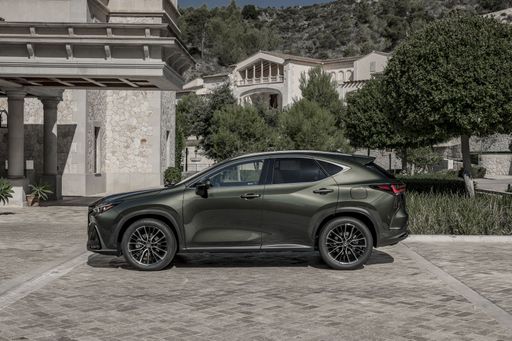
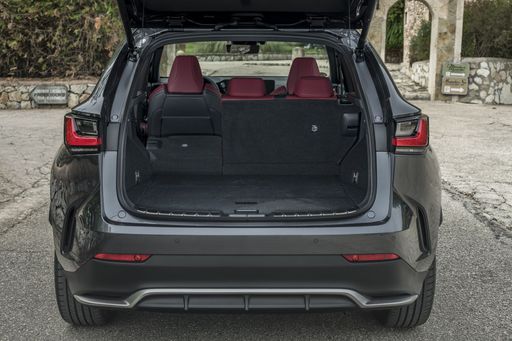
Dimensionally, the Lexus NX measures 4660 mm in length, 1865 mm in width, and stands at a height of 1670 mm. It boasts a trunk capacity of 545 liters, making it quite spacious for owners needing ample cargo space. Its curb weight ranges between 1805 kg and 2065 kg.

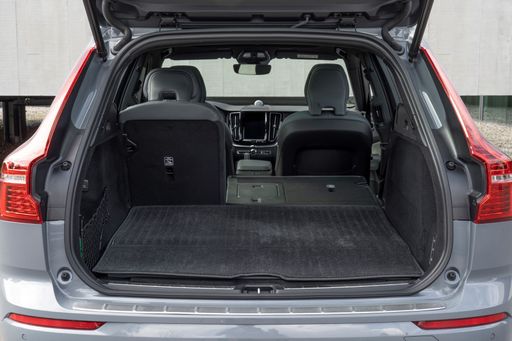
The Volvo XC60 is slightly larger, measuring 4688 mm in length and 1902 mm in width, with a height of 1658 mm. It offers a trunk capacity slightly lower at 483 liters with the standard option and 468 liters for the hybrid variant. Its curb weight ranges from 1900 kg to 2150 kg, depending on the configuration.

NX

Technological Innovations

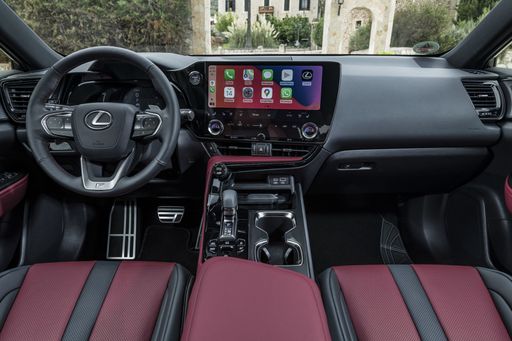
When it comes to technology, both vehicles offer cutting-edge features that enhance convenience and safety. The Lexus NX integrates a state-of-the-art infotainment system that includes a 14-inch touchscreen, offering seamless connectivity with Apple CarPlay and Android Auto. Additionally, the Lexus Safety System+ comes standard, incorporating adaptive cruise control, lane-keeping assist, and a pre-collision system to ensure a secure drive.

The Volvo XC60 prides itself on its minimalist and user-friendly interface, featuring a vertically oriented touchscreen with a robust infotainment system that supports over-the-air updates. Volvo’s advanced safety technology, including Pilot Assist and City Safety, sets a benchmark in the industry, helping to prevent collisions and ensure driver awareness.

XC60

Eco-Friendliness and Efficiency

In terms of emissions, the Lexus NX shines with a CO2 efficiency rating as low as 129 g/km, especially in its hybrid configurations. The hybrid technology results in reduced fuel consumption and lower emissions, making it an eco-friendly option for urban dwellers.

Similarly, the Volvo XC60 offers hybrid models with lower emissions, with its best configuration achieving a CO2 output of just 22 g/km, thanks to its efficient electrical systems. This focus on sustainability showcases Volvo's commitment to eco-friendliness without compromising performance.

NX

Conclusion: Which One is Right for You?

In conclusion, both the Lexus NX and Volvo XC60 present compelling cases in the luxury SUV market. The NX offers an elegant design, superior cargo capacity, and efficient hybrid technology, making it a suitable choice for those prioritizing comfort and eco-friendliness. Meanwhile, the XC60 impresses with its powerful performance, innovative safety features, and cutting-edge technology. Your choice will ultimately depend on your specific needs, preferences, and driving style. Both models, however, are sure to provide a luxurious experience on the road.

Here’s where it gets real: The technical differences in detail

XC60

Costs and Efficiency:

Price and efficiency are often the first things buyers look at. Here it becomes clear which model has the long-term edge – whether at the pump, the plug, or in purchase price.

Lexus NX is only slightly cheaper – starting at 46,000 £ , while the Volvo XC60 costs 49,200 £ . That’s a price difference of around 3,163 £.

Fuel consumption also shows a difference: the Volvo XC60 uses 2.8 L/100km and is barely more efficient than the Lexus NX with 2.9 L/100km. The difference is about 0.1 L/100km.

As for electric range, the Volvo XC60 offers a bit more range – reaching up to 82 km, about 10 km more than the Lexus NX.

NX

Engine and Performance:

Power, torque and acceleration say a lot about how a car feels on the road. This is where you see which model delivers more driving dynamics.

When it comes to engine power, the Volvo XC60 offers markedly more power – delivering 455 HP compared to 292 HP. That’s roughly 163 HP more horsepower.

When accelerating from 0 to 100 km/h, the Volvo XC60 is noticeably quicker – completing the sprint in 4.9 s, while the Lexus NX takes 6.4 s. That’s about 1.5 s quicker.

XC60

Space and Everyday Use:

Beyond pure performance, interior space and usability matter most in daily life. This is where you see which car is more practical and versatile.

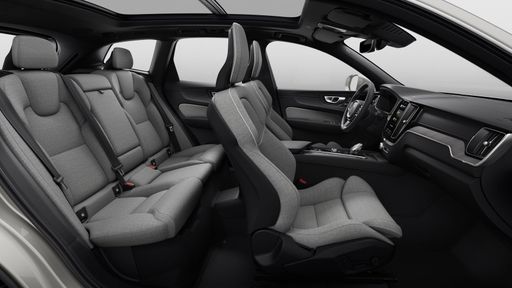
Both vehicles offer seating for 5 people.

In terms of curb weight, Lexus NX is only slightly lighter – 1,805 kg compared to 1,900 kg. The difference is around 95 kg.

When it comes to payload, the Volvo XC60 carries barely more – 550 kg compared to 515 kg. That’s a difference of about 35 kg.

Who wins the race in the data check?

The Volvo XC60 is decisively ahead in the objective data comparison.
This result only shows which model scores more points on paper – not which of the two cars feels right for you.

from £49,200
XC60

Volvo XC60

  • Engine Type : Petrol MHEV, Plugin Hybrid
  • Transmission : Automatic
  • Drive Type : All-Wheel Drive
  • Power HP : 250 - 455 HP
  • Consumption L/100km : 2.8 - 7.5 L/100km
  • Electric Range : 74 - 82 km
Volvo XC60
Lexus NX

Costs and Consumption

View detailed analysis

Engine and Performance

View detailed analysis

Dimensions and Body

View detailed analysis

Volvo XC60

The Volvo XC60 blends Scandinavian calm with confident presence, offering a cabin that feels plush without shouting for attention. It’s a smart pick for buyers after a composed ride, clever practicality and thoughtful safety touches — it even makes running the family shuttle feel almost serene, which is a small miracle.

details

Lexus NX

The Lexus NX wraps striking, chiseled styling around a cabin that feels more crafted living room than utility vehicle, with soft materials and user-friendly tech that give it genuine premium cachet. On the road it's composed and quietly confident, trading sporty pretensions for a refined, easygoing personality that will suit buyers who want luxury without fuss — with a little Lexus flair to make daily commutes feel special.

details
Volvo XC60
Lexus NX

Costs and Consumption

Price
49,200 - 75,100 £
Price
46,000 - 64,300 £
Consumption L/100km
2.8 - 7.5 L/100km
Consumption L/100km
2.9 - 5.9 L/100km
Consumption kWh/100km
-
Consumption kWh/100km
-
Electric Range
74 - 82 km
Electric Range
72 km
Battery Capacity
-
Battery Capacity
-
co2
64 - 169 g/km
co2
65 - 134 g/km
Fuel tank capacity
71 L
Fuel tank capacity
-

Dimensions and Body

Body Type
SUV
Body Type
SUV
Seats
5
Seats
5
Doors
5
Doors
-
Curb weight
1,900 - 2,150 kg
Curb weight
1,805 - 2,065 kg
Trunk capacity
468 - 483 L
Trunk capacity
-
Length
4,708 mm
Length
-
Width
1,902 mm
Width
1,865 mm
Height
1,655 mm
Height
-
Max trunk capacity
1,543 L
Max trunk capacity
-
Payload
510 - 550 kg
Payload
475 - 515 kg

Engine and Performance

Engine Type
Petrol MHEV, Plugin Hybrid
Engine Type
Full Hybrid, Plugin Hybrid
Transmission
Automatic
Transmission
Automatic
Transmission Detail
Automatic Gearbox
Transmission Detail
CVT
Drive Type
All-Wheel Drive
Drive Type
Front-Wheel Drive, All-Wheel Drive
Power HP
250 - 455 HP
Power HP
200 - 292 HP
Acceleration 0-100km/h
4.9 - 6.9 s
Acceleration 0-100km/h
6.4 - 8.8 s
Max Speed
180 km/h
Max Speed
-
Torque
350 - 709 Nm
Torque
-
Number of Cylinders
4
Number of Cylinders
4
Power kW
184 - 335 kW
Power kW
147 - 215 kW
Engine capacity
1,969 cm3
Engine capacity
2,487 cm3

General

Model Year
2,025
Model Year
2,025
CO2 Efficiency Class
F, B
CO2 Efficiency Class
D, B
Brand
Volvo
Brand
Lexus
DriveDuel uses data analysis and artificial intelligence to evaluate vehicle data and create content. Content is regularly reviewed and improved. The displayed prices are estimates based on German list prices, adjusted to the respective country’s VAT. Country-specific registration taxes are not included. This information is not legally binding.