VS

Volvo XC60 vs Mercedes GLC comparison

Compare performance (406 HP vs 472 HP), boot space and price (58,300 £ vs 50,300 £ ) at a glance. Find out which car is the better choice for you – Volvo XC60 or Mercedes GLC?

Volvo XC60 vs Mercedes GLC: Key differences

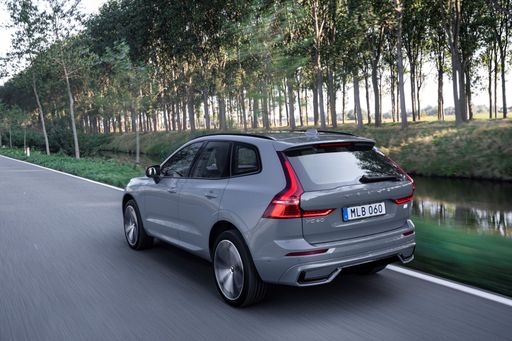
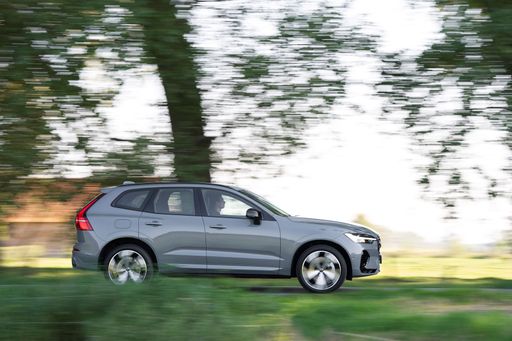
Volvo XC60

4.7 (7 Reviews)
rate
details

Mercedes GLC

4.4 (12 Reviews)
rate
  • moderately cheaper
  • moderately more power
  • visibly more electric range
  • somewhat quicker 0–100 km/h
  • very slightly lighter
details

All details on performance, efficiency, range and trunk space can be found in the technical comparison below – including user reviews for both models.

By Achim Sedelmaier

XC60

Mercedes GLC vs Volvo XC60: the premium SUV choice made clear

The Mercedes GLC and Volvo XC60 take different routes to calm, premium motoring. The Mercedes leans into high-tech polish and long‑distance serenity, while the Volvo trades flash for Scandinavian ease and outstanding seats. Both feel quiet and grown‑up, but they set a different mood the moment you grab the wheel. This comparison focuses on how those differences play out in everyday life, from school runs to motorway hauls.
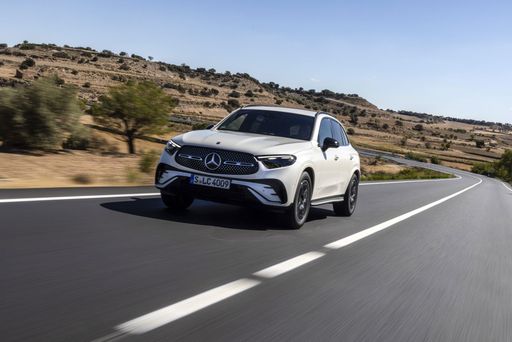
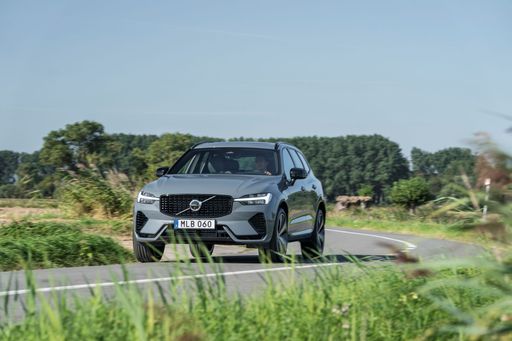
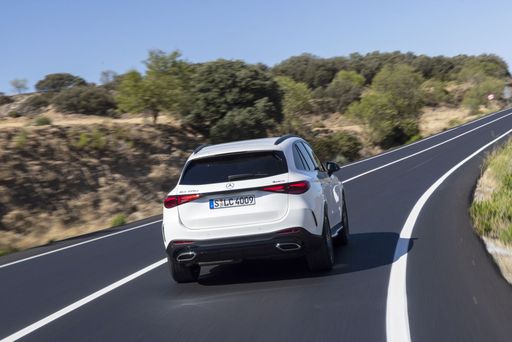
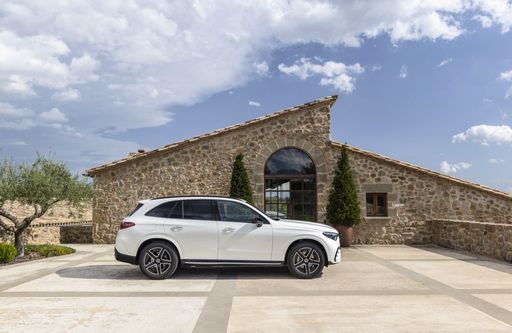
GLC

On-road character: poised cruiser vs laid-back glide

The Mercedes GLC feels more planted at speed, with a confident, hushed stride that suits fast motorway work. It can be made surprisingly maneuverable with its chassis options, though on basic suspension and big wheels it can thump over sharp edges. The Volvo XC60 prioritises relaxation, rolling along smoothly and with gentle steering, but it leans more in corners and prefers a gentler pace. Push both and the GLC responds with more muscle and tighter body control, while the XC60 stays calm but less precise. If you value unruffled stability and a sense of reserve power, the Mercedes has the edge; if you want an easygoing, de‑stressing drive, the Volvo nails the brief.

XC60

Cabin feel and tech: digital theater vs Nordic calm

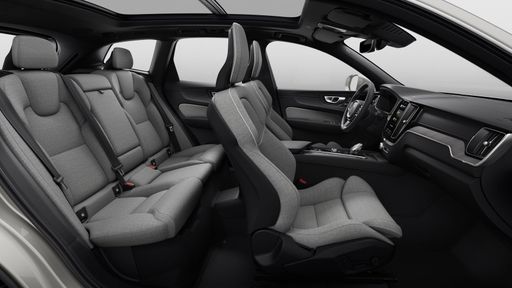
Inside, the Mercedes GLC delivers wow-factor screens and a strong voice assistant that takes the sting out of complex menus. The flip side is touch-heavy climate controls and fiddly steering‑wheel pads that can frustrate on bumpy roads. The Volvo XC60 goes the other way: minimalist design, warm materials and some of the most supportive seats you’ll find at any price. Google-based navigation and voice control are intuitive, but core functions still hide in the screen and the system can have the odd software quirk. Tech lovers and voice-command fans will gravitate to the GLC, while tactile quality and seat comfort put the XC60 ahead for long days behind the wheel.

GLC

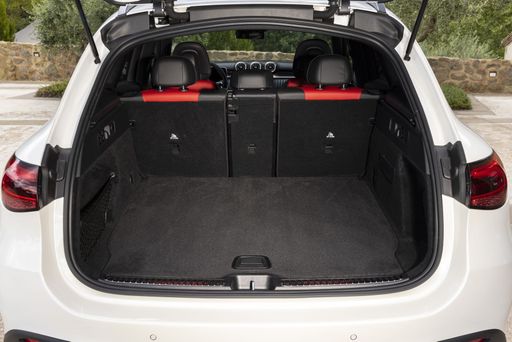
Space and usability: big‑boot Benz vs square‑set Swede

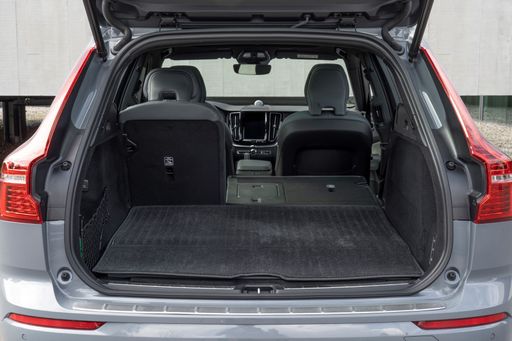
For luggage, the Mercedes GLC in non‑plug‑in form offers notably generous space and handy touches that make family loading easy. The plug‑in GLC, however, gives up some cargo height and underfloor room, so prams and pets may fit less elegantly. The Volvo XC60’s boot is smaller on paper but usefully square with a flat floor, so it swallows everyday clutter without drama. Both take two child seats easily, yet the XC60’s big windows make parking and lane changes feel more natural. If you tour with lots of kit, the right GLC spec is the safer bet; for straightforward daily usability and visibility, the XC60 feels friendlier.

XC60

Electrified use and efficiency: range leader vs easy EV town run

Among plug‑ins, the Mercedes GLC stands out for a longer real‑world electric stretch and the ability to top up faster when you do find a suitable charger. That makes genuine commuter‑week driving on electricity far more plausible, especially if you can plug in regularly. The Volvo XC60’s plug‑in feels smooth and quiet in town and will cover typical short trips electrically, but its charging setup is less time‑efficient and economy drops more noticeably once the battery is low. High‑milers will also appreciate the Mercedes’ strong long‑range drivetrain options, while both remain impressively quiet at a cruise. If you intend to lean hard on EV miles, the GLC rewards the routine; if you want simple, silent urban running without chasing every charge window, the XC60 is pleasantly undemanding.

GLC

Buyer fit and costs: spec-smart Mercedes or serene Volvo

Depending on market and trim, the Mercedes GLC can price keenly, but its tempting option packs quickly add up; shop specs with care. The Volvo XC60 often feels costly for its size, yet counters with rich perceived quality and a deep safety roster, albeit with a shorter basic warranty than some rivals. Choose the Mercedes GLC if you spend serious time on motorways, want stronger performance headroom, and—crucially—plan to exploit a long electric commute from a plug‑in. Choose the Volvo XC60 if you value soothing seats, easy visibility and a calming cabin that takes the edge off every trip. With those priorities clear, the technical comparison below will help you lock in the right configuration for your kind of driving.

Here’s where it gets real: The technical differences in detail

XC60

Costs and Efficiency:

Looking at overall running costs, both models reveal some interesting differences in everyday economy.

Mercedes GLC is moderately cheaper – starting at 50,300 £ , while the Volvo XC60 costs 58,300 £ . That’s a price difference of around 7,950 £.

Both cars consume an average of 1.6 L/100km – no difference here.

As for electric range, the Mercedes GLC offers visibly more range – reaching up to 128 km, about 49 km more than the Volvo XC60.

GLC

Engine and Performance:

Power, torque and acceleration are the classic benchmarks for car enthusiasts – and here, some clear differences start to show.

When it comes to engine power, the Mercedes GLC offers moderately more power – delivering 472 HP compared to 406 HP. That’s roughly 66 HP more horsepower.

When accelerating from 0 to 100 km/h, the Mercedes GLC is somewhat quicker – completing the sprint in 4.2 s, while the Volvo XC60 takes 4.9 s. That’s about 0.7 s quicker.

There’s also a difference in torque: the Mercedes GLC delivers moderately more torque with 750 Nm compared to 669 Nm. That’s about 81 Nm more.

XC60

Space and Everyday Use:

Beyond pure performance, interior space and usability matter most in daily life. This is where you see which car is more practical and versatile.

Both vehicles offer seating for 5 people.

In terms of curb weight, Mercedes GLC is very slightly lighter – 1,985 kg compared to 2,150 kg. The difference is around 165 kg.

When it comes to payload, the Mercedes GLC carries a bit more – 575 kg compared to 510 kg. That’s a difference of about 65 kg.

Who wins the race in the data check?

The Mercedes GLC holds a decisive overall lead in the objective data comparison.
This result only shows which model scores more points on paper – not which of the two cars feels right for you.

from £50,300
GLC

Mercedes GLC

  • Engine Type : Diesel MHEV, Plugin Hybrid, Petrol MHEV
  • Transmission : Automatic
  • Drive Type : All-Wheel Drive
  • Power HP : 186 - 472 HP
  • Consumption L/100km : 1.6 - 9.4 L/100km
  • Electric Range : 122 - 128 km
Volvo XC60
Mercedes GLC

Costs and Consumption

View detailed analysis

Engine and Performance

View detailed analysis

Dimensions and Body

View detailed analysis

Volvo XC60

The Volvo XC60 blends Scandinavian elegance with a strong focus on occupant safety, delivering a calm, composed ride and a well-crafted, user-friendly cabin. It’s a practical yet premium compact SUV that balances comfort with confident road manners, ideal for buyers who value refinement and everyday usability.

details

Mercedes GLC

The Mercedes GLC blends quiet refinement with premium materials to create a comfortable, modern cabin that feels more upscale than its size might suggest. It delivers composed handling and confident on-road manners while offering practical versatility and a strong suite of driver assistance and infotainment features.

details
Volvo XC60
Mercedes GLC

Costs and Consumption

Price
58,300 - 71,400 £
Price
50,300 - 82,100 £
Consumption L/100km
1.6 L/100km
Consumption L/100km
1.6 - 9.4 L/100km
Consumption kWh/100km
-
Consumption kWh/100km
-
Electric Range
79 km
Electric Range
122 - 128 km
Battery Capacity
-
Battery Capacity
-
co2
59 g/km
co2
41 - 214 g/km
Fuel tank capacity
-
Fuel tank capacity
-

Dimensions and Body

Body Type
SUV
Body Type
SUV
Seats
5
Seats
5
Doors
-
Doors
-
Curb weight
2,150 kg
Curb weight
1,985 - 2,400 kg
Trunk capacity
-
Trunk capacity
390 - 620 L
Length
-
Length
-
Width
1,902 mm
Width
1,890 - 1,920 mm
Height
-
Height
-
Max trunk capacity
-
Max trunk capacity
-
Payload
510 kg
Payload
475 - 575 kg

Engine and Performance

Engine Type
Plugin Hybrid
Engine Type
Diesel MHEV, Plugin Hybrid, Petrol MHEV
Transmission
Automatic
Transmission
Automatic
Transmission Detail
Automatic Gearbox
Transmission Detail
Automatic Gearbox
Drive Type
All-Wheel Drive
Drive Type
All-Wheel Drive
Power HP
335 - 406 HP
Power HP
186 - 472 HP
Acceleration 0-100km/h
4.9 - 5.7 s
Acceleration 0-100km/h
4.2 - 9 s
Max Speed
-
Max Speed
-
Torque
589 - 669 Nm
Torque
380 - 750 Nm
Number of Cylinders
4
Number of Cylinders
4 - 6
Power kW
247 - 299 kW
Power kW
137 - 347 kW
Engine capacity
1,969 cm3
Engine capacity
1,993 - 2,999 cm3

General

Model Year
2026
Model Year
2,025 - 2,026
CO2 Efficiency Class
B
CO2 Efficiency Class
D, B, E, F, G
Brand
Volvo
Brand
Mercedes-Benz
DriveDuel uses data analysis and artificial intelligence to evaluate vehicle data and create content. Content is regularly reviewed and improved. The displayed prices are estimates based on German list prices, adjusted to the respective country’s VAT. Country-specific registration taxes are not included. This information is not legally binding.