VS

VW Golf vs CUPRA Born comparison

Compare performance (325 HP vs 326 HP), boot space and price (28,300 £ vs 34,300 £ ) at a glance. Find out which car is the better choice for you – VW Golf or CUPRA Born?

VW Golf vs CUPRA Born: Key differences

VW Golf

4.6 (1 Reviews)
rate
  • clearly cheaper
  • barely quicker 0–100 km/h
  • considerably lighter
details

CUPRA Born

3.9 (3 Reviews)
rate
  • very slightly more power
  • significantly more electric range
  • marginally more trunk space
details

By Achim Sedelmaier

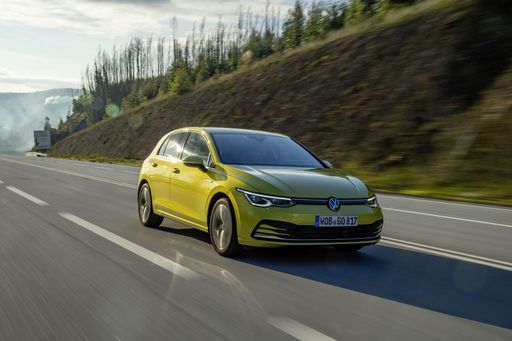
Golf

Overview: Embracing Two Worlds

As the automotive industry rapidly shifts towards electrification, two prominent hatchbacks stand out in the crowded market: the CUPRA Born and the Volkswagen Golf. While both vehicles hail from the same parent company and share a similar design ethos, they cater to different audiences with distinct technical innovations. This comparison aims to highlight the key differences that set these models apart in performance, efficiency, and driving pleasure.
Born

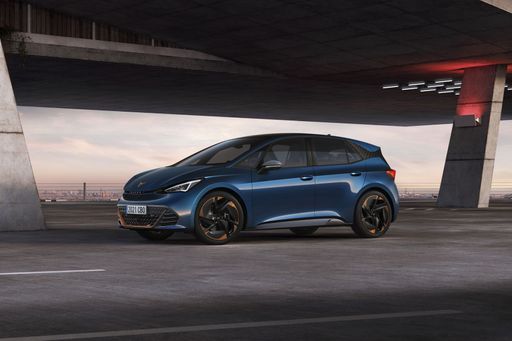
CUPRA Born: The All-Electric Challenger

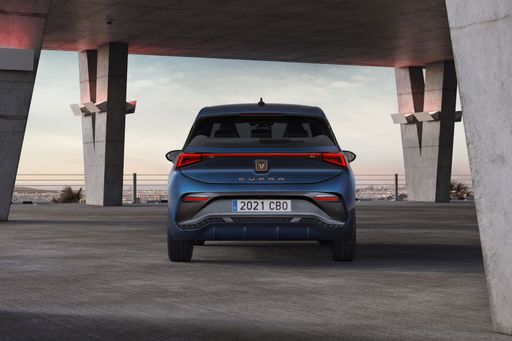
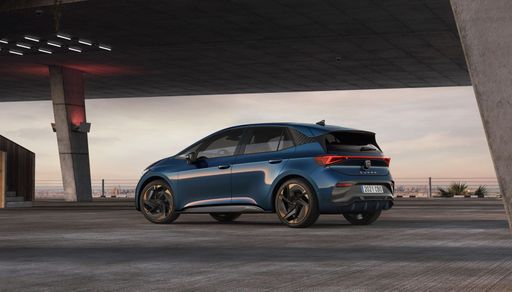
The CUPRA Born makes a bold statement as an all-electric hatchback. Sporting a sleek design and modern technology, it signals a progressive movement towards sustainability without sacrificing performance.

  • Power Options: The Born is available in variants delivering power outputs of 231 HP and 326 HP, with a robust torque of up to 545 Nm. This ensures thrilling acceleration, capable of impressively sprinting from 0-100 km/h in as little as 5.6 seconds.
  • Range and Efficiency: With a battery capacity of 60 kWh and 77 kWh, the CUPRA Born maximizes range from 427 km to an astonishing 555 km. This impressive efficiency, with consumption ratings as low as 14.9 kWh/100 km, ensures fewer stops on long journeys.
  • Driving Dynamics: Being a rear-wheel-drive electric vehicle, the CUPRA Born offers a different driving experience, enhancing maneuverability and acceleration responsiveness, tailored to enthusiastic drivers.
Golf

Volkswagen Golf: The Icon & Its Versatile Options

The Volkswagen Golf has long been recognized as a staple in the hatchback segment, blending practicality with performance. In its latest iteration, the 2024 model showcases a diverse range of powertrain options catering to various preferences.

  • Diverse Engine Lineup: The Golf is available in petrol MHEV, diesel, and plugin hybrid configurations, offering a range of power outputs from 116 HP to a maximum of 333 HP. This variety ensures that customers can select the engine that best fits their lifestyle.
  • Refined Performance: With the capability to accelerate from 0-100 km/h in as little as 4.6 seconds with the top-performance models, the Golf maintains its legacy of responsive handling. However, the fuel consumption varies widely, with ratings ranging from 4.3 to 8.5 L/100 km depending on the engine.
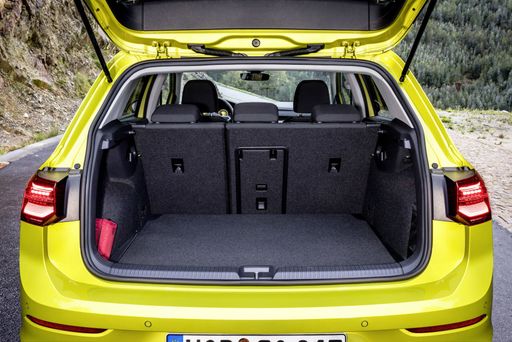
  • Practicality Meets Style: The Golf boasts a trunk capacity of up to 381 liters, slightly less than the Born but still offers ample space for daily needs. Its versatile design and numerous features make it an enduring choice among hatchback enthusiasts.
Born

Comparing Innovations: Tech Features and Comfort

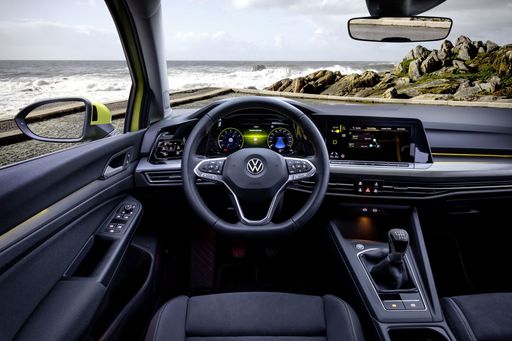
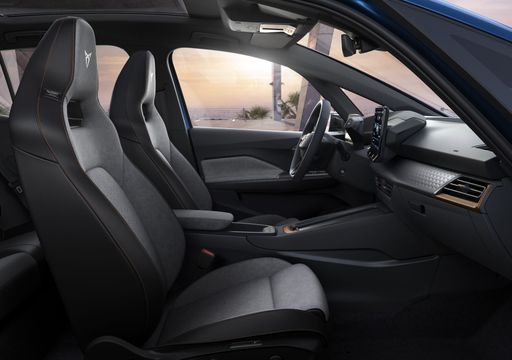
When it comes to interiors and technology, both the CUPRA Born and VW Golf are equipped with features that enhance the driving experience.

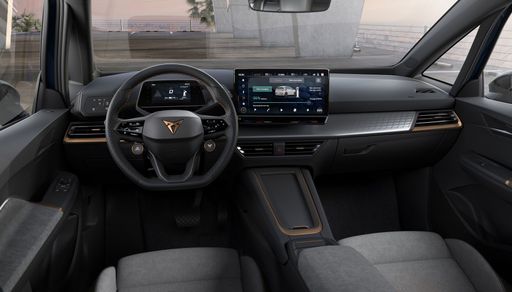
  • Infotainment Systems: Both models come with advanced infotainment systems, providing seamless connectivity and navigation capabilities. The Born, however, utilizes a more modern interface tailored for electric vehicles, focusing on efficiency metrics and eco-friendly performance.
  • Driver Assistance: The VW Golf is typically known for its comprehensive suite of driver assistance technologies, including adaptive cruise control and lane-keeping assistance. The Born has similarly advanced systems, reflecting CUPRA’s commitment to safety and comfort.
Golf

Conclusion: Choosing Between Future and Familiarity

Choosing between the CUPRA Born and the VW Golf ultimately comes down to personal preferences and driving needs. The Born shines as an all-electric vehicle designed for enthusiasts who value performance and sustainability. On the other hand, the Volkswagen Golf remains a versatile option for buyers looking for a widely recognized model with diverse engine choices and practicality. Both hatchbacks symbolize the evolving landscape of modern automobiles, catering to different ideals while embracing innovation.

Here’s where it gets real: The technical differences in detail

Golf

Costs and Efficiency:

Price and efficiency are often the first things buyers look at. Here it becomes clear which model has the long-term edge – whether at the pump, the plug, or in purchase price.

VW Golf is clearly cheaper – starting at 28,300 £ , while the CUPRA Born costs 34,300 £ . That’s a price difference of around 5,996 £.

As for electric range, the CUPRA Born offers significantly more range – reaching up to 630 km, about 487 km more than the VW Golf.

Born

Engine and Performance:

Power, torque and acceleration say a lot about how a car feels on the road. This is where you see which model delivers more driving dynamics.

When it comes to engine power, the CUPRA Born offers very slightly more power – delivering 326 HP compared to 325 HP. That’s roughly 1 HP more horsepower.

When accelerating from 0 to 100 km/h, the VW Golf is barely quicker – completing the sprint in 5.3 s, while the CUPRA Born takes 5.6 s. That’s about 0.3 s quicker.

There’s also a difference in torque: the CUPRA Born delivers visibly more torque with 545 Nm compared to 420 Nm. That’s about 125 Nm more.

Golf

Space and Everyday Use:

Beyond pure performance, interior space and usability matter most in daily life. This is where you see which car is more practical and versatile.

Both vehicles offer seating for 5 people.

In terms of curb weight, VW Golf is considerably lighter – 1,307 kg compared to 1,899 kg. The difference is around 592 kg.

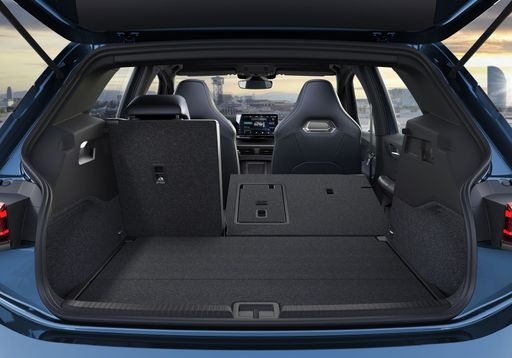
Looking at boot space, the CUPRA Born offers marginally more boot space – 385 L compared to 381 L. That’s a difference of about 4 L.

When it comes to payload, the VW Golf carries very slightly more – 508 kg compared to 461 kg. That’s a difference of about 47 kg.

Who wins the race in the data check?

The CUPRA Born is decisively ahead in the objective data comparison.
This result only shows which model scores more points on paper – not which of the two cars feels right for you.

from £34,300
Born

CUPRA Born

  • Engine Type Electric
  • Transmission Automatic
  • Drive Type Rear-Wheel Drive
  • Power HP 190 - 326 HP
  • Consumption kWh/100km 14.1 - 14.4 kWh/100km
  • Electric Range 484 - 630 km
VW Golf
CUPRA Born

Costs and Consumption

View detailed analysis

Engine and Performance

View detailed analysis

Dimensions and Body

View detailed analysis

VW Golf

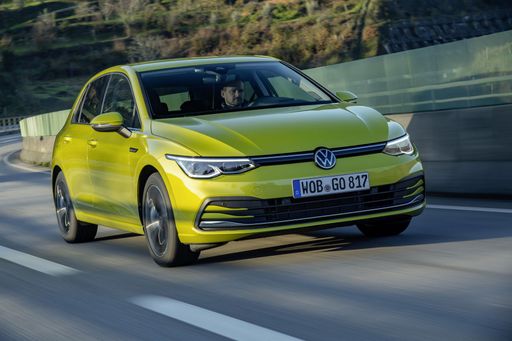
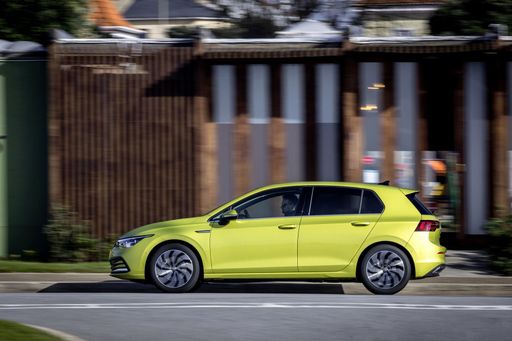
The Golf is a quietly accomplished compact that blends practicality, refinement and approachable driving manners into a very usable everyday package. It’s well built, comfortable and versatile, making it a smart choice whether you want sensible family transport or an enjoyable commuter.

details

CUPRA Born

The CUPRA Born blends sharp, athletic styling with a playful electric character, delivering hatchback agility and hot-hatch attitude whether you're darting through the city or cruising the open road. Inside, the cabin punches above its weight with smart materials and practical space, making it a compelling pick for buyers who want electric motoring without surrendering the grin.

details
VW Golf
CUPRA Born

Costs and Consumption

Price
28,300 - 46,700 £
Price
34,300 - 43,700 £
Consumption L/100km
1.1 - 7.6 L/100km
Consumption L/100km
-
Consumption kWh/100km
-
Consumption kWh/100km
14.1 - 14.4 kWh/100km
Electric Range
131 - 143 km
Electric Range
484 - 630 km
Battery Capacity
-
Battery Capacity
-
co2
25 - 173 g/km
co2
0 g/km
Fuel tank capacity
-
Fuel tank capacity
-

Dimensions and Body

Body Type
Hatchback
Body Type
Hatchback
Seats
5
Seats
5
Doors
-
Doors
-
Curb weight
1,307 - 1,662 kg
Curb weight
1,899 - 2,004 kg
Trunk capacity
273 - 381 L
Trunk capacity
385 L
Length
-
Length
-
Width
1,789 mm
Width
1,809 mm
Height
-
Height
-
Max trunk capacity
-
Max trunk capacity
-
Payload
438 - 508 kg
Payload
426 - 461 kg

Engine and Performance

Engine Type
Petrol, Petrol MHEV, Diesel, Plugin Hybrid
Engine Type
Electric
Transmission
Manuel, Automatic
Transmission
Automatic
Transmission Detail
Manual Gearbox, Dual-Clutch Automatic
Transmission Detail
Reduction Gearbox
Drive Type
Front-Wheel Drive, All-Wheel Drive
Drive Type
Rear-Wheel Drive
Power HP
116 - 325 HP
Power HP
190 - 326 HP
Acceleration 0-100km/h
5.3 - 10.2 s
Acceleration 0-100km/h
5.6 - 8 s
Max Speed
-
Max Speed
-
Torque
220 - 420 Nm
Torque
350 - 545 Nm
Number of Cylinders
4
Number of Cylinders
-
Power kW
85 - 239 kW
Power kW
140 - 240 kW
Engine capacity
1,498 - 1,984 cm3
Engine capacity
-

General

Model Year
2025
Model Year
2026
CO2 Efficiency Class
D, C, F, B
CO2 Efficiency Class
A
Brand
VW
Brand
CUPRA
DriveDuel uses data analysis and artificial intelligence to evaluate vehicle data and create content. Content is regularly reviewed and improved. The displayed prices are estimates based on German list prices, adjusted to the respective country’s VAT. Country-specific registration taxes are not included. This information is not legally binding.