VS

VW ID.5 vs Polestar 2 comparison

Compare performance (340 HP vs 476 HP), boot space and price (36,800 £ vs 42,000 £ ) at a glance. Find out which car is the better choice for you – VW ID.5 or Polestar 2?

VW ID.5 vs Polestar 2: Key differences

VW ID.5

2.9 (2 Reviews)
rate
  • a bit cheaper
  • marginally lighter
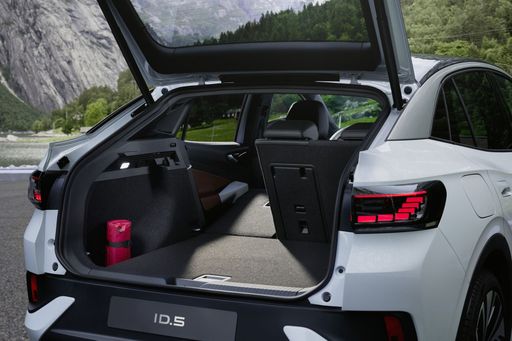
  • noticeably more trunk space

Polestar 2

5 (1 Reviews)
rate
  • visibly more power
  • barely more efficient
  • moderately more electric range
  • markedly quicker 0–100 km/h
ID.5

The Modern Electric Matchup: VW ID.5 vs. Polestar 2

As the automotive industry shifts toward sustainable and efficient mobility, electric vehicles (EVs) are becoming prominent contenders in the quest for the ultimate driving experience. Today, we dissect two of the most intriguing electric options on the market: the VW ID.5 and the Polestar 2. These vehicles promise an interesting blend of style, performance, and technology, but which one stands out in the ever-growing electric landscape?
2

Design and Dimensions

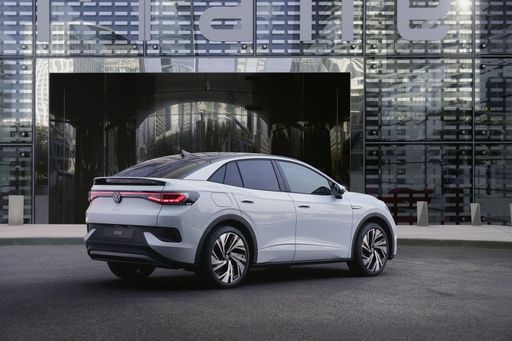
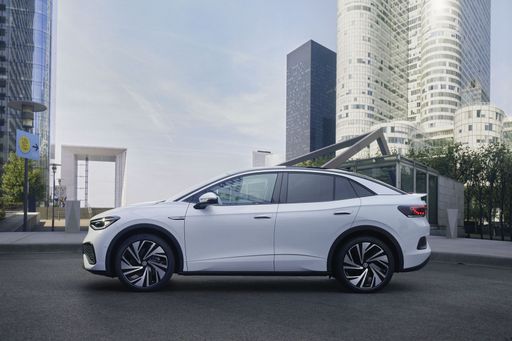
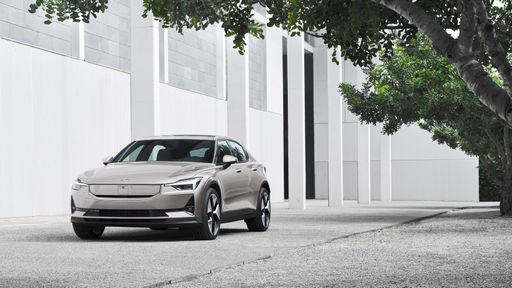
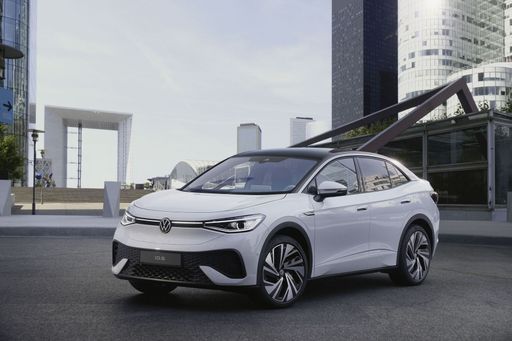
Both the VW ID.5 and the Polestar 2 bring unique design philosophies to the table, catering to different aesthetics and practical needs. The VW ID.5, with its SUV body type, measures between 4599mm and 4582mm in length, ensuring a commanding road presence. It boasts a height of 1618mm, which provides a higher seating position for better road visibility, accentuating its SUV appeal.

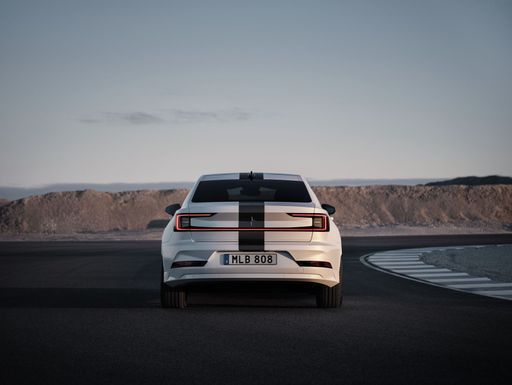
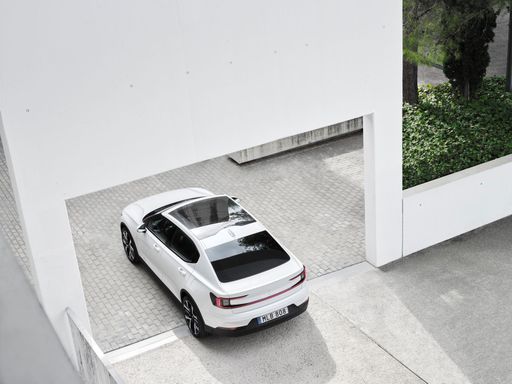
In contrast, the Polestar 2, a sleek sedan, is slightly longer at 4606mm but significantly lower with a height ranging between 1479mm and 1473mm. Its low profile and polished design offer a sporty essence, clearly aimed at those who appreciate a dynamic and aerodynamic form.

ID.5

Performance and Efficiency

When it comes to performance, both vehicles cater to the speed enthusiast while being environmentally conscious. The VW ID.5 offers a range of power outputs from 170 HP to a robust 340 HP, depending on the drive configuration. Its maximum range varies from 363 km to an impressive 559 km, thanks to battery options of 52 kWh, 79 kWh, and 77 kWh.

The Polestar 2, on the other hand, delivers a formidable performance range from 272 HP up to an impressive 476 HP. Its efficient energy consumption, ranging from 14.8 kWh/100km to 16.8 kWh/100km, allows for a commendable electric range reaching up to 659 km, all with a standardized 78 kWh battery capacity.

2

Acceleration and Speed Capabilities

Acceleration per performance enthusiasts is paramount, and both these models don’t disappoint. The VW ID.5 achieves 0-100 km/h in a range of 8.9 seconds to 5.4 seconds, with a top speed of 180 km/h. This makes it a solid choice for drivers looking for a capable urban cruiser with decent rapid acceleration.

The Polestar 2 further sharpens the acceleration benchmark, clocking 0-100 km/h as fast as 4.2 seconds. Its superior top speed of 205 km/h places it near the pinnacle of high-performance electric sedans, favoring those with a need for speed.

ID.5

Interior & Cargo Space

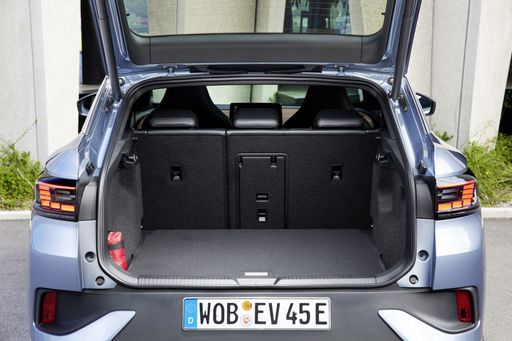
Both cars are designed with practicality in mind, providing ample seating for five passengers. The VW ID.5 boasts a generous trunk capacity of 549 liters, making it an excellent choice for family adventures or transporting large cargo loads. The Polestar 2’s trunk, although smaller at 405 liters, continues to offer sufficient space for typical daily usage, particularly thoughtful for urban consumers who prioritize sportiness over cargo capacity.

2

Conclusion: Choosing Your Electric Companion

In conclusion, the VW ID.5 and Polestar 2 address different customer needs within the electric vehicle realm. If you seek a practical, elevated driving experience with commendable range and a family-friendly design, the VW ID.5 may be the right fit. However, if a sporty, swift performance captured in an elegant sedan body suits your fancy, the Polestar 2 provides a compelling proposition.

Both models undoubtedly inspire confidence in EV technology's potential, leaving the choice firmly in the hands of the driver, based on their personal lifestyle and preferences.

Here’s where it gets real: The technical differences in detail

ID.5

Costs and Efficiency:

When it comes to price and running costs, the biggest differences usually appear. This is often where you see which car fits your budget better in the long run.

VW ID.5 is a bit cheaper – starting at 36,800 £ , while the Polestar 2 costs 42,000 £ . That’s a price difference of around 5,160 £.

In terms of energy consumption, the Polestar 2 is barely more efficient: consuming 14.8 kWh/100km compared to 15.7 kWh/100km for the VW ID.5. That’s a difference of about 0.9 kWh/100km.

As for electric range, the Polestar 2 offers moderately more range – reaching up to 659 km, about 100 km more than the VW ID.5.

2

Engine and Performance:

Power, torque and acceleration are the classic benchmarks for car enthusiasts – and here, some clear differences start to show.

When it comes to engine power, the Polestar 2 offers visibly more power – delivering 476 HP compared to 340 HP. That’s roughly 136 HP more horsepower.

When accelerating from 0 to 100 km/h, the Polestar 2 is markedly quicker – completing the sprint in 4.2 s, while the VW ID.5 takes 5.4 s. That’s about 1.2 s quicker.

Looking at top speed, the Polestar 2 is somewhat faster – reaching 205 km/h, while the VW ID.5 tops out at 180 km/h. The difference is around 25 km/h.

There’s also a difference in torque: the Polestar 2 delivers marginally more torque with 740 Nm compared to 679 Nm. That’s about 61 Nm more.

ID.5

Space and Everyday Use:

Cabin size, boot volume and payload all play a role in everyday practicality. Here, comfort and flexibility make the difference.

Both vehicles offer seating for 5 people.

In terms of curb weight, VW ID.5 is marginally lighter – 1,963 kg compared to 2,015 kg. The difference is around 52 kg.

Looking at boot space, the VW ID.5 offers noticeably more boot space – 549 L compared to 405 L. That’s a difference of about 144 L.

For maximum load capacity, the VW ID.5 offers visibly more capacity – up to 1,561 L, about 466 L more than the Polestar 2.

When it comes to payload, the VW ID.5 carries markedly more – 549 kg compared to 421 kg. That’s a difference of about 128 kg.

Who wins the race in the data check?

The Polestar 2 holds a narrow overall lead in the objective data comparison.
This result only shows which model scores more points on paper – not which of the two cars feels right for you.

from £42,000
2

Polestar 2

  • Engine Type : Electric
  • Transmission : Automatic
  • Drive Type : All-Wheel Drive, Rear-Wheel Drive
  • Power HP : 272 - 476 HP
  • Consumption kWh/100km : 14.8 - 16.8 kWh/100km
  • Electric Range : 554 - 659 km
VW ID.5
Polestar 2

Costs and Consumption

View detailed analysis

Engine and Performance

View detailed analysis

Dimensions and Body

View detailed analysis

VW ID.5

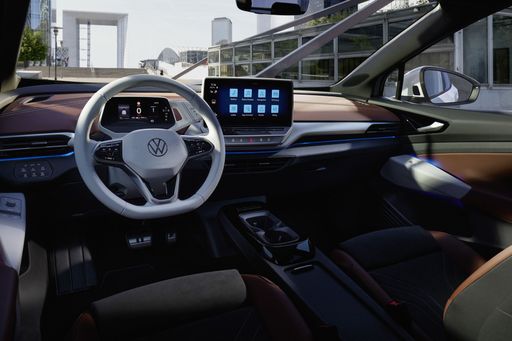
VW ID.5 dresses electric power in a sleek, coupe-like profile that turns sensible motoring into something a touch more stylish and smug. Inside it’s spacious and user-friendly, with calm, confidence-inspiring driving that suits buyers who want EV simplicity without the sci‑fi theatrics.

details

Polestar 2

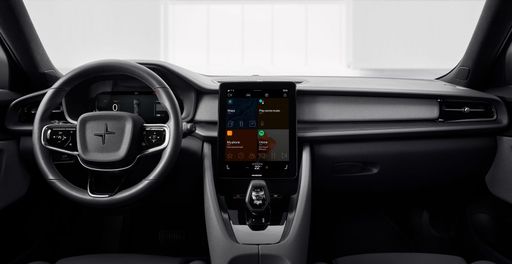
The Polestar 2 is a crisp, Scandinavian-styled electric liftback that pairs minimalist luxury with a focused, driver's attitude. It feels agile and composed whether you’re commuting or heading out for the weekend, with a tech-forward cabin and enough personality to make everyday driving a bit more fun.

details
VW ID.5
Polestar 2

Costs and Consumption

Price
36,800 - 48,400 £
Price
42,000 - 57,400 £
Consumption L/100km
-
Consumption L/100km
-
Consumption kWh/100km
15.7 - 16.6 kWh/100km
Consumption kWh/100km
14.8 - 16.8 kWh/100km
Electric Range
363 - 559 km
Electric Range
554 - 659 km
Battery Capacity
52 - 79 kWh
Battery Capacity
78 kWh
co2
0 g/km
co2
0 g/km
Fuel tank capacity
-
Fuel tank capacity
-

Dimensions and Body

Body Type
SUV
Body Type
Sedan
Seats
5
Seats
5
Doors
5
Doors
5
Curb weight
1,963 - 2,233 kg
Curb weight
2,015 - 2,188 kg
Trunk capacity
549 L
Trunk capacity
405 L
Length
4,582 - 4,599 mm
Length
4,606 mm
Width
1,852 mm
Width
1,859 mm
Height
1,601 - 1,618 mm
Height
1,473 - 1,479 mm
Max trunk capacity
1,561 L
Max trunk capacity
1,095 L
Payload
517 - 549 kg
Payload
375 - 421 kg

Engine and Performance

Engine Type
Electric
Engine Type
Electric
Transmission
Automatic
Transmission
Automatic
Transmission Detail
Reduction Gearbox
Transmission Detail
Reduction Gearbox
Drive Type
Rear-Wheel Drive, All-Wheel Drive
Drive Type
All-Wheel Drive, Rear-Wheel Drive
Power HP
170 - 340 HP
Power HP
272 - 476 HP
Acceleration 0-100km/h
5.4 - 8.9 s
Acceleration 0-100km/h
4.2 - 6.4 s
Max Speed
160 - 180 km/h
Max Speed
205 km/h
Torque
310 - 679 Nm
Torque
490 - 740 Nm
Number of Cylinders
-
Number of Cylinders
-
Power kW
125 - 250 kW
Power kW
200 - 350 kW
Engine capacity
-
Engine capacity
-

General

Model Year
2,024 - 2,025
Model Year
2,024
CO2 Efficiency Class
A
CO2 Efficiency Class
A
Brand
VW
Brand
Polestar
DriveDuel uses data analysis and artificial intelligence to evaluate vehicle data and create content. Content is regularly reviewed and improved. The displayed prices are estimates based on German list prices, adjusted to the respective country’s VAT. Country-specific registration taxes are not included. This information is not legally binding.