VS

VW ID.7 vs Audi A6 e-tron Sportback comparison

Compare performance (340 HP vs 551 HP), boot space and price (46,400 £ vs 53,800 £ ) at a glance. Find out which car is the better choice for you – VW ID.7 or Audi A6 e-tron Sportback?

VW ID.7 vs Audi A6 e-tron Sportback: Key differences

VW ID.7

4.1 (5 Reviews)
rate
  • moderately cheaper
  • only slightly more efficient
  • barely more trunk space
details

Audi A6 e-tron Sportback

4.6 (2 Reviews)
rate
  • clearly more power
  • marginally more electric range
  • visibly quicker 0–100 km/h
  • very slightly lighter
details

All details on performance, efficiency, range and trunk space can be found in the technical comparison below – including user reviews for both models.

By Achim Sedelmaier

ID.7

In the Electric Arena: Audi A6 e-tron Sportback vs. VW ID.7

The automotive world is shifting gears towards electrification, and two prominent competitors pioneering this electric movement in the premium segment are the Audi A6 e-tron Sportback and the VW ID.7. Both vehicles showcase advanced technology, impressive ranges, and refined driving experiences. However, they cater to slightly different audiences within the electrified landscape. Let’s dive deeper into the comparisons of these cutting-edge electric vehicles.
A6 e-tron Sportback

Performance Specifications: Power and Speed

When it comes to performance, the Audi A6 e-tron Sportback emerges as a strong contender. This luxury hatchback offers multiple power configurations, with outputs ranging from 240 kW (326 HP) to an impressive 405 kW (551 HP). Its acceleration capabilities are equally compelling, with the top variant achieving 0-100 km/h in just 3.9 seconds. The maximum speed of the A6 e-tron Sportback reaches 240 km/h, giving it a sporty edge.

In comparison, the VW ID.7 presents a less aggressive but still respectable performance profile. Producing between 210 kW (286 HP) and 250 kW (340 HP), the ID.7’s acceleration ranges from 5.4 seconds for the quickest variant to 6.6 seconds for the less powerful model. With a top speed capped at 180 km/h, it clearly targets a different driving style focused more on efficiency than outright speed.

ID.7

Battery and Range: Going the Distance

Range anxiety is a significant concern for potential EV buyers, and here both the Audi and VW models showcase their strengths. The Audi A6 e-tron Sportback features an impressive electric range of up to 754 km, powered by a robust 94.9 kWh battery. This makes it a viable option for long-distance travel, as it can handle extended drives without frequent charging.

The VW ID.7, meanwhile, offers a slightly more modest range, peaking at 709 km thanks to its battery capacities of 77 kWh and 86 kWh. However, the ID.7 also demonstrates commendable efficiency, with consumption figures as low as 13.6 kWh/100km, contributing to its appealing range for everyday urban commuting.

A6 e-tron Sportback

Design and Dimensions: Form and Function

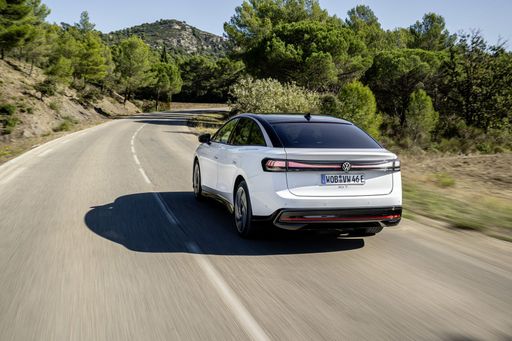
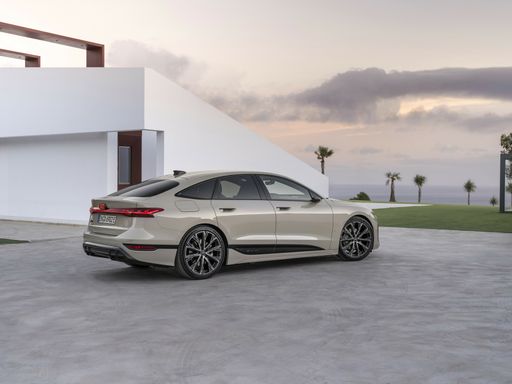
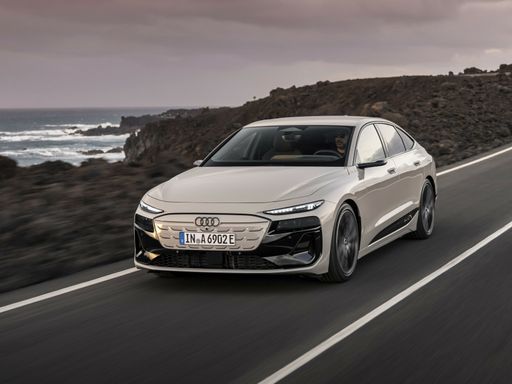
Both the Audi A6 e-tron Sportback and VW ID.7 showcase their unique aesthetics. The A6 e-tron Sportback, at 4928 mm in length and 1923 mm in width, presents a sleek and sophisticated silhouette typical of Audi's design philosophy, with a focus on aerodynamics and elegance.

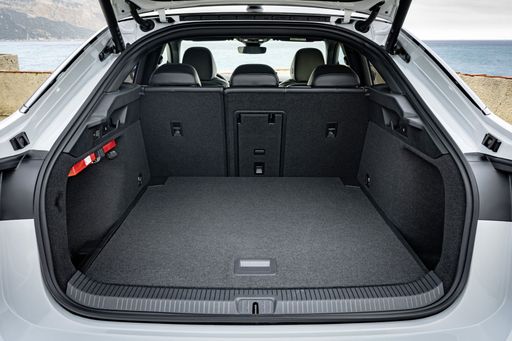
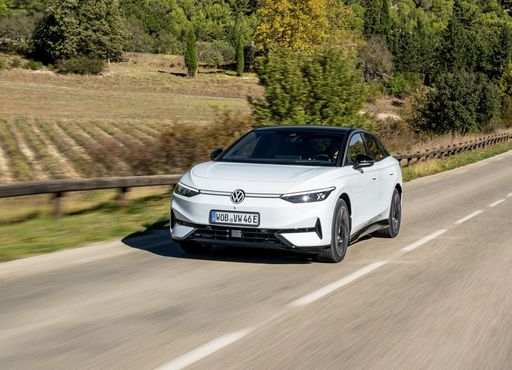
On the other hand, the VW ID.7, slightly longer at 4961 mm and narrower at 1862 mm, adopts a more minimalist approach, highlighting practicality and modern allure. With a cargo capacity of 532 L, the ID.7 offers slightly more trunk space than the A6 e-tron Sportback’s 502 L, appealing to families or those who regularly carry luggage.

ID.7

Innovative Technology and Interior Comfort

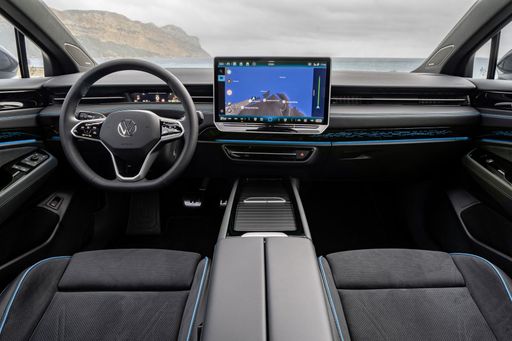
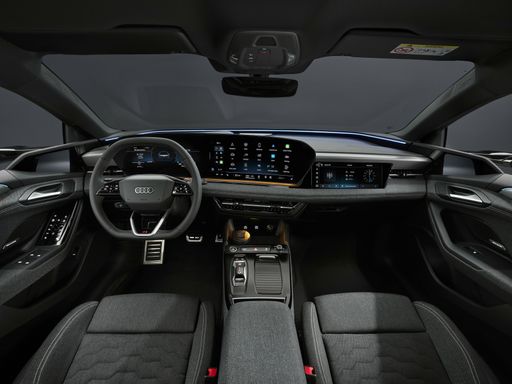
Both vehicles prioritize technology, providing advanced infotainment systems, driver assistance, and connectivity features. The Audi A6 e-tron Sportback is equipped with a high-tech digital cockpit that merges elegance with functionality, featuring a customizable display and seamless smartphone integration.

The VW ID.7, while also technologically equipped, leans towards eco-friendly materials in its construction, reflecting its brand ethos. The ID.7 highlights a user-friendly interface that promotes ease of use, although some critics argue that it lacks the polish found in Audi's offerings.

A6 e-tron Sportback

Conclusion: Which Electric Hatchback to Choose?

In conclusion, both the Audi A6 e-tron Sportback and the VW ID.7 represent pioneering efforts in the electric vehicle sector. The A6 e-tron Sportback appeals to those wanting raw power, luxury, and an extended range, while the ID.7 casts a wider net with its efficient performance and spacious interior. Your choice ultimately hinges on personal preference for either performance or practicality, both of which are excellently represented in these two remarkable vehicles.

Here’s where it gets real: The technical differences in detail

ID.7

Costs and Efficiency:

Price and efficiency are often the first things buyers look at. Here it becomes clear which model has the long-term edge – whether at the pump, the plug, or in purchase price.

VW ID.7 is moderately cheaper – starting at 46,400 £ , while the Audi A6 e-tron Sportback costs 53,800 £ . That’s a price difference of around 7,453 £.

In terms of energy consumption, the VW ID.7 is only slightly more efficient: consuming 13.6 kWh/100km compared to 13.7 kWh/100km for the Audi A6 e-tron Sportback. That’s a difference of about 0.1 kWh/100km.

As for electric range, the Audi A6 e-tron Sportback offers marginally more range – reaching up to 754 km, about 46 km more than the VW ID.7.

A6 e-tron Sportback

Engine and Performance:

Power, torque and acceleration are the classic benchmarks for car enthusiasts – and here, some clear differences start to show.

When it comes to engine power, the Audi A6 e-tron Sportback offers clearly more power – delivering 551 HP compared to 340 HP. That’s roughly 211 HP more horsepower.

When accelerating from 0 to 100 km/h, the Audi A6 e-tron Sportback is visibly quicker – completing the sprint in 3.9 s, while the VW ID.7 takes 5.4 s. That’s about 1.5 s quicker.

Looking at top speed, the Audi A6 e-tron Sportback is markedly faster – reaching 240 km/h, while the VW ID.7 tops out at 180 km/h. The difference is around 60 km/h.

There’s also a difference in torque: the Audi A6 e-tron Sportback delivers noticeably more torque with 855 Nm compared to 679 Nm. That’s about 176 Nm more.

ID.7

Space and Everyday Use:

Cabin size, boot volume and payload all play a role in everyday practicality. Here, comfort and flexibility make the difference.

Both vehicles offer seating for 5 people.

In terms of curb weight, Audi A6 e-tron Sportback is very slightly lighter – 2,175 kg compared to 2,180 kg. The difference is around 5 kg.

Looking at boot space, the VW ID.7 offers barely more boot space – 532 L compared to 502 L. That’s a difference of about 30 L.

For maximum load capacity, the VW ID.7 offers moderately more capacity – up to 1,586 L, about 256 L more than the Audi A6 e-tron Sportback.

When it comes to payload, the Audi A6 e-tron Sportback carries marginally more – 500 kg compared to 465 kg. That’s a difference of about 35 kg.

Who wins the race in the data check?

The Audi A6 e-tron Sportback is clearly superior overall in the objective data comparison.
This result only shows which model scores more points on paper – not which of the two cars feels right for you.

from £53,800
A6 e-tron Sportback

Audi A6 e-tron Sportback

  • Engine Type Electric
  • Transmission Automatic
  • Drive Type Rear-Wheel Drive, All-Wheel Drive
  • Power HP 326 - 551 HP
  • Consumption kWh/100km 13.7 - 16.3 kWh/100km
  • Electric Range 572 - 754 km
VW ID.7
Audi A6 e-tron Sportback

Costs and Consumption

View detailed analysis

Engine and Performance

View detailed analysis

Dimensions and Body

View detailed analysis

VW ID.7

VW ID.7 arrives as Volkswagen's electric grand tourer, pairing a low-slung, aerodynamic silhouette with a calm, understated interior that prioritizes comfort and space. It’s a sensible choice for buyers who want a relaxed, high-tech cruiser that covers motorway miles with poise rather than bravado.

details

Audi A6 e-tron Sportback

The Audi A6 e-tron Sportback wraps futuristic electric technology in elegant, coupe-like proportions, so you arrive looking sharp without shouting for attention. Inside, refined materials and a calm, driver-focused layout make it a convincing choice for buyers who want quiet, effortless performance with a dash of everyday practicality — the kind of car that raises eyebrows without saying a word.

details
VW ID.7
Audi A6 e-tron Sportback

Costs and Consumption

Price
46,400 - 54,200 £
Price
53,800 - 98,700 £
Consumption L/100km
-
Consumption L/100km
-
Consumption kWh/100km
13.6 - 16.2 kWh/100km
Consumption kWh/100km
13.7 - 16.3 kWh/100km
Electric Range
594 - 708 km
Electric Range
572 - 754 km
Battery Capacity
77 - 86 kWh
Battery Capacity
75.8 - 94.9 kWh
co2
0 g/km
co2
0 g/km
Fuel tank capacity
-
Fuel tank capacity
-

Dimensions and Body

Body Type
Hatchback
Body Type
Hatchback
Seats
5
Seats
5
Doors
5
Doors
5
Curb weight
2,180 - 2,325 kg
Curb weight
2,175 - 2,400 kg
Trunk capacity
532 L
Trunk capacity
502 L
Length
4,961 mm
Length
4,928 mm
Width
1,862 mm
Width
1,923 mm
Height
1,535 - 1,536 mm
Height
1,465 - 1,487 mm
Max trunk capacity
1,586 L
Max trunk capacity
1,330 L
Payload
460 - 465 kg
Payload
470 - 500 kg

Engine and Performance

Engine Type
Electric
Engine Type
Electric
Transmission
Automatic
Transmission
Automatic
Transmission Detail
Reduction Gearbox
Transmission Detail
Reduction Gearbox
Drive Type
Rear-Wheel Drive, All-Wheel Drive
Drive Type
Rear-Wheel Drive, All-Wheel Drive
Power HP
286 - 340 HP
Power HP
326 - 551 HP
Acceleration 0-100km/h
5.4 - 6.6 s
Acceleration 0-100km/h
3.9 - 6 s
Max Speed
180 km/h
Max Speed
210 - 240 km/h
Torque
545 - 679 Nm
Torque
435 - 855 Nm
Number of Cylinders
-
Number of Cylinders
-
Power kW
210 - 250 kW
Power kW
240 - 405 kW
Engine capacity
-
Engine capacity
-

General

Model Year
2,023 - 2,024
Model Year
2024
CO2 Efficiency Class
A
CO2 Efficiency Class
A
Brand
VW
Brand
Audi
DriveDuel uses data analysis and artificial intelligence to evaluate vehicle data and create content. Content is regularly reviewed and improved. The displayed prices are estimates based on German list prices, adjusted to the respective country’s VAT. Country-specific registration taxes are not included. This information is not legally binding.