VS

VW ID.7 vs Skoda Elroq comparison

Compare performance (340 HP vs 340 HP), boot space and price (46,400 £ vs 32,000 £ ) at a glance. Find out which car is the better choice for you – VW ID.7 or Skoda Elroq?

VW ID.7 vs Skoda Elroq: Key differences

VW ID.7

4 (4 Reviews)
rate
  • a bit more efficient
  • somewhat more electric range
  • a bit more trunk space
details

Skoda Elroq

4.5 (5 Reviews)
rate
  • substantially cheaper
  • marginally lighter
details

All details on performance, efficiency, range and trunk space can be found in the technical comparison below – including user reviews for both models.

By Achim Sedelmaier

ID.7

Introduction: The EV Evolution

In the rapidly evolving electric vehicle (EV) market, Volkswagen's ID.7 and Skoda's Elroq stand as formidable contenders. Both models reflect the growing demand for sustainable motoring, but they approach this goal with different philosophies and technologies. This article explores the nuances of these two vehicles to aid consumers in making an informed choice.
Elroq

Design and Dimensions

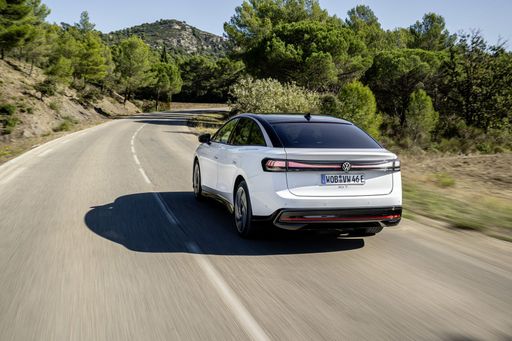
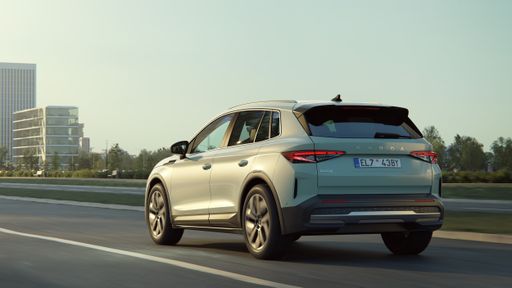
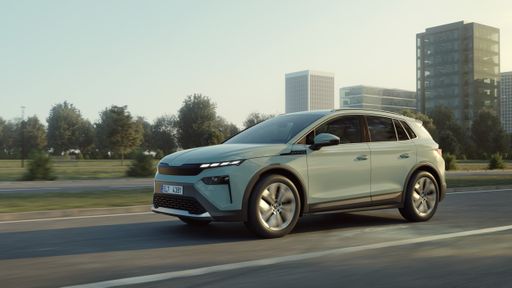
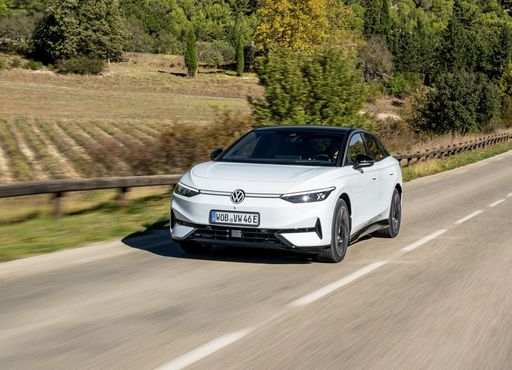
The VW ID.7 takes on a hatchback design, boasting elegant lines and a modern silhouette. It measures 4961 mm in length, 1862 mm in width, and stands 1536 mm tall, creating a spacious yet aerodynamic profile. In contrast, the Skoda Elroq embraces the SUV form factor, measuring 4488 mm long, 1884 mm wide, and 1625 mm high. This difference gives the Elroq a more rugged appearance, which may appeal to adventure seekers and families alike.

ID.7

Powertrain and Performance

The ID.7 offers diverse power options, ranging from 286 HP to a more powerful 340 HP variant. It has two drive types: rear-wheel drive and all-wheel drive. Acceleration from 0-100 km/h is achieved in an impressive 5.4 to 6.6 seconds, depending on the selected model. The vehicle's maximum speed is set at 180 km/h, supported by a torque output of up to 679 Nm, ensuring excellent performance on both highways and city streets.

On the other hand, the Skoda Elroq delivers power ranging from 170 HP to an impressive 286 HP. Although it predominately features rear-wheel drive, its performance is commendable, clocking 0-100 km/h in as little as 6 seconds. The Elroq's torque reaches 545 Nm, impressive for an SUV, allowing it to tackle a range of terrains effectively. However, its top speed is capped at 180 km/h, which is on par with the ID.7.

Elroq

Battery and Range

When it comes to battery capacity, the ID.7 offers options of 77 kWh and 86 kWh, delivering an electric range of up to 709 km depending on the configuration. The efficiency ratings are also noteworthy; the vehicle consumes between 13.6 and 16.2 kWh per 100 km, placing it in the upper echelon of electric motoring efficiency.

In the case of the Skoda Elroq, battery options include 52 kWh, 59 kWh, and 77 kWh, with a max range of 572 km. Its energy consumption varies slightly higher than that of the ID.7, sitting between 15 and 16.4 kWh per 100 km. While it may not match the ID.7's range, the Elroq serves as a practical choice for urban commuting and weekend escapades.

ID.7

Interior and Technology

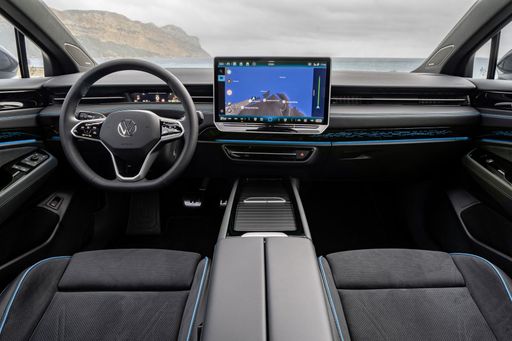
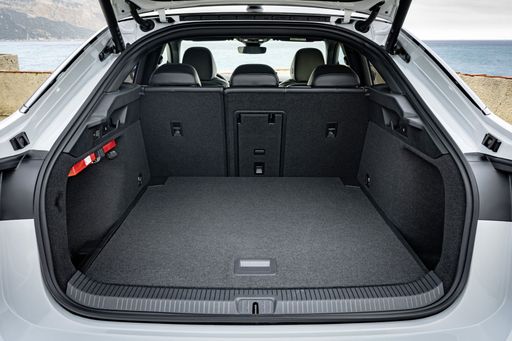
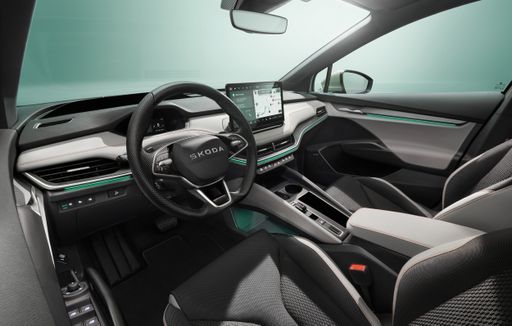
Inside the VW ID.7, users are treated to a spacious cabin designed for comfort and connectivity. The vehicle accommodates up to five occupants and features a trunk capacity of 532 litres, making it a versatile choice for family outings or road trips. Cutting-edge technology includes an intuitive infotainment system, voice recognition, and advanced driver assistance systems, ensuring a seamless and safe driving experience.

The Skoda Elroq also prioritizes space and practicality, offering a trunk capacity of 470 litres, which is generous for an SUV of its size. The interior boasts Skoda's signature quality, with ample cargo space and supportive seating. While tech-savvy, it may not sport the same level of high-end features as the ID.7, but it excels in providing essential functionalities tailored to everyday users.

Elroq

Conclusion: Choosing the Right EV for You

Both the VW ID.7 and Skoda Elroq present compelling options in the electric vehicle landscape. The ID.7 stands out with its exceptional range and high-performance capabilities while also offering cutting-edge technology and spaciousness. Conversely, the Skoda Elroq appeals to those looking for a practical and robust SUV alternative, offering versatility and a relatively good range for an electric vehicle.

Your choice ultimately depends on your lifestyle needs, driving preferences, and design aesthetics. As the electric vehicle market continues to grow and evolve, both models represent significant advancements in sustainable driving, enriching the options available to environmentally-conscious consumers.

Video - Skoda Elroq

Video Thumbnail

Here’s where it gets real: The technical differences in detail

ID.7

Costs and Efficiency:

Price and efficiency are often the first things buyers look at. Here it becomes clear which model has the long-term edge – whether at the pump, the plug, or in purchase price.

Skoda Elroq is substantially cheaper – starting at 32,000 £ , while the VW ID.7 costs 46,400 £ . That’s a price difference of around 14,327 £.

In terms of energy consumption, the VW ID.7 is a bit more efficient: consuming 13.6 kWh/100km compared to 15.1 kWh/100km for the Skoda Elroq. That’s a difference of about 1.5 kWh/100km.

As for electric range, the VW ID.7 offers somewhat more range – reaching up to 708 km, about 134 km more than the Skoda Elroq.

Elroq

Engine and Performance:

Power, torque and acceleration are the classic benchmarks for car enthusiasts – and here, some clear differences start to show.

Both models deliver identical power – 340 HP each.

Both models accelerate almost equally fast – 5.4 s from 0 to 100 km/h.

Both models offer the same torque – 679 Nm.

ID.7

Space and Everyday Use:

Cabin size, boot volume and payload all play a role in everyday practicality. Here, comfort and flexibility make the difference.

Both vehicles offer seating for 5 people.

In terms of curb weight, Skoda Elroq is marginally lighter – 2,036 kg compared to 2,180 kg. The difference is around 144 kg.

Looking at boot space, the VW ID.7 offers a bit more boot space – 532 L compared to 470 L. That’s a difference of about 62 L.

When it comes to payload, the Skoda Elroq carries moderately more – 549 kg compared to 465 kg. That’s a difference of about 84 kg.

Who wins the race in the data check?

The Skoda Elroq comes out modestly ahead in the objective data comparison.
This result only shows which model scores more points on paper – not which of the two cars feels right for you.

from £32,000
Elroq

Skoda Elroq

  • Engine Type : Electric
  • Transmission : Automatic
  • Drive Type : Rear-Wheel Drive, All-Wheel Drive
  • Power HP : 190 - 340 HP
  • Consumption kWh/100km : 15.1 - 16.3 kWh/100km
  • Electric Range : 441 - 574 km
VW ID.7
Skoda Elroq

Costs and Consumption

View detailed analysis

Engine and Performance

View detailed analysis

Dimensions and Body

View detailed analysis

VW ID.7

VW ID.7 arrives as Volkswagen's electric grand tourer, pairing a low-slung, aerodynamic silhouette with a calm, understated interior that prioritizes comfort and space. It’s a sensible choice for buyers who want a relaxed, high-tech cruiser that covers motorway miles with poise rather than bravado.

details

Skoda Elroq

The Skoda Elroq is a practical and well-rounded compact SUV that blends clever packaging with a calm, comfortable ride. It offers a sensible interior, straightforward technology and a value-focused approach, making it a particularly good choice for families and everyday drivers.

details
VW ID.7
Skoda Elroq

Costs and Consumption

Price
46,400 - 54,200 £
Price
32,000 - 47,000 £
Consumption L/100km
-
Consumption L/100km
-
Consumption kWh/100km
13.6 - 16.2 kWh/100km
Consumption kWh/100km
15.1 - 16.3 kWh/100km
Electric Range
594 - 708 km
Electric Range
441 - 574 km
Battery Capacity
77 - 86 kWh
Battery Capacity
-
co2
0 g/km
co2
0 g/km
Fuel tank capacity
-
Fuel tank capacity
-

Dimensions and Body

Body Type
Hatchback
Body Type
SUV
Seats
5
Seats
5
Doors
5
Doors
-
Curb weight
2,180 - 2,325 kg
Curb weight
2,036 - 2,255 kg
Trunk capacity
532 L
Trunk capacity
470 L
Length
4,961 mm
Length
-
Width
1,862 mm
Width
1,884 mm
Height
1,535 - 1,536 mm
Height
-
Max trunk capacity
1,586 L
Max trunk capacity
-
Payload
460 - 465 kg
Payload
482 - 549 kg

Engine and Performance

Engine Type
Electric
Engine Type
Electric
Transmission
Automatic
Transmission
Automatic
Transmission Detail
Reduction Gearbox
Transmission Detail
Reduction Gearbox
Drive Type
Rear-Wheel Drive, All-Wheel Drive
Drive Type
Rear-Wheel Drive, All-Wheel Drive
Power HP
286 - 340 HP
Power HP
190 - 340 HP
Acceleration 0-100km/h
5.4 - 6.6 s
Acceleration 0-100km/h
5.4 - 8.5 s
Max Speed
180 km/h
Max Speed
-
Torque
545 - 679 Nm
Torque
350 - 679 Nm
Number of Cylinders
-
Number of Cylinders
-
Power kW
210 - 250 kW
Power kW
140 - 250 kW
Engine capacity
-
Engine capacity
-

General

Model Year
2,023 - 2,024
Model Year
2026
CO2 Efficiency Class
A
CO2 Efficiency Class
A
Brand
VW
Brand
Skoda
DriveDuel uses data analysis and artificial intelligence to evaluate vehicle data and create content. Content is regularly reviewed and improved. The displayed prices are estimates based on German list prices, adjusted to the respective country’s VAT. Country-specific registration taxes are not included. This information is not legally binding.