
 Deutschland
 France
 Nederland
 Great Britain
 Sverige
 Danmark
 Suomi
Suomi Italia
 Polska
 Česko
Česko España
VS
VW ID. Buzz Cargo vs Mazda 2 Hybrid comparison
Compare performance (340 HP vs 116 HP), boot space and price (43,600 £ vs 22,300 £ ) at a glance. Find out which car is the better choice for you – VW ID. Buzz Cargo or Mazda 2 Hybrid?
VW ID. Buzz Cargo vs Mazda 2 Hybrid: Key differences
ID. Buzz Cargo
Costs and Efficiency:
When it comes to price and running costs, the biggest differences usually appear. This is often where you see which car fits your budget better in the long run.
Mazda 2 Hybrid is significantly cheaper – starting at 22,300 £ , while the VW ID. Buzz Cargo costs 43,600 £ . That’s a price difference of around 21,287 £.
2 Hybrid
Engine and Performance:
Under the bonnet, it becomes clear which model is tuned for sportiness and which one takes the lead when you hit the accelerator.
When it comes to engine power, the VW ID. Buzz Cargo offers considerably more power – delivering 340 HP compared to 116 HP. That’s roughly 224 HP more horsepower.
ID. Buzz Cargo
Space and Everyday Use:
Beyond pure performance, interior space and usability matter most in daily life. This is where you see which car is more practical and versatile.
Seats: Mazda 2 Hybrid offers more seats – 5 vs 3.
In terms of curb weight, Mazda 2 Hybrid is significantly lighter – 1,180 kg compared to 2,264 kg. The difference is around 1,084 kg.
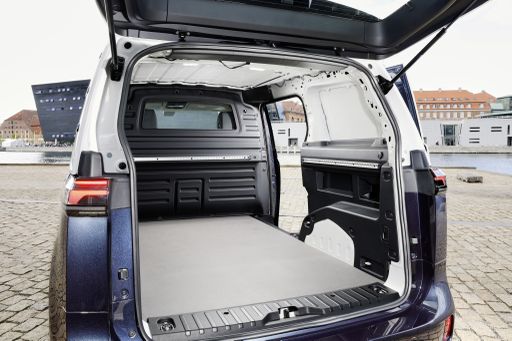
When it comes to payload, the VW ID. Buzz Cargo carries considerably more – 753 kg compared to 435 kg. That’s a difference of about 318 kg.
Who wins the race in the data check?
The VW ID. Buzz Cargo stands out in the key areas in the objective data comparison.
This result only shows which model scores more points on paper – not which of the two cars feels right for you.
from £43,600
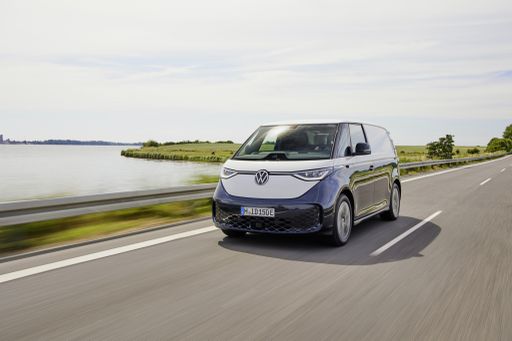
VW ID. Buzz Cargo
VW ID. Buzz Cargo
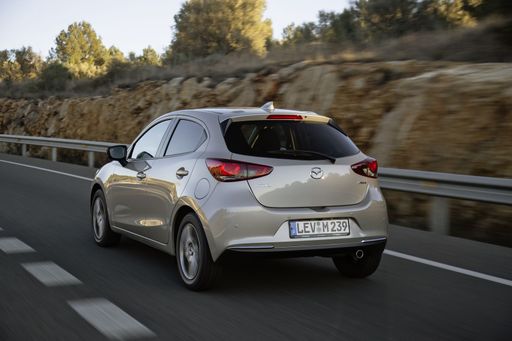
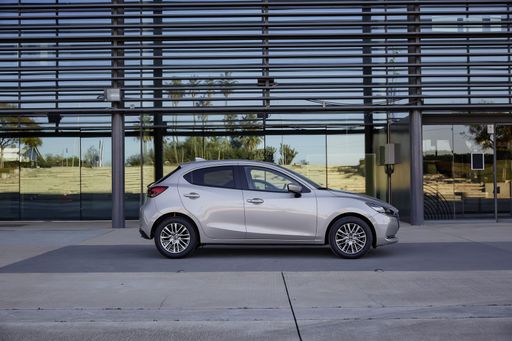
Mazda 2 Hybrid
Costs and Consumption
View detailed analysis
View detailed analysis
Engine and Performance
View detailed analysis
View detailed analysis
Dimensions and Body
View detailed analysis
View detailed analysis
VW ID. Buzz Cargo
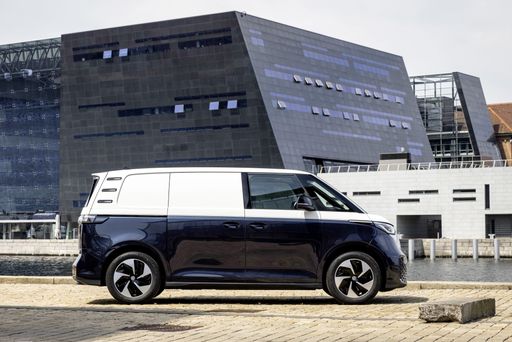
The VW ID. Buzz Cargo marries retro Volkswagen charm with a thoroughly modern electric work van, offering a surprisingly spacious and practical load area wrapped in friendly, iconic styling. It's a smart pick for urban tradespeople and small businesses who want quiet, effortless driving, lower running costs and easy maneuverability — with a healthy dash of nostalgia on the job.
details
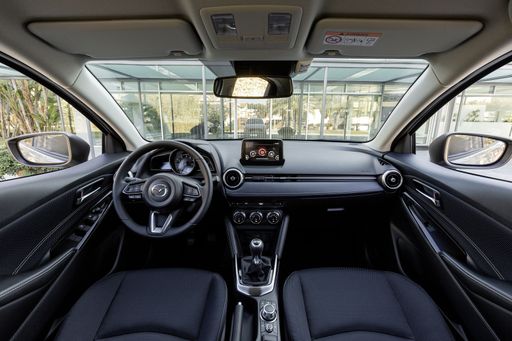
Mazda 2 Hybrid
The Mazda 2 Hybrid brings Mazda’s trademark driving flair to the city, combining smooth, efficient running with unexpectedly eager handling that keeps short trips engaging. Compact, nicely finished and sensible on running costs, it’s a clever choice for buyers who want the economy of a small car without sacrificing cabin quality or personality.
details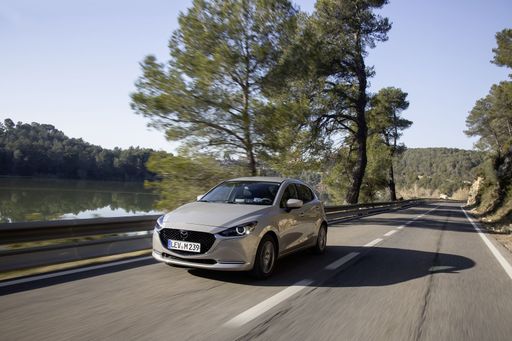
VW ID. Buzz Cargo
Mazda 2 Hybrid
Costs and Consumption |
|
|---|---|
|
Price
43,600 - 51,400 £
|
Price
22,300 - 28,300 £
|
|
Consumption L/100km
-
|
Consumption L/100km
3.8 - 4 L/100km
|
|
Consumption kWh/100km
19.2 - 20.3 kWh/100km
|
Consumption kWh/100km
-
|
|
Electric Range
330 - 455 km
|
Electric Range
-
|
|
Battery Capacity
59 - 79 kWh
|
Battery Capacity
-
|
|
co2
0 g/km
|
co2
87 - 93 g/km
|
|
Fuel tank capacity
-
|
Fuel tank capacity
-
|
Dimensions and Body |
|
|---|---|
|
Body Type
Cargo Van
|
Body Type
Hatchback
|
|
Seats
3
|
Seats
5
|
|
Doors
4
|
Doors
-
|
|
Curb weight
2,264 - 2,510 kg
|
Curb weight
1,180 kg
|
|
Trunk capacity
-
|
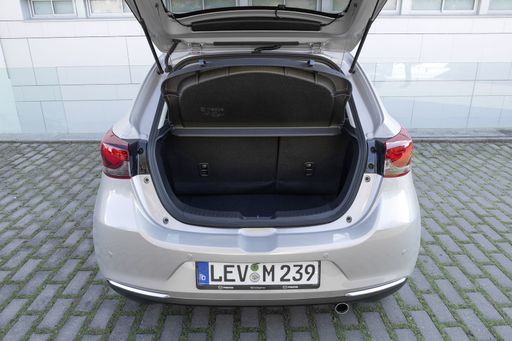
Trunk capacity
286 L
|
|
Length
4,712 mm
|
Length
-
|
|
Width
1,985 mm
|
Width
1,745 mm
|
|
Height
1,932 mm
|
Height
-
|
|
Max trunk capacity
3,900 L
|
Max trunk capacity
-
|
|
Payload
640 - 753 kg
|
Payload
435 kg
|
Engine and Performance |
|
|---|---|
|
Engine Type
Electric
|
Engine Type
Full Hybrid
|
|
Transmission
Automatic
|
Transmission
Automatic
|
|
Transmission Detail
-
|
Transmission Detail
CVT
|
|
Drive Type
Rear-Wheel Drive, All-Wheel Drive
|
Drive Type
Front-Wheel Drive
|
|
Power HP
170 - 340 HP
|
Power HP
116 HP
|
|
Acceleration 0-100km/h
-
|
Acceleration 0-100km/h
9.7 s
|
|
Max Speed
145 - 160 km/h
|
Max Speed
-
|
|
Torque
310 - 679 Nm
|
Torque
-
|
|
Number of Cylinders
-
|
Number of Cylinders
3
|
|
Power kW
125 - 250 kW
|
Power kW
85 kW
|
|
Engine capacity
-
|
Engine capacity
1,490 cm3
|
General |
|
|---|---|
|
Model Year
2024
|
Model Year
2025
|
|
CO2 Efficiency Class
A
|
CO2 Efficiency Class
B
|
|
Brand
VW
|
Brand
Mazda
|
DriveDuel uses data analysis and artificial intelligence to evaluate vehicle data and create content. Content is regularly reviewed and improved.
The displayed prices are estimates based on German list prices, adjusted to the respective country’s VAT. Country-specific registration taxes are not included. This information is not legally binding.