VS

VW Passat vs VW Golf Variant comparison

Compare performance (272 HP vs 204 HP), boot space and price (36,500 £ vs 28,800 £ ) at a glance. Find out which car is the better choice for you – VW Passat or VW Golf Variant?

VW Passat vs VW Golf Variant: Key differences

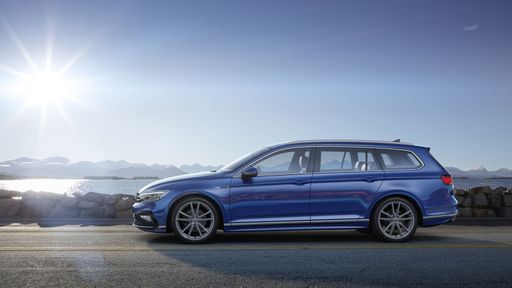
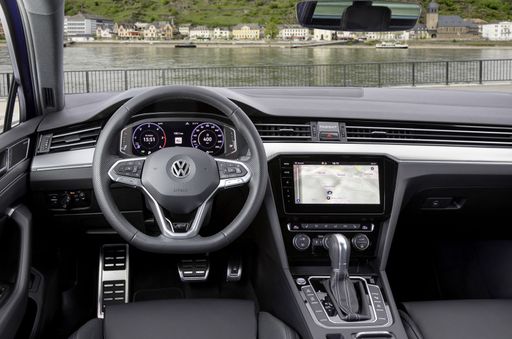
VW Passat

5 (3 Reviews)
rate
  • clearly more power
  • significantly more efficient
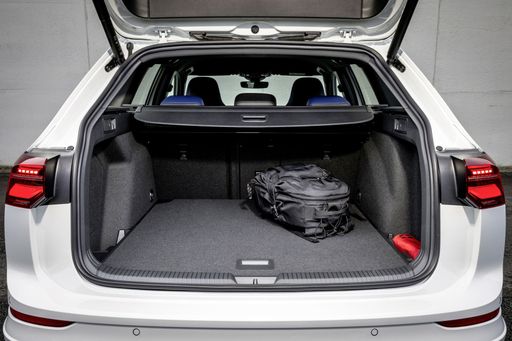
  • somewhat more trunk space
details

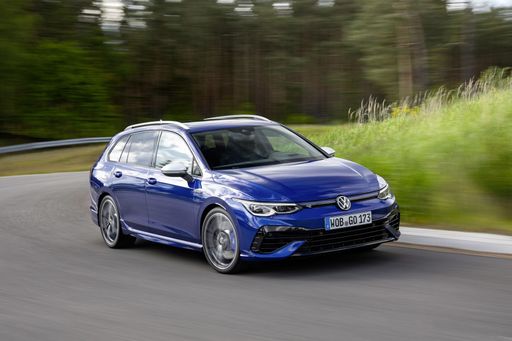
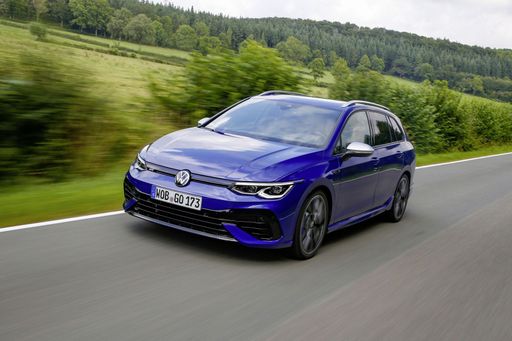
VW Golf Variant

  • visibly cheaper
  • only slightly quicker 0–100 km/h
  • somewhat lighter
details

All details on performance, efficiency, range and trunk space can be found in the technical comparison below – including user reviews for both models.

By Achim Sedelmaier

Passat

Two familiar faces, two different promises

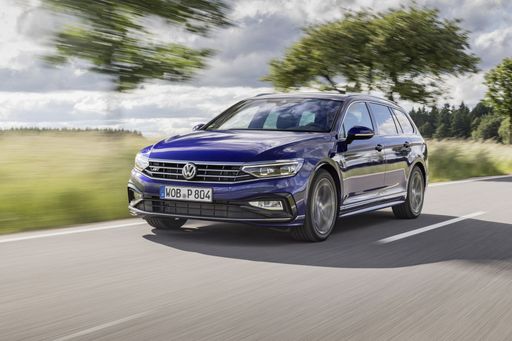
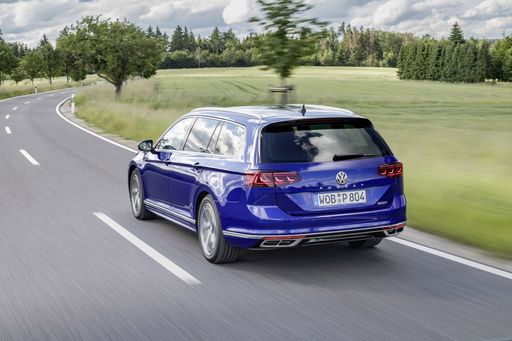
On one side sits the VW Golf Variant, the nimble estate that sings practicality with a wink; on the other is the VW Passat, the composed touring car that leans into presence and poise. This is less a fight and more a sparring match between agility and composed spaciousness, each with its own personality. Think of it as choosing between a clever companion for everyday chores and a more diplomatic partner for longer missions.
Golf Variant

Understated cleverness vs. composed authority

The Golf Variant has an approachable, can-do attitude — modest, useful and a bit cheeky about it — while the Passat carries itself with quiet authority and a hint of seriousness. One plays light-footed and practical, the other aims to reassure with scale and finish. That contrast affects everything from the way they sit on the road to the kind of compliments (or questions) they attract at the school run or the hotel valet.

Passat

How they handle your daily life

If your life is a blend of weekday commutes, weekend DIY runs and occasional family trips, the Golf Variant feels like the toolbox that actually fits in the garage: clever packaging, easy access and a fuss-free approach. The Passat prefers to be the long-distance partner, smoothing miles and swallowing luggage with an air of calm confidence that makes highway hours less gruelling. In town, the Golf’s nimbleness is an advantage; on open roads, the Passat’s composure becomes its strongest suit. Either way, both aim to simplify routines — they just go about it in different tones.

Golf Variant

Buying with your head — or with the image in the driveway

Some buyers will justify a purchase on usable logic: sensible doors, sensible shapes, and a cabin that doesn’t demand second thoughts — that’s where the Golf Variant’s pragmatic charm shines. Others will talk about presence, perceived quality and the reassurance of a more executive stance; that’s the language the Passat speaks fluently. Neither choice screams; one whispers practicality, the other suggests quiet refinement, so your reason for choosing will likely be more emotional than mechanical.

Passat

If what matters to you is getting the most everyday utility without fuss

If what matters to you is flexible day-to-day usability, easy parking and a car that feels light on its feet, the VW Golf Variant slots neatly into that role. It’s a sensible companion for commuters who double as family chauffeurs and for anyone who prefers clever design over bluster. Practical shoppers and value-minded drivers will appreciate how it makes routine tasks feel natural rather than theatrical.

Golf Variant

If what matters to you is calm long-distance composure and a polished presence

If what matters to you is a relaxed highway demeanour, a more composed cabin experience and an image that leans toward understated stature, the VW Passat will speak to you. It suits drivers who cover more miles or prefer a quieter, more assured ride when they arrive at a client meeting or a country weekend. Read on to the detailed figures below to see how those impressions stack up on paper and help you decide which temperament fits your life.

Here’s where it gets real: The technical differences in detail

Passat

Costs and Efficiency:

When it comes to price and running costs, the biggest differences usually appear. This is often where you see which car fits your budget better in the long run.

VW Golf Variant is visibly cheaper – starting at 28,800 £ , while the VW Passat costs 36,500 £ . That’s a price difference of around 7,615 £.

Fuel consumption also shows a difference: the VW Passat uses 1.2 L/100km and is significantly more efficient than the VW Golf Variant with 4.3 L/100km. The difference is about 3.1 L/100km.

Golf Variant

Engine and Performance:

Power, torque and acceleration say a lot about how a car feels on the road. This is where you see which model delivers more driving dynamics.

When it comes to engine power, the VW Passat offers clearly more power – delivering 272 HP compared to 204 HP. That’s roughly 68 HP more horsepower.

When accelerating from 0 to 100 km/h, the VW Golf Variant is only slightly quicker – completing the sprint in 6.5 s, while the VW Passat takes 7.1 s. That’s about 0.6 s quicker.

There’s also a difference in torque: the VW Passat delivers marginally more torque with 400 Nm compared to 360 Nm. That’s about 40 Nm more.

Passat

Space and Everyday Use:

Whether family car or daily driver – which one offers more room, flexibility and comfort?

Both vehicles offer seating for 5 people.

In terms of curb weight, VW Golf Variant is somewhat lighter – 1,366 kg compared to 1,573 kg. The difference is around 207 kg.

Looking at boot space, the VW Passat offers somewhat more boot space – 690 L compared to 611 L. That’s a difference of about 79 L.

When it comes to payload, the VW Passat carries marginally more – 577 kg compared to 547 kg. That’s a difference of about 30 kg.

Who wins the race in the data check?

The VW Passat is clearly superior overall in the objective data comparison.
This result only shows which model scores more points on paper – not which of the two cars feels right for you.

from £36,500
Passat

VW Passat

  • Engine Type : Petrol MHEV, Diesel, Plugin Hybrid
  • Transmission : Automatic
  • Drive Type : Front-Wheel Drive, All-Wheel Drive
  • Power HP : 122 - 272 HP
  • Consumption L/100km : 1.2 - 5.8 L/100km
  • Electric Range : 124 - 135 km
VW Passat
VW Golf Variant

Costs and Consumption

View detailed analysis

Engine and Performance

View detailed analysis

Dimensions and Body

View detailed analysis

VW Passat

The VW Passat is the grown-up family car that gets the basics absolutely right — roomy, comfortable and built to handle weekday commutes and weekend getaways without fuss. It won't set your pulse racing, but its calm composure and sensible packaging make it boring in the best possible way: a dependable, no‑drama choice for buyers who value practicality over flash.

details

VW Golf Variant

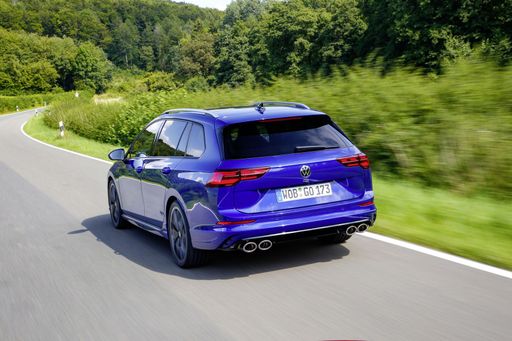
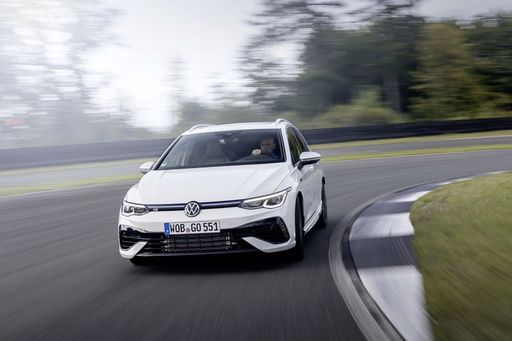
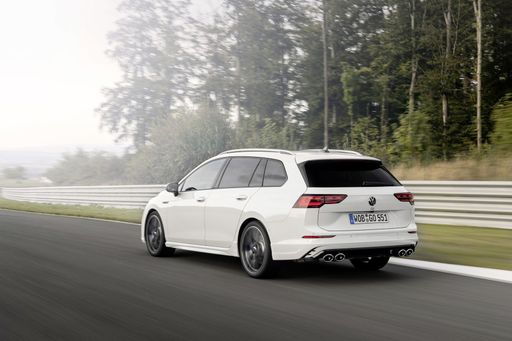
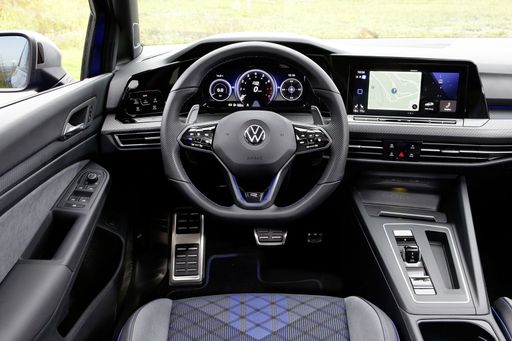
The Golf Estate packs Volkswagen's familiar poise into a practical, grown-up estate that quietly makes everyday life easier without shouting for attention. It's clever, comfortable and roomy enough for weekend kit or family chaos, offering smart packaging and refined manners that make it a sensible and surprisingly stylish choice for buyers who need space but don't want a van.

details
VW Passat
VW Golf Variant

Costs and Consumption

Price
36,500 - 58,500 £
Price
28,800 - 38,800 £
Consumption L/100km
1.2 - 5.8 L/100km
Consumption L/100km
4.3 - 7 L/100km
Consumption kWh/100km
-
Consumption kWh/100km
-
Electric Range
124 - 135 km
Electric Range
-
Battery Capacity
-
Battery Capacity
-
co2
28 - 153 g/km
co2
114 - 159 g/km
Fuel tank capacity
-
Fuel tank capacity
-

Dimensions and Body

Body Type
Estate
Body Type
Estate
Seats
5
Seats
5
Doors
-
Doors
-
Curb weight
1,573 - 1,858 kg
Curb weight
1,366 - 1,551 kg
Trunk capacity
510 - 690 L
Trunk capacity
611 L
Length
-
Length
-
Width
1,849 mm
Width
1,789 mm
Height
-
Height
-
Max trunk capacity
-
Max trunk capacity
-
Payload
501 - 577 kg
Payload
509 - 547 kg

Engine and Performance

Engine Type
Petrol MHEV, Diesel, Plugin Hybrid
Engine Type
Petrol, Petrol MHEV, Diesel
Transmission
Automatic
Transmission
Manuel, Automatic
Transmission Detail
Dual-Clutch Automatic
Transmission Detail
Manual Gearbox, Dual-Clutch Automatic
Drive Type
Front-Wheel Drive, All-Wheel Drive
Drive Type
Front-Wheel Drive, All-Wheel Drive
Power HP
122 - 272 HP
Power HP
116 - 204 HP
Acceleration 0-100km/h
7.1 - 10.7 s
Acceleration 0-100km/h
6.5 - 10.5 s
Max Speed
-
Max Speed
-
Torque
250 - 400 Nm
Torque
220 - 360 Nm
Number of Cylinders
4
Number of Cylinders
4
Power kW
90 - 200 kW
Power kW
85 - 150 kW
Engine capacity
1,498 - 1,968 cm3
Engine capacity
1,498 - 1,984 cm3

General

Model Year
2,024 - 2,025
Model Year
2025
CO2 Efficiency Class
D, E, B
CO2 Efficiency Class
D, F, C
Brand
VW
Brand
VW
DriveDuel uses data analysis and artificial intelligence to evaluate vehicle data and create content. Content is regularly reviewed and improved. The displayed prices are estimates based on German list prices, adjusted to the respective country’s VAT. Country-specific registration taxes are not included. This information is not legally binding.