VS

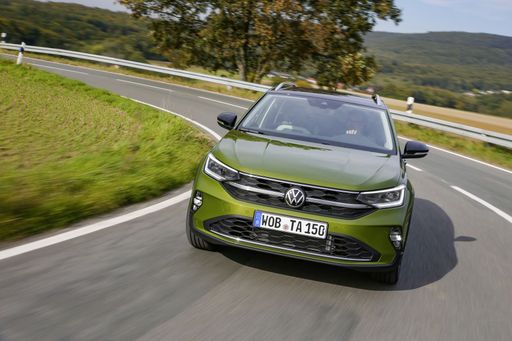
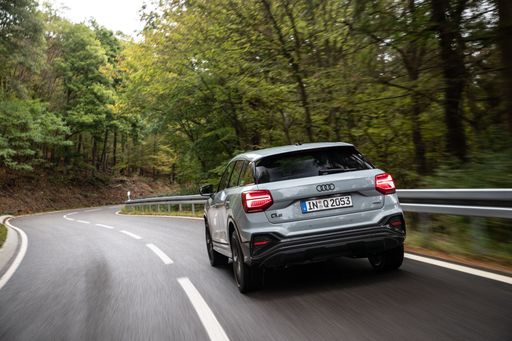
VW Taigo vs Audi Q2 comparison

Compare performance (150 HP vs 300 HP), boot space and price (19,900 £ vs 24,900 £ ) at a glance. Find out which car is the better choice for you – VW Taigo or Audi Q2?

VW Taigo vs Audi Q2: Key differences

VW Taigo

4.6 (5 Reviews)
rate
  • clearly cheaper
  • very slightly lighter
  • marginally more trunk space
details

Audi Q2

4.4 (5 Reviews)
rate
  • significantly more power
  • slightly more efficient
  • significantly quicker 0–100 km/h
details

All details on performance, efficiency, range and trunk space can be found in the technical comparison below – including user reviews for both models.

By Achim Sedelmaier

Taigo

Quick take: Audi Q2 vs VW Taigo — which small SUV fits your life?

Audi Q2 vs VW Taigo is a clash between a compact, premium-flavored crossover and a practical, style-led VW with a surprisingly big load area. The Audi Q2 pitches itself as the sharper, more composed option with an interior that wants to feel like a small Audi rather than an economy car. The VW Taigo answers with everyday usability, a roomier boot and a softer, comfort-first ride that makes daily chores easier. This piece peels back how those character choices translate to real-life ownership rather than spec-sheet trivia.
Q2

Character and driving feel: agility versus ease

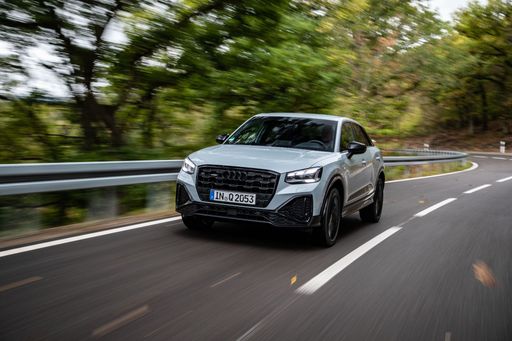
The Audi Q2 leans into a tauter, more confident driving personality while the VW Taigo prefers gentleness and predictability. Audi Q2 steering is precise and composed, rewarding drivers who value direct responses and a planted feel through corners, whereas VW Taigo trades immediacy for a forgiving, neutral setup that suits relaxed commuting. In traffic the Q2 feels keener and more fun to flick around, but the Taigo’s calm manners make it easier to live with day-to-day, especially for nervous city drivers. If you want a car that feels engaging on a twisty B‑road choose the Audi Q2; if you prioritise stress-free cruising and straight-line stability, the VW Taigo is the natural pick.

Taigo

Comfort and long-distance behaviour: firm premium or cushioned practical

On long runs the VW Taigo’s softer suspension and comfortable seating keep fatigue at bay more reliably than the Audi Q2’s firmer setup. Audi Q2 is quieter at steady speeds with a premium sense of composure, but its firmer damping — particularly with larger wheels — can transmit road imperfections and leave long motorway miles feeling taut. VW Taigo cushions bumps more gently and makes packing for trips easier thanks to its bigger boot, so families and regular tourers will notice the difference. For buyers who split time between motorways and rougher secondary roads, the Taigo will feel easier; the Q2 rewards those who accept a tighter ride for a more connected drive.

Q2

City friendliness and everyday usability: compact luxury versus room-first pragmatism

Both the Audi Q2 and the VW Taigo are city-capable, but they solve urban compromises differently: the Audi Q2 packages premium touches into a very compact footprint that makes parking and manoeuvring feel effortless. VW Taigo matches that agility but adds a more generous trunk and straightforward ergonomics that turn shopping runs and school drop-offs into less fuss. The Q2’s cabin layout and tactile controls feel slightly more upscale for short hops and daily interactions, while the Taigo’s practical details and helpful assistance systems reduce everyday friction. If tight parking and brand prestige matter, the Audi Q2 will appeal; if hauling cargo and family practicality are higher priorities, the VW Taigo is the more sensible tool.

Taigo

Cabin feel and perceived quality: premium details versus functional honesty

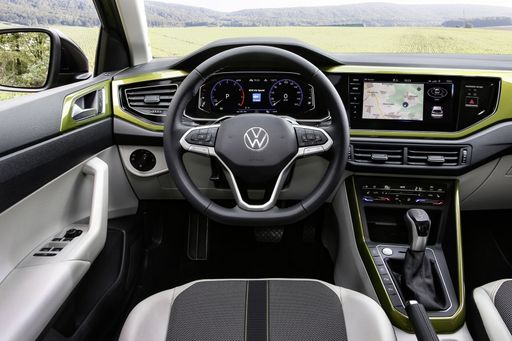
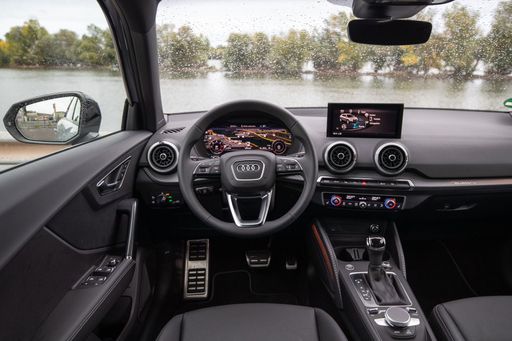
Step into the Audi Q2 and the surfaces, switchgear and overall presentation aim for an Audi-like premium impression; the VW Taigo offers a cleaner, more utilitarian interior that prioritises function. Audi Q2 materials and physical buttons give a nicer tactile experience where it counts, though both cars reveal some harder plastics in less visible areas. VW Taigo’s cabin feels engineered to be robust and sensible rather than indulgent, and its infotainment approach can be hit-or-miss depending on trim — the same is true for the Q2 but the Audi keeps a slightly more refined touch. Buyers who value perceived quality and satisfying switches will lean to the Audi Q2; those who want a straightforward, durable cabin that focuses on practicality will favour the VW Taigo.

Q2

Buyer fit and trade-offs: who should test-drive which

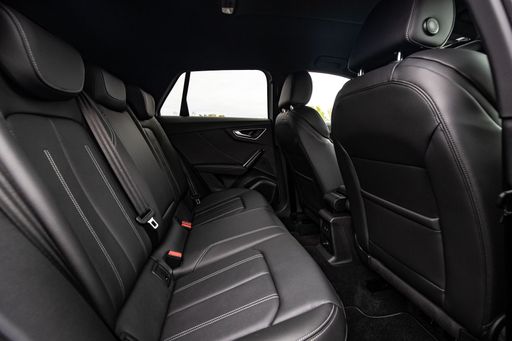
Choose the Audi Q2 if you want a compact SUV with premium grain, sharper handling and a cabin that reads upmarket in everyday use; it suits solo drivers or couples who prize brand feel and driving engagement. Opt for the VW Taigo if your priority is real-world practicality — bigger luggage space, a more forgiving ride and ergonomics geared to family runs and errands — making it a better match for small families and comfort-focused buyers. Both cars have compromises: the Q2 asks you to accept a firmer ride and tighter rear space for style and driving poise, while the Taigo asks you to forgo a premium ambience for usability and a larger boot. With those trade-offs clear, the next section digs into the technical details so you can see how engines, packaging and equipment translate into measurable differences on the road.

Here’s where it gets real: The technical differences in detail

Taigo

Costs and Efficiency:

Price and efficiency are key factors when choosing a car – and this is often where the real differences emerge.

VW Taigo is clearly cheaper – starting at 19,900 £ , while the Audi Q2 costs 24,900 £ . That’s a price difference of around 4,937 £.

Fuel consumption also shows a difference: the Audi Q2 uses 4.8 L/100km and is slightly more efficient than the VW Taigo with 5.3 L/100km. The difference is about 0.5 L/100km.

Q2

Engine and Performance:

Power, torque and acceleration are the classic benchmarks for car enthusiasts – and here, some clear differences start to show.

When it comes to engine power, the Audi Q2 offers significantly more power – delivering 300 HP compared to 150 HP. That’s roughly 150 HP more horsepower.

When accelerating from 0 to 100 km/h, the Audi Q2 is significantly quicker – completing the sprint in 4.9 s, while the VW Taigo takes 8.2 s. That’s about 3.3 s quicker.

There’s also a difference in torque: the Audi Q2 delivers markedly more torque with 400 Nm compared to 250 Nm. That’s about 150 Nm more.

Taigo

Space and Everyday Use:

Cabin size, boot volume and payload all play a role in everyday practicality. Here, comfort and flexibility make the difference.

Both vehicles offer seating for 5 people.

In terms of curb weight, VW Taigo is very slightly lighter – 1,229 kg compared to 1,330 kg. The difference is around 101 kg.

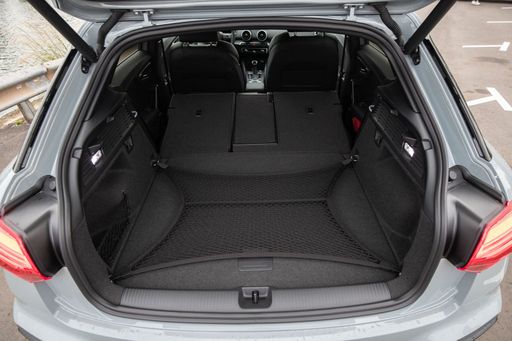
Looking at boot space, the VW Taigo offers marginally more boot space – 440 L compared to 405 L. That’s a difference of about 35 L.

When it comes to payload, the Audi Q2 carries a bit more – 510 kg compared to 457 kg. That’s a difference of about 53 kg.

Who wins the race in the data check?

The Audi Q2 is far ahead overall in the objective data comparison.
This result only shows which model scores more points on paper – not which of the two cars feels right for you.

from £24,900
Q2

Audi Q2

  • Engine Type Petrol, Diesel
  • Transmission Manuel, Automatic
  • Drive Type Front-Wheel Drive, All-Wheel Drive
  • Power HP 116 - 300 HP
  • Consumption L/100km 4.8 - 8.1 L/100km
VW Taigo
Audi Q2

Costs and Consumption

View detailed analysis

Engine and Performance

View detailed analysis

Dimensions and Body

View detailed analysis

VW Taigo

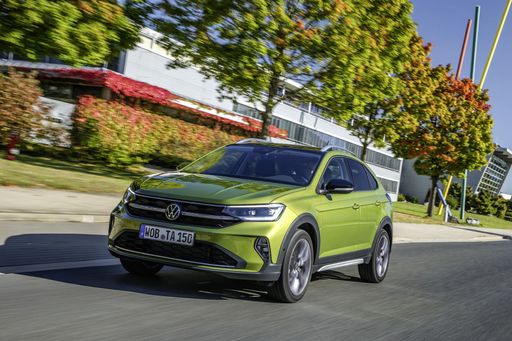
The VW Taigo blends a coupe-like roofline with crossover practicality, giving it a stylish presence on the road while remaining easy to live with for everyday driving. It delivers a comfortable ride, intuitive tech and smart use of space, making it a good choice if you want SUV looks without the bulk of a larger vehicle.

details

Audi Q2

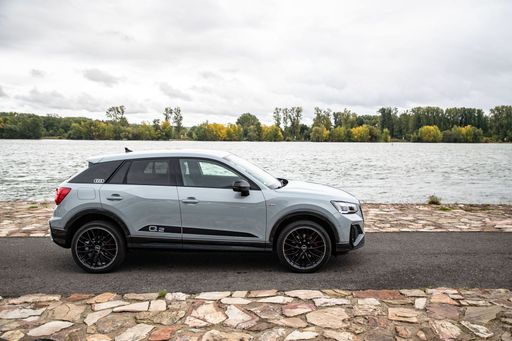
The Audi Q2 packs Audi’s premium attitude into a compact, cheeky package that turns city streets into a runway for tasteful design and clever practicality. It’s an easy car to live with thanks to an upscale cabin, composed manners and sprightly handling, and while it won’t satisfy someone chasing sports-car thrills, it’s a smart, stylish pick for buyers who want substance with a wink.

details
VW Taigo
Audi Q2

Costs and Consumption

Price
19,900 - 31,800 £
Price
24,900 - 43,600 £
Consumption L/100km
5.3 - 5.8 L/100km
Consumption L/100km
4.8 - 8.1 L/100km
Consumption kWh/100km
-
Consumption kWh/100km
-
Electric Range
-
Electric Range
-
Battery Capacity
-
Battery Capacity
-
co2
120 - 132 g/km
co2
127 - 183 g/km
Fuel tank capacity
-
Fuel tank capacity
-

Dimensions and Body

Body Type
SUV
Body Type
SUV
Seats
5
Seats
5
Doors
-
Doors
-
Curb weight
1,229 - 1,302 kg
Curb weight
1,330 - 1,610 kg
Trunk capacity
440 L
Trunk capacity
355 - 405 L
Length
-
Length
-
Width
1,757 mm
Width
1,794 - 1,802 mm
Height
-
Height
-
Max trunk capacity
-
Max trunk capacity
-
Payload
448 - 457 kg
Payload
450 - 510 kg

Engine and Performance

Engine Type
Petrol
Engine Type
Petrol, Diesel
Transmission
Manuel, Automatic
Transmission
Manuel, Automatic
Transmission Detail
Manual Gearbox, Dual-Clutch Automatic
Transmission Detail
Manual Gearbox, Dual-Clutch Automatic
Drive Type
Front-Wheel Drive
Drive Type
Front-Wheel Drive, All-Wheel Drive
Power HP
95 - 150 HP
Power HP
116 - 300 HP
Acceleration 0-100km/h
8.2 - 11.1 s
Acceleration 0-100km/h
4.9 - 10.5 s
Max Speed
-
Max Speed
-
Torque
175 - 250 Nm
Torque
200 - 400 Nm
Number of Cylinders
3 - 4
Number of Cylinders
3 - 4
Power kW
70 - 110 kW
Power kW
85 - 221 kW
Engine capacity
999 - 1,498 cm3
Engine capacity
999 - 1,984 cm3

General

Model Year
2,024 - 2,025
Model Year
2025
CO2 Efficiency Class
D
CO2 Efficiency Class
D, F, E, G
Brand
VW
Brand
Audi
DriveDuel uses data analysis and artificial intelligence to evaluate vehicle data and create content. Content is regularly reviewed and improved. The displayed prices are estimates based on German list prices, adjusted to the respective country’s VAT. Country-specific registration taxes are not included. This information is not legally binding.