VS

VW Taigo vs Peugeot 2008 comparison

Compare performance (150 HP vs 156 HP), boot space and price (19,900 £ vs 24,800 £ ) at a glance. Find out which car is the better choice for you – VW Taigo or Peugeot 2008?

VW Taigo vs Peugeot 2008: Key differences

VW Taigo

4.9 (3 Reviews)
rate
  • markedly cheaper
  • marginally quicker 0–100 km/h
  • very slightly lighter
  • barely more trunk space
details

Peugeot 2008

5 (1 Reviews)
rate
  • very slightly more power
  • very slightly more efficient
details

By Achim Sedelmaier

Taigo

Peugeot 2008 VS VW Taigo — which one fits your daily life?

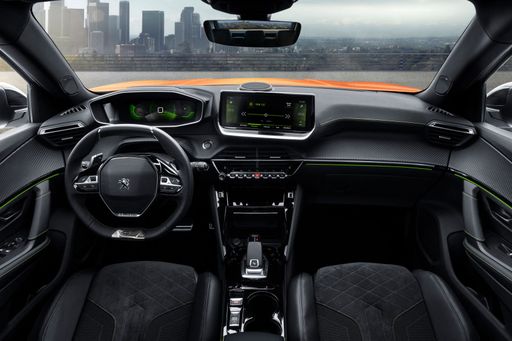
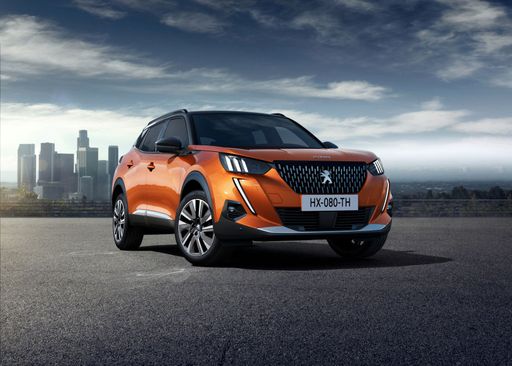
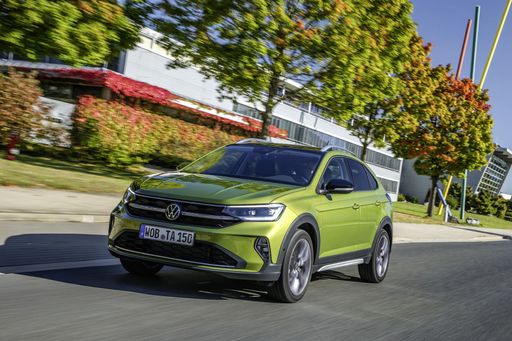
The Peugeot 2008 and the VW Taigo start from a similar brief but head in different directions: the Peugeot courts style and cabin quality, while the Taigo trades a touch of finesse for maximum everyday usefulness. The 2008 feels like an upscale small SUV inside, with materials and design that aim to impress from the driver’s seat. The Taigo, by contrast, lays its cards on the table with a roomy boot and straightforward ergonomics that make life easier with kids and luggage. If you care most about perceived quality and a relaxed motorway demeanour, the Peugeot leans that way; if you prize cargo space and uncomplicated practicality, the Taigo is more persuasive.
2008

Character on the road: city agility versus composed cruising

In town the Peugeot 2008 feels light and easy to place, its compact manners and light steering making urban manoeuvres pleasant, though the small i‑Cockpit can sit oddly for some drivers. The VW Taigo also excels in city use thanks to a small turning circle and conventional seating position, but the chunky C‑pillars make reversing and blind‑spot awareness more dependent on camera aids. On the open road the Peugeot generally presents as quieter and more settled at speed, giving a calmer long‑distance experience. The Taigo is comfortable on motorways too and can feel more straightforward and predictable, though some examples show more wind intrusion at higher speeds. Both are relaxed rather than sporty, but the Peugeot tilts toward refinement while the Taigo emphasises steady, no‑nonsense behaviour.

Taigo

Comfort and cabin feel: premium vibe versus functional simplicity

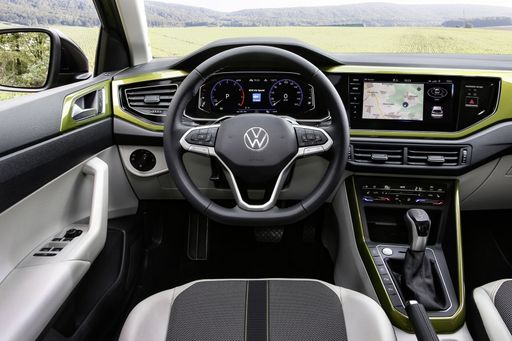
The Peugeot 2008’s interior leans into a modern, upmarket vibe with softer surfaces and a design that reads more premium than its class rivals. VW Taigo opts for a cleaner, more functional cabin where plastics are more evident but controls and seating are familiar and easy to live with. The 2008’s small steering and high instrument layout can create an unusual seating feel that rewards a proper test drive, whereas the Taigo’s conventional ergonomics suit a wider range of drivers out of the gate. On long runs the Peugeot’s quieter cabin helps it feel a touch more grown‑up, but the Taigo’s seats and suspension do a very good job of keeping occupants comfortable over miles. Choose the Peugeot if cabin ambience matters; pick the Taigo if you prefer predictable, straightforward ergonomics.

2008

Practicality and family use: luggage flexibility versus everyday volume

When it comes to luggage the VW Taigo is the headline performer with a wide, usable boot and an easy load lip that makes everyday loading less fiddly for prams and suitcases. The Peugeot 2008 also offers sensible luggage solutions—its two‑level loading and practical packaging work well in daily life—but some electrified versions carry less space which is worth checking for your needs. Rear-seat comfort is a mixed picture: both cars are fine for two adults or children's seats, but tall passengers will feel the Taigo’s roofline sooner and miss a sliding rear bench. The Taigo’s layout is very straightforward for family chores, while the 2008 rewards those who value a bit more interior flair and clever small‑item detailing. In short, Taigo prioritises maximum usable volume, Peugeot balances usefulness with a more refined interior presentation.

Taigo

Technology and day‑to‑day usability: headline gadgets with caveats

Both cars pack modern screens and active safety kit, but the way you interact with them differs and affects everyday mood—Peugeot pushes a stylish, touch‑led cockpit while VW balances tech with familiar layouts in lower trims. The 2008’s touchscreen and climate controls can feel elegant but occasionally interruptive, and the i‑Cockpit interface demands a careful test to make sure it suits your sightlines. The Taigo’s infotainment can be sluggish in places and higher trims trade physical knobs for touch‑sliders that not everyone will like, though basic trims keep things simple and intuitive. In practice the Peugeot delivers a more premium tech impression if you’re willing to live with its quirks, whereas the Taigo gives uncomplicated operation at the cost of some polish. Both need a real‑world test to judge responsiveness and visibility before you commit.

2008

Which buyer fits each car best — the final trade‑off before the spec sheet

If you prioritise cabin quality, a hushed motorway demeanour and a stylish, modern interior, the Peugeot 2008 will feel like the smarter, more composed choice for regular commuting and longer trips. If you need the most usable boot space, straightforward ergonomics for family life and a more pragmatic, value‑focused package, the VW Taigo lines up better with those priorities. The 2008 suits buyers who want a small SUV that feels special; the Taigo suits buyers who want predictable utility and easy day‑to‑day living. Read the technical comparison next to see how those real‑world differences map to drivetrains, dimensions and equipment for the exact variants you’re considering.

Here’s where it gets real: The technical differences in detail

Taigo

Costs and Efficiency:

Price and efficiency are key factors when choosing a car – and this is often where the real differences emerge.

VW Taigo is markedly cheaper – starting at 19,900 £ , while the Peugeot 2008 costs 24,800 £ . That’s a price difference of around 4,842 £.

Fuel consumption also shows a difference: the Peugeot 2008 uses 4.9 L/100km and is very slightly more efficient than the VW Taigo with 5.3 L/100km. The difference is about 0.4 L/100km.

2008

Engine and Performance:

Power, torque and acceleration say a lot about how a car feels on the road. This is where you see which model delivers more driving dynamics.

When it comes to engine power, the Peugeot 2008 offers very slightly more power – delivering 156 HP compared to 150 HP. That’s roughly 6 HP more horsepower.

When accelerating from 0 to 100 km/h, the VW Taigo is marginally quicker – completing the sprint in 8.2 s, while the Peugeot 2008 takes 8.3 s. That’s about 0.1 s quicker.

There’s also a difference in torque: the Peugeot 2008 delivers very slightly more torque with 270 Nm compared to 250 Nm. That’s about 20 Nm more.

Taigo

Space and Everyday Use:

Cabin size, boot volume and payload all play a role in everyday practicality. Here, comfort and flexibility make the difference.

Both vehicles offer seating for 5 people.

In terms of curb weight, VW Taigo is very slightly lighter – 1,229 kg compared to 1,263 kg. The difference is around 34 kg.

Looking at boot space, the VW Taigo offers barely more boot space – 440 L compared to 434 L. That’s a difference of about 6 L.

When it comes to payload, the VW Taigo carries very slightly more – 457 kg compared to 447 kg. That’s a difference of about 10 kg.

Who wins the race in the data check?

The Peugeot 2008 is clearly ahead overall in the objective data comparison.
This result only shows which model scores more points on paper – not which of the two cars feels right for you.

from £24,800
2008

Peugeot 2008

  • Engine Type Petrol MHEV, Electric, Petrol
  • Transmission Automatic, Manuel
  • Drive Type Front-Wheel Drive
  • Power HP 101 - 156 HP
  • Consumption L/100km 4.9 - 5.7 L/100km
  • Consumption kWh/100km 15.3 kWh/100km
  • Electric Range 405 km
VW Taigo
Peugeot 2008

Costs and Consumption

View detailed analysis

Engine and Performance

View detailed analysis

Dimensions and Body

View detailed analysis

VW Taigo

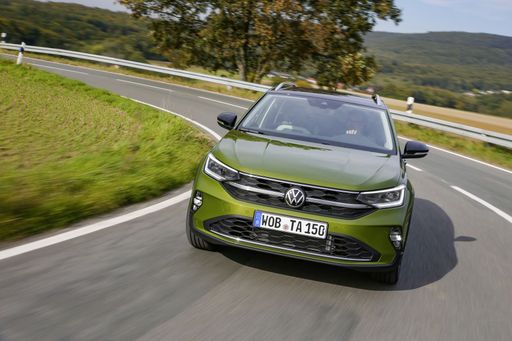
The VW Taigo blends a coupe-like roofline with crossover practicality, giving it a stylish presence on the road while remaining easy to live with for everyday driving. It delivers a comfortable ride, intuitive tech and smart use of space, making it a good choice if you want SUV looks without the bulk of a larger vehicle.

details

Peugeot 2008

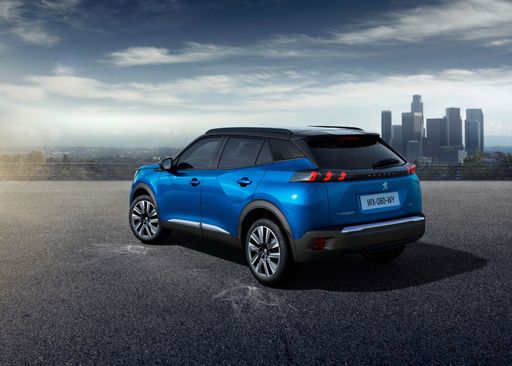
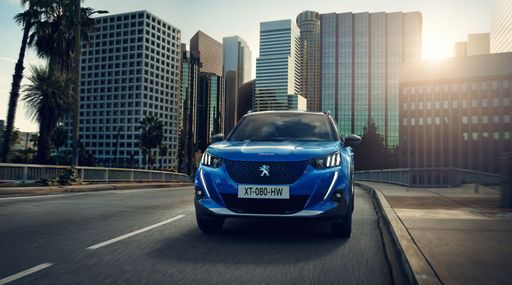
The Peugeot 2008 is a compact crossover that blends sharp French styling with a practical, high-riding layout, giving it more presence and versatility than a typical small hatchback. Inside it offers a clever, user-friendly cabin with sensible storage and modern infotainment, while a composed ride and efficient powertrains make it well suited to both city errands and longer journeys.

details
VW Taigo
Peugeot 2008

Costs and Consumption

Price
19,900 - 31,800 £
Price
24,800 - 40,400 £
Consumption L/100km
5.3 - 5.8 L/100km
Consumption L/100km
4.9 - 5.7 L/100km
Consumption kWh/100km
-
Consumption kWh/100km
15.3 kWh/100km
Electric Range
-
Electric Range
405 km
Battery Capacity
-
Battery Capacity
-
co2
120 - 132 g/km
co2
0 - 129 g/km
Fuel tank capacity
-
Fuel tank capacity
-

Dimensions and Body

Body Type
SUV
Body Type
SUV
Seats
5
Seats
5
Doors
-
Doors
-
Curb weight
1,229 - 1,302 kg
Curb weight
1,263 - 1,623 kg
Trunk capacity
440 L
Trunk capacity
434 L
Length
-
Length
-
Width
1,757 mm
Width
1,770 mm
Height
-
Height
-
Max trunk capacity
-
Max trunk capacity
-
Payload
448 - 457 kg
Payload
407 - 447 kg

Engine and Performance

Engine Type
Petrol
Engine Type
Petrol MHEV, Electric, Petrol
Transmission
Manuel, Automatic
Transmission
Automatic, Manuel
Transmission Detail
Manual Gearbox, Dual-Clutch Automatic
Transmission Detail
Dual-Clutch Automatic, Reduction Gearbox, Manual Gearbox
Drive Type
Front-Wheel Drive
Drive Type
Front-Wheel Drive
Power HP
95 - 150 HP
Power HP
101 - 156 HP
Acceleration 0-100km/h
8.2 - 11.1 s
Acceleration 0-100km/h
8.3 - 10.9 s
Max Speed
-
Max Speed
-
Torque
175 - 250 Nm
Torque
205 - 270 Nm
Number of Cylinders
3 - 4
Number of Cylinders
3
Power kW
70 - 110 kW
Power kW
74 - 115 kW
Engine capacity
999 - 1,498 cm3
Engine capacity
1,199 cm3

General

Model Year
2,024 - 2,025
Model Year
2,025 - 2,026
CO2 Efficiency Class
D
CO2 Efficiency Class
C, A, D
Brand
VW
Brand
Peugeot
DriveDuel uses data analysis and artificial intelligence to evaluate vehicle data and create content. Content is regularly reviewed and improved. The displayed prices are estimates based on German list prices, adjusted to the respective country’s VAT. Country-specific registration taxes are not included. This information is not legally binding.