VS

VW Taigo vs Skoda Kamiq comparison

Compare performance (150 HP vs 150 HP), boot space and price (19,900 £ vs 22,300 £ ) at a glance. Find out which car is the better choice for you – VW Taigo or Skoda Kamiq?

VW Taigo vs Skoda Kamiq: Key differences

VW Taigo

4.9 (3 Reviews)
rate
  • slightly cheaper
  • marginally lighter
  • very slightly more trunk space

Skoda Kamiq

5 (5 Reviews)
rate
  • marginally quicker 0–100 km/h
Taigo

City shapes, different souls

The choice between the Skoda Kamiq and the VW Taigo is really a question of character rather than specification. One plays the sensible, no-nonsense family companion with a focus on practicality, while the other leans into a sportier, style-first persona that likes to be noticed in urban traffic. Both feel at home in the city, but they appeal to slightly different sensibilities — the pragmatic buyer versus the style-conscious commuter. Pick according to which personality fits your daily routine and taste.

Kamiq

Looks that tell a story

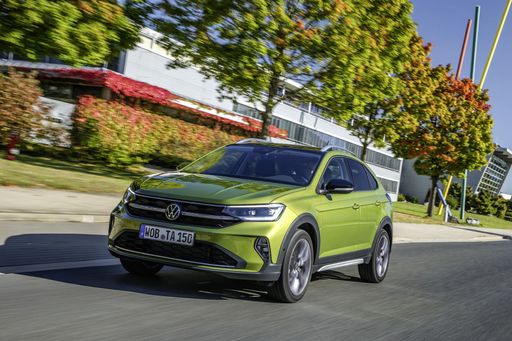
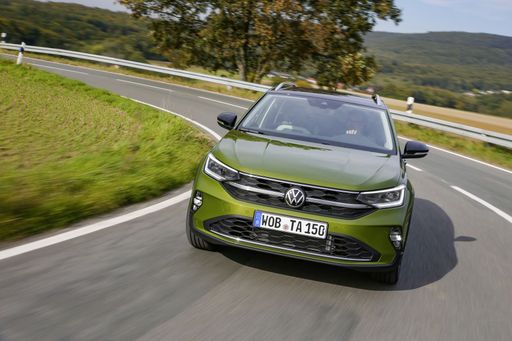
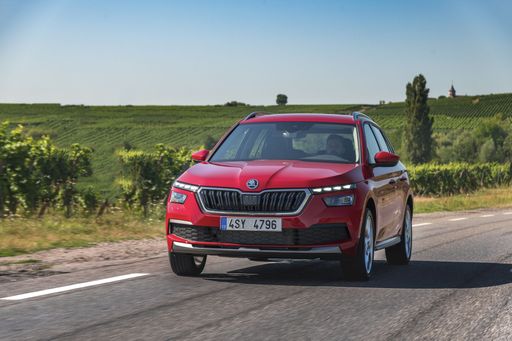
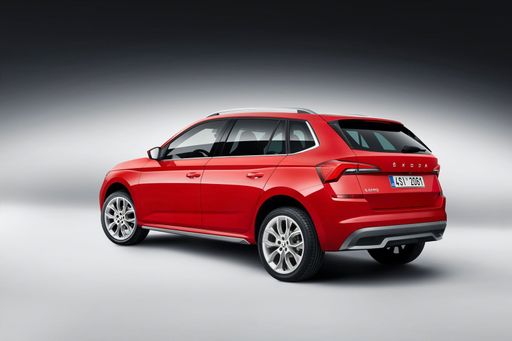
Design is where you see their intentions at a glance: the Taigo wears a lower, coupe-like silhouette that gives it curb appeal and a youthful wink, whereas the Kamiq keeps things upright and understated, projecting practicality and quiet confidence. Materials and trim choices reinforce those roles — the Taigo aims to dazzle, the Kamiq aims to reassure. Neither is shy, but one is more likely to turn heads in the high street and the other to blend into a busy school run. Your wardrobe and parking habits will tell you which looks better in your driveway.

Taigo

How they handle the real world

On the road the differences become about mood more than outright performance: one delivers a slightly livelier, more engaging steering feel for those who enjoy threading through traffic, while the other prioritises composed comfort and predictable manners for longer stints behind the wheel. Urban agility and parking ease are strengths for both, but ride absorption and suspension tuning reveal their priorities — sportiness versus isolation. Neither is extreme, so daily driving rewards depend on whether you prefer sharper responses or a softer cruise. Test drives will quickly show which temperament suits your commute.

Kamiq

Inside life: comfort and ergonomics

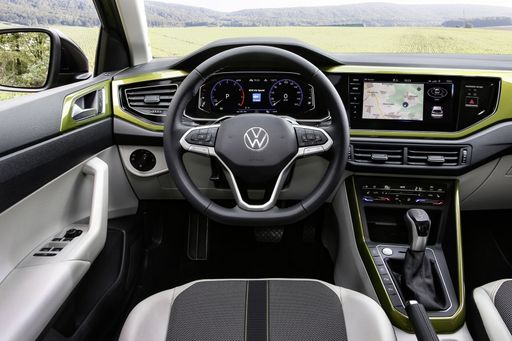
Step inside and practical decisions keep stacking up: the Kamiq favours straightforward ergonomics and clever storage that make everyday life easier, while the Taigo injects a dash of flair into its cabin layout and mood. Seat comfort and visibility are broadly sensible in both, but taller passengers and family cargo start to expose the subtle differences in packaging. Controls and switchgear follow brand DNA — one leans pragmatic, the other stylish — so your preference for buttoned simplicity or a more design-led cockpit will matter. Either cabin is commendable; it’s a matter of taste and routine.

Taigo

Practicalities that matter day to day

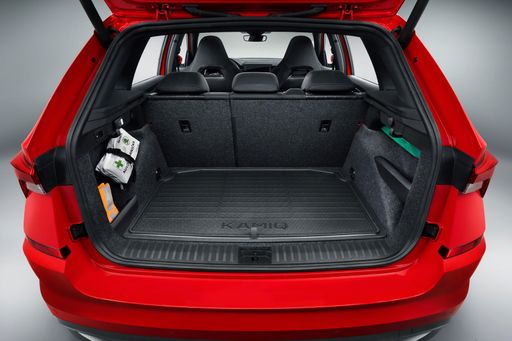
When it comes to loading groceries, folding seats and weekend luggage, the Kamiq’s approach to usability tends to reward those who prioritise flexibility, while the Taigo sacrifices a touch of practicality in favour of a sportier roofline and a sleeker profile. Door apertures, parcel shelf design and how bulky items sit make a real difference on shopping days and school runs, and you’ll notice small conveniences stacking up over time. Families and pragmatic buyers will appreciate clever touches that make life simpler, whereas style-led customers may accept a few compromises for the look. Think about the kinds of hauls you do most often before deciding.

Kamiq

Gadgets, screens and living with tech

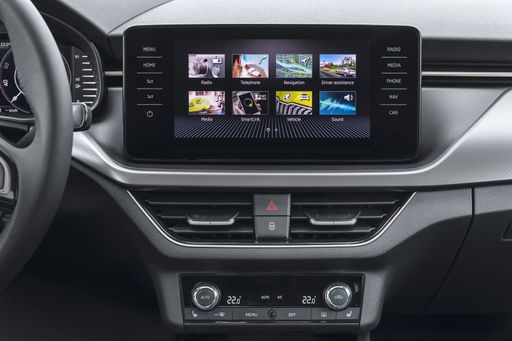
Both cabins come with the tech expected of modern small SUVs, but the presentation differs: one focuses on ease of use with clear menus and tactile controls, while the other leans into a more fashion-forward interface that looks slick but asks you to adapt. Connectivity and driver assistance features are plentiful, yet how they’re integrated into daily life — and how intuitive they feel at a glance — will sway owners quicker than raw feature lists. If you value straightforward operation while juggling kids and bags, ergonomics trump flash; if entertaining passengers with clever screens is your thing, the flashier setup will please. Practicality wins in rush-hour stress, style scores in weekend pride.

Taigo

Who should pick which?

For buyers focused on family-friendly practicality, ease of use and everyday versatility, the Kamiq reads as the sensible, no-fuss choice that keeps life uncomplicated, while the Taigo will attract those who want a compact crossover with sharper street presence and a more fashion-led cabin. Commuters who crave a bit of personality and image will enjoy the Taigo’s flair, whereas people who haul kids, crates and projects will appreciate the Kamiq’s accommodating nature. Read on — the DriveDuel Champion will be revealed afterwards, and that final verdict will help you match the car to your life.

Here’s where it gets real: The technical differences in detail

Taigo

Costs and Efficiency:

Price and efficiency are key factors when choosing a car – and this is often where the real differences emerge.

VW Taigo is slightly cheaper – starting at 19,900 £ , while the Skoda Kamiq costs 22,300 £ . That’s a price difference of around 2,348 £.

Both cars consume an average of 5.3 L/100km – no difference here.

Kamiq

Engine and Performance:

Power, torque and acceleration are the classic benchmarks for car enthusiasts – and here, some clear differences start to show.

Both models deliver identical power – 150 HP each.

When accelerating from 0 to 100 km/h, the Skoda Kamiq is marginally quicker – completing the sprint in 8.1 s, while the VW Taigo takes 8.2 s. That’s about 0.1 s quicker.

Both models offer the same torque – 250 Nm.

Taigo

Space and Everyday Use:

Whether family car or daily driver – which one offers more room, flexibility and comfort?

Both vehicles offer seating for 5 people.

In terms of curb weight, VW Taigo is marginally lighter – 1,229 kg compared to 1,231 kg. The difference is around 2 kg.

Looking at boot space, the VW Taigo offers very slightly more boot space – 440 L compared to 400 L. That’s a difference of about 40 L.

When it comes to payload, the Skoda Kamiq carries a bit more – 539 kg compared to 457 kg. That’s a difference of about 82 kg.

Who wins the race in the data check?

The VW Taigo is narrowly ahead in the objective data comparison.
This result only shows which model scores more points on paper – not which of the two cars feels right for you.

from £19,900
Taigo

VW Taigo

  • Engine Type : Petrol
  • Transmission : Manuel, Automatic
  • Drive Type : Front-Wheel Drive
  • Power HP : 95 - 150 HP
  • Consumption L/100km : 5.3 - 5.8 L/100km
VW Taigo
Skoda Kamiq

Costs and Consumption

View detailed analysis

Engine and Performance

View detailed analysis

Dimensions and Body

View detailed analysis

VW Taigo

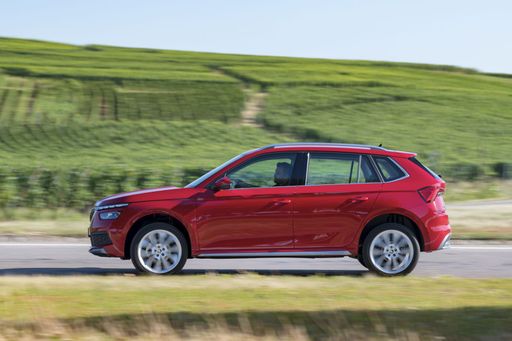
The VW Taigo brings coupe-like flair to the compact crossover scene with sharp styling and an interior that punches above its price, feeling smarter than you’d expect. It’s an easygoing daily companion that balances comfort and practicality with a playful wink, perfect for city drivers who want something livelier than a regular hatchback.

details

Skoda Kamiq

The Skoda Kamiq is a neatly packaged city crossover that pairs practical space with unshowy, thoughtful design. It’s easy to live with, economical to run and full of clever details that make daily driving feel intelligently sorted rather than flashy.

details
VW Taigo
Skoda Kamiq

Costs and Consumption

Price
19,900 - 31,800 £
Price
22,300 - 32,700 £
Consumption L/100km
5.3 - 5.8 L/100km
Consumption L/100km
5.3 - 5.7 L/100km
Consumption kWh/100km
-
Consumption kWh/100km
-
Electric Range
-
Electric Range
-
Battery Capacity
-
Battery Capacity
-
co2
120 - 132 g/km
co2
121 - 128 g/km
Fuel tank capacity
-
Fuel tank capacity
50 L

Dimensions and Body

Body Type
SUV
Body Type
SUV
Seats
5
Seats
5
Doors
-
Doors
5
Curb weight
1,229 - 1,302 kg
Curb weight
1,231 - 1,340 kg
Trunk capacity
440 L
Trunk capacity
400 L
Length
-
Length
4,241 mm
Width
1,757 mm
Width
1,793 mm
Height
-
Height
1,562 mm
Max trunk capacity
-
Max trunk capacity
1,395 L
Payload
448 - 457 kg
Payload
439 - 539 kg

Engine and Performance

Engine Type
Petrol
Engine Type
Petrol
Transmission
Manuel, Automatic
Transmission
Manuel, Automatic
Transmission Detail
Manual Gearbox, Dual-Clutch Automatic
Transmission Detail
Manual Gearbox, Dual-Clutch Automatic
Drive Type
Front-Wheel Drive
Drive Type
Front-Wheel Drive
Power HP
95 - 150 HP
Power HP
95 - 150 HP
Acceleration 0-100km/h
8.2 - 11.1 s
Acceleration 0-100km/h
8.1 - 11 s
Max Speed
-
Max Speed
183 - 216 km/h
Torque
175 - 250 Nm
Torque
175 - 250 Nm
Number of Cylinders
3 - 4
Number of Cylinders
3 - 4
Power kW
70 - 110 kW
Power kW
70 - 110 kW
Engine capacity
999 - 1,498 cm3
Engine capacity
999 - 1,498 cm3

General

Model Year
2,024 - 2,025
Model Year
2,025
CO2 Efficiency Class
D
CO2 Efficiency Class
D
Brand
VW
Brand
Skoda
DriveDuel uses data analysis and artificial intelligence to evaluate vehicle data and create content. Content is regularly reviewed and improved. The displayed prices are estimates based on German list prices, adjusted to the respective country’s VAT. Country-specific registration taxes are not included. This information is not legally binding.