VS

XPeng G9 vs BYD Tang comparison

Compare performance (575 HP vs 517 HP), boot space and price (51,100 £ vs 64,300 £ ) at a glance. Find out which car is the better choice for you – XPeng G9 or BYD Tang?

XPeng G9 vs BYD Tang: Key differences

XPeng G9

4.6 (3 Reviews)
rate
  • markedly cheaper
  • somewhat more power
  • visibly more efficient
  • barely more electric range
  • somewhat quicker 0–100 km/h
  • a bit lighter
  • substantially more trunk space

BYD Tang

All details on performance, efficiency, range and trunk space can be found in the technical comparison below – including user reviews for both models.

G9

In the rapidly evolving landscape of electric vehicles, two notable contenders have emerged from China: the BYD Tang and the XPeng G9. Both models boast electrifying performance, cutting-edge technology, and thoughtful innovations aimed at enhancing the driving experience. In this article, we will delve into a detailed comparison of these two SUVs, examining their technical aspects, performance metrics, and unique features.

Tang

Powertrain and Performance

The BYD Tang comes equipped with an impressive all-wheel drive (AWD) system, producing an astounding 517 HP (380 kW) and 680 Nm of torque. This translates to a swift acceleration of 0-100 km/h in just 4.9 seconds, along with a top speed of 190 km/h. It features a consumption rate of 24 kWh/100km and offers a substantial electric range of 530 km, making it a strong contender for long-distance journeys.

On the other hand, the XPeng G9 presents a more diverse powertrain, available in both rear-wheel drive (RWD) and all-wheel drive configurations. The power output varies significantly, with options ranging from 313 HP (230 kW) to an impressive 551 HP (405 kW). The G9's torque output peaks at 717 Nm, allowing it to sprint from 0-100 km/h in as little as 3.9 seconds, which is noticeably faster than the Tang. With an electric range between 460 km to 570 km depending on the battery configuration, it offers versatility suited for different driving needs.

G9

Battery and Efficiency

Battery capacity is crucial for electric vehicles, and the BYD Tang houses a capable system that allows it to achieve its electric range with relative efficiency. In contrast, the XPeng G9 takes advantage of larger battery options, featuring capacities of 75.8 kWh and up to 93.1 kWh, making it suitable for users who prioritize longer ranges. The G9 also showcases a slightly better efficiency, with consumption ranging from 19.4 kWh to 21.3 kWh/100km, compared to the Tang's 24 kWh, which may appeal to those focused on minimizing energy costs.

Tang

Dimensions and Interior Space

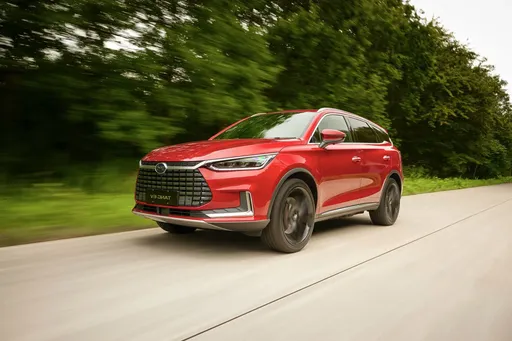
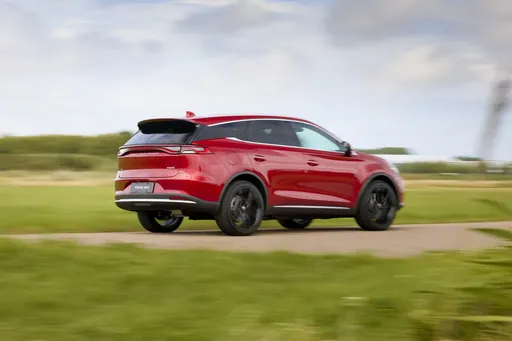
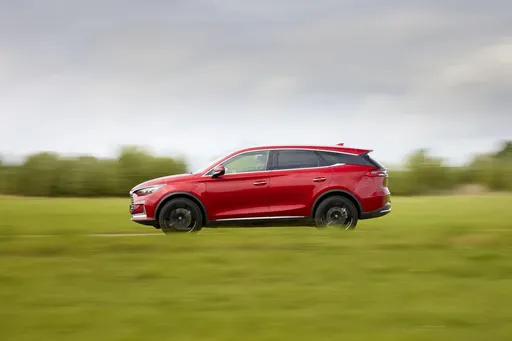
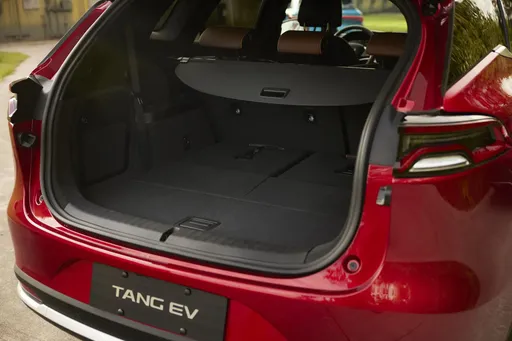
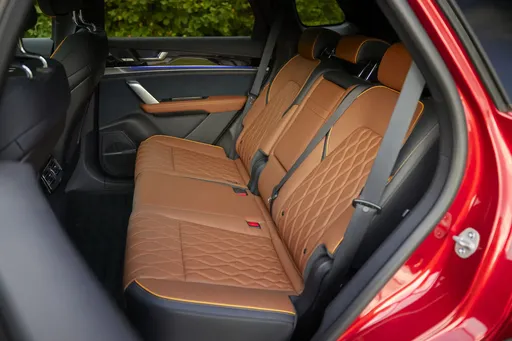
When comparing the dimensions, the BYD Tang measures 4970 mm in length, 1955 mm in width, and 1745 mm in height. It comfortably accommodates up to seven passengers, making it an attractive option for families or those needing extra space. The trunk capacity of 235 liters adds further practicality to its design.

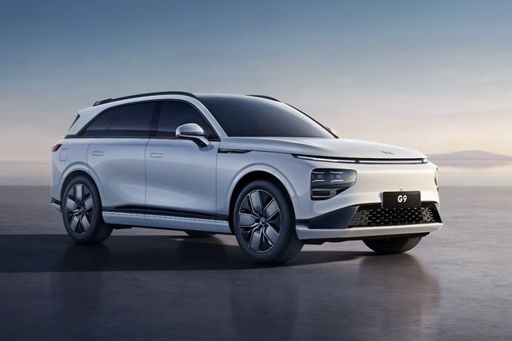
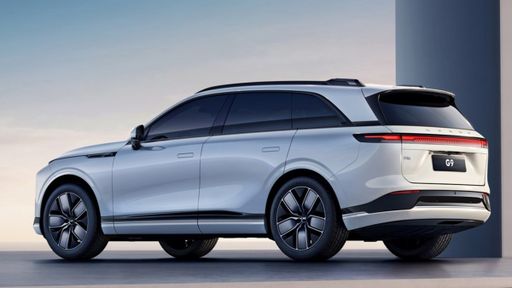
The XPeng G9, while slightly shorter at 4891 mm, offers a wider profile at 1937 mm, contributing to a spacious interior feel. It is designed to seat five passengers and boasts a significantly larger trunk capacity of 660 liters, which may appeal to buyers looking for cargo versatility. The G9’s height ranges from 1670 mm to 1680 mm, presenting a modern silhouette while maintaining excellent aerodynamics.

G9

Innovative Technology and Features

Both vehicles are equipped with advanced technology that enhances the driving experience. The BYD Tang incorporates various smart features, including a sophisticated infotainment system, driver-assistance technologies, and an ergonomic interface designed for comfort and usability.

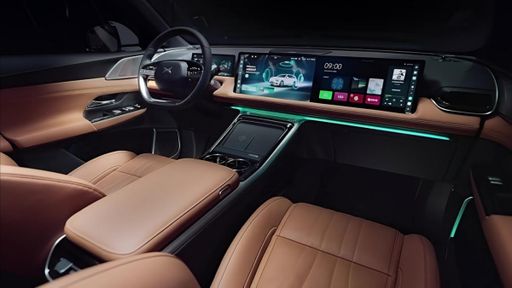
Meanwhile, XPeng has made headlines with its autonomous driving capabilities, particularly with its XPILOT system, which offers an array of advanced driver-assistance features. The G9 is focused on a higher level of connectivity and user experience, with over-the-air updates that ensure the vehicle's software remains cutting-edge.

Tang

Conclusion: Which SUV Reigns Supreme?

Choosing between the BYD Tang and the XPeng G9 ultimately boils down to individual preferences and priorities. The Tang offers formidable power, a spacious seven-seat layout, and a strong electric range, making it an excellent family-oriented SUV. On the flip side, the XPeng G9 excels in performance, innovative technology, and cargo capacity, appealing to tech-savvy drivers who crave both speed and cutting-edge features.

As both manufacturers continue to innovate and improve their offerings, the race in the electric SUV market is sure to become even more competitive. Potential buyers would do well to consider their specific needs and driving habits before making a decision.

Here’s where it gets real: The technical differences in detail

G9

Costs and Efficiency:

When it comes to price and running costs, the biggest differences usually appear. This is often where you see which car fits your budget better in the long run.

XPeng G9 is markedly cheaper – starting at 51,100 £ , while the BYD Tang costs 64,300 £ . That’s a price difference of around 13,200 £.

In terms of energy consumption, the XPeng G9 is visibly more efficient: consuming 18.4 kWh/100km compared to 24 kWh/100km for the BYD Tang. That’s a difference of about 5.6 kWh/100km.

As for electric range, the XPeng G9 offers barely more range – reaching up to 585 km, about 55 km more than the BYD Tang.

Tang

Engine and Performance:

Power, torque and acceleration are the classic benchmarks for car enthusiasts – and here, some clear differences start to show.

When it comes to engine power, the XPeng G9 offers somewhat more power – delivering 575 HP compared to 517 HP. That’s roughly 58 HP more horsepower.

When accelerating from 0 to 100 km/h, the XPeng G9 is somewhat quicker – completing the sprint in 4.2 s, while the BYD Tang takes 4.9 s. That’s about 0.7 s quicker.

There’s also a difference in torque: the XPeng G9 delivers only slightly more torque with 695 Nm compared to 680 Nm. That’s about 15 Nm more.

G9

Space and Everyday Use:

Cabin size, boot volume and payload all play a role in everyday practicality. Here, comfort and flexibility make the difference.

Seats: BYD Tang offers more seats – 7 vs 5.

In terms of curb weight, XPeng G9 is a bit lighter – 2,210 kg compared to 2,630 kg. The difference is around 420 kg.

Looking at boot space, the XPeng G9 offers substantially more boot space – 660 L compared to 235 L. That’s a difference of about 425 L.

When it comes to payload, the BYD Tang carries only slightly more – 575 kg compared to 520 kg. That’s a difference of about 55 kg.

Who wins the race in the data check?

The XPeng G9 is clearly superior overall in the objective data comparison.
This result only shows which model scores more points on paper – not which of the two cars feels right for you.

from £51,100
G9

XPeng G9

  • Engine Type : Electric
  • Transmission : Automatic
  • Drive Type : Rear-Wheel Drive, All-Wheel Drive
  • Power HP : 351 - 575 HP
  • Consumption kWh/100km : 18.4 - 20.1 kWh/100km
  • Electric Range : 502 - 585 km
XPeng G9
BYD Tang

Costs and Consumption

View detailed analysis

Engine and Performance

View detailed analysis

Dimensions and Body

View detailed analysis

XPeng G9

The XPeng G9 feels like a confident leap into the electric SUV world, with sleek, purposeful styling and an interior that mixes modern tech with everyday comfort. On the road it’s calm and composed, serving up effortless pace and hushed refinement that turns long commutes into something you might actually enjoy — a strong pick for buyers who want electric convenience without compromise.

details

BYD Tang

The BYD Tang is a bold, tech-loaded SUV that blends striking design with roomy practicality, making it equally at home on the school run and the open road. Packed with clever tech and a powertrain that mixes efficiency with eager performance, it’s a smart, value-focused pick for buyers who want electric-age comfort without the premium-brand fuss.

details
XPeng G9
BYD Tang

Costs and Consumption

Price
51,100 - 62,200 £
Price
64,300 £
Consumption L/100km
-
Consumption L/100km
-
Consumption kWh/100km
18.4 - 20.1 kWh/100km
Consumption kWh/100km
24 kWh/100km
Electric Range
502 - 585 km
Electric Range
530 km
Battery Capacity
-
Battery Capacity
-
co2
0 g/km
co2
0 g/km
Fuel tank capacity
-
Fuel tank capacity
-

Dimensions and Body

Body Type
SUV
Body Type
SUV
Seats
5
Seats
7
Doors
-
Doors
5
Curb weight
2,210 - 2,395 kg
Curb weight
2,630 kg
Trunk capacity
660 L
Trunk capacity
235 L
Length
-
Length
4,970 mm
Width
1,937 mm
Width
1,955 mm
Height
-
Height
1,745 mm
Max trunk capacity
-
Max trunk capacity
1,655 L
Payload
515 - 520 kg
Payload
575 kg

Engine and Performance

Engine Type
Electric
Engine Type
Electric
Transmission
Automatic
Transmission
Automatic
Transmission Detail
Reduction Gearbox
Transmission Detail
Reduction Gearbox
Drive Type
Rear-Wheel Drive, All-Wheel Drive
Drive Type
All-Wheel Drive
Power HP
351 - 575 HP
Power HP
517 HP
Acceleration 0-100km/h
4.2 - 6.6 s
Acceleration 0-100km/h
4.9 s
Max Speed
-
Max Speed
190 km/h
Torque
465 - 695 Nm
Torque
680 Nm
Number of Cylinders
-
Number of Cylinders
-
Power kW
258 - 423 kW
Power kW
380 kW
Engine capacity
-
Engine capacity
-

General

Model Year
2,025
Model Year
2,024
CO2 Efficiency Class
A
CO2 Efficiency Class
A
Brand
XPeng
Brand
BYD
DriveDuel uses data analysis and artificial intelligence to evaluate vehicle data and create content. Content is regularly reviewed and improved. The displayed prices are estimates based on German list prices, adjusted to the respective country’s VAT. Country-specific registration taxes are not included. This information is not legally binding.