VS

XPeng P7 vs BYD Seal comparison

Compare performance (473 HP vs 530 HP), boot space and price (42,500 £ vs 41,100 £ ) at a glance. Find out which car is the better choice for you – XPeng P7 or BYD Seal?

XPeng P7 vs BYD Seal: Key differences

XPeng P7

5 (3 Reviews)
rate
  • only slightly more electric range
details

BYD Seal

4.9 (1 Reviews)
rate
  • only slightly cheaper
  • moderately more power
  • very slightly more efficient
  • marginally quicker 0–100 km/h
  • only slightly lighter
details

All details on performance, efficiency, range and trunk space can be found in the technical comparison below – including user reviews for both models.

By Achim Sedelmaier

P7

BYD Seal and XPeng P7 — an editorial snapshot

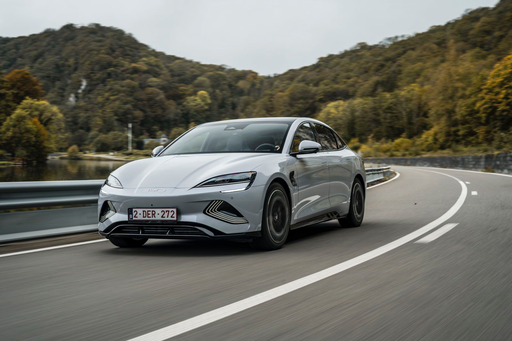
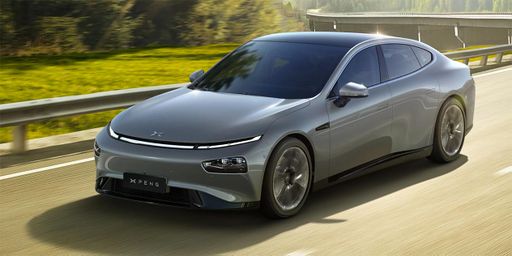
BYD Seal and XPeng P7 arrive as two thoughtful electric limousines with different priorities. On this page we set out a clear head‑to‑head: BYD Seal VS XPeng P7. The BYD Seal leans toward a more plush, hardware‑rich feel and immediate acceleration, while the XPeng P7 prioritises quiet efficiency and steadier charging behaviour on long trips. Both bring generous standard kit, but they translate it differently: Seal favours perceived build quality and seating comfort, P7 favours low noise, range and predictable public charging. Below we unpack how those choices play out in city traffic, on motorways, and in real family use.
Seal

Driving character and on‑road manners

Driving the BYD Seal feels like stepping into a strong‑pushing, composed cruiser — thrust is immediate and the car settles into high‑speed cruise with confidence. The XPeng P7, by contrast, trades explosive shove for a calmer, more economical delivery that rewards steady inputs and long runs rather than sprint contests. Steering on the P7 is secure but light and lacks the tactile feedback some drivers want; the Seal feels a bit heavier and more planted, which makes it feel sportier even if it's tuned toward comfort. On twisty roads the Seal's stronger pull and traction give it the edge when you want brisk progress, while the P7 is happier being eased along at a steady pace. In short: pick Seal for punch and presence, pick P7 for relaxed, efficient progress.

P7

Comfort, cabin feel and long‑distance behaviour

On long runs the BYD Seal shows its strengths: supportive, well‑finished seats and an interior that reads more premium than its price suggests. The XPeng P7's cabin is noticeably quieter and better suited to reading or working on the move, so fatigue creeps in later on long hauls. However, the Seal can feel firmer over small bumps at low speeds and reveals more road noise on coarse surfaces, whereas the P7 soaks up motorway miles with greater acoustic calm. Both cars pack lots of equipment, but Seal focuses on tactile creature comforts like ventilated seats and material quality, while P7 invests in refinement and efficiency. If long, silent motorway stretches are your routine choose the P7; if you prioritise seat comfort and cabin finish, the Seal will feel more satisfying.

Seal

Practicality and everyday usability

In everyday practicality neither car is a cargo workhorse: both have relatively narrow rear openings that make bulkier loads fiddly. The BYD Seal offers a usable frunk and a slightly more conventional rear seating posture, which helps with child seats and small item loading compared with the lower, fastback‑sloped P7. The XPeng P7 usually provides a touch more raw luggage volume but its high, narrow boot mouth and limited rear headroom penalise family practicality. Both cabins bury frequently used functions in deep menus and each maker’s driver assistance can be over‑eager, so expect to learn a few workarounds. If loading flexibility and a conventional cabin layout matter, Seal has the advantage; if overall volume with a sleek profile matters more, P7 still has a case despite the awkward opening.

P7

City friendliness and daily charging reality

Around town the XPeng P7 generally feels more composed: gentler power delivery, quieter cabin and better on‑road efficiency that stretches daily range. BYD Seal can be less forgiving at low speeds with firmer responses and a less pronounced single‑pedal feel, which makes stop‑and‑go traffic slightly more hands‑on. For drivers who plug mainly at home the Seal’s battery chemistry offers reassurance for frequent full charging, but on longer trips the P7’s steadier and quicker public charging behaviour reduces time lost at stops. Both cars have limited rear visibility and benefit from camera aids in tight urban parking, yet the Seal’s seating ergonomics make short hops feel less tiring. If your life is suburban commuting with occasional long runs, the P7 cuts more hassle; if you mostly charge at home and prize comfort in short journeys, the Seal fits better.

Seal

Who should consider each car — buyer fit and trade‑offs

Choosing between the BYD Seal and the XPeng P7 comes down to two clear buyer archetypes rather than a marginal spec fight. Select the Seal if you prioritise a tangible sense of interior quality, strong acceleration on demand and a more traditional, comfortable seating posture for passengers. Opt for the P7 if tranquillity, on‑road efficiency and quicker, more predictable public charging are higher on your checklist and you value long solo motorway miles. Both need a test drive and a luggage check—verify low‑speed ride, one‑pedal feel and how the boot opening works for your stroller or suitcases before deciding. Below the technical comparison drills into charging behaviour, power delivery and range so you can connect those measurements to the everyday impressions above.

Here’s where it gets real: The technical differences in detail

P7

Costs and Efficiency:

Price and efficiency are often the first things buyers look at. Here it becomes clear which model has the long-term edge – whether at the pump, the plug, or in purchase price.

BYD Seal is only slightly cheaper – starting at 41,100 £ , while the XPeng P7 costs 42,500 £ . That’s a price difference of around 1,380 £.

In terms of energy consumption, the BYD Seal is very slightly more efficient: consuming 15.4 kWh/100km compared to 16.8 kWh/100km for the XPeng P7. That’s a difference of about 1.4 kWh/100km.

As for electric range, the XPeng P7 offers only slightly more range – reaching up to 576 km, about 6 km more than the BYD Seal.

Seal

Engine and Performance:

Under the bonnet, it becomes clear which model is tuned for sportiness and which one takes the lead when you hit the accelerator.

When it comes to engine power, the BYD Seal offers moderately more power – delivering 530 HP compared to 473 HP. That’s roughly 57 HP more horsepower.

When accelerating from 0 to 100 km/h, the BYD Seal is marginally quicker – completing the sprint in 3.8 s, while the XPeng P7 takes 4.1 s. That’s about 0.3 s quicker.

There’s also a difference in torque: the XPeng P7 delivers moderately more torque with 757 Nm compared to 670 Nm. That’s about 87 Nm more.

P7

Space and Everyday Use:

Whether family car or daily driver – which one offers more room, flexibility and comfort?

Both vehicles offer seating for 5 people.

In terms of curb weight, BYD Seal is only slightly lighter – 1,907 kg compared to 2,020 kg. The difference is around 113 kg.

When it comes to payload, the BYD Seal carries only slightly more – 473 kg compared to 430 kg. That’s a difference of about 43 kg.

Who wins the race in the data check?

The BYD Seal stands out in the key areas in the objective data comparison.
This result only shows which model scores more points on paper – not which of the two cars feels right for you.

from £41,100
Seal

BYD Seal

  • Engine Type Electric
  • Transmission Automatic
  • Drive Type Rear-Wheel Drive, All-Wheel Drive
  • Power HP 231 - 530 HP
  • Consumption kWh/100km 15.4 - 18.2 kWh/100km
  • Electric Range 460 - 570 km
XPeng P7
BYD Seal

Costs and Consumption

View detailed analysis

Engine and Performance

View detailed analysis

Dimensions and Body

View detailed analysis

XPeng P7

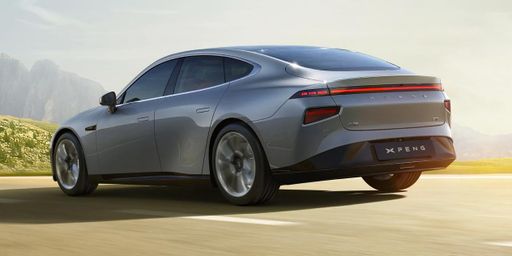
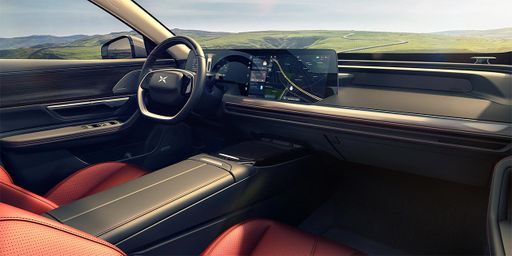
The XPeng P7 cuts a sleek, coupe-like silhouette that looks like a tech firm's idea of a stylish electric sedan, and its minimalist cabin packs smart screens and handy features that actually improve everyday life. Underneath the future-facing image it drives with surprising poise and comes loaded with advanced driver aids, making it a tempting choice for buyers who want electric charisma without the hype.

details

BYD Seal

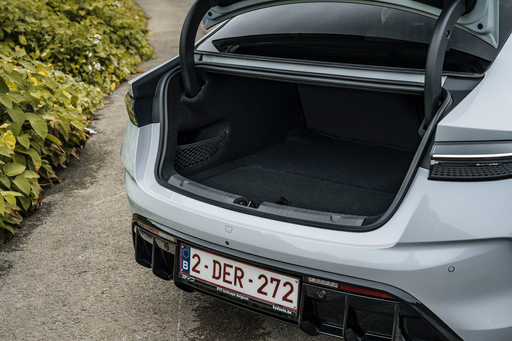
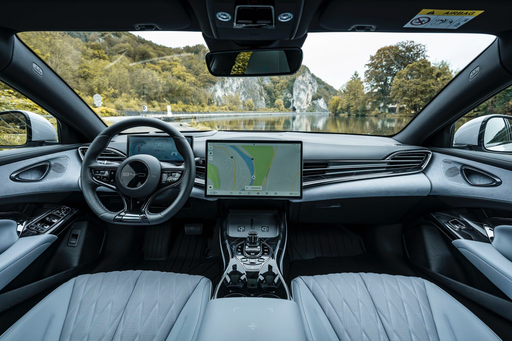
The BYD Seal is a sleek, fastback-style electric sedan that blends sporty design with a comfortable, tech-forward cabin. It delivers an engaging driving feel, impressive real-world range and strong value, making it a compelling choice for buyers who want a modern EV sedan.

details
XPeng P7
BYD Seal

Costs and Consumption

Price
42,500 - 50,200 £
Price
41,100 - 46,300 £
Consumption L/100km
-
Consumption L/100km
-
Consumption kWh/100km
16.8 - 19.2 kWh/100km
Consumption kWh/100km
15.4 - 18.2 kWh/100km
Electric Range
505 - 576 km
Electric Range
460 - 570 km
Battery Capacity
82.7 kWh
Battery Capacity
-
co2
0 g/km
co2
0 g/km
Fuel tank capacity
-
Fuel tank capacity
-

Dimensions and Body

Body Type
Sedan
Body Type
Sedan
Seats
5
Seats
5
Doors
5
Doors
-
Curb weight
2,020 - 2,140 kg
Curb weight
1,907 - 2,185 kg
Trunk capacity
440 L
Trunk capacity
-
Length
4,888 mm
Length
-
Width
1,896 mm
Width
1,875 mm
Height
1,450 mm
Height
-
Max trunk capacity
-
Max trunk capacity
-
Payload
430 kg
Payload
446 - 473 kg

Engine and Performance

Engine Type
Electric
Engine Type
Electric
Transmission
Automatic
Transmission
Automatic
Transmission Detail
Reduction Gearbox
Transmission Detail
Reduction Gearbox
Drive Type
Rear-Wheel Drive, All-Wheel Drive
Drive Type
Rear-Wheel Drive, All-Wheel Drive
Power HP
276 - 473 HP
Power HP
231 - 530 HP
Acceleration 0-100km/h
4.1 - 6.7 s
Acceleration 0-100km/h
3.8 - 7.5 s
Max Speed
200 km/h
Max Speed
-
Torque
440 - 757 Nm
Torque
360 - 670 Nm
Number of Cylinders
-
Number of Cylinders
-
Power kW
203 - 348 kW
Power kW
170 - 390 kW
Engine capacity
-
Engine capacity
-

General

Model Year
2024
Model Year
2026
CO2 Efficiency Class
A
CO2 Efficiency Class
A
Brand
XPeng
Brand
BYD
DriveDuel uses data analysis and artificial intelligence to evaluate vehicle data and create content. Content is regularly reviewed and improved. The displayed prices are estimates based on German list prices, adjusted to the respective country’s VAT. Country-specific registration taxes are not included. This information is not legally binding.