VS

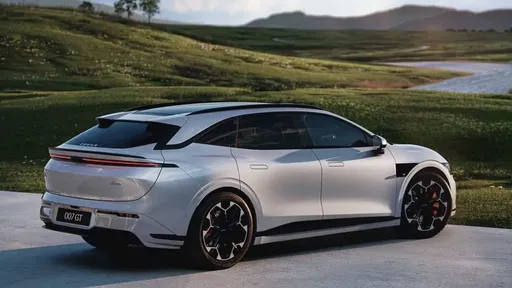
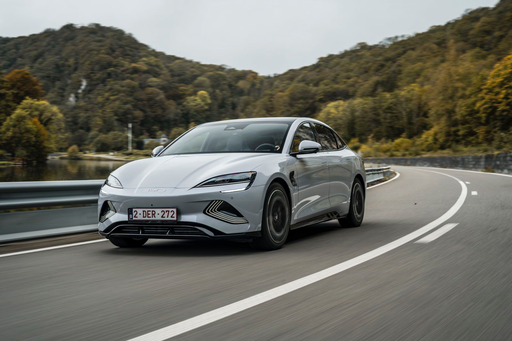
ZEEKR 7GT vs BYD Seal comparison

Compare performance (646 HP vs 530 HP), boot space and price (41,100 £ vs 41,100 £ ) at a glance. Find out which car is the better choice for you – ZEEKR 7GT or BYD Seal?

ZEEKR 7GT vs BYD Seal: Key differences

ZEEKR 7GT

4.6 (2 Reviews)
rate
  • slightly more power
  • moderately more electric range
  • slightly quicker 0–100 km/h
details

BYD Seal

4.9 (1 Reviews)
rate
  • barely more efficient
  • a bit lighter
details

All details on performance, efficiency, range and trunk space can be found in the technical comparison below – including user reviews for both models.

By Achim Sedelmaier

7GT

BYD Seal VS ZEEKR 7GT — quick take

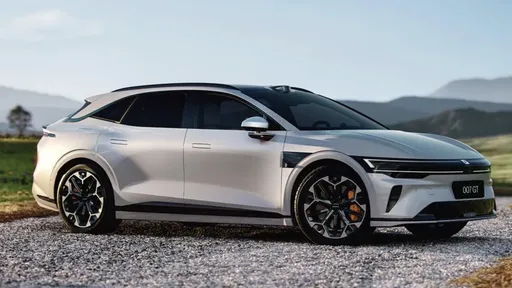
The BYD Seal and the ZEEKR 7GT arrive at the same buyer crossroads from different directions: one is a composed electric limousine aimed at relaxed motorway miles, the other a shooting‑brake GT that emphasizes rear space and ultra‑fast recharging. The BYD Seal leans into a plush, quietly executed cabin and familiar ergonomics, while the ZEEKR 7GT pushes a more ambitious packaging and charging story that shortens travel stops. If you value a settled, well‑dressed interior and predictable long‑distance behavior, the BYD Seal signals calm; if you prioritise practical load space, rapid top‑ups and a showpiece design, the ZEEKR 7GT points to a different set of daily wins. Below we break those trade‑offs down where they matter for buyers.
Seal

Character and driving feel

The BYD Seal drives like a traditional electric saloon — composed, steady and focused on comfort — while the ZEEKR 7GT feels more like a performance‑tilted estate with sharper pace and stronger straight‑line urge. BYD’s tuning favours a smooth motorway gait and reassuring high‑speed stability, whereas ZEEKR’s architecture delivers brisker acceleration and a more eager shove that changes the way you plan trips and overtakes. That extra punch in the ZEEKR 7GT comes with an expectation of firmer chassis options or different EU tuning; the Seal trades some of that raw feedback for a more relaxing ride. In short, pick the Seal if you want lounge‑like cruising and the 7GT if you want GT thrust and a car that encourages quicker, dynamic driving bursts.

7GT

Comfort and long‑distance usability

On long runs the BYD Seal feels engineered for endurance: supportive front seats, good noise control and an overall relaxed posture that reduces fatigue, although the rear cushion lacks thigh support for very tall passengers. The ZEEKR 7GT flips the equation — its rear cabin is more generous and the ability to recline rear levers makes it a better choice for passengers on long journeys, even if the seat base sits lower and can feel less supportive for some. A practical side effect is that the ZEEKR 7GT’s ultra‑fast charging dramatically shortens necessary stops, changing the rhythm of a long trip compared with the BYD Seal’s longer DC charging pauses. So for solo or couple long‑distance commuters the Seal is a soothing companion; for families or regular rear‑seat travellers who value fewer, shorter stops, the 7GT is more compelling.

Seal

Usability and everyday practicality

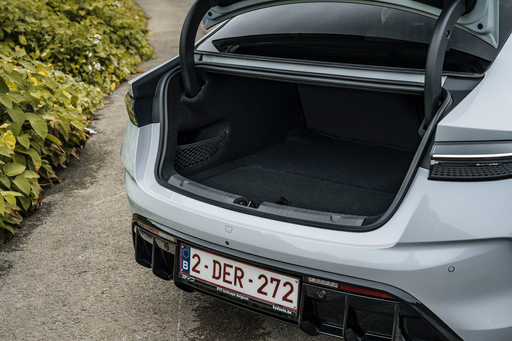
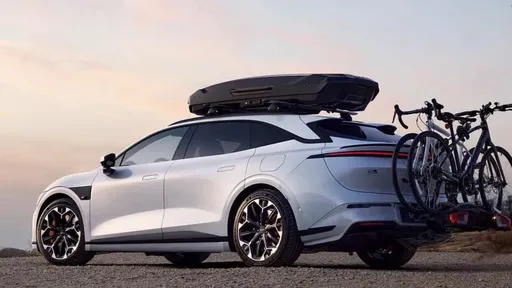
The ZEEKR 7GT’s shooting‑brake layout and nearly flat load floor make loading buggies, suitcases or awkward boxes noticeably easier than the BYD Seal’s limousine‑style boot with a narrower opening and slower tailgate action. BYD Seal still offers sensible internal storage and a neat frunk, but the physical access and day‑to‑day loading are where the Seal shows its limits against a purposefully practical 7GT. ZEEKR’s additional comfort touches — electrically opening doors and modular cargo options — tip the scales for buyers who need utility without moving up to an SUV. If cargo handling and family chores are a priority, the ZEEKR 7GT will feel systematically more handy than the BYD Seal.

7GT

Cabin feel, tech and perceived quality

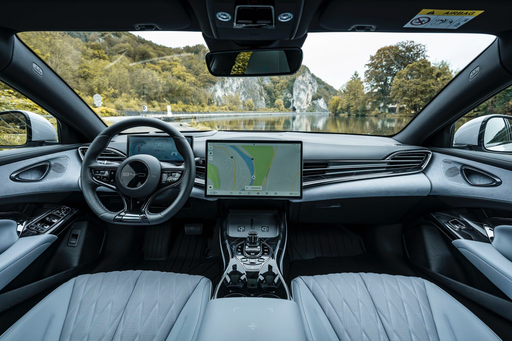
Both cars punch above their price in material quality, but they express premium differently: the BYD Seal is mature and confident in its execution with a curated feel and high‑quality trims, whereas the ZEEKR 7GT aims for a showier, tech‑forward ambience with expansive displays and distinctive details. BYD’s interior occasionally frustrates with buried menus and assist‑system quirks that can spoil the overall polish, while ZEEKR’s cabin impresses on first encounter but carries more uncertainty around long‑term UX refinement and brand perception. For buyers who prioritise tactile finish and a familiar, well‑sorted interface the BYD Seal tends to reassure; for those who want cinematic screens, a strong first impression and innovative touches the ZEEKR 7GT will feel more exciting. Brand confidence and resale prospects also play differently: BYD’s propositions feel settled, ZEEKR is newer and comes with standard early‑adopter caveats.

Seal

Who each car suits best — buyer fit

If your daily life is motorway miles, you charge at home, and you want a calm, well‑finished saloon with predictable ownership traits, the BYD Seal is the pragmatic choice that favours comfort and everyday refinement. If your priorities are family practicality, the shortest possible recharging stops on long trips and a standout, techy shooting‑brake that doubles as a workspace on the move, the ZEEKR 7GT is clearly aimed at that use case despite some open questions about EU tuning and residual values. Fleet or business buyers who need short downtime and generous rear space will lean ZEEKR 7GT; private buyers seeking a conventional, comfortable electric saloon will likely prefer the BYD Seal. The technical comparison that follows will make the remaining differences in range, power and charging rhythm crystal clear so you can match those numbers to the lifestyle trade‑offs above.

Here’s where it gets real: The technical differences in detail

7GT

Costs and Efficiency:

Price and efficiency are often the first things buyers look at. Here it becomes clear which model has the long-term edge – whether at the pump, the plug, or in purchase price.

Both models are evenly matched in price – each starts at 41,100 £ .

In terms of energy consumption, the BYD Seal is barely more efficient: consuming 15.4 kWh/100km compared to 16.6 kWh/100km for the ZEEKR 7GT. That’s a difference of about 1.2 kWh/100km.

As for electric range, the ZEEKR 7GT offers moderately more range – reaching up to 655 km, about 85 km more than the BYD Seal.

Seal

Engine and Performance:

Power, torque and acceleration are the classic benchmarks for car enthusiasts – and here, some clear differences start to show.

When it comes to engine power, the ZEEKR 7GT offers slightly more power – delivering 646 HP compared to 530 HP. That’s roughly 116 HP more horsepower.

When accelerating from 0 to 100 km/h, the ZEEKR 7GT is slightly quicker – completing the sprint in 3.3 s, while the BYD Seal takes 3.8 s. That’s about 0.5 s quicker.

There’s also a difference in torque: the ZEEKR 7GT delivers very slightly more torque with 710 Nm compared to 670 Nm. That’s about 40 Nm more.

7GT

Space and Everyday Use:

Whether family car or daily driver – which one offers more room, flexibility and comfort?

Both vehicles offer seating for 5 people.

In terms of curb weight, BYD Seal is a bit lighter – 1,907 kg compared to 2,265 kg. The difference is around 358 kg.

Who wins the race in the data check?

The ZEEKR 7GT stands out in the key areas in the objective data comparison.
This result only shows which model scores more points on paper – not which of the two cars feels right for you.

from £41,100
7GT

ZEEKR 7GT

  • Engine Type Electric
  • Transmission Automatic
  • Drive Type Rear-Wheel Drive, All-Wheel Drive
  • Power HP 421 - 646 HP
  • Consumption kWh/100km 16.6 - 19.8 kWh/100km
  • Electric Range 519 - 655 km
ZEEKR 7GT
BYD Seal

Costs and Consumption

View detailed analysis

Engine and Performance

View detailed analysis

Dimensions and Body

View detailed analysis

ZEEKR 7GT

The Zeekr 7 GT stakes its claim as a smartly styled, quietly confident grand tourer that mixes comfort with a sporty edge to keep daily drives interesting. Inside it feels more grown-up EV than gadget toy, offering a polished cabin and driver-focused flair that will appeal to buyers who want presence without pretension.

details

BYD Seal

The BYD Seal is a sleek, fastback-style electric sedan that blends sporty design with a comfortable, tech-forward cabin. It delivers an engaging driving feel, impressive real-world range and strong value, making it a compelling choice for buyers who want a modern EV sedan.

details
ZEEKR 7GT
BYD Seal

Costs and Consumption

Price
41,100 - 51,000 £
Price
41,100 - 46,300 £
Consumption L/100km
-
Consumption L/100km
-
Consumption kWh/100km
16.6 - 19.8 kWh/100km
Consumption kWh/100km
15.4 - 18.2 kWh/100km
Electric Range
519 - 655 km
Electric Range
460 - 570 km
Battery Capacity
-
Battery Capacity
-
co2
0 g/km
co2
0 g/km
Fuel tank capacity
-
Fuel tank capacity
-

Dimensions and Body

Body Type
Estate
Body Type
Sedan
Seats
5
Seats
5
Doors
-
Doors
-
Curb weight
2,265 - 2,405 kg
Curb weight
1,907 - 2,185 kg
Trunk capacity
456 L
Trunk capacity
-
Length
-
Length
-
Width
1,910 mm
Width
1,875 mm
Height
-
Height
-
Max trunk capacity
-
Max trunk capacity
-
Payload
-
Payload
446 - 473 kg

Engine and Performance

Engine Type
Electric
Engine Type
Electric
Transmission
Automatic
Transmission
Automatic
Transmission Detail
Reduction Gearbox
Transmission Detail
Reduction Gearbox
Drive Type
Rear-Wheel Drive, All-Wheel Drive
Drive Type
Rear-Wheel Drive, All-Wheel Drive
Power HP
421 - 646 HP
Power HP
231 - 530 HP
Acceleration 0-100km/h
3.3 - 5.3 s
Acceleration 0-100km/h
3.8 - 7.5 s
Max Speed
-
Max Speed
-
Torque
440 - 710 Nm
Torque
360 - 670 Nm
Number of Cylinders
-
Number of Cylinders
-
Power kW
310 - 475 kW
Power kW
170 - 390 kW
Engine capacity
-
Engine capacity
-

General

Model Year
2026
Model Year
2026
CO2 Efficiency Class
A
CO2 Efficiency Class
A
Brand
ZEEKR
Brand
BYD
DriveDuel uses data analysis and artificial intelligence to evaluate vehicle data and create content. Content is regularly reviewed and improved. The displayed prices are estimates based on German list prices, adjusted to the respective country’s VAT. Country-specific registration taxes are not included. This information is not legally binding.