Citroen C5 Aircross SUV, starting at 29,100 £

3.9 (4 Reviews)
rate

The Citroen C5 Aircross SUV impresses with 225 HP 520 km and an attractive starting price of 29,100 £ . Here are all the details at a glance.

from £29,100
C5 Aircross

Citroen C5 Aircross

  • Engine Type : Petrol MHEV, Electric, Plugin Hybrid
  • Transmission : Automatic
  • Drive Type : Front-Wheel Drive
  • Power HP : 145 - 225 HP
  • Consumption L/100km : 2.5 - 5.4 L/100km
  • Consumption kWh/100km : 17 kWh/100km
  • Electric Range : 81 - 520 km

Street Cred and Scissors-Box Charm

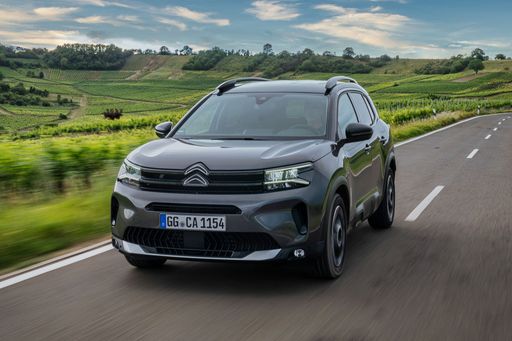
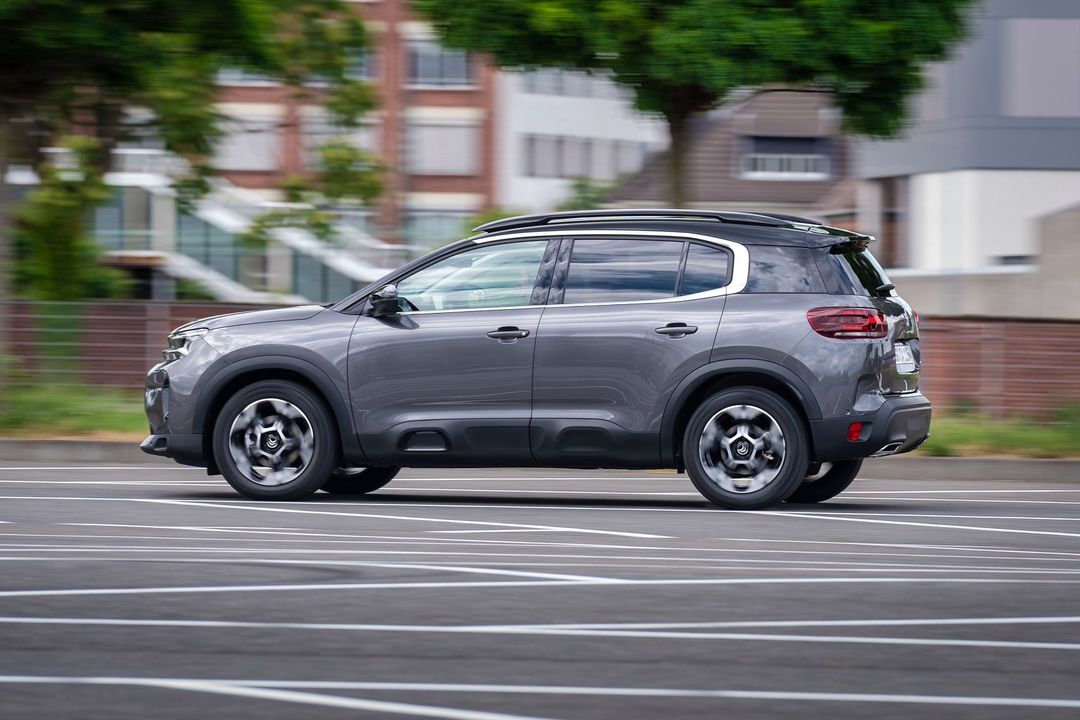
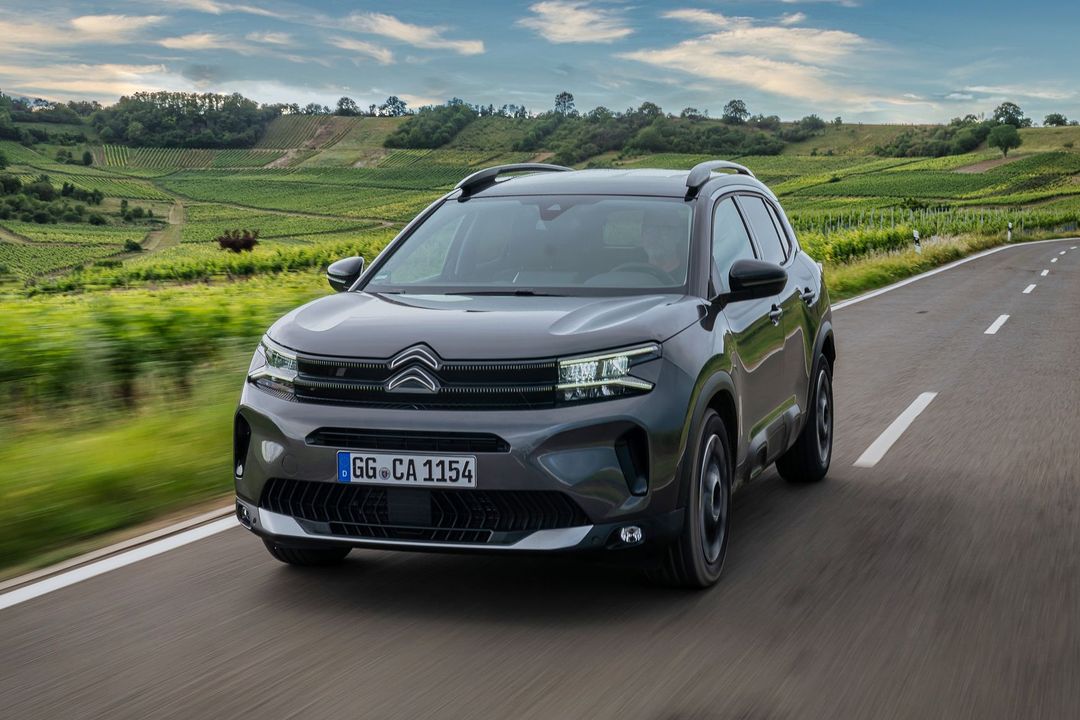
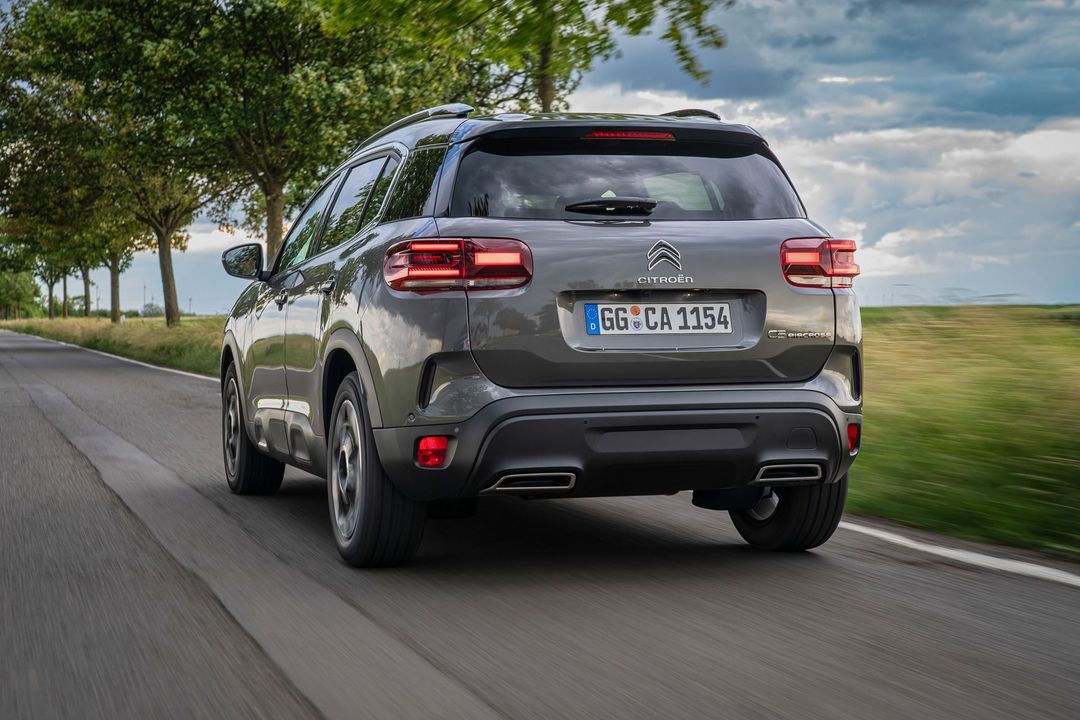
The Citroen C5 Aircross cuts a confident figure with upright SUV proportions and a friendly, sculpted face that reads less aggressive and more approachable on the road; at 4,650 mm long it sits mid-size in the crowded crossover market. Design cues — soft edges, pronounced wheel arches and protective cladding — give a practical, family-oriented presence rather than showroom flash. The overall effect is modern without shouting, ideal for buyers who want substance over selfie-ready drama.
Comfort Inside — Sit Like It Means Business

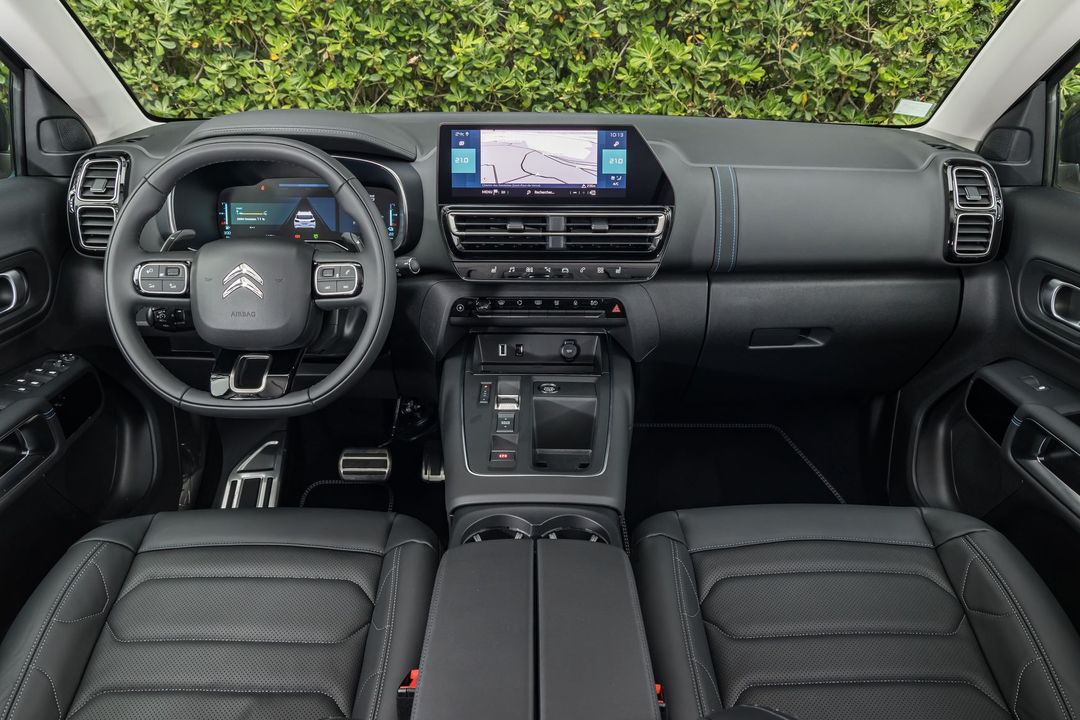
The cabin follows Citroen’s “Advanced Comfort” brief with thickly padded seats, relaxed ergonomics and materials that favour softness over sportiness, making long runs noticeably less tiring. Controls are sensibly placed and visibility is good, so everyday usability rarely gets in the way of being comfortable. Interior trim quality is competitive for the segment, with practical finishes that age well under family life.

Boot Space That Actually Works

Space is a strong suit: the C5 Aircross offers a useful 565-litre boot that swallows suitcases, a stroller and midweek shopping without drama, and expands to a maximum of 1,668 litres with the rear seats folded flat. Five real seats mean rear passengers are not an afterthought, and the cabin width and seat comfort make longer trips civilised for adults as well as children. Interior practicality hits the checklist — useful cubbies, easy entry and a low loading lip that keeps daily life simple.

Smooth Ride, Tame Handling

Driving character leans toward comfort rather than corner-carving: suspension soaks up imperfections and isolates occupants well, while the chassis keeps body movement in check for a relaxed feel at pace. Powertrains cover a wide spectrum — from the 145 hp mild-hybrid with around 0–100 km/h in 11.2 s to the more eager plug-in and electric options that cut that time into the high single digits — so straight-line performance can be brisk if chosen. Heavier electric and hybrid versions add weight and dilute agility slightly, but the priority remains composed, predictable handling rather than razor-sharp dynamics.

Range, Consumption and What It Means on the Road

There’s a powertrain for most needs: a petrol MHEV that claims about 5.4 L/100 km and benefits from a 55-litre tank for lengthy highway stints, a plug-in hybrid that advertises around 81 km electric range and very low combined fuel figures, and a full-electric version that lists up to 520 km WLTP range with combined consumption figures in the high teens of kWh/100 km. In everyday use the petrol will deliver long motorway ranges between fill-ups, the PHEV is ideal for short daily commutes on electric power with petrol ready for longer trips, and the BEV suits buyers who can charge regularly and want quiet, instant pull. Real-world figures vary with load, climate and driving style, but the trio covers city duty through to motorway cruising effectively.

Tech That Keeps It Simple and Useful

Infotainment and assistance packages focus on practicality: clear digital displays, a central touchscreen with smartphone mirroring and a modern suite of safety aids including adaptive cruise and lane assistance help with fatigue on long drives. Systems are tuned more for ease and reliability than headline-grabbing gimmicks, and parking aids and cameras make daily life easier in tight spaces. The result is technology that supports the car’s comfort-first character without overcomplicating the user experience.

Who Should Consider One?

The C5 Aircross targets buyers who prioritise comfort, space and a relaxed driving experience — families, company car drivers and crossover buyers who prefer supple ride quality over sporty handling. Choice of petrol mild-hybrid, plug-in hybrid or full electric gives flexibility to match urban charging access or long-distance needs without changing the basic package. For anyone who wants a sensible, well-rounded SUV that makes daily life easier rather than more exciting, the C5 Aircross is a persuasive candidate.

Costs and Consumption

Price
29,100 - 43,000 £
Consumption L/100km
2.5 - 5.4 L/100km
Consumption kWh/100km
17 kWh/100km
Electric Range
81 - 520 km
Battery Capacity
-
co2
0 - 121 g/km
Fuel tank capacity
-

Dimensions and Body

Body Type
SUV
Seats
5
Doors
-
Curb weight
1,629 - 2,184 kg
Trunk capacity
565 L
Length
-
Width
1,870 mm
Height
-
Max trunk capacity
-
Payload
446 - 471 kg

Engine and Performance

Engine Type
Petrol MHEV, Electric, Plugin Hybrid
Transmission
Automatic
Transmission Detail
Dual-Clutch Automatic, Reduction Gearbox
Drive Type
Front-Wheel Drive
Power HP
145 - 225 HP
Acceleration 0-100km/h
8.3 - 11.2 s
Max Speed
-
Torque
230 - 300 Nm
Number of Cylinders
3 - 4
Power kW
107 - 165 kW
Engine capacity
1,199 - 1,598 cm3

General

Model Year
2,025 - 2,026
CO2 Efficiency Class
D, A, B
Brand
Citroen
Is the Citroen C5 Aircross offered with different drivetrains?

The Citroen C5 Aircross is offered with Front-Wheel Drive.

DriveDuel uses data analysis and artificial intelligence to evaluate vehicle data and create content. Content is regularly reviewed and improved. The displayed prices are estimates based on German list prices, adjusted to the respective country’s VAT. Country-specific registration taxes are not included. This information is not legally binding.