Ford Transit Custom Bus Bus, starting at 41900 £

The Ford Transit Custom Bus Bus impresses with 233 HP 324 km and an attractive starting price of 41900 £ . Here are all the details at a glance.

from about £41,900
Transit Custom Bus

Ford Transit Custom Bus

  • Engine Type : Electric, Diesel, Plugin Hybrid
  • Transmission : Automatic, Manuel
  • Drive Type : Rear-Wheel Drive, Front-Wheel Drive, All-Wheel Drive
  • Power HP : 110 - 233 HP
  • Consumption L/100km : 3.9 - 8.5 L
  • Consumption kWh/100km : 22.4 - 24.3 kWh
  • Electric Range : 52 - 324 km

Design & Presence

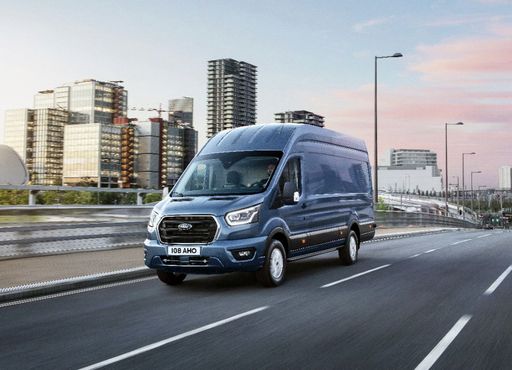
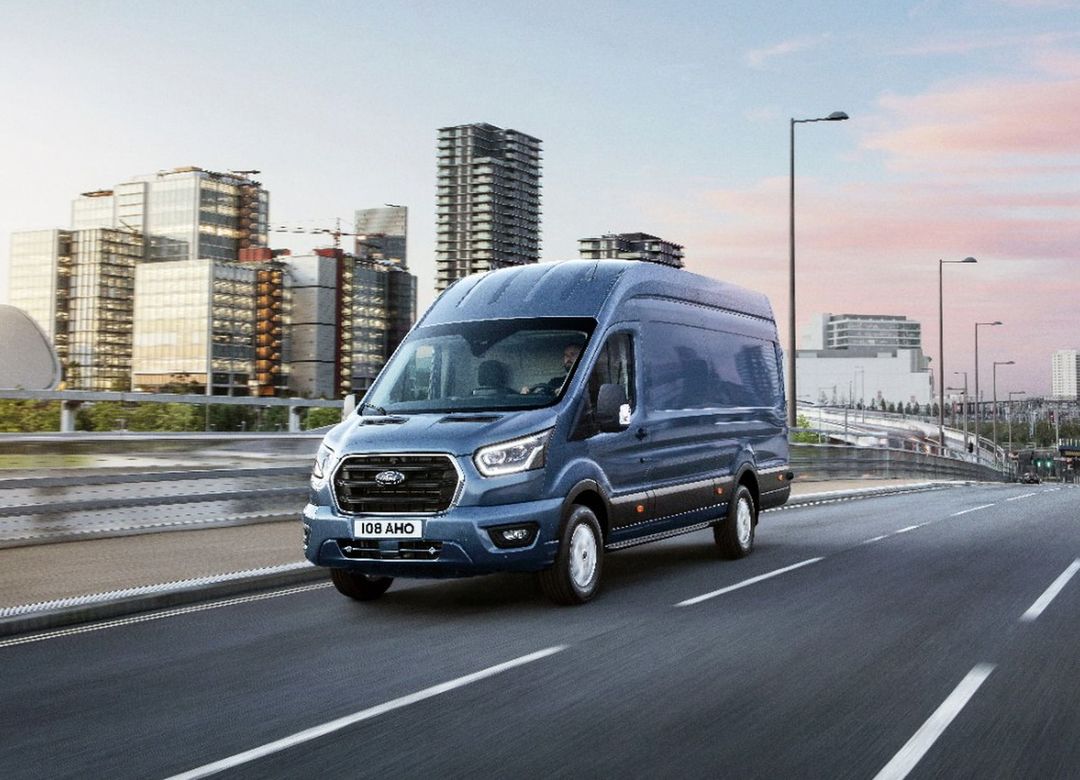
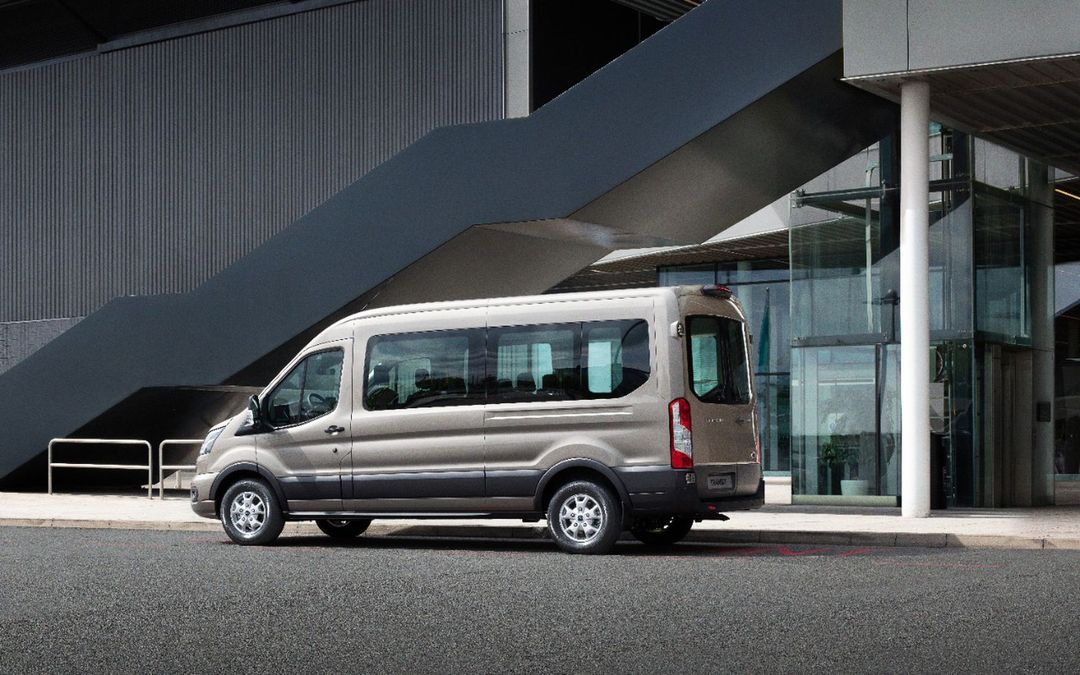
The Transit Custom Bus keeps the practical van silhouette but with bus-style glazing and a higher roof that give it street-level presence rather than stealthy blandness. It is offered in multiple drivetrains—full electric, plug-in hybrid and a range of EcoBlue diesels—across L1 and L2 lengths of roughly 5.05 m and 5.45 m, with a width close to 2.03 m. The face is familiar Ford—squared bonnet, wide grille—and sliding doors plus tall glass make it instantly readable as a people‑mover.
Interior & Usability

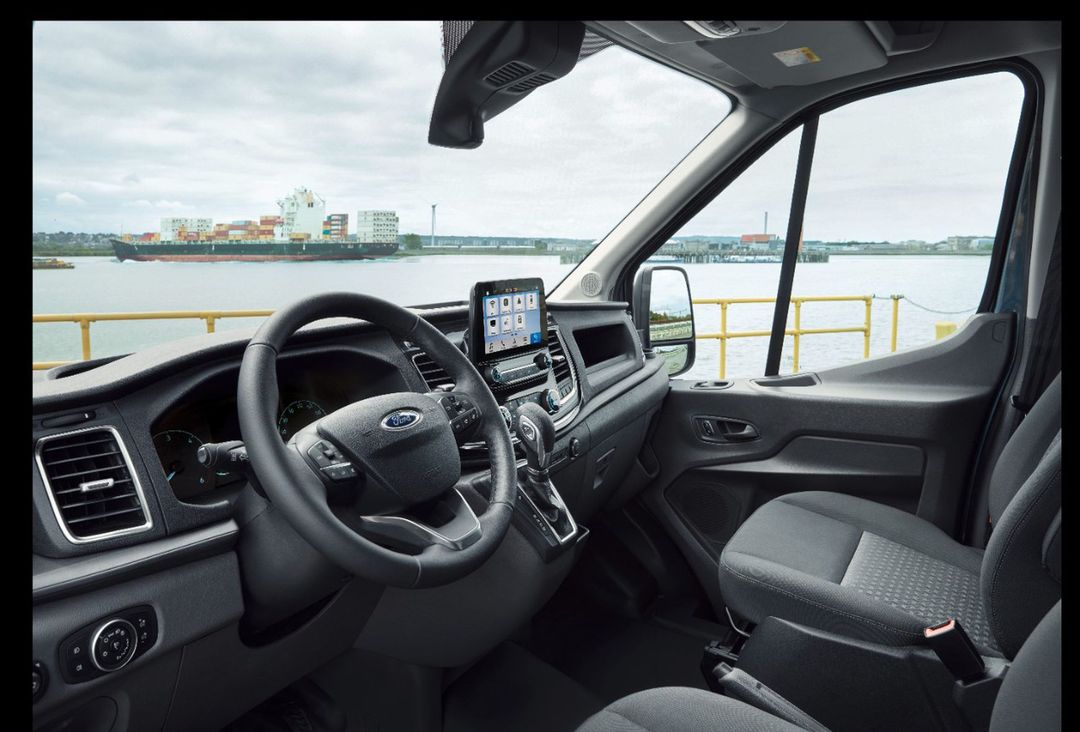
Cabin materials are durable and built for high usage, with higher trims adding softer plastics and more supportive seats for longer shifts. The driving position is upright with excellent forward visibility, plenty of storage cubbies and practical grab handles for passengers, and standard seating for up to 9 means entry and exit are straightforward. Controls are logical and hard‑wearing, so fleet operators get functionality over frivolous flair.

Space & Everyday Practicality

Space is the Transit Custom Bus’s strong suit: configured for nine passengers with flexible row layouts, the L2 wheelbase noticeably increases legroom and luggage space for shuttle and hotel duties. A roof height around 1.96 m and wide sliding doors make boarding simple, while the area behind the last row swallows suitcases or equipment depending on the chosen seating plan. Practicality favors operators who need configurable people-carrying capability rather than a fixed coach solution.

Driving & Handling

Driving manners are predictably van-like: the bulk is evident in corners with moderate body roll but suspension is tuned for passenger comfort and stable highway cruising. Powertrains range from economical diesels in the 110–170 hp band to a 233 hp PHEV and electric motors up to about 218 hp, so performance can be tailored from modest and efficient to brisk and torque-rich. Rear-wheel drive on electric variants and optional AWD on some diesels affect traction with loads, but none of the versions turn the Transit into a sports vehicle. For daily routes the steering feel and ride balance favour predictable handling and easy manoeuvring in urban environments.

Efficiency, Consumption & Range

Energy use depends heavily on drivetrain: EcoBlue diesels typically show combined figures near 7.2–8.5 L/100km, the PHEV quotes roughly 4 L/100km combined with an electric range around 52–53 km, while full-electric models advertise WLTP ranges in the low 300 km area and consumption around 22–24 kWh/100km. Battery sizes vary (roughly 64 kWh on BEV variants and about 12 kWh for the PHEV traction pack), which explains those operational differences. In real use the BEV suits daily urban shuttle duties easily, the PHEV handles mixed routes and short intercity hops, and diesels remain convenient for long-distance or charging-sparse operations.

Assistants, Screens & Fleet Tech

Ford’s SYNC infotainment with smartphone mirroring and telematics options forms the core of the cabin tech, though screen size and spec depend on trim level. Driver aids available include adaptive cruise, lane keeping support, blind‑spot monitoring and parking cameras to simplify busy pick‑up and drop‑off work. Fleet customers can add 360‑degree vision and expanded ADAS packs, which are valuable for reducing incidents and improving daily workflow.

Who Should Consider It?

The Transit Custom Bus is aimed at operators needing a robust nine-seater that can be configured to different missions: city shuttles and airport transfers will benefit from the BEV, mixed-use runs suit the PHEV, and long-distance or heavy-duty services are still best-served by the diesel options. It is practical rather than premium, offering sensible ergonomics, decent comfort and multiple powertrain choices so buyers can match vehicle type to duty cycle. For hotels, smaller coach firms, schools and organisations needing a configurable people‑mover it’s a pragmatic, well-rounded choice.

Costs and Consumption

Price
41900 - 55600 £
Consumption L/100km
3.9 - 8.5 L
Consumption kWh/100km
22.4 - 24.3 kWh
Electric Range
52 - 324 km
Battery Capacity
11.8 - 64 kWh
co2
0 - 222 g/km
Fuel tank capacity
55 - 63 L

Dimensions and Body

Body Type
Bus
Seats
9
Doors
4
Curb weight
-
Trunk capacity
0 L
Length
5050 - 5450 mm
Width
2032 mm
Height
1958 - 1959 mm
Max trunk capacity
-
Payload
-

Engine and Performance

Engine Type
Electric, Diesel, Plugin Hybrid
Transmission
Automatic, Manuel
Transmission Detail
Reduction Gearbox, Manual Gearbox, Automatic Gearbox, CVT
Drive Type
Rear-Wheel Drive, Front-Wheel Drive, All-Wheel Drive
Power HP
110 - 233 HP
Acceleration 0-100km/h
-
Max Speed
110 - 150 km/h
Torque
310 - 415 Nm
Number of Cylinders
4
Power kW
81 - 171 kW
Engine capacity
1996 - 2488 cm3

General

Model Year
2023 - 2024
CO2 Efficiency Class
A, G, B
Brand
Ford
What drivetrain options does the Ford Transit Custom Bus have?

The Ford Transit Custom Bus is offered with Rear-Wheel Drive, Front-Wheel Drive or All-Wheel Drive.

The prices shown are estimates based on German list prices, adjusted for local VAT. Local registration taxes (e.g. NoVA, BPM or CO2 malus) are not included. This information is not legally binding.