Hyundai Bayon SUV, starting at 20100 £

The Hyundai Bayon SUV impresses with 90 HP and an attractive starting price of 20100 £ . Here are all the details at a glance.

from about £20,100
Bayon

Hyundai Bayon

  • Engine Type : Petrol
  • Transmission : Manuel, Automatic
  • Drive Type : Front-Wheel Drive
  • Power HP : 90 HP
  • Consumption L/100km : 5.80 L

Street Swagger in a Compact Suit

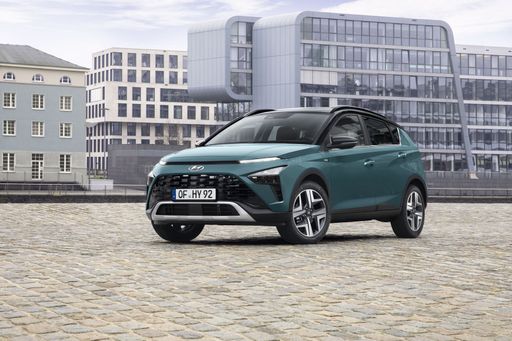
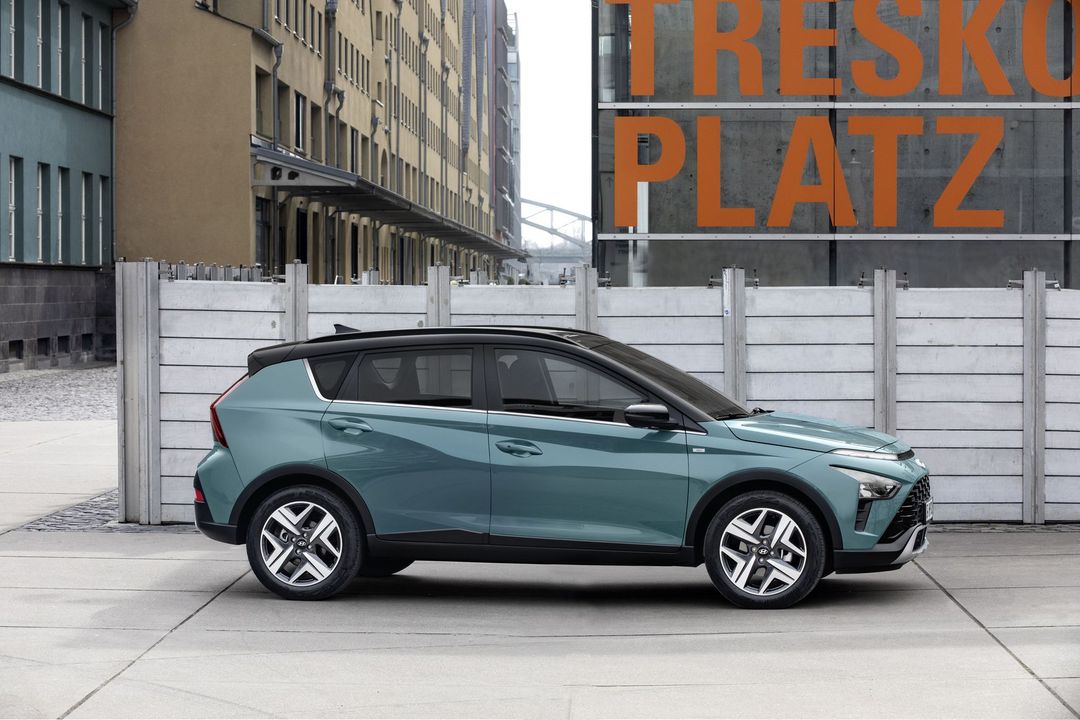
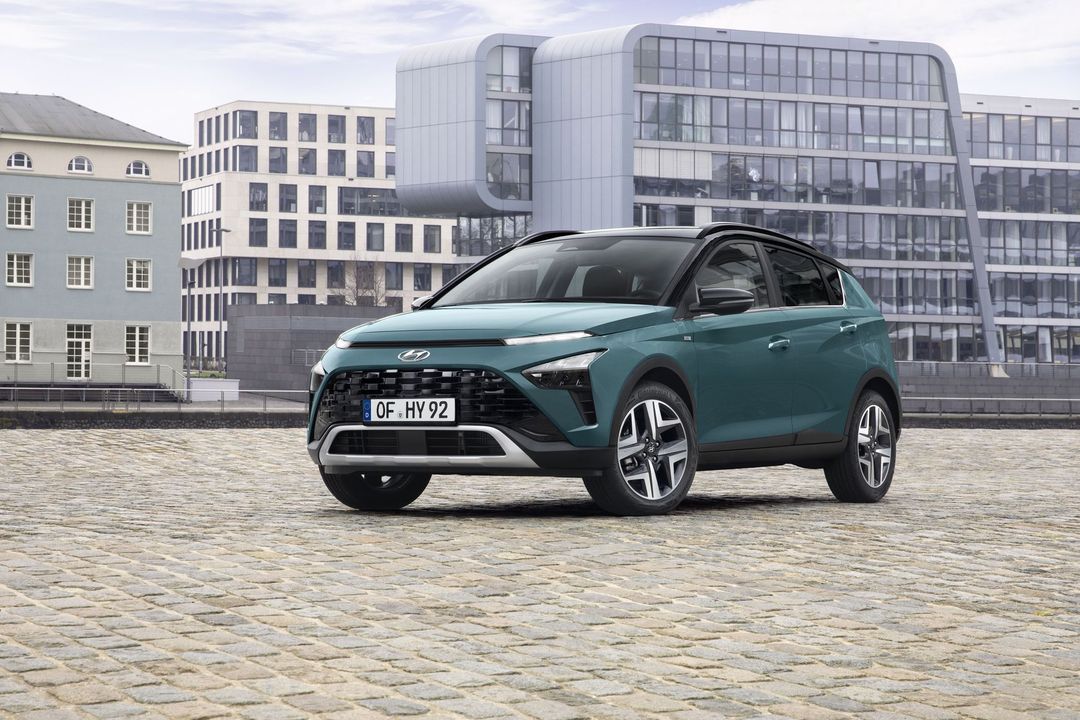
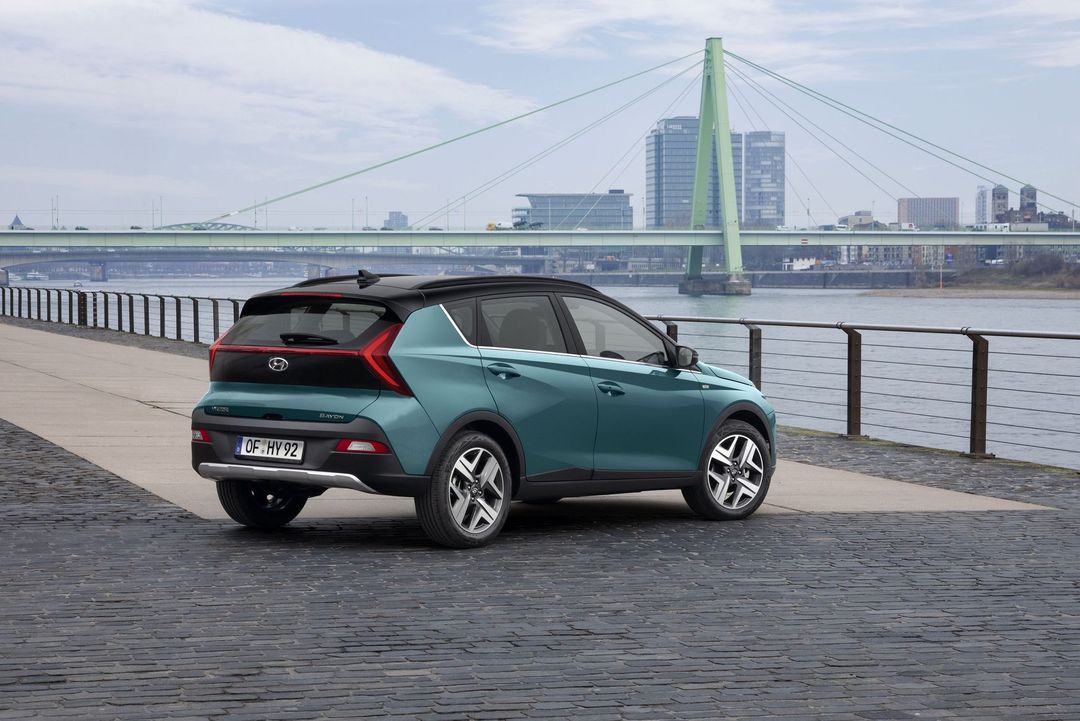
The Bayon delivers a confident small-SUV look without overstaying its welcome, measuring 4,180 mm long and standing 1,500 mm tall, so it looks taller than a hatch but remains city-friendly. The front end is bold and slightly quirky, with split lighting and a high bonnet that give it personality in traffic rather than anonymous sameness. Current versions come with the 1.0 T‑GDI petrol engine in both manual and dual‑clutch automatic guises, producing 100 hp with quoted consumption around 5.4–5.5 L/100 km, which keeps the visual promise of practicality under the skin.
Controls That Don't Require a Manual

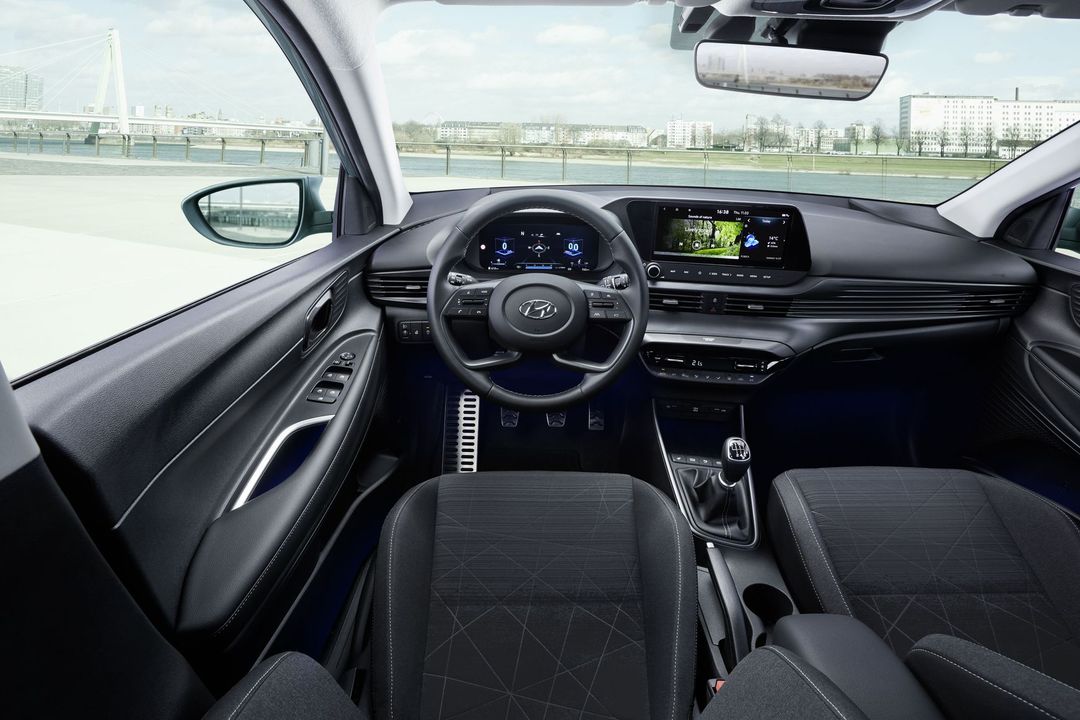
The cockpit is tidy and functional, with a clear layout and ergonomics that suit everyday drivers; materials mix soft-touch panels with sensible hard plastics where wear is most likely. Seats are supportive for longer commutes and controls sit where they should, making the Bayon feel like a car that understands daily life rather than a gadget on wheels. Infotainment and climate interfaces are straightforward to use, so setting up navigation or phone mirroring is quick and painless even when running late.

Practical Space That Keeps Promises

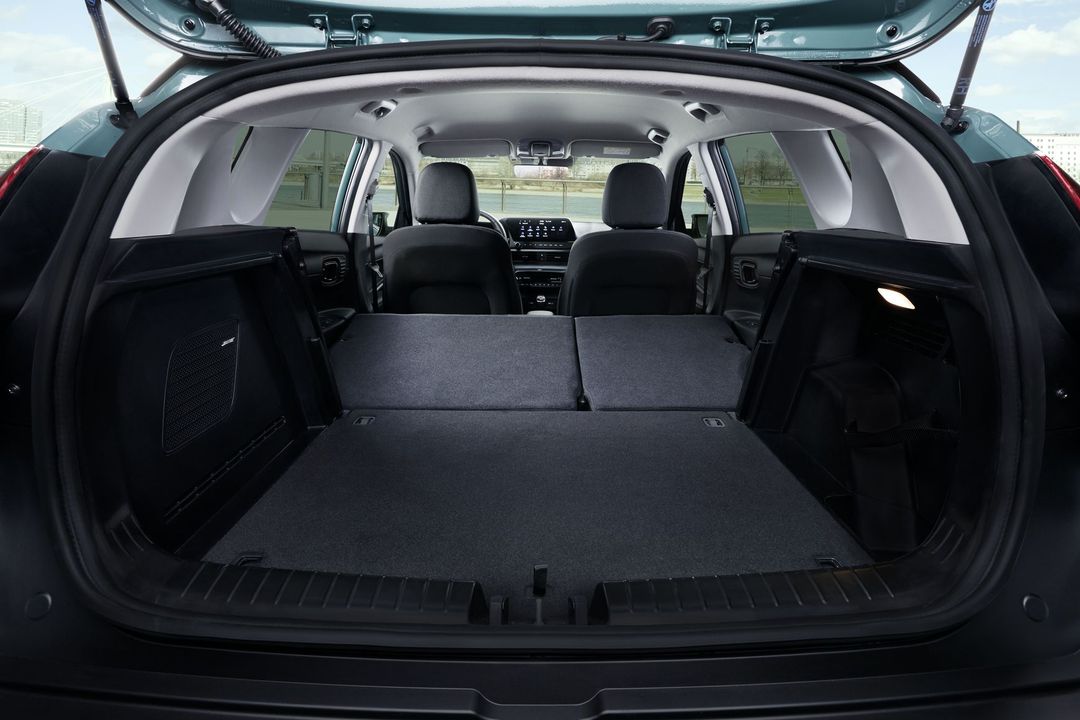
Boot space is a practical strong point with 411 L of trunk room, expanding to 1,205 L with the rear seats folded, which handles supermarket runs and weekend kit without drama. Five seats are standard, and adults up front have plenty of room while rear legroom is decent for short to medium trips, though tall passengers may feel the pinch on longer motorway stints. A 40 L fuel tank and sensible packaging mean no compromises on day-to-day usability for small families or couples with active weekends.

City Comfort, Highway Composure

The 1.0‑litre turbo three‑cylinder with around 100 hp offers brisk town performance and acceptable motorway pace, with 0–100 km/h times in the low- to mid‑teens depending on gearbox choice, so overtakes require a little planning but are rarely problematic. Steering is light and predictable, suspension tuned toward comfort rather than sportiness, so the Bayon soaks up potholes and keeps passengers settled on long runs. Front‑wheel drive and modest curb weights around 1,170–1,195 kg keep the car eager and economical rather than athletic.

Real-World Economy that Matters

Official consumption figures sit around 5.4–5.5 L/100 km, which translates to a theoretical combined range of roughly 720–740 km on a full tank, and in mixed driving expect practical figures closer to the high single digits depending on load and driving style. CO2 emissions near 124 g/km place it in a reasonable efficiency bracket for petrol compact SUVs, making running costs friendly for daily commuting. Those who prioritise low fuel bills will find the Bayon competitive in its class rather than a standout economic miracle.

Tech That Keeps Things Simple and Safe

Hyundai packs the Bayon with a sensible set of driver aids and infotainment features, including emergency braking, lane assistance and smartphone integration, so modern safety and connectivity are part of the baseline experience. The dual‑clutch automatic option smooths gear changes on the move and pairs well with adaptive systems for relaxed cruising on motorways. Overall the technology is aimed at usefulness — clear displays, reliable connectivity and safety features that reduce stress rather than dazzle.

A Clear Choice for Practical Buyers

The Bayon suits urban drivers who want SUV styling and sensible space without a bigger footprint or higher running costs, and it feels particularly well matched to small families, commuters and buyers trading up from a hatchback. Performance is adequate rather than sporty, economy is competitive and interior usability is strong, so the purchase decision comes down to wanting compact practicality with a bit of presence. For those seeking an easy-to-live-with small SUV that keeps the fundamentals right, the Bayon is a pragmatic and appealing option.

Costs and Consumption

Price
20100 - 25800 £
Consumption L/100km
5.80 L
Consumption kWh/100km
-
Electric Range
-
Battery Capacity
-
co2
130 - 132 g/km
Fuel tank capacity
-

Dimensions and Body

Body Type
SUV
Seats
5
Doors
-
Curb weight
1175 - 1200 kg
Trunk capacity
411 L
Length
-
Width
1775 mm
Height
-
Max trunk capacity
-
Payload
450 - 460 kg

Engine and Performance

Engine Type
Petrol
Transmission
Manuel, Automatic
Transmission Detail
Manual Gearbox, Dual-Clutch Automatic
Drive Type
Front-Wheel Drive
Power HP
90 HP
Acceleration 0-100km/h
11.9 - 13.3 s
Max Speed
-
Torque
172 Nm
Number of Cylinders
3
Power kW
66 kW
Engine capacity
998 cm3

General

Model Year
2025
CO2 Efficiency Class
D
Brand
Hyundai
What drivetrain options does the Hyundai Bayon have?

The Hyundai Bayon is available as Front-Wheel Drive.

The prices shown are estimates based on German list prices, adjusted for local VAT. Local registration taxes (e.g. NoVA, BPM or CO2 malus) are not included. This information is not legally binding.