Peugeot 308 Hatchback – Petrol MHEV, Diesel, Plugin Hybrid or Electric, starting at 29200 £

5 (1)
rate

The Peugeot 308 Hatchback impresses with a Petrol MHEV, Diesel, Plugin Hybrid or Electric engine, 195 HP 450 km and an attractive starting price of 29200 £. Here are all the details at a glance.

from about £29,200
308 @ Peugeot / Stellantis Media

Peugeot 308

  • Engine Type : Petrol MHEV, Diesel, Plugin Hybrid, Electric
  • Transmission : Automatic
  • Drive Type : Front-Wheel Drive
  • Power HP : 131 - 195 HP
  • Consumption L/100km : 2.3 - 5 L
  • Consumption kWh/100km : 15.60 kWh
  • Electric Range : 78 - 450 km
@ Peugeot / Stellantis Media

Design & Presence

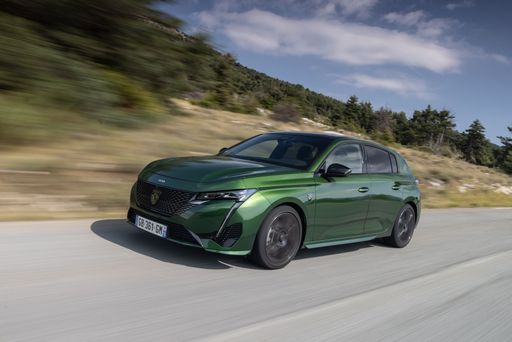
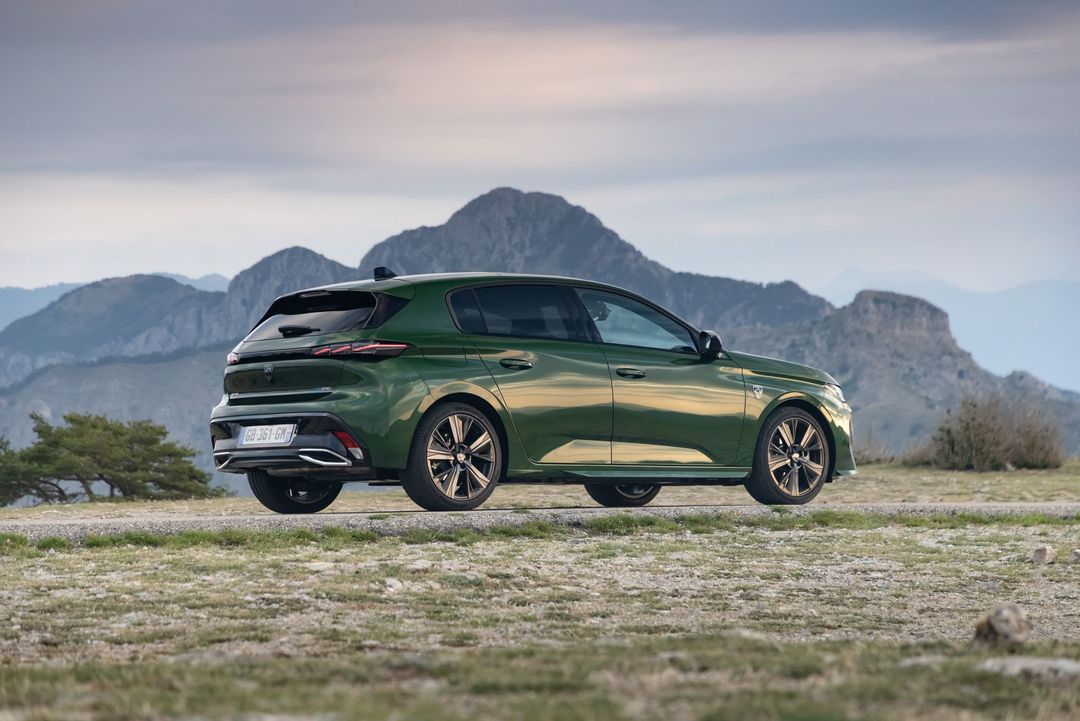
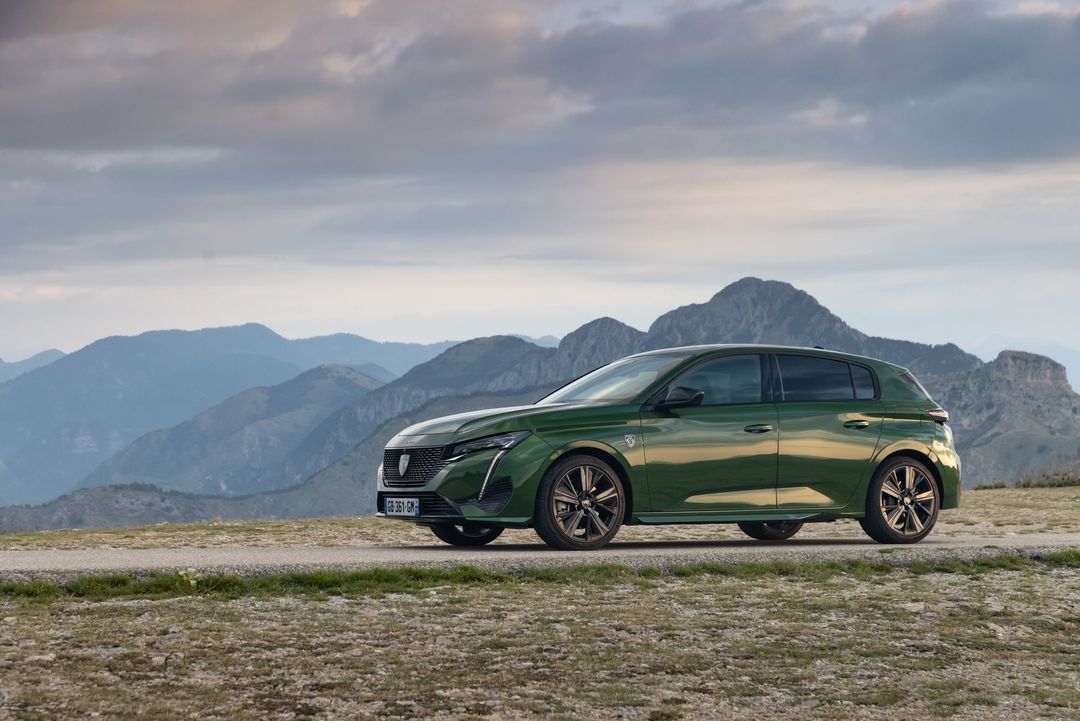
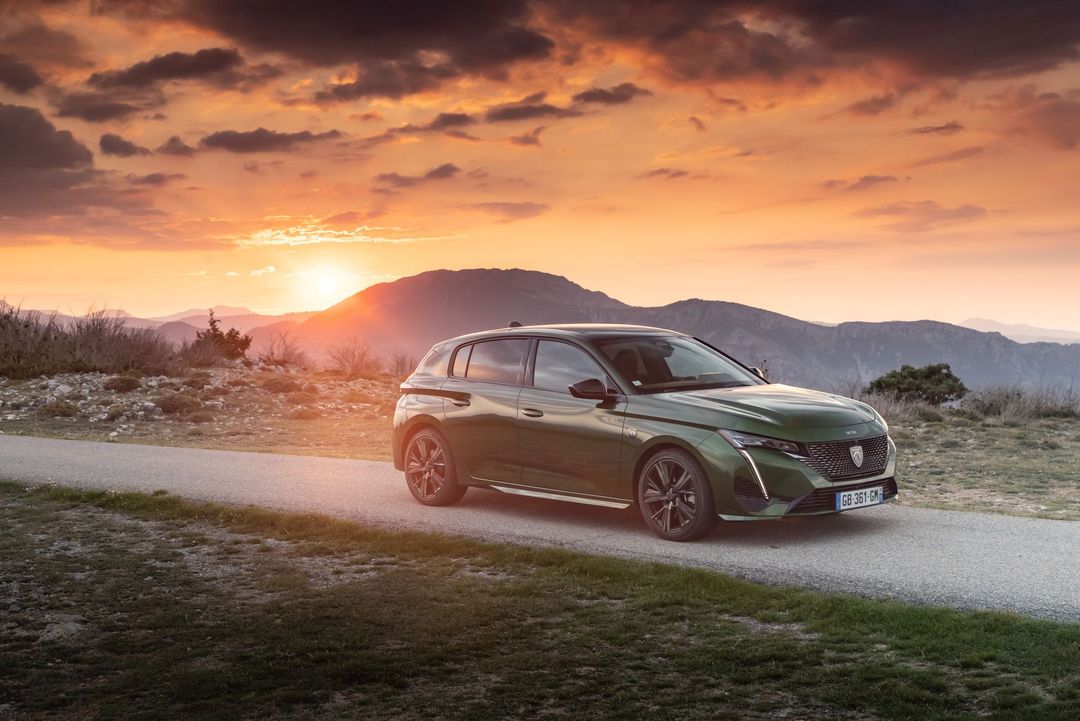
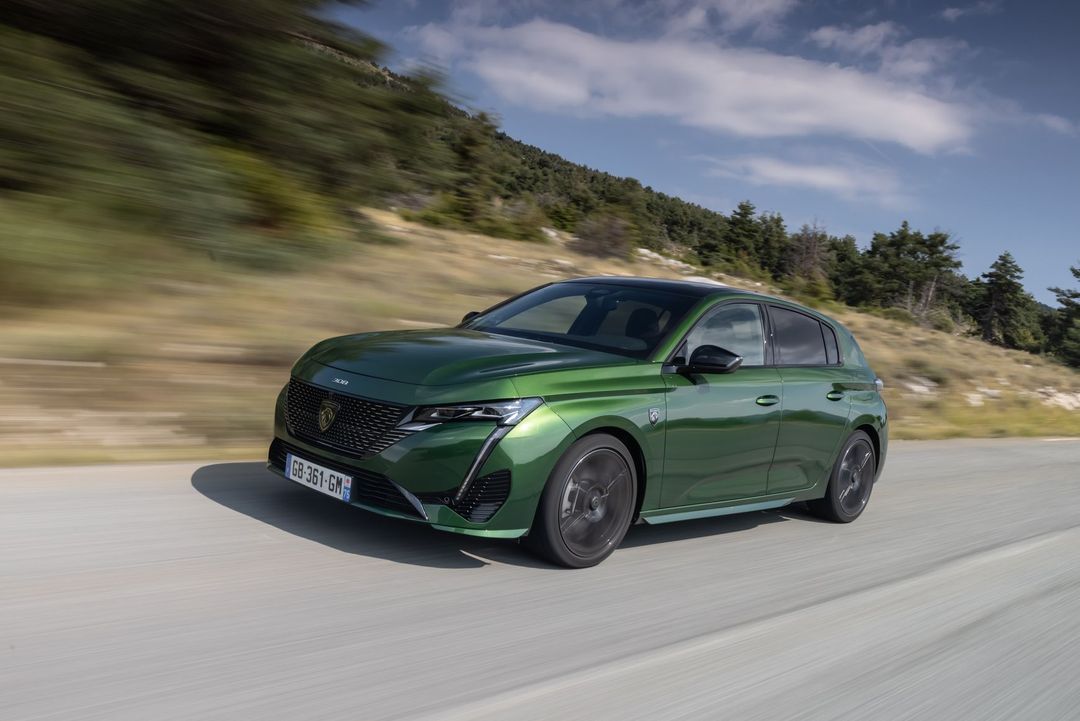
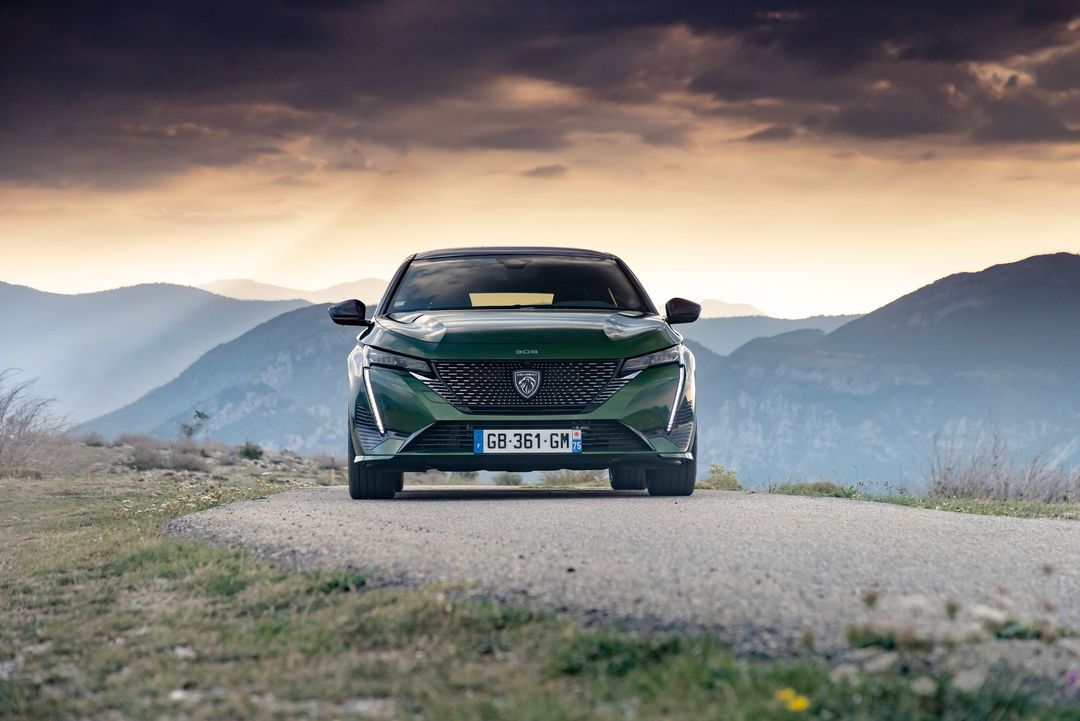
The Peugeot 308 presents a compact, modern silhouette that looks smaller on paper than it feels on the road, measuring 4,367 mm long and 1,852 mm wide with a coupe-like roofline that tightens the rear. The front end wears Peugeot’s sharp lighting signature and a restrained grille that gives the hatch a premium, grown-up presence without trying too hard. From the side the wheel arches and a rising beltline lend it a sporty stance that outclasses many ordinary family hatchbacks. In traffic the 308 reads as a deliberate, slightly upscale choice rather than a bargain-basement runabout.
@ Peugeot / Stellantis Media

Interior & Usability

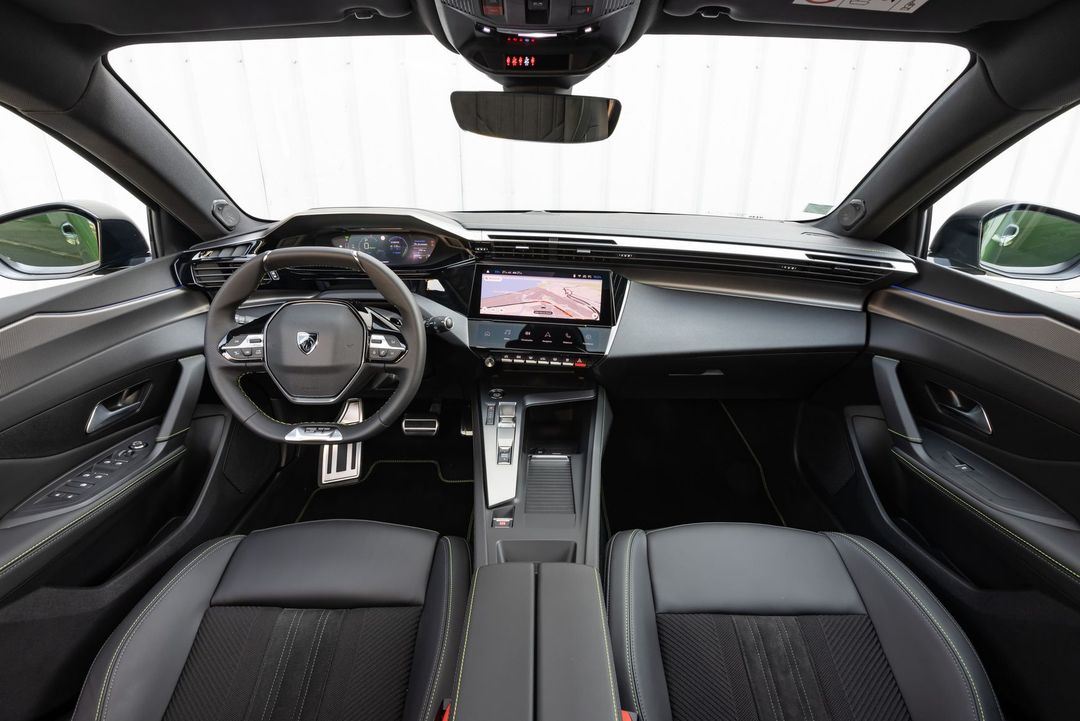
The cabin continues Peugeot’s i-Cockpit theme with a compact steering wheel and a configurable digital instrument cluster that prioritises information over ornamentation. Material quality has been noticeably stepped up: soft-touch surfaces, neatly trimmed panels and supportive seats give the impression of a class above many rivals. Controls are generally well laid out, though touchscreen menus can demand attention when setting up systems on the move. Five adults fit in principle, but the 308 focuses more on a refined experience than on stretching interior volume to the limit.

@ Peugeot / Stellantis Media

Space & Everyday Practicality

@ Peugeot / Stellantis Media

Driving & Handling

The 308 steers with a crisp, communicative feel that makes it more engaging than many compact hatches, and the chassis balances comfort and agility in a way that suits mixed urban and motorway use. Powertrain choices affect character: the 130 hp diesel accelerates briskly for its class (0–100 km/h in roughly 10.5–11 seconds), the 145 hp mild-hybrid feels lively in town, the 156 hp pure-electric model has smooth instant torque and the 195 hp plug-in hybrid can drop to about 7.6 seconds to 100 km/h. Heavier electrified variants calm the car’s agility a touch, but ride comfort and composure remain strengths across the range.

@ Peugeot / Stellantis Media

Efficiency, Consumption & Range

Efficiency is a strong selling point: the 1.5 BlueHDi diesel manages around 5.1 L/100 km in WLTP figures and suits high-mileage drivers who spend time on highways, while the 1.2 MHEV petrol averages near 5.0 L/100 km for mixed driving. The plug-in hybrid claims tiny petrol consumption figures (around 0.8 L/100 km) when its WLTP electric range of roughly 78 km covers typical commutes, but real-world fuel use depends on charging habits. The e-308 electric version uses about 15.2 kWh/100 km on the WLTP cycle, with an advertised range near 419 km from its ≈51 kWh battery, making it viable for longer trips between charges in normal driving conditions.

@ Peugeot / Stellantis Media

Assistance & Infotainment

Equipment levels include a modern infotainment setup with a responsive touchscreen, smartphone integration and a configurable digital cluster that keeps navigation and driver aids visible without overwhelming the display. Safety and assistance systems such as adaptive cruise control, automated emergency braking and lane-keeping aids are present and perform competently in everyday traffic, helping reduce stress on longer runs. Some advanced features and larger displays are reserved for higher trims, so buyers who prioritise tech should check specification lines carefully.

Who is it for?

The Peugeot 308 suits buyers who want a stylish, well-made compact hatch with multiple powertrain choices: an economical diesel for long-distance drivers, a frugal mild-hybrid for mixed use, a PHEV for commuters who can charge and cut fuel bills, or a pure EV for city and longer-range electric driving. It appeals to those who value interior quality, comfortable seats and engaging handling more than maximum rear-seat space. Overall, the 308 is a rounded choice for buyers looking to upgrade from a basic hatch to something with a more premium feel and modern drivetrain flexibility.

Costs and Consumption

Price
29200 - 42600 £
Consumption L/100km
2.3 - 5 L
Consumption kWh/100km
15.60 kWh
Electric Range
78 - 450 km
Battery Capacity
0.40 kWh
co2
0 - 129 g/km
Fuel tank capacity
42 - 52 L

Dimensions and Body

Body Type
Hatchback
Seats
5
Doors
5
Curb weight
1453 - 1749 kg
Trunk capacity
314 - 412 L
Length
4367 mm
Width
1852 mm
Height
1438 mm
Max trunk capacity
1258 - 1323 L
Payload
430 - 503 kg

Engine and Performance

Engine Type
Petrol MHEV, Diesel, Plugin Hybrid, Electric
Transmission
Automatic
Transmission Detail
Dual-Clutch Automatic, Automatic Gearbox, Reduction Gearbox
Drive Type
Front-Wheel Drive
Power HP
131 - 195 HP
Acceleration 0-100km/h
7.6 - 10.6 s
Max Speed
170 - 225 km/h
Torque
230 - 300 Nm
Number of Cylinders
3 - 4
Power kW
96 - 144 kW
Engine capacity
1199 - 1598 cm3

General

Model Year
2025
CO2 Efficiency Class
C, D, B, A
Brand
Peugeot
Is the Peugeot 308 offered with different drivetrains?

Available configurations include Front-Wheel Drive.

The prices and data displayed are estimates based on German list prices and may vary by country. This information is not legally binding.