BMW iX alternatives & comparisons

Here you can find alternatives to the BMW iX, based on existing comparison pages and popular model matchups. We currently show 6 suitable models as a starting point for your buying decision.

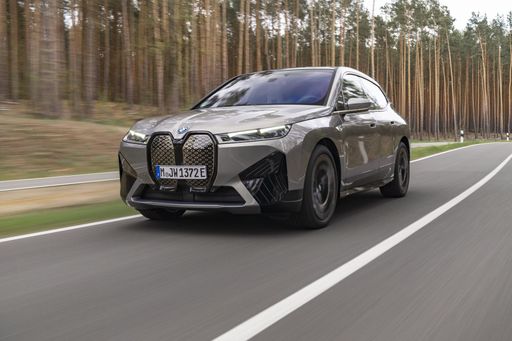
BMW iX

Alternative models

These models are frequently compared with the BMW iX and are good next research steps.

from £54,400
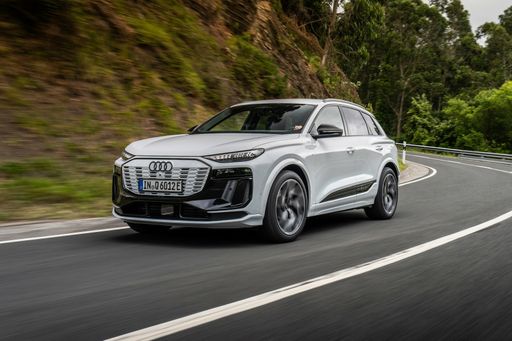
Q6 e-tron

Audi Q6 e-tron

  • Engine Type Electric
  • Transmission Automatic
  • Drive Type Rear-Wheel Drive, All-Wheel Drive
  • Power HP 252 - 490 HP
  • Consumption kWh/100km 15.4 - 18.4 kWh/100km
  • Electric Range 535 - 668 km

Audi Q6 e-tron as a suitable alternative to BMW iX

The Audi Q6 e-tron feels like a precision-engineered salon on wheels—sleeker, more driver-focused, with crisp handling and an interior that whispers luxury rather than shouts it. The BMW iX is the bigger, bolder statement: cavernous, supremely comfortable and range-minded; pick the Q6 for the grin-inducing drive, the iX for relaxed long-distance authority and road-presence.

The Audi Q6 e-tron combines Audi's premium design and refined interior with a modern electric drivetrain that delivers effortless, quiet acceleration. It feels spacious and tech-forward, making it a comfortable and confident choice for buyers who want an upscale electric SUV for daily driving and longer trips.
Quick data check: Audi Q6 e-tron

  • markedly more power
  • barely more electric range
  • slightly quicker 0–100 km/h
  • clearly cheaper
  • somewhat more efficient
  • moderately lighter
  • marginally more trunk space
from £54,300
iX3

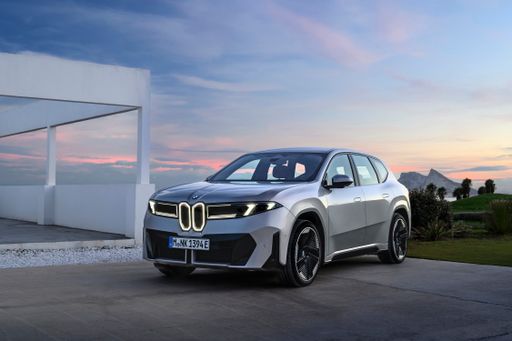
BMW iX3

  • Engine Type Electric
  • Transmission Automatic
  • Drive Type All-Wheel Drive, Rear-Wheel Drive
  • Power HP 320 - 469 HP
  • Consumption kWh/100km 14.6 - 15.1 kWh/100km
  • Electric Range 635 - 805 km

BMW iX3 as a suitable alternative to BMW iX

Comparing the BMW iX and BMW iX3 helps buyers decide between BMW’s flagship, tech-forward electric SUV and a more compact, traditional SUV-style electric that focuses on practicality and value. The iX prioritizes range, interior space and cutting-edge tech, while the iX3 delivers familiar BMW driving dynamics, lower cost of ownership and easier everyday usability.

The BMW iX3 is an electric SUV that delivers the composed, premium driving experience BMW buyers expect. With a calm, refined cabin and practical everyday usability, it’s a strong choice for those who want electric motoring without giving up luxury and comfort.

Quick data check: BMW iX3

  • noticeably more power
  • visibly quicker 0–100 km/h
  • clearly cheaper
  • markedly more efficient
  • somewhat more electric range
  • only slightly lighter
from £54,000
EX60

Volvo EX60

  • Engine Type Electric
  • Transmission Automatic
  • Drive Type Rear-Wheel Drive, All-Wheel Drive
  • Power HP 374 - 680 HP
  • Consumption kWh/100km 14.9 - 16.2 kWh/100km
  • Electric Range 611 - 810 km

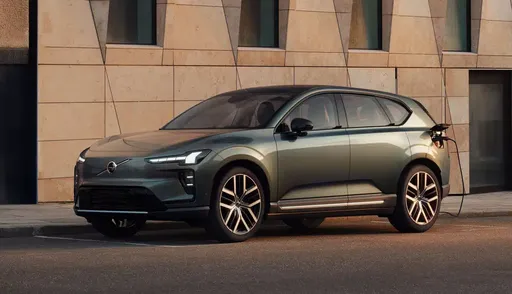
Volvo EX60 as a suitable alternative to BMW iX

This comparison pits the BMW iX against the Volvo EX60 to help you decide which luxury electric SUV better fits your needs. I’ll look at driving dynamics, range and charging, interior comfort and tech, safety, and ownership costs so you can choose with confidence.

The Volvo EX60 is a stylish electric SUV that pairs Scandinavian minimalism with a high-quality, comfortable cabin and an intuitive infotainment experience. It delivers a composed, refined ride with advanced safety and driver-assist systems that make daily driving relaxed and confident.

Quick data check: Volvo EX60

  • only slightly quicker 0–100 km/h
  • markedly cheaper
  • only slightly more power
  • moderately more efficient
  • somewhat more electric range
  • a bit lighter
  • barely more trunk space
from £42,300
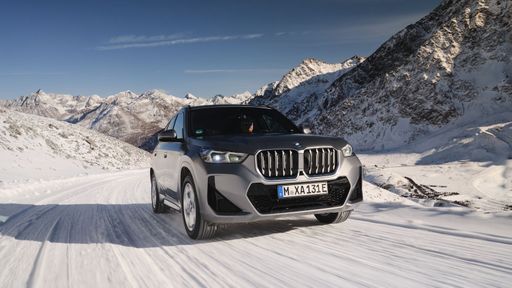
iX1

BMW iX1

  • Engine Type Electric
  • Transmission Automatic
  • Drive Type Front-Wheel Drive, All-Wheel Drive
  • Power HP 204 - 313 HP
  • Consumption kWh/100km 14.3 - 15.7 kWh/100km
  • Electric Range 466 - 514 km

BMW iX1 as a suitable alternative to BMW iX

The BMW iX1 and BMW iX are both electric SUVs but serve very different buyers: the iX1 is a compact, city-friendly EV focused on affordability and efficiency, while the iX is BMW's full-size, tech-and-luxury flagship built for range, comfort and performance. Choose the iX1 if you want a practical, lower-cost daily driver with agile handling and modest range; pick the iX if you prioritize long-distance capability, high-end interior appointments and stronger performance.

The BMW iX1 is a compact electric crossover that blends BMW's characteristic driving dynamics with a practical, premium interior, making it a strong choice for buyers who want an upscale daily driver with electric efficiency. It delivers composed handling for city and motorway use, while its clean, modern styling and intuitive tech give the cabin an inviting, contemporary feel.

Quick data check: BMW iX1

  • clearly more power
  • visibly more electric range
  • significantly quicker 0–100 km/h
  • only slightly more trunk space
  • substantially cheaper
  • markedly more efficient
  • noticeably lighter
from £77,600
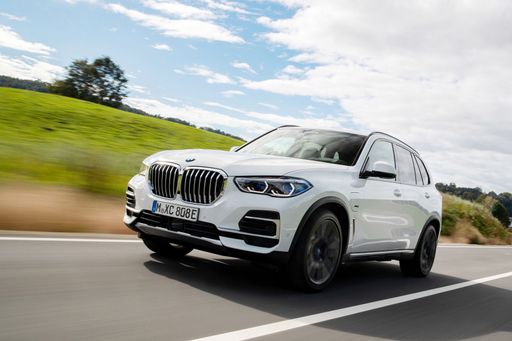
X5

BMW X5

  • Engine Type Petrol MHEV, Diesel MHEV, Plugin Hybrid
  • Transmission Automatic
  • Drive Type All-Wheel Drive
  • Power HP 298 - 625 HP
  • Consumption L/100km 3 - 12.8 L/100km
  • Electric Range 105 km

BMW X5 as a suitable alternative to BMW iX

Comparing the BMW iX and BMW X5 puts BMW’s all-electric flagship SUV against its long-running, versatile mid‑size luxury SUV. The iX prioritizes cutting-edge electric range, tech and a futuristic interior, while the X5 delivers familiar driving dynamics, multiple petrol/diesel/hybrid engines and greater towing versatility—so choose based on whether you want full electrification and tech or proven utility and engine choice.

The BMW X5 blends athletic handling with a roomy, premium interior, feeling equally at home on twisty country roads and the school-run car park. Its executive-lounge cabin and confident road presence make it a tempting choice for buyers who want comfort, capability and just a little bit of bragging rights.

Quick data check: BMW X5

  • very slightly cheaper
  • only slightly more power
  • considerably more electric range
  • barely quicker 0–100 km/h
  • somewhat lighter
  • markedly more trunk space
from £51,700
X3

BMW X3

  • Engine Type Petrol MHEV, Diesel MHEV, Plugin Hybrid
  • Transmission Automatic
  • Drive Type All-Wheel Drive
  • Power HP 197 - 398 HP
  • Consumption L/100km 2.8 - 7.7 L/100km
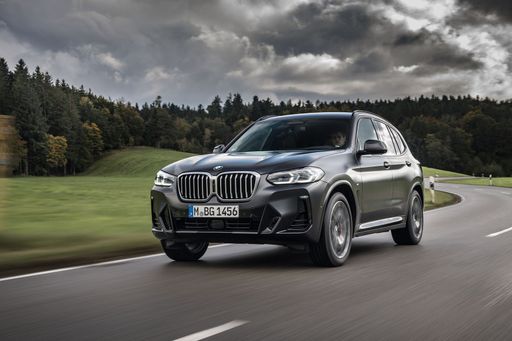
  • Electric Range 88 km

BMW X3 as a suitable alternative to BMW iX

In the realm of luxury SUVs, the BMW X3 and BMW iX present distinct choices, each catering to different tastes and technological preferences. The BMW X3 remains a stellar option for those who appreciate its dynamic handling and versatile combustion engine options. Meanwhile, the electric BMW iX boldly represents the future with its pioneering electrification, advanced connectivity, and sustainable features, designed to enhance the eco-conscious driver's experience.

The BMW X3 blends sporty handling with premium comfort, making it a strong choice for drivers who want an engaging everyday SUV. Its well-appointed interior and confident road manners give it broad appeal for families and commuters who value style and versatility.

Quick data check: BMW X3

  • markedly more power
  • significantly more electric range
  • markedly quicker 0–100 km/h
  • noticeably cheaper
  • noticeably lighter
  • slightly more trunk space
DriveDuel uses data analysis and artificial intelligence to evaluate vehicle data and create content. Content is regularly reviewed and improved. The displayed prices are estimates based on German list prices, adjusted to the respective country’s VAT. Country-specific registration taxes are not included. This information is not legally binding.