CUPRA Terramar SUV, starting at 42,000 £

4.9 (8 Reviews)
rate

The CUPRA Terramar blends the brand’s sporty DNA with the practicality of a compact crossover, offering striking design and a driver-focused, premium-feeling cabin. It’s aimed at buyers who want engaging handling and athletic looks without giving up everyday usability and modern connectivity.

Reviews & community

All real reviews and experiences about the CUPRA Terramar in one place.

To community

Technical data, trims & prices

All technical data, dimensions and equipment details of this model at a glance.

To technical data

Alternative car models

Discover similar models and possible alternatives to this vehicle.

To alternatives

from £42,000
Terramar

CUPRA Terramar

  • Engine Type Petrol, Petrol MHEV, Plugin Hybrid
  • Transmission Automatic
  • Drive Type All-Wheel Drive, Front-Wheel Drive
  • Power HP 150 - 272 HP
  • Consumption L/100km 1.6 - 8.4 L/100km
  • Electric Range 118 km

Sharp Suit, SUV Stance

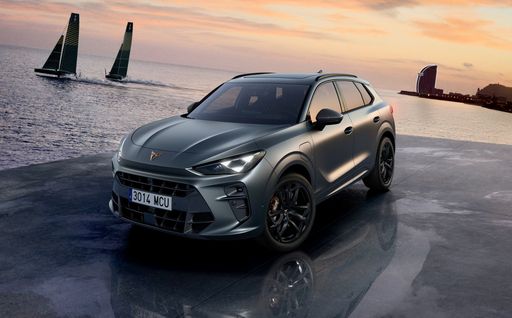
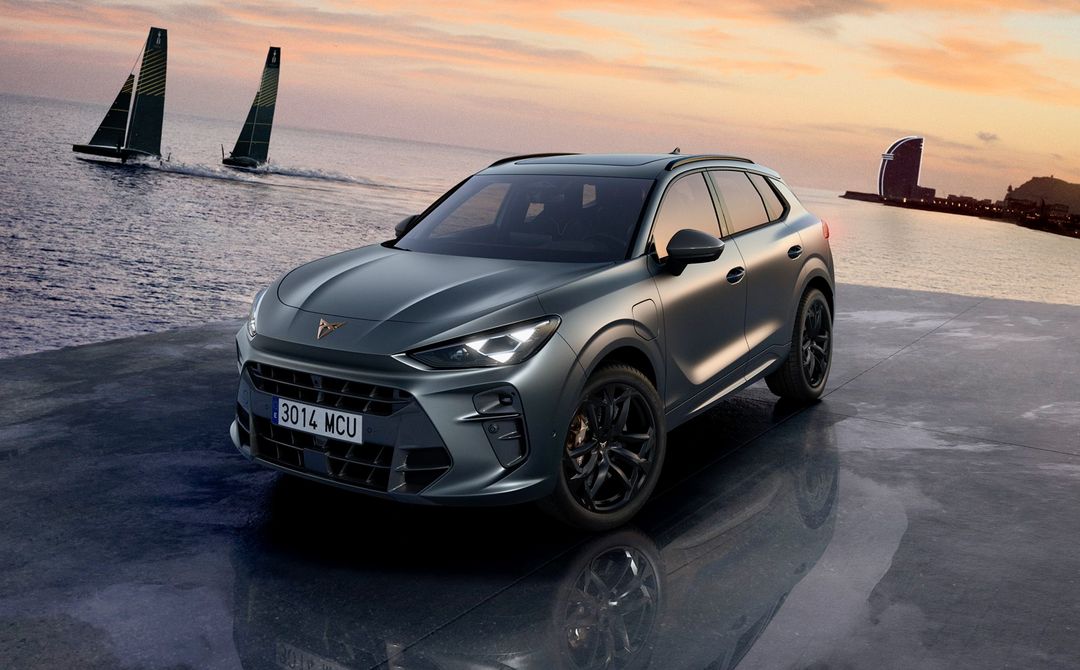
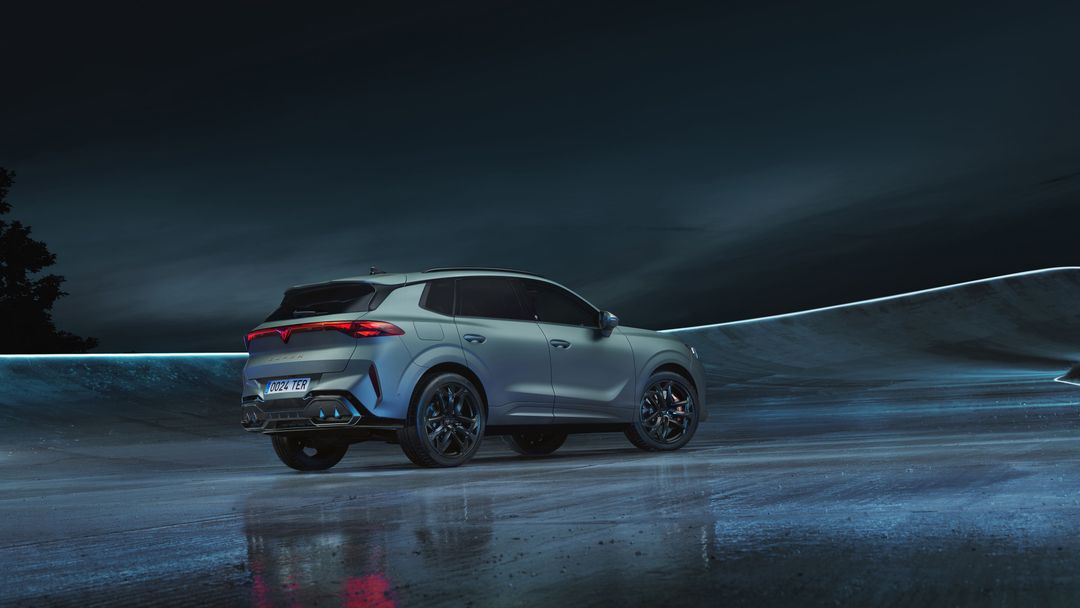
The CUPRA Terramar wears sharp surfacing and a low, muscular nose that give it presence without looking oversized. At 1869 mm wide with a planted track, it sits confidently on the road, though the high bonnet and slim glasshouse slightly limit outward visibility. Wheel options run large and fill the arches nicely, but the broader tires bring more road noise on the motorway. Details like the triangular light signatures and contrasting cladding underline a sportier brief than most family SUVs. It is an assertive look that stands out in school-run traffic and still feels cohesive on a winding road.
Mood, Materials and Buttons That Matter

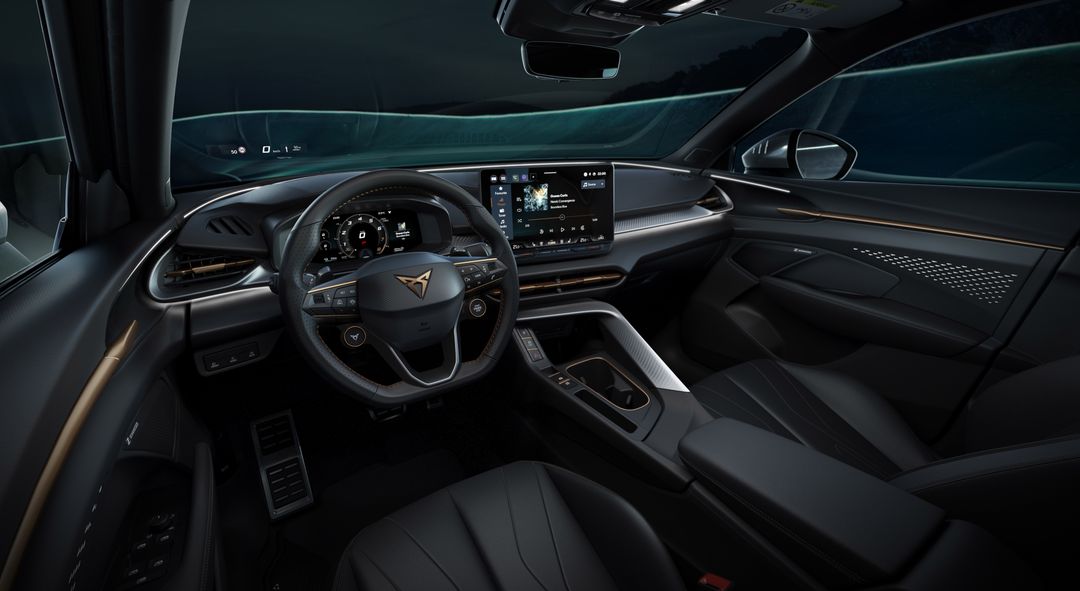
Inside, the Terramar mixes a sporty driving position with supportive front seats that stay comfortable over long stints. The large central touchscreen is quick to respond, and fixed shortcut rails plus effective voice control make everyday tasks simpler than in earlier CUPRA systems. Material quality feels solid with some soft-touch areas, though a few trims are more functional than plush. Storage is smartly arranged, and the DSG shifter frees up space on the console. Visibility is only average due to the window line, but standard parking sensors and a camera reduce the stress in tight spots.

Slide, Stash, Settle In

Family use is helped by a standard sliding rear bench that trades legroom for cargo volume at the pull of a lever. Luggage space is generous at up to 540 liters in petrol versions, while the battery eats into capacity on the PHEV, dropping it closer to 450 liters. Five seats are usable, with adult-friendly knees and feet, but very tall passengers may brush the sloping roofline in the back. Isofix points front and rear ease child-seat duty, and the square aperture suits weekly shops or a folded pushchair. Everyday life benefits from light low-speed steering and sensible door bins that actually hold bottles.

Secure Pace, Not Showboating

On the move, the Terramar favors control and stability over theatrics, helped by accurate steering and well-contained body roll. The optional adaptive dampers (DCC) broaden the ride from agreeably supple in Comfort to tied-down in Sport without becoming harsh. Big 19‑ or 20‑inch wheels can add thump over sharp edges in town, a trade-off for the taut posture. All-wheel drive on the 2.0 TSI variants boosts traction in poor weather, while front-drive models remain composed if you are smooth with inputs. PHEVs blend regeneration and mechanical braking transparently most of the time, though hard stops can reveal a softer pedal feel, and the synthetic engine sound in sportier modes may not please everyone.

Powertrains: From Mild to Plugged‑In

The range spans a 1.5 eTSI mild-hybrid with 150 PS (front-wheel drive), a 2.0 TSI with 204 PS (4Drive), a 265 PS VZ (4Drive), and two 1.5 e‑HYBRID plug-in hybrid options at 204 or 272 PS (front-wheel drive). All use a dual‑clutch DSG, delivering 0–100 km/h anywhere from 5.9 to 9.3 seconds, with torque between 250 and 400 Nm for brisk everyday pace. Official fuel use ranges from 1.6 to 8.4 L/100 km across the line-up, reflecting very different missions. The PHEV’s WLTP electric range of up to 118 km translates to roughly 90–100 km in mixed real-world use, enough to cover most commutes without the engine. It can DC fast-charge at up to 50 kW to trim stop times, though regular home charging remains the key to low running costs. With the battery depleted, the PHEV feels less seamless and less efficient, so charging discipline pays dividends.

Screens, Smarts and Safety Nets

The infotainment is intuitive, with clear graphics, responsive gestures, and those handy fixed shortcut rails that reduce menu diving. Wireless smartphone mirroring, a crisp digital cluster, and an available head-up display keep information tidy and in view. Driver assists include adaptive cruise, lane centering, and blind-spot monitoring, working smoothly in day-to-day use with rare false alarms noted by some testers. Crucially, Euro NCAP rated the Terramar with five stars in 2025, highlighting strong adult and child protection. Night visibility and parking confidence benefit from bright lighting and standard camera coverage.

Costs, Consumption and the Fine Print

Choose carefully and the numbers make sense: regular charging lets the PHEV run most weeks on electricity, while petrol 2.0 TSIs deliver easy long-haul pace at the cost of higher fuel use. CO2 figures span 36–191 g/km, and official classes range from B to G, underscoring how your usage pattern defines efficiency. Tyre choice matters for comfort and cabin noise, and big wheels look great but transmit more texture at speed. Compared with the closely related VW Tiguan, the Terramar’s price tends to run higher like-for-like, and attractive options can nudge the bottom line up quickly.

Who Should Pick It?

This SUV suits design-led family commuters who value a distinctive look, strong safety, and the flexibility of that sliding rear bench. The PHEV is a sweet spot for those with charging access, delivering quiet, low‑cost daily miles without sacrificing long-trip ability. Drivers after secure, controlled handling and a comfortable ride—especially with DCC—will appreciate its calm confidence. Space-maximizers and value hawks may prefer roomier, cheaper siblings elsewhere in the group. Enthusiasts seeking raw excitement will find the Terramar capable and quick, yet its character leans more assured than adrenaline-fueled.

Costs and Consumption

Price
42,000 - 51,100 £
Consumption L/100km
1.6 - 8.4 L/100km
Consumption kWh/100km
-
Electric Range
118 km
Battery Capacity
-
co2
36 - 191 g/km
Fuel tank capacity
-

Dimensions and Body

Body Type
SUV
Seats
5
Doors
-
Curb weight
1,638 - 1,904 kg
Trunk capacity
450 - 540 L
Length
-
Width
1,869 mm
Height
-
Max trunk capacity
-
Payload
512 - 542 kg

Engine and Performance

Engine Type
Petrol, Petrol MHEV, Plugin Hybrid
Transmission
Automatic
Transmission Detail
Dual-Clutch Automatic
Drive Type
All-Wheel Drive, Front-Wheel Drive
Power HP
150 - 272 HP
Acceleration 0-100km/h
5.9 - 9.3 s
Max Speed
-
Torque
250 - 400 Nm
Number of Cylinders
4
Power kW
110 - 200 kW
Engine capacity
1,498 - 1,984 cm3

General

Model Year
2,024 - 2,025
CO2 Efficiency Class
F, E, B, G
Brand
CUPRA
Is the CUPRA Terramar offered with different drivetrains?

The CUPRA Terramar is offered with All-Wheel Drive or Front-Wheel Drive.

DriveDuel uses data analysis and artificial intelligence to evaluate vehicle data and create content. Content is regularly reviewed and improved. The displayed prices are estimates based on German list prices, adjusted to the respective country’s VAT. Country-specific registration taxes are not included. This information is not legally binding.