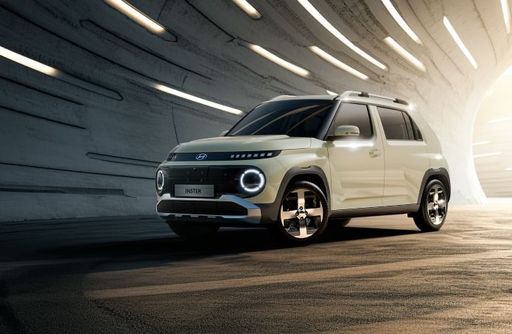
Hyundai Inster alternatives & comparisons

Here you can find alternatives to the Hyundai Inster, based on existing comparison pages and popular model matchups. We currently show 6 suitable models as a starting point for your buying decision.

Hyundai Inster

Alternative models

These models are frequently compared with the Hyundai Inster and are good next research steps.

from £22,800
EV2

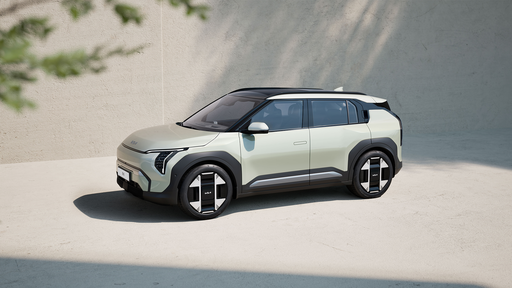
Kia EV2

  • Engine Type Electric
  • Transmission Automatic
  • Drive Type Front-Wheel Drive
  • Power HP 135 - 147 HP
  • Consumption kWh/100km 15.1 - 16.3 kWh/100km
  • Electric Range 317 - 453 km

Kia EV2 as a suitable alternative to Hyundai Inster

This side-by-side look at the Hyundai Inster and the Kia EV2 will help you decide which electric compact best suits your driving habits and budget. I’ll compare range, performance, interior comfort, charging practicality and ownership costs so you can pick the model that matches your priorities.

The Kia EV2 is a compact electric crossover aimed at buyers who want a practical, affordable EV with a modern, well-appointed cabin. It combines comfortable, predictable handling with straightforward tech and efficient everyday usability, making it a sensible choice for daily driving.
Quick data check: Kia EV2

  • only slightly cheaper
  • very slightly more efficient
  • moderately lighter
  • clearly more power
  • somewhat more electric range
  • clearly quicker 0–100 km/h
from £17,100
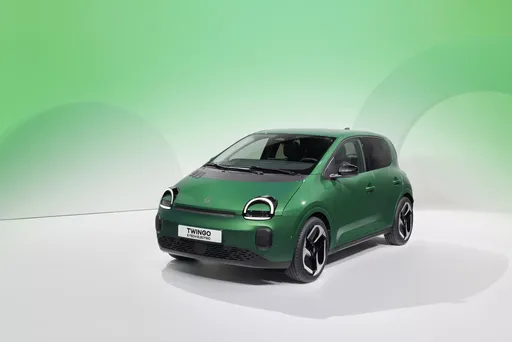
Twingo

Renault Twingo

  • Engine Type Electric
  • Transmission Automatic
  • Drive Type Front-Wheel Drive
  • Power HP 82 HP
  • Consumption kWh/100km 13.1 kWh/100km
  • Electric Range 260 - 262 km

Renault Twingo as a suitable alternative to Hyundai Inster

City-car showdown: the Hyundai Inster goes head-to-head with the Renault Twingo in a battle of practicality, personality and pocket-friendly running costs. We test them in real-world city conditions — parking, commute, cabin comfort and ownership — so you can pick the best small car for urban life.

The Renault Twingo is a cheeky city car that turns tight streets and impossible parking spaces into an urban playground with its agile handling and compact footprint. It’s perfect for zipping around town thanks to clever interior packaging and a playful character, though buyers chasing long-distance comfort or huge luggage space should consider other options.

Quick data check: Renault Twingo

  • markedly more power
  • noticeably more electric range
  • a bit quicker 0–100 km/h
  • noticeably cheaper
  • very slightly more efficient
  • very slightly lighter
  • only slightly more trunk space
from £19,700
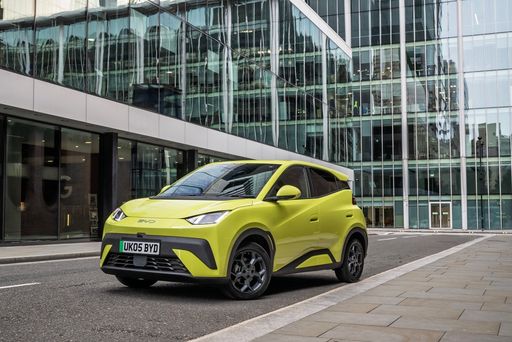
Dolphin Surf

BYD Dolphin Surf

  • Engine Type Electric
  • Transmission Automatic
  • Drive Type Front-Wheel Drive
  • Power HP 88 - 156 HP
  • Consumption kWh/100km 15.5 - 16 kWh/100km
  • Electric Range 220 - 322 km

BYD Dolphin Surf as a suitable alternative to Hyundai Inster

The Hyundai Inster and the BYD Dolphin Surf are two fresh contenders in the compact car segment, each taking a different approach to styling, technology and everyday practicality. This comparison will highlight the key differences in comfort, efficiency, driving feel and value so you can pick the one that suits your needs.

The BYD Dolphin Surf is an intriguing model that combines sleek design with modern electric technology, making it an appealing choice for urban commuters seeking sustainability and style. Its dynamic exterior design is complemented by an interior that prioritizes comfort and functionality, reflecting the brand's commitment to innovation. The model also offers impressive handling and a smooth driving experience, embodying the shift towards eco-friendly transportation.

Quick data check: BYD Dolphin Surf

  • barely more efficient
  • moderately more electric range
  • only slightly cheaper
  • clearly more power
  • somewhat quicker 0–100 km/h
  • barely lighter
  • very slightly more trunk space
from £21,400
ID.Polo

VW ID.Polo

  • Engine Type Electric
  • Transmission Automatic
  • Drive Type Front-Wheel Drive
  • Power HP 116 - 226 HP
  • Consumption kWh/100km 13.3 - 14.4 kWh/100km
  • Electric Range 424 - 454 km

VW ID.Polo as a suitable alternative to Hyundai Inster

Here’s a practical head-to-head between the Hyundai Inster and the Volkswagen ID.Polo to help you decide which model better suits your driving needs and lifestyle. I’ll compare their core strengths — comfort, technology, efficiency, and ownership costs — so you can see where each car excels and which trade-offs matter most.

The VW ID.Polo brings classic Polo sensibility to the EV age with a calm, refined ride, an unusually large boot, and refreshingly simple controls with real buttons. It favors easygoing efficiency and family-friendly practicality over playful handling or high-speed autobahn pace, and the smaller-battery versions ask for a bit more planning on long trips.

Quick data check: VW ID.Polo

  • marginally cheaper
  • slightly lighter
  • substantially more power
  • barely more efficient
  • somewhat more electric range
  • clearly quicker 0–100 km/h
  • clearly more trunk space
£16,200
T03

Leapmotor T03

  • Engine Type Electric
  • Transmission Automatic
  • Drive Type Front-Wheel Drive
  • Power HP 95 HP
  • Consumption kWh/100km 16.3 kWh/100km
  • Electric Range 265 km

Leapmotor T03 as a suitable alternative to Hyundai Inster

Choosing between the Hyundai Inster and the Leapmotor T03 means weighing Hyundai’s mainstream familiarity and likely broader dealer support against the T03’s electric-first design and city-focused efficiency. This short comparison will spotlight where each car shines — practicality, tech, range and running costs — so you can pick the one that suits your daily driving.

Leapmotor T03 is a compact electric city car that blends bold styling with practical urban ease, making it an appealing choice for commuters who value smart tech and everyday affordability. It feels nimble in traffic and cleverly packaged inside, though it’s best suited to short urban trips rather than long highway journeys.

Quick data check: Leapmotor T03

  • moderately more power
  • somewhat more efficient
  • markedly more electric range
  • moderately quicker 0–100 km/h
  • visibly more trunk space
  • visibly cheaper
  • a bit lighter
from £27,300
R4

Renault R4

  • Engine Type Electric
  • Transmission Automatic
  • Drive Type Front-Wheel Drive
  • Power HP 150 HP
  • Consumption kWh/100km 15.1 kWh/100km
  • Electric Range 409 km

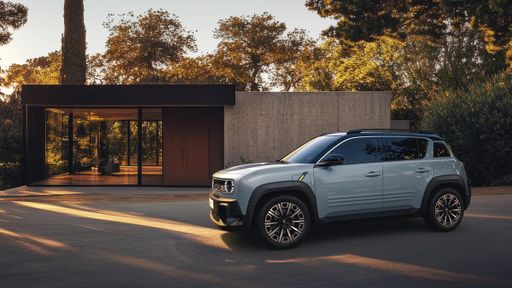
Renault R4 as a suitable alternative to Hyundai Inster

The Hyundai Inster and the Renault 4 present two very different approaches to motoring: the Inster leans toward contemporary Hyundai comfort and technology, while the Renault 4 trades modern refinements for simple, characterful practicality. This comparison will focus on how they differ in driving experience, space, running costs and ownership fit so you can pick the one that matches your needs.

The Renault R4, affectionately known as the "R4," is a quintessential symbol of French automotive simplicity and practicality. This classic compact car, originally introduced in the early 1960s, won over numerous enthusiasts with its versatile design and dependable performance. Its no-frills charm and robust build made it a beloved choice for rural drivers and city dwellers alike, cementing its status as an iconic piece of automotive history.

Quick data check: Renault R4

  • noticeably cheaper
  • very slightly more efficient
  • marginally lighter
  • markedly more power
  • only slightly more electric range
  • markedly quicker 0–100 km/h
  • clearly more trunk space
DriveDuel uses data analysis and artificial intelligence to evaluate vehicle data and create content. Content is regularly reviewed and improved. The displayed prices are estimates based on German list prices, adjusted to the respective country’s VAT. Country-specific registration taxes are not included. This information is not legally binding.