Ford Explorer EV as a suitable alternative to Jeep Compass
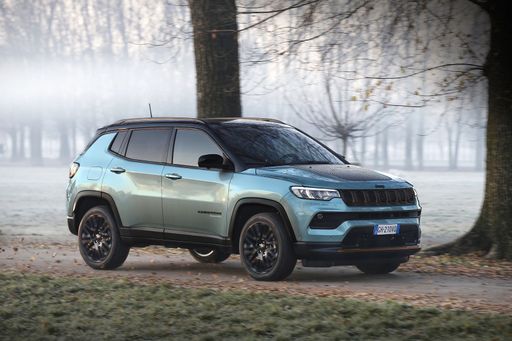
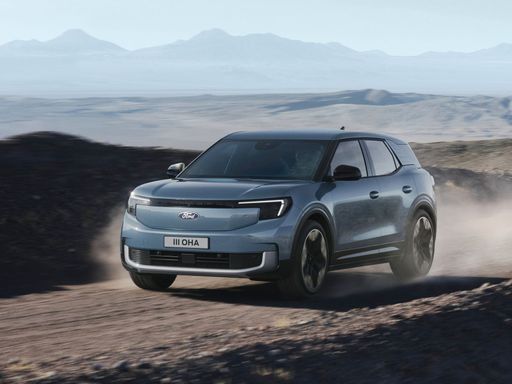
The Ford Explorer EV and the Jeep Compass aim at very different buyers: one is Ford’s electric take on a large family SUV, the other is Jeep’s compact crossover focused on everyday practicality and light off-road ability. This comparison highlights the real-world trade-offs — size, packaging, powertrain, running costs and intended use — so you can pick the one that fits your life.
Quick summary
- Ford Explorer EV: A larger, fully electric SUV built around space, tech and lower operating costs if you can charge regularly. Best if you want a roomy family hauler, emission-free daily driving and don’t mind paying more up front.
- Jeep Compass: A compact, budget-friendlier crossover (available as gas, and in some markets as a PHEV) that’s better for tight parking, mixed fuel access and occasional light off-roading. Best if you prioritize lower purchase price, versatility and simpler ownership.
Size, seats and cargo
- Explorer EV: Generally a bigger vehicle with more interior volume and seating flexibility (often closer to mid‑size/three-row packaging or a very roomy two-row depending on trim). Expect more cargo space and easier long-trip comfort for adults in back.
- Compass: A compact crossover with comfortable front seats and adequate rear space for kids or short adults. Cargo is fine for daily errands and weekend bags but noticeably smaller than the Explorer EV.
Powertrain and driving character
- Explorer EV: Instant torque, smooth linear acceleration and a quiet cabin. EV torque makes merging and passing effortless. Ride tends to be composed but heavier because of batteries — good for highway cruising and family comfort.
- Compass: Lively-for-class with small turbo gasoline engines or a PHEV option where available. More traditional driving feel with engine noise and gear shifts; lighter and nimbler around town and in parking situations. Trailhawk/all‑wheel‑drive trims add traction and rugged character.
Range, fuel and charging
- Explorer EV: Charging is the defining factor. If you have reliable home charging and access to fast public chargers, daily running costs will be low and range anxiety is manageable. Overnight home charging is a major convenience.
- Compass: No charging infrastructure required for gasoline models; PHEV variants let you run short daily trips on electric power and use gas for long trips. Refueling is fast and networks are ubiquitous.
Running costs and maintenance
- Explorer EV: Lower routine maintenance (no oil changes, fewer moving parts) and cheaper energy costs per mile if electricity is competitively priced. Higher initial outlay and potentially higher insurance; battery warranty and charging habits matter.
- Compass: Lower purchase price and conventional maintenance costs. Fuel costs can be higher per mile than an EV, but the payback period depends on how much you drive and local energy/fuel prices.
Technology and safety
- Explorer EV: Typically loaded with the latest driver-assist tech, large infotainment screens and EV-specific features (regenerative braking, range-optimizing modes). Expect more standard tech and higher trim-level amenities.
- Compass: Competitive safety and infotainment for the segment, but fewer EV-specific features. Higher trims add safety tech and connectivity but overall tech package tends to be simpler and less costly.
Off-road and towing
- Explorer EV: Not primarily designed for hardcore off-roading, though AWD variants handle rough roads and snow well; towing capacity varies by build and may be limited compared with gas SUVs unless explicitly verified.
- Compass: Jeep heritage: some trims (Trailhawk) are tuned for light off-road use with better ground clearance and traction management. Towing capacity is modest but functional for small trailers.
Price and value
- Explorer EV: Higher sticker price but potential tax incentives and lower running costs can narrow the gap over time. Good value if you keep the vehicle for several years and drive a lot.
- Compass: Lower entry price and cheaper to insure/repair in many cases. Better short-term value if you want to minimize upfront spending.
Who should pick which
- Choose the Ford Explorer EV if:
- You want a spacious, comfortable family SUV with electric driving and lower long‑term energy/maintenance costs.
- You have reliable home charging (or good access to fast chargers) and frequently do highway or suburban driving.
- You’re planning to keep the car several years and want the latest EV tech.
- Choose the Jeep Compass if:
- You need a compact, budget-friendly crossover for city driving, tight parking and occasional countryside or light trail use.
- You don’t have reliable access to charging or prefer the flexibility of gas (or a PHEV).
- Upfront cost, simplicity and occasional off-road capability matter more than maximum interior space or zero-emission driving.
Bottom line
If your priority is space, silent acceleration and the long-term savings and lifestyle of an EV — and you can charge regularly — the Ford Explorer EV is the stronger choice. If you want lower purchase cost, easier refueling, a smaller footprint and Jeep’s light off-road DNA, the Jeep Compass is the more practical pick. Consider your daily commute, access to charging, family size and budget, and that will point you to the right one.
The Explorer EV brings the familiar presence and practicality of an Explorer into the electric age, offering roomy comfort and modern tech for everyday life and family trips. It feels composed on the road and serves as a straightforward, user-friendly alternative to conventional gas-powered SUVs.

 Deutschland
 France
 Nederland
 Great Britain
 Sverige
 Danmark
 Suomi
Suomi Italia
 Polska
 Česko
Česko España