Mazda CX-6e alternatives & comparisons

Here you can find alternatives to the Mazda CX-6e, based on existing comparison pages and popular model matchups. We currently show 6 suitable models as a starting point for your buying decision.

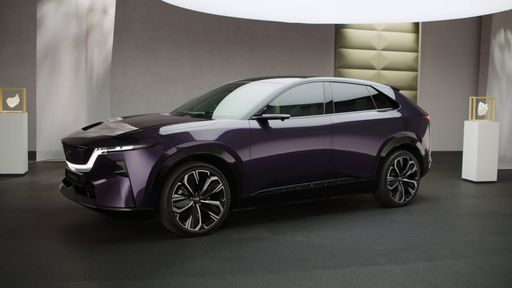
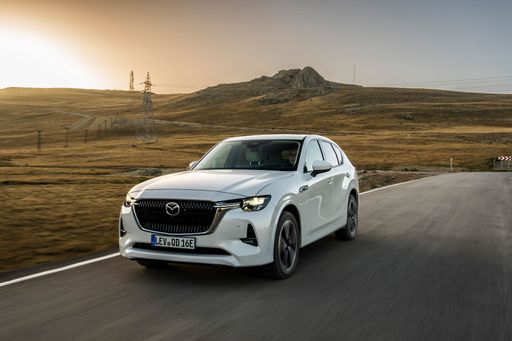
The Mazda CX-6e blends Mazda’s flowing coupe‑SUV silhouette with electric propulsion to deliver a surprisingly engaging and polished driving experience that feels more premium than its price suggests. Inside, the cabin is quietly refined and ergonomically smart, with modern tech and practical space that make it a stylish, sensible choice for drivers who want EV manners without the fanfare.

Mazda CX-6e

Alternative models

These models are frequently compared with the Mazda CX-6e and are good next research steps.

from £42,800
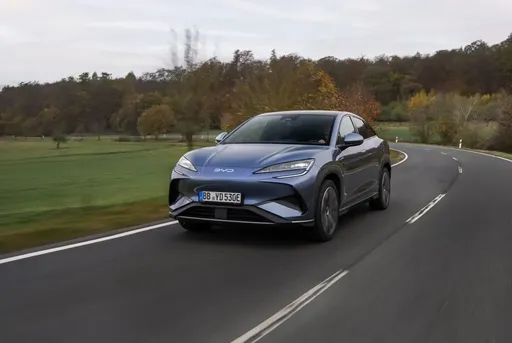
Sealion 7

BYD Sealion 7

  • Engine Type : Electric
  • Transmission : Automatic
  • Drive Type : Rear-Wheel Drive, All-Wheel Drive
  • Power HP : 313 - 530 HP
  • Consumption kWh/100km : 19.9 - 21.9 kWh/100km
  • Electric Range : 456 - 502 km

BYD Sealion 7 as a suitable alternative to Mazda CX-6e

In one corner is the tech‑packed BYD Sealion 7, a gadget-rich challenger promising range and features for the money; in the other is the Mazda CX‑6e, Mazda’s sleeker, driver-focused answer with a more premium feel. We’ll pit them on comfort, performance, tech and running costs so you know which one will make your commute less boring and your wallet less unhappy.

The Sealion 7 captivates with its striking design and impressive performance that appeals to both enthusiasts and casual drivers alike. With a focus on comfort and advanced technology, this model redefines the driving experience, making every journey enjoyable. Its sleek silhouette coupled with an innovative interior showcases the perfect blend of style and functionality.

Quick data check: BYD Sealion 7

  • only slightly more efficient
  • only slightly lighter
  • significantly more power
  • only slightly more electric range
  • significantly quicker 0–100 km/h
  • very slightly more trunk space
from £45,400
7X

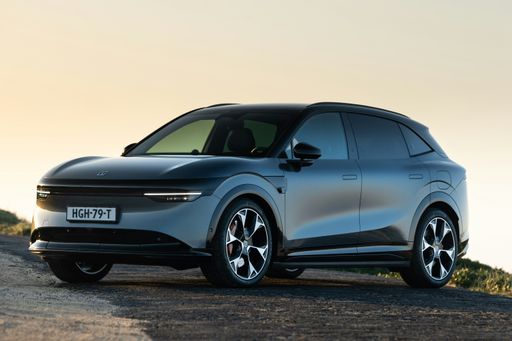
ZEEKR 7X

  • Engine Type : Electric
  • Transmission : Automatic
  • Drive Type : Rear-Wheel Drive, All-Wheel Drive
  • Power HP : 421 - 646 HP
  • Consumption kWh/100km : 17.7 - 19.9 kWh/100km
  • Electric Range : 480 - 615 km

ZEEKR 7X as a suitable alternative to Mazda CX-6e

Today we line up the ZEEKR 7X against the Mazda CX-6e — a clash of tech-forward electric ambition and Mazda’s quietly polished refinement. Expect roomy practicality, electric punch and a few surprising details that could decide which one earns a spot in your garage.

The ZEEKR 7X is a striking entry into the electric vehicle market, blending sleek aesthetics with a promise of cutting-edge technology. Its design exudes modern luxury while offering advanced features tailored for tech-savvy drivers. Positioned as a competitor in the premium electric segment, the 7X aims to deliver a dynamic driving experience alongside eco-friendly credentials.

Quick data check: ZEEKR 7X

  • only slightly cheaper
  • marginally lighter
  • substantially more power
  • marginally more efficient
  • clearly more electric range
  • considerably quicker 0–100 km/h
  • a bit more trunk space
from £30,000
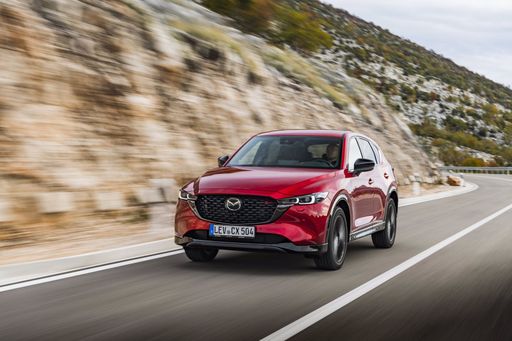
CX-5

Mazda CX-5

  • Engine Type : Petrol MHEV
  • Transmission : Automatic
  • Drive Type : Front-Wheel Drive, All-Wheel Drive
  • Power HP : 141 HP
  • Consumption L/100km : 7 - 7.4 L/100km

Mazda CX-5 as a suitable alternative to Mazda CX-6e

The trusted Mazda CX-5 takes on the new, electrified Mazda CX-6e in a straight-up duel of everyday usability, driving feel and running costs. We drive them back-to-back to see which one gives you the sharper handling, smarter packaging and better value for your money — and which is just prettier on the driveway.

The Mazda CX-5 blends elegant, athletic styling with a surprisingly engaging driving character, turning routine trips into small, satisfying adventures. Inside it feels thoughtfully built and comfortable, offering sensible practicality and a premium feel that punches above its price.

Quick data check: Mazda CX-5

  • clearly more power
  • noticeably quicker 0–100 km/h
  • clearly cheaper
  • clearly lighter
  • slightly more trunk space
from £43,700
CX-60

Mazda CX-60

  • Engine Type : Plugin Hybrid, Diesel MHEV
  • Transmission : Automatic
  • Drive Type : All-Wheel Drive, Rear-Wheel Drive
  • Power HP : 200 - 327 HP
  • Consumption L/100km : 3.8 - 5.2 L/100km
  • Electric Range : 63 km

Mazda CX-60 as a suitable alternative to Mazda CX-6e

Comparing the Mazda CX-60 and Mazda CX-6e puts two of Mazda’s mid-size crossover offerings head-to-head to see which suits your needs best. I’ll focus on styling, interior quality, powertrain choices, driving dynamics and running costs so you can pick the smarter choice for daily use and long-term ownership.

The Mazda CX-60 pairs sculpted, understated looks with poised handling and a cabin that punches above its class, making long drives feel unexpectedly civilized. For buyers who want a premium feel without the showroom swagger, it's the sort of car that earns respect quietly — and still manages a wink when you push on.

Quick data check: Mazda CX-60

  • only slightly cheaper
  • clearly more electric range
  • markedly more power
  • clearly quicker 0–100 km/h
  • moderately lighter
  • slightly more trunk space
from £34,300
Model Y

Tesla Model Y

  • Engine Type : Electric
  • Transmission : Automatic
  • Drive Type : All-Wheel Drive, Rear-Wheel Drive
  • Power HP : 299 - 460 HP
  • Consumption kWh/100km : 12.7 - 16.2 kWh/100km
  • Electric Range : 534 - 657 km

Tesla Model Y as a suitable alternative to Mazda CX-6e

The Tesla Model Y and Mazda CX-6e represent two distinct takes on the modern electric SUV: Tesla focuses on range, software and charging convenience, while Mazda emphasizes refinement, build quality and a more traditional driving feel. This comparison will help you weigh the Model Y’s performance and ecosystem against the CX-6e’s comfort, craftsmanship and everyday usability.

The Tesla Model Y is a tech‑forward family SUV that marries blistering efficiency with enormous interior space, calm motorway manners and the obvious convenience of Tesla’s charging ecosystem and over‑the‑air updates. Its minimalist, screen‑centric cabin and rather firm ride — plus limited rear visibility and the absence of Apple CarPlay/Android Auto — are trade‑offs that will bother buyers who prioritise comfort or traditional ergonomics.

Quick data check: Tesla Model Y

  • clearly cheaper
  • considerably more power
  • clearly more efficient
  • visibly more electric range
  • significantly quicker 0–100 km/h
  • moderately lighter
  • substantially more trunk space
from £36,800
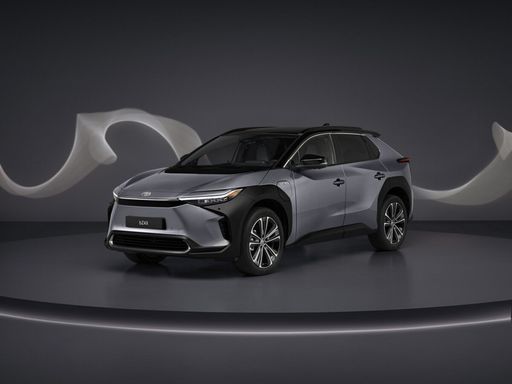
bZ4X

Toyota bZ4X

  • Engine Type : Electric
  • Transmission : Automatic
  • Drive Type : Front-Wheel Drive, All-Wheel Drive
  • Power HP : 167 - 380 HP
  • Consumption kWh/100km : 13.5 - 16.6 kWh/100km
  • Electric Range : 444 - 591 km

Toyota bZ4X as a suitable alternative to Mazda CX-6e

Comparing the Toyota bZ4X and Mazda CX-6e highlights two different takes on the electric crossover: Toyota’s practical, reliability-focused approach versus Mazda’s more premium, driver-oriented take. I’ll run through range and charging, interior and tech, driving dynamics, and running costs so you can decide which EV suits your priorities.

The Toyota bZ4X is a fresh, roomy electric crossover that pairs Toyota’s trademark reliability with bold, angular styling and a cabin designed for everyday comfort. It may not chase headlines like some flashier rivals, but for buyers who want sensible electric motoring with practical packaging and a relaxed, confident ride, it’s an easy, pleasant choice.

Quick data check: Toyota bZ4X

  • barely more trunk space
  • moderately cheaper
  • visibly more power
  • markedly more efficient
  • a bit more electric range
  • significantly quicker 0–100 km/h
  • somewhat lighter
DriveDuel uses data analysis and artificial intelligence to evaluate vehicle data and create content. Content is regularly reviewed and improved. The displayed prices are estimates based on German list prices, adjusted to the respective country’s VAT. Country-specific registration taxes are not included. This information is not legally binding.