Deutschland
 France
 Nederland
 Great Britain
 Sverige
 Danmark
 Suomi
Suomi Italia
 Polska
 Česko
Česko España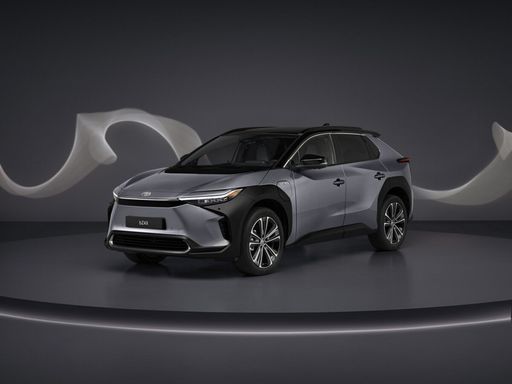
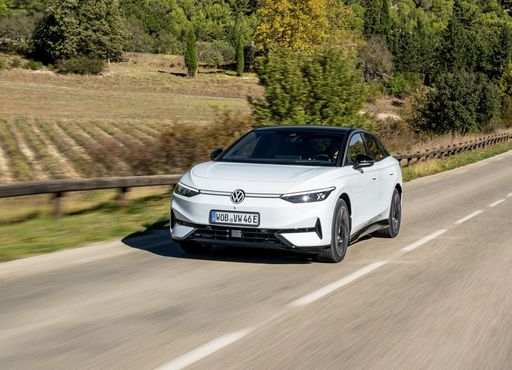
VW ID.7
VW ID.7 as a suitable alternative to Toyota bZ4X
Toyota’s bZ4X and Volkswagen’s ID.7 are different answers to the electric car question: the bZ4X is a compact SUV with straightforward Toyota practicality, while the ID.7 is a long-range, aerodynamically efficient electric sedan aimed at comfort and motorway miles. This comparison cuts through the specs to help you decide which suits your real-life needs. Quick verdict - Pick the Toyota bZ4X if you want an easy-to-live-with SUV: higher seating position, a simpler and robust layout, lower entry price and the kind of Toyota ownership experience many buyers trust. - Pick the VW ID.7 if you prioritise long-range highway efficiency, a more premium cabin and advanced EV tech for long trips — you’ll pay more, but you get a refined, roomy cruiser. Main differences at a glance - Body type and packaging: bZ4X is a compact crossover (SUV stance); ID.7 is a full-size electric sedan with a long wheelbase and big boot. Expect more upright seating and small-SUV practicality from the Toyota, and more rear-legroom and luggage space for the VW. - Range and efficiency: the ID.7 is designed for long-distance efficiency and typically offers substantially longer range figures in comparable trims; the bZ4X gives a decent everyday range but is aimed more at urban and mixed-use buyers. - Charging: the VW generally supports faster DC charging and better high-speed charging efficiency, so recharging on motorway runs is quicker and more convenient with the ID.7. The bZ4X covers the basics well but is slower at peak DC rates. - Interior and tech: the bZ4X uses a simpler, driver-friendly layout and durable materials; the ID.7 feels more premium, quieter and more high-tech, with larger screens and more advanced infotainment/assist features. - Driving character: bZ4X — SUV comfort, higher ride height, composed but not sporty; ID.7 — sedan-like stability, very efficient at speed, and more refined NVH for long journeys. - Ownership: Toyota’s reputation for reliability and strong resale works in the bZ4X’s favour, while VW’s ID.7 offers class-leading comfort and sophistication but may cost more to buy and maintain. Practical details to consider - Space: If you regularly carry taller passengers, need easy rear-seat access or prefer SUV visibility, the bZ4X wins. If rear-seat legroom and trunk volume for long trips matter most, the ID.7’s long-wheelbase packaging is an advantage. - Everyday usability: bZ4X’s simplicity means fewer intrusive software quirks; physical controls where they count and straightforward menus. ID.7 layers in more connected services and software-driven features — useful, but check your tolerance for software updates and touch controls. - Charging and trip planning: For frequent motorway driving or long-distance trips, the ID.7’s faster charging and superior efficiency reduce overall trip time. For mostly town and commuting use with occasional longer drives, the bZ4X is perfectly capable. - Performance: Both offer single-motor rear- or front-drive and dual-motor AWD options across markets; if brisk acceleration or a sportier character matters, look for higher-spec ID.7 trims or dual-motor variants. - Safety & driver assistance: Both manufacturers fit extensive ADAS as standard/option. Toyota’s Toyota Safety Sense is proven and straightforward; VW’s IQ.Drive/Travel Assist is feature-rich and tends to be more advanced on motorway automation in certain markets. - Running costs & incentives: Check local prices, EV incentives and WLTP/EPA ranges — the ID.7’s higher efficiency and range can lower charging costs per mile for heavy-mileage owners, but the bZ4X’s lower purchase cost can be better for shorter-range or budget-conscious buyers. Ownership realities - Resale & reliability: Toyota’s brand image and simplicity generally support stronger resale and a conservative reliability profile. The bZ4X had some early-model recall activity (check used-car service history) — make sure any vehicle you consider has had recall work completed. - Dealer and service network: Toyota’s wide dealer network is a plus for easy servicing. VW offers strong dealer support too, but service and repair costs for a more complex, higher-tech car may be higher over time. Who should choose which? - Choose the Toyota bZ4X if: you want SUV practicality and visibility, prefer simpler, tried-and-tested systems, expect mostly city and mixed driving, and value lower initial cost and Toyota ownership peace of mind. - Choose the VW ID.7 if: you do a lot of motorway miles, want the longest practical range and fastest on-route charging, value a quieter, more premium cabin and advanced tech for long-distance comfort, and are okay paying a higher upfront price. What to check on a test drive - For both: test real-world range expectations, try a long-ish motorway stretch to judge comfort and NVH, and test charging from a public fast charger to see real charging speed. - For the bZ4X: sit high, check rear-seat headroom, and confirm that interior materials and switches suit your taste. - For the ID.7: evaluate rear legroom and trunk access, check the clarity and usability of the infotainment, and experience the higher-speed cruise/assist systems. Bottom line Both cars make sense as electric family transport but for different priorities: bZ4X for SUV practicality, simplicity and Toyota ownership; ID.7 for long-range efficiency, motorway comfort and a more premium EV experience. Decide whether your typical driving is town/mixed (bZ4X) or long-distance/highway (ID.7), then take both for realistic test drives before you buy.
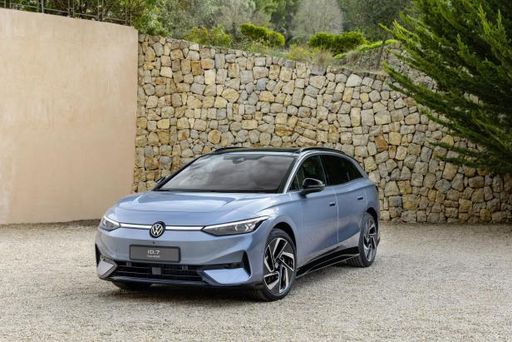
VW ID.7 arrives as Volkswagen's electric grand tourer, pairing a low-slung, aerodynamic silhouette with a calm, understated interior that prioritizes comfort and space. It’s a sensible choice for buyers who want a relaxed, high-tech cruiser that covers motorway miles with poise rather than bravado.