Hyundai Ioniq 3 in Europe: Orders Begin at 28,950 Euros – What Buyers Need to Know

Hyundai's new compact electric car, the Ioniq 3, is now available to order in Germany. The Select line starts at €28,950 and includes a 42 kWh battery. There is an option for a 61 kWh battery, allowing for up to 497 km according to the WLTP standard. We provide an overview of the different models, features, and how it stands in comparison to competitors.

Hyundai Ioniq 3 in Europe: Orders Begin at 28,950 Euros – What Buyers Need to Know

Now Available for Order: Ioniq 3 Starting at 28,950 Euros

Hyundai opens the order books: The new Ioniq 3 starts in Germany at 28,950 Euros in the Select trim line. With this, the Koreans clearly position their compact electric car for the European mass market – focusing on practical range, solid equipment, and a starting price under 30,000 Euros.

At market launch, there are two battery options, several trim lines, and a clear tech promise: an aerodynamically optimized "Aero-Hatch" design, a proven corporate platform, and a package of assistance and comfort features that aims to make everyday life easier right from the base model.
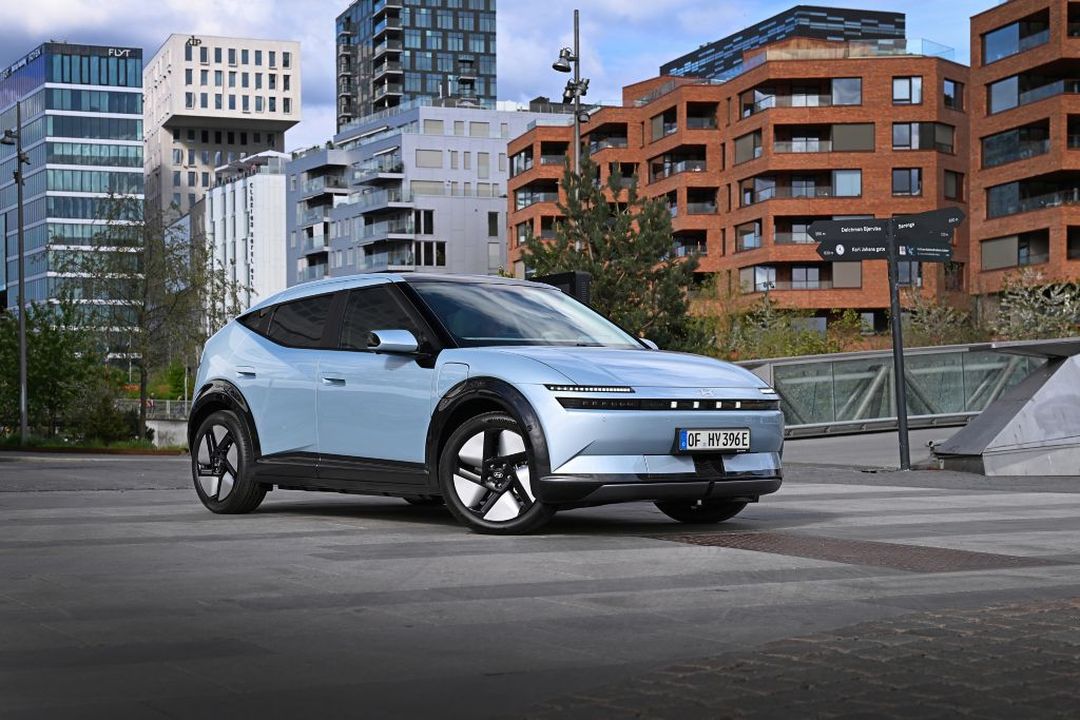
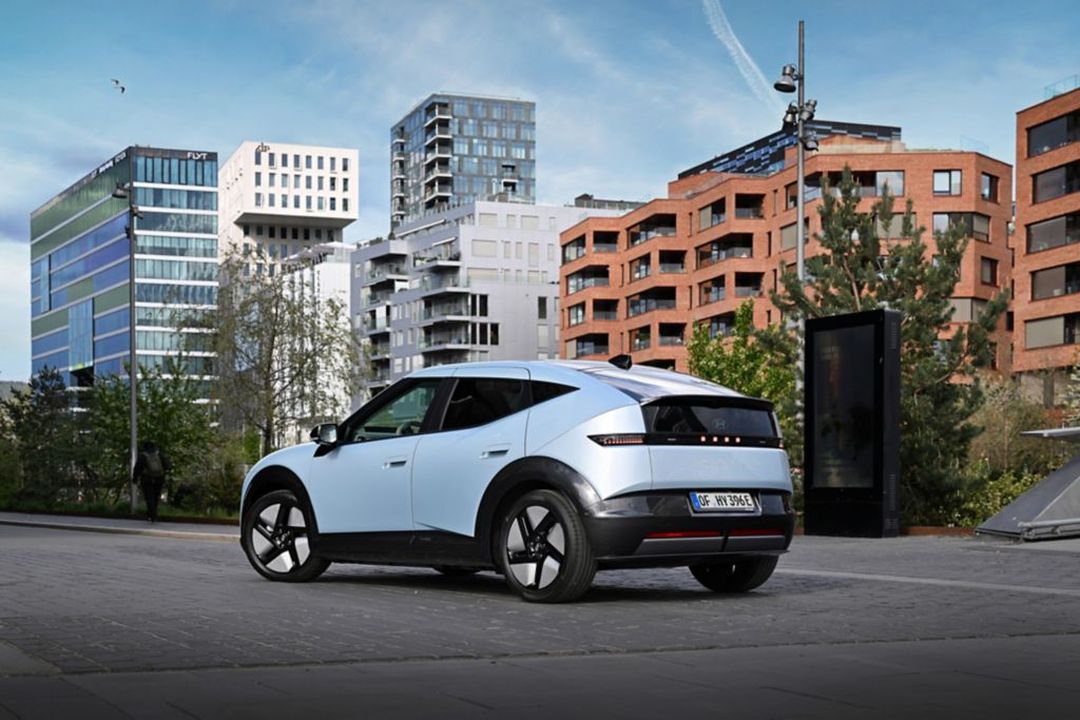
hyundai-ioniq-3-design-technology-001

Variants and Prices: Select, Trend, Prime, N Line, N Line Evo

The Ioniq 3 starts as a Select model priced at 28,950 Euros with a 42-kWh battery. Alternatively, the Select model can be equipped with a larger 61-kWh battery for an additional 4,000 Euros, bringing the price to 32,950 Euros. Above this are other lines: Trend (from 31,950 Euros), N Line (from 39,650 Euros), Prime (from 40,950 Euros), and N Line Evo (from 42,450 Euros).

Important for planning: The larger 61-kWh battery is available in all equipment lines. The smaller 42-kWh battery is only offered in the Select and Trend lines. As an option, Hyundai offers an Electric Comfort Package for the Select model, including a heat pump and Type 2 charging cable (11 kW), for 1,000 Euros.

Power and Range: 108 kW or 99 kW, up to 497 km WLTP

In the base model (Select with 42 kWh), the Ioniq 3 features front-wheel drive and delivers a total power of 108 kW. This gives it a WLTP range of 344 km. For those considering longer trips, the 61 kWh battery is the choice: Hyundai claims it can reach up to 497 km WLTP – combined with a powertrain designed for 99 kW, which is aimed at enhancing efficiency.

In practical terms, this means that commuters with a daily city and suburban driving pattern will do well with the 42 kWh and 108 kW setup; frequent travelers will benefit from the 61 kWh battery and greater range reserve. The Ioniq 3 is based on the group-wide E-GMP platform in a 400-volt architecture – practically designed for cost and efficiency advantages.

Standard Equipment: Daily Functionality with Minimal Extra Cost

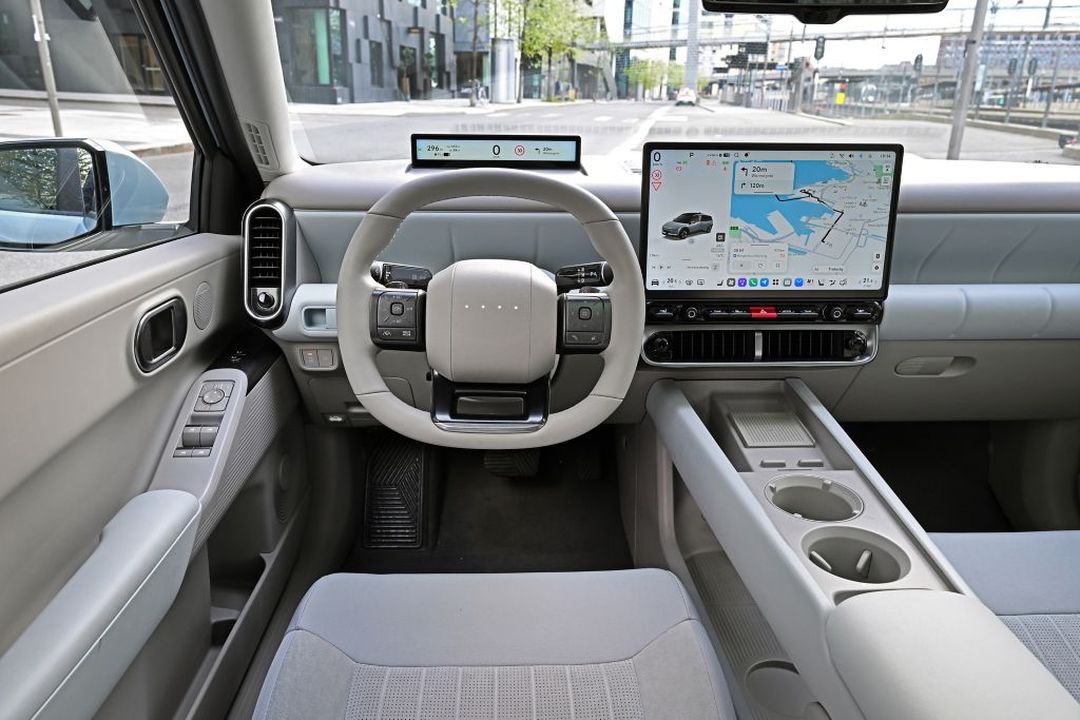
Even the Select variant comes with numerous comfort and safety features: full LED headlights, front and rear parking sensors, a rearview camera, a smart key system, dual-zone climate control, a blind spot monitor, an autonomous emergency braking assistant 2.0, and a 12.9-inch touchscreen with Bluelink connectivity.

For those frequently driving in colder conditions, it's worth considering the optional electric comfort package with a heat pump. This helps maintain more consistent energy consumption in winter and preserves driving range in everyday use.

Design and Packaging: "Aero-Hatch" Instead of SUV

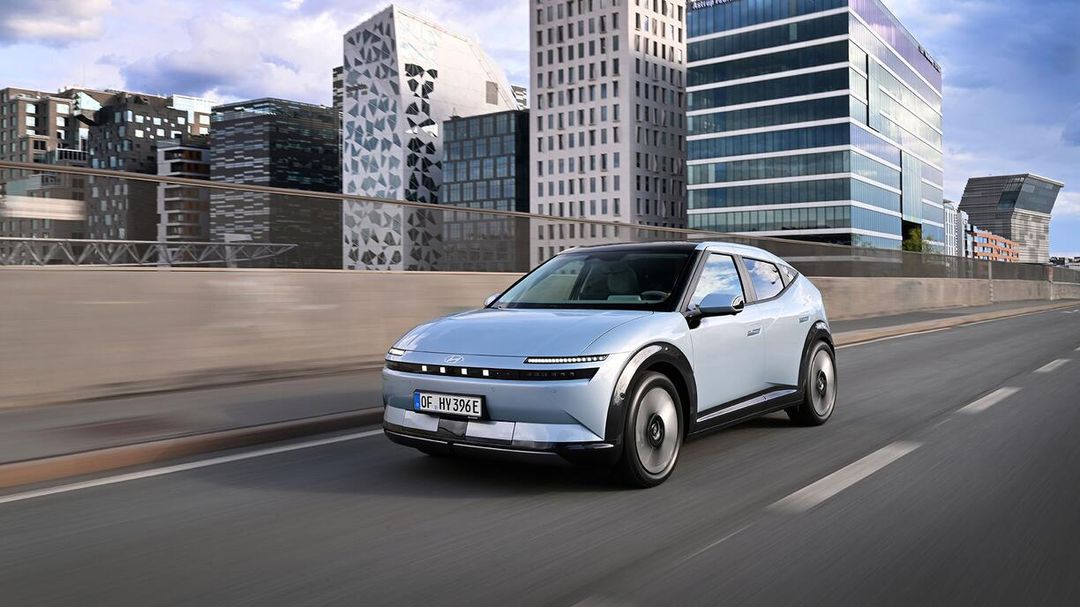
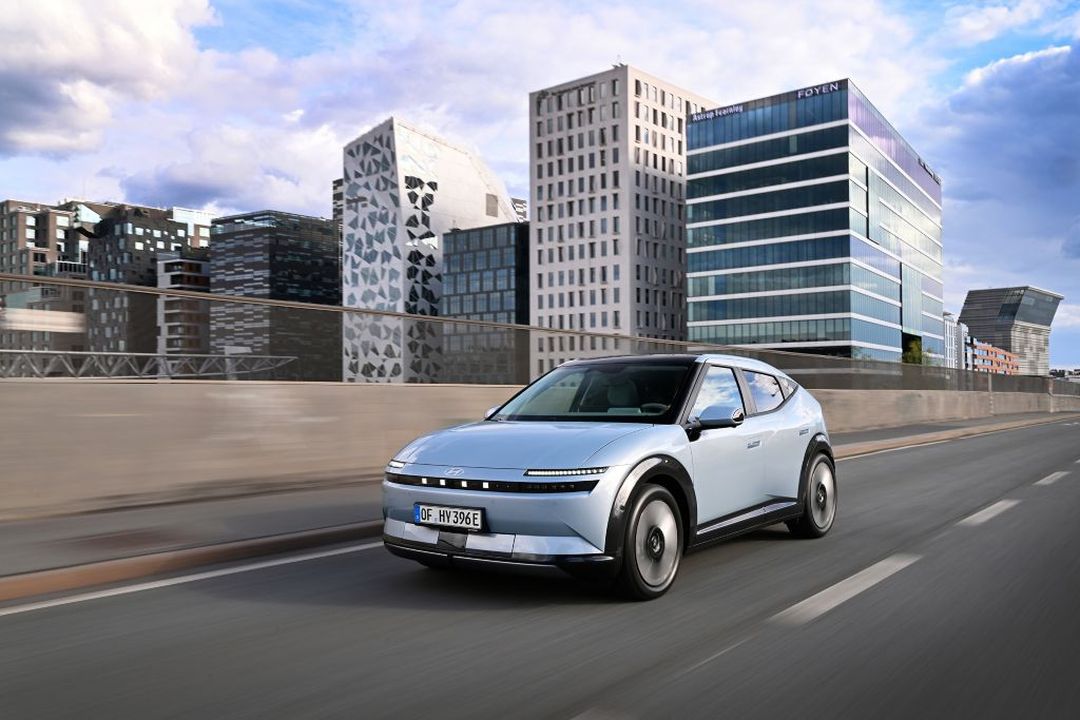
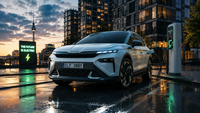
Hyundai is consciously not following the SUV path in the compact segment: The Ioniq 3 is presented as a sleek "Aero-Hatch" - with a long, nearly straight roofline and a gently sloping rear. This contributes to efficiency (a drag coefficient of 0.263) and better utilizes the interior space.

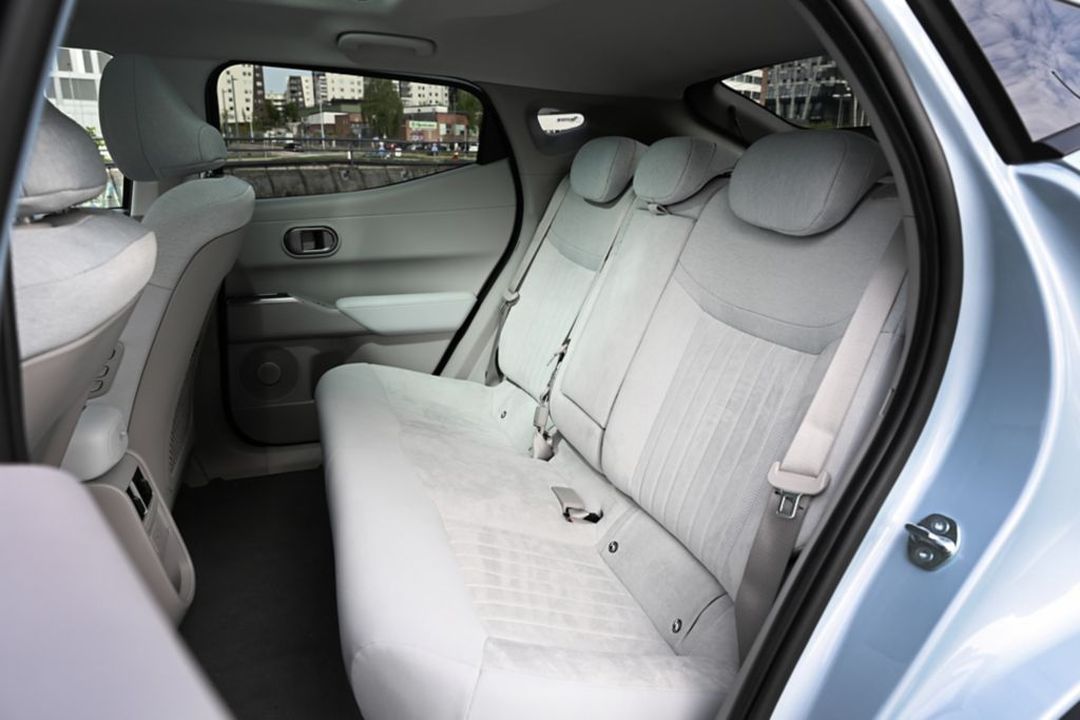
Despite a compact exterior length of 4.15 meters, the rear is expected to noticeably benefit. Visually, the pixel lighting signature remains a recognizable feature of the Ioniq. For buyers, this means that if you don't need the elevated seating position of an SUV, you get space and efficiency in a more classic, aerodynamic form.

Production and Availability: Focus on Europe

The production of the Ioniq 3 for Europe takes place at Hyundai's plant in Izmit, Turkey, with the start of production in August. Hyundai is initially targeting 30,000 vehicles per year for the European market.

For customers in Germany, this is a positive sign: short transport routes and a clear focus on Europe. Hyundai does not specify exact delivery times in the available information – the chosen variant and local demand will be crucial.

Competition and Classification: Up Against Kia EV2 and VW ID.Polo

The Ioniq 3 is entering one of the toughest segments, and it's doing so confidently. Electrives' assessment: Thanks to its more aerodynamic body design, the Ioniq 3 is expected to have an advantage in range over its sibling model, the Kia EV2. Auto Motor und Sport highlights it as a clear competitor to the upcoming VW ID.Polo.

DriveDuel assessment: If price and basic equipment are particularly important to you, the Select line with 42 kWh offers a well-balanced package. For those who frequently cover long distances, the 61 kWh option provides noticeably more range, at the expense of peak performance. The choice between these profiles ultimately depends on your daily routine: daily commute, charging options at home or on the go, and your comfort requirements.

Our Verdict on the Decision

The Ioniq 3 makes it simple: a transparent starting price, clearly tiered battery options, and practical standard features. Its aero-optimized hatch form and 400-volt architecture focus on efficiency and cost-awareness rather than flashy range or charging features.

Not an absolute winner: Those seeking top-notch features and performance may find better options in higher-end models. However, those looking for affordable electric commuting will find the Select model a good choice—ideally with a heat pump. When compared to the Kia EV2 and the upcoming VW ID.Polo, the final decision depends on what feels right for you: focus on range, value for money, or brand loyalty. This is exactly what makes the Ioniq 3 now configurable and available to order.