VS

Toyota bZ4X vs Toyota RAV4 comparison

Compare performance (380 HP vs 306 HP), boot space and price (36,800 £ vs 35,100 £ ) at a glance. Find out which car is the better choice for you – Toyota bZ4X or Toyota RAV4?

Toyota bZ4X vs Toyota RAV4: Key differences

Toyota bZ4X

4.5 (5 Reviews)
rate
  • slightly more power
  • significantly more electric range
  • clearly quicker 0–100 km/h

Toyota RAV4

4.8 (6 Reviews)
rate
  • only slightly cheaper
  • barely lighter
  • noticeably more trunk space

All details on performance, efficiency, range and trunk space can be found in the technical comparison below – including user reviews for both models.

bZ4X

In the ever-evolving automotive landscape, electric vehicles (EVs) are becoming a focal point for manufacturers and consumers alike. Toyota is no stranger to this trend, especially with the release of its first all-electric SUV, the bZ4X, juxtaposed against the popular RAV4, a staple in the hybrid segment. This article delves into a comprehensive comparison between the Toyota bZ4X and the Toyota RAV4, exploring technical aspects, innovations, and overall performance.

RAV4

Performance and Powertrain

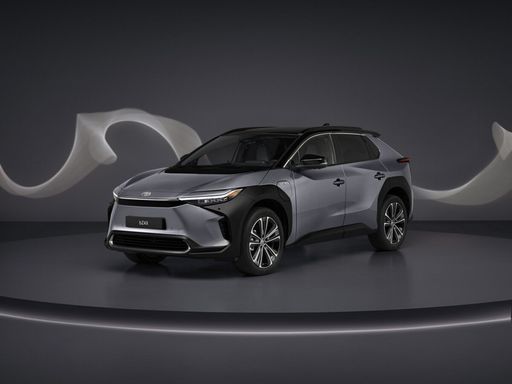
The Toyota bZ4X is engineered with a cutting-edge electric powertrain, available in both front-wheel and all-wheel drive configurations. It boasts a peak power output of 204 hp in its front-wheel-drive variant and 218 hp in its all-wheel-drive version, producing an impressive torque of 265 Nm and 336 Nm respectively. With a consumption rate of 14.4 kWh/100km and an electric range of up to 513 km, the bZ4X emphasizes efficient performance. Notably, it accelerates from 0 to 100 km/h in as fast as 6.9 seconds, hitting a top speed of 160 km/h.

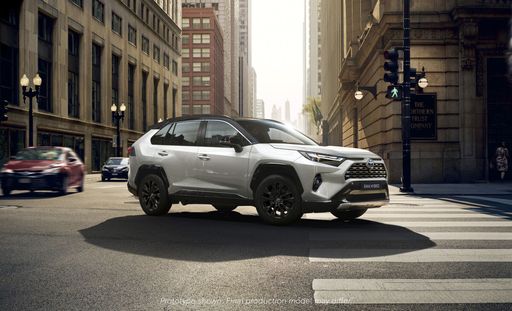
On the other hand, the Toyota RAV4 shines in its hybrid offerings, featuring several variants, including full hybrid and plug-in hybrid options. Its power ranges from 218 hp to 306 hp, depending on the model, with a four-cylinder engine capacity of 2487 cm³. Fuel consumption ranges significantly from just 1 L/100km for the plug-in version to 5.6 L/100km for standard hybrid versions, with CO2 emissions between 22 g/km and 128 g/km. The RAV4’s acceleration from 0 to 100 km/h varies as well, clocking in between 6 and 8.4 seconds, with a slightly higher max speed of 180 km/h.


bZ4X

Design and Dimensions

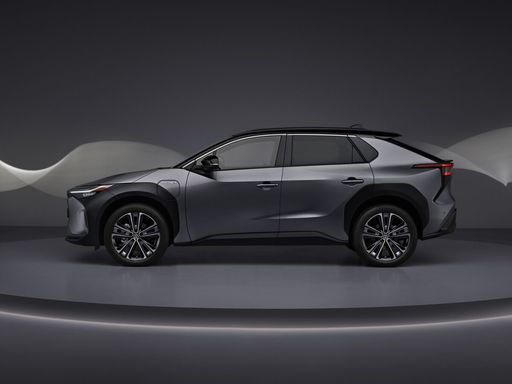
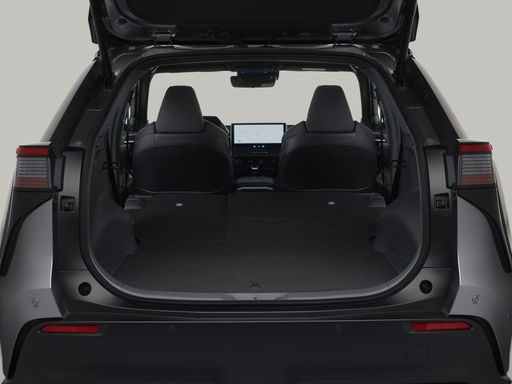
Both vehicles embody the quintessential SUV design but differ in dimensions and aesthetics. The bZ4X measures 4690 mm in length, 1860 mm in width, and 1600 mm in height, offering a modern and futuristic exterior that's typical of electric vehicles. It features a spacious trunk capacity of 452 liters, allowing ample cargo space.

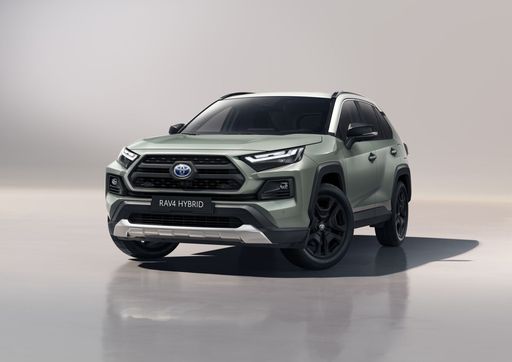
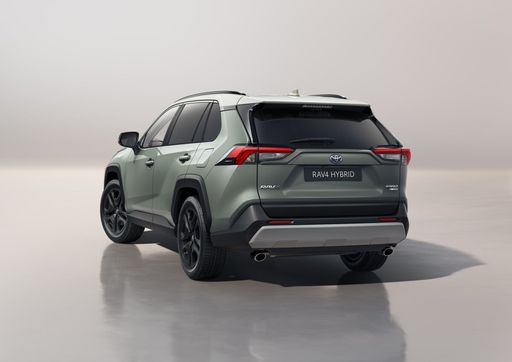
In contrast, the RAV4 is slightly smaller, measuring 4600 mm in length, 1855 mm in width, and 1685 mm in height. However, it compensates with a larger trunk capacity, ranging from 520 to 580 liters depending on the variant. The RAV4’s rugged SUV design includes more traditional styling compared to the avant-garde look of the bZ4X, appealing to a broader spectrum of consumers.

RAV4

Technology and Innovations

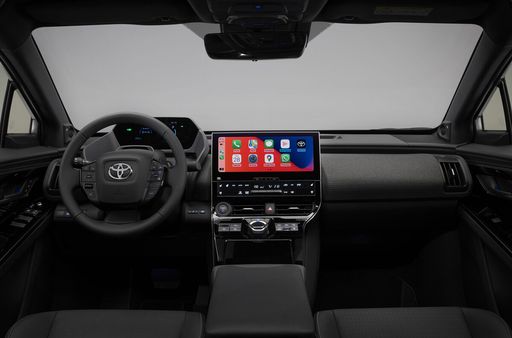
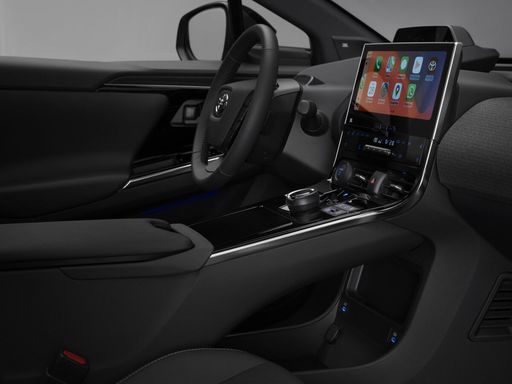
Toyota has not skimped on technology in either of these vehicles. The bZ4X is equipped with Toyota's latest infotainment systems and driver-assistance features, including advanced safety technology powered by the Toyota Safety Sense suite. This electric SUV also includes innovations such as over-the-air updates, ensuring that its software remains current and efficient.

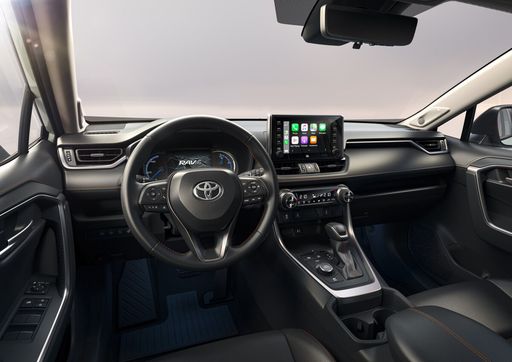
The RAV4, while slightly older in terms of its hybrid technology, still boasts a wealth of modern features. It also includes Toyota Safety Sense, advanced connectivity options, and an intuitive infotainment system. The plug-in hybrid version of the RAV4 takes the tech a step further, allowing shorter trips to be completed purely on electric power, enhancing overall efficiency while minimizing environmental impact.

bZ4X

Environmental Impact and Efficiency

One of the standout features of the bZ4X is its zero emissions, earning it a CO2 efficiency class of A. This represents a significant draw for environmentally conscious consumers. The EV trend is massive, and the bZ4X aligns perfectly with the shift towards sustainable transportation.

The RAV4, while not purely electric, offers competitive emissions for a hybrid vehicle. The plug-in variant achieves commendable low emissions, contributing to a greener footprint. Depending on the variant, the RAV4’s CO2 efficiency class ranges from B to D, making it suitable for those looking for a hybrid solution rather than full electric.

RAV4

Conclusion: Which SUV Fits Your Lifestyle?

Both the Toyota bZ4X and RAV4 bring distinct offerings to the table, catering to different driver needs. The bZ4X appeals to those ready to step into the EV realm with cutting-edge technology and zero emissions. In contrast, the RAV4 remains a versatile choice for hybrid enthusiasts seeking balance, performance, and practicality. Ultimately, your choice will hinge on personal preference, driving habits, and commitment to embracing the future of automotive innovation.

Here’s where it gets real: The technical differences in detail

bZ4X

Costs and Efficiency:

Price and efficiency are key factors when choosing a car – and this is often where the real differences emerge.

Toyota RAV4 is only slightly cheaper – starting at 35,100 £ , while the Toyota bZ4X costs 36,800 £ . That’s a price difference of around 1,714 £.

As for electric range, the Toyota bZ4X offers significantly more range – reaching up to 591 km, about 516 km more than the Toyota RAV4.

RAV4

Engine and Performance:

Power, torque and acceleration are the classic benchmarks for car enthusiasts – and here, some clear differences start to show.

When it comes to engine power, the Toyota bZ4X offers slightly more power – delivering 380 HP compared to 306 HP. That’s roughly 74 HP more horsepower.

When accelerating from 0 to 100 km/h, the Toyota bZ4X is clearly quicker – completing the sprint in 4.4 s, while the Toyota RAV4 takes 6 s. That’s about 1.6 s quicker.

bZ4X

Space and Everyday Use:

Cabin size, boot volume and payload all play a role in everyday practicality. Here, comfort and flexibility make the difference.

Both vehicles offer seating for 5 people.

In terms of curb weight, Toyota RAV4 is barely lighter – 1,745 kg compared to 1,900 kg. The difference is around 155 kg.

Looking at boot space, the Toyota RAV4 offers noticeably more boot space – 580 L compared to 452 L. That’s a difference of about 128 L.

When it comes to payload, the Toyota RAV4 carries only slightly more – 600 kg compared to 565 kg. That’s a difference of about 35 kg.

Who wins the race in the data check?

The Toyota bZ4X stands well ahead of its rival in the objective data comparison.
This result only shows which model scores more points on paper – not which of the two cars feels right for you.

from £36,800
bZ4X

Toyota bZ4X

  • Engine Type : Electric
  • Transmission : Automatic
  • Drive Type : Front-Wheel Drive, All-Wheel Drive
  • Power HP : 167 - 380 HP
  • Consumption kWh/100km : 13.5 - 16.6 kWh/100km
  • Electric Range : 444 - 591 km
Toyota bZ4X
Toyota RAV4

Costs and Consumption

View detailed analysis

Engine and Performance

View detailed analysis

Dimensions and Body

View detailed analysis

Toyota bZ4X

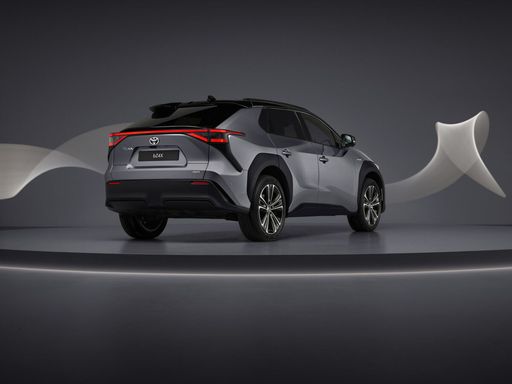
The Toyota bZ4X is a fresh, roomy electric crossover that pairs Toyota’s trademark reliability with bold, angular styling and a cabin designed for everyday comfort. It may not chase headlines like some flashier rivals, but for buyers who want sensible electric motoring with practical packaging and a relaxed, confident ride, it’s an easy, pleasant choice.

details

Toyota RAV4

The Toyota RAV4 feels like a sensible friend on the road, marrying dependable practicality with a dash of SUV personality that keeps daily driving from turning dull. Comfortable and easy to live with, it looks tough without shouting and quietly gets the job done — a sensible pick for buyers who want versatility without drama.

details
Toyota bZ4X
Toyota RAV4

Costs and Consumption

Price
36,800 - 51,000 £
Price
35,100 - 55,700 £
Consumption L/100km
-
Consumption L/100km
1 - 5.6 L/100km
Consumption kWh/100km
13.5 - 16.6 kWh/100km
Consumption kWh/100km
-
Electric Range
444 - 591 km
Electric Range
75 km
Battery Capacity
-
Battery Capacity
-
co2
0 g/km
co2
22 - 128 g/km
Fuel tank capacity
-
Fuel tank capacity
55 L

Dimensions and Body

Body Type
SUV
Body Type
SUV
Seats
5
Seats
5
Doors
-
Doors
5
Curb weight
1,900 - 2,180 kg
Curb weight
1,745 - 1,910 kg
Trunk capacity
452 L
Trunk capacity
520 - 580 L
Length
-
Length
4,600 mm
Width
1,860 mm
Width
1,855 mm
Height
-
Height
1,685 mm
Max trunk capacity
-
Max trunk capacity
1,604 - 1,690 L
Payload
375 - 565 kg
Payload
390 - 600 kg

Engine and Performance

Engine Type
Electric
Engine Type
Full Hybrid, Plugin Hybrid
Transmission
Automatic
Transmission
Automatic
Transmission Detail
Reduction Gearbox
Transmission Detail
CVT
Drive Type
Front-Wheel Drive, All-Wheel Drive
Drive Type
Front-Wheel Drive, All-Wheel Drive
Power HP
167 - 380 HP
Power HP
218 - 306 HP
Acceleration 0-100km/h
4.4 - 8.6 s
Acceleration 0-100km/h
6 - 8.4 s
Max Speed
-
Max Speed
180 km/h
Torque
268 - 338 Nm
Torque
-
Number of Cylinders
-
Number of Cylinders
4
Power kW
123 - 280 kW
Power kW
160 - 225 kW
Engine capacity
-
Engine capacity
2,487 cm3

General

Model Year
2,025 - 2,026
Model Year
2,024 - 2,025
CO2 Efficiency Class
A
CO2 Efficiency Class
D, B
Brand
Toyota
Brand
Toyota
DriveDuel uses data analysis and artificial intelligence to evaluate vehicle data and create content. Content is regularly reviewed and improved. The displayed prices are estimates based on German list prices, adjusted to the respective country’s VAT. Country-specific registration taxes are not included. This information is not legally binding.