
 Deutschland
 France
 Nederland
 Great Britain
 Sverige
 Danmark
 Suomi
Suomi Italia
 Polska
 España
VS
Audi Q4 e-tron vs VW Golf Variant comparison
Compare performance (340 HP vs 333 HP), boot space and price (39,600 £ vs 26,100 £ ) at a glance. Find out which car is the better choice for you – Audi Q4 e-tron or VW Golf Variant?
Q4 e-tron
Costs and Efficiency:
Price and efficiency are often the first things buyers look at. Here it becomes clear which model has the long-term edge – whether at the pump, the plug, or in purchase price.
VW Golf Variant is significantly cheaper – starting at 26,100 £ , while the Audi Q4 e-tron costs 39,600 £ . That’s a price difference of around 13,419 £.
Golf Variant
Engine and Performance:
Under the bonnet, it becomes clear which model is tuned for sportiness and which one takes the lead when you hit the accelerator.
When it comes to engine power, the Audi Q4 e-tron offers very slightly more power – delivering 340 HP compared to 333 HP. That’s roughly 7 HP more horsepower.
When accelerating from 0 to 100 km/h, the VW Golf Variant is somewhat quicker – completing the sprint in 4.8 s, while the Audi Q4 e-tron takes 5.4 s. That’s about 0.6 s quicker.
Looking at top speed, the VW Golf Variant is noticeably faster – reaching 250 km/h, while the Audi Q4 e-tron tops out at 180 km/h. The difference is around 70 km/h.
There’s also a difference in torque: the Audi Q4 e-tron delivers markedly more torque with 679 Nm compared to 420 Nm. That’s about 259 Nm more.
Q4 e-tron
Space and Everyday Use:
Beyond pure performance, interior space and usability matter most in daily life. This is where you see which car is more practical and versatile.
Both vehicles offer seating for 5 people.
In terms of curb weight, VW Golf Variant is clearly lighter – 1,366 kg compared to 2,035 kg. The difference is around 669 kg.
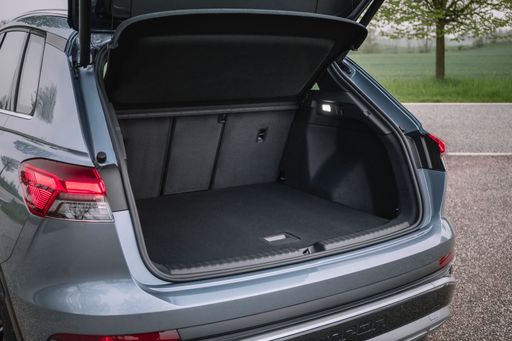
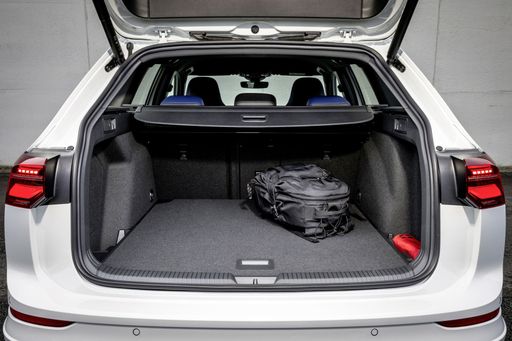
Looking at boot space, the VW Golf Variant offers slightly more boot space – 611 L compared to 535 L. That’s a difference of about 76 L.
For maximum load capacity, the VW Golf Variant offers only slightly more capacity – up to 1,642 L, about 152 L more than the Audi Q4 e-tron.
When it comes to payload, the VW Golf Variant carries marginally more – 547 kg compared to 515 kg. That’s a difference of about 32 kg.
Who wins the race in the data check?
The VW Golf Variant comes out modestly ahead in the objective data comparison.
This result only shows which model scores more points on paper – not which of the two cars feels right for you.
from £26,100
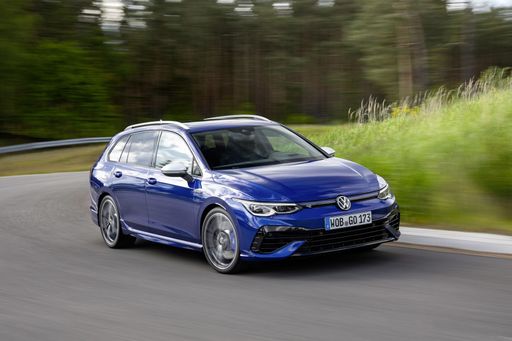
VW Golf Variant
Audi Q4 e-tron
VW Golf Variant
Costs and Consumption
View detailed analysis
View detailed analysis
Engine and Performance
View detailed analysis
View detailed analysis
Dimensions and Body
View detailed analysis
View detailed analysis
Audi Q4 e-tron
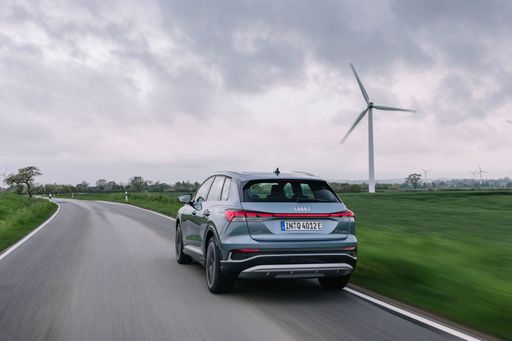
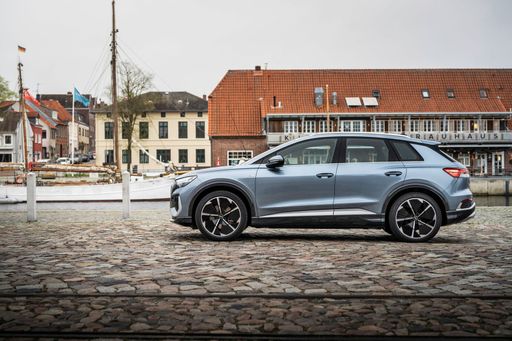
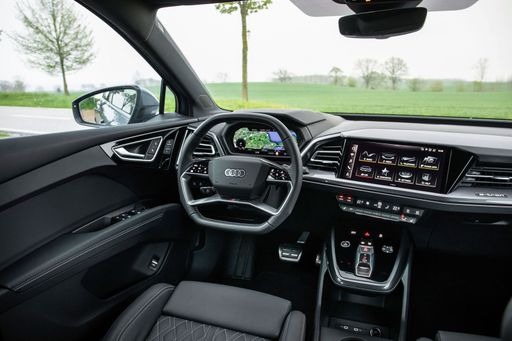
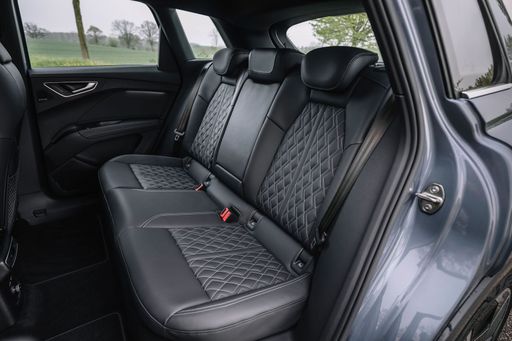
The Audi Q4 e-tron brings Audi polish into the electric crossover scene, pairing a sleek exterior with a refined, airy interior that makes everyday driving feel distinctly premium. It’s an easy-to-live-with EV that balances comfort and real-world usability with intuitive tech, making it a smart choice for buyers who want electric mobility without giving up Audi character — and yes, it still looks good in the driveway.
details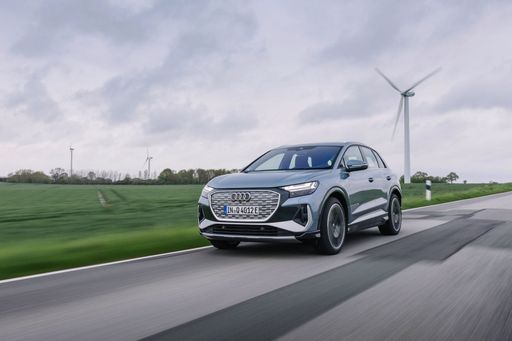
VW Golf Variant
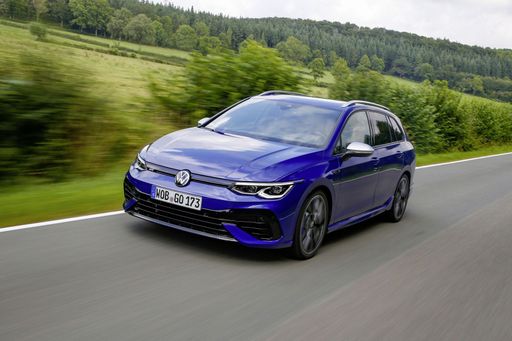
The Golf Estate packs Volkswagen's familiar poise into a practical, grown-up estate that quietly makes everyday life easier without shouting for attention. It's clever, comfortable and roomy enough for weekend kit or family chaos, offering smart packaging and refined manners that make it a sensible and surprisingly stylish choice for buyers who need space but don't want a van.
details
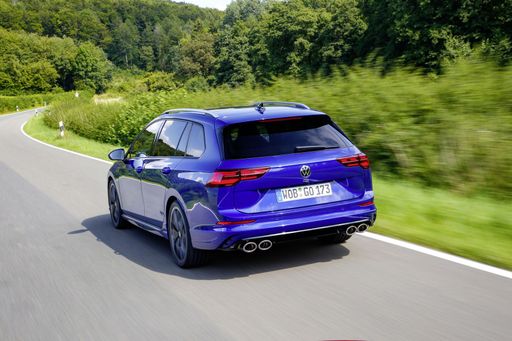
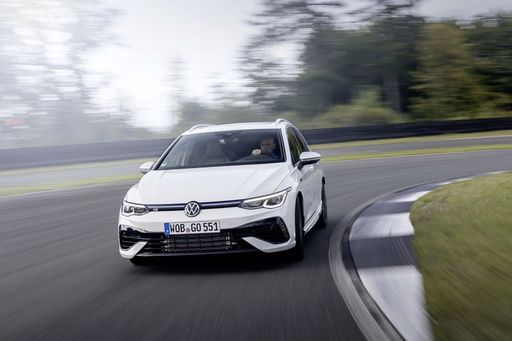
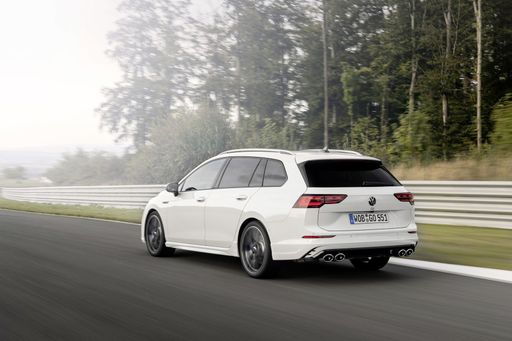
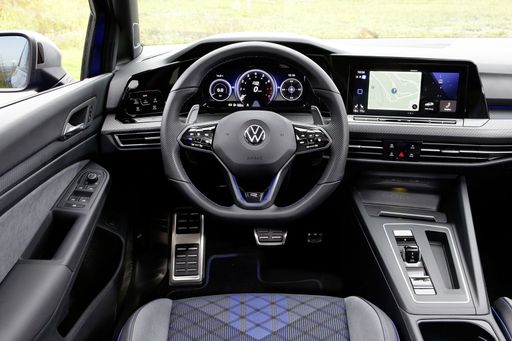
Audi Q4 e-tron
VW Golf Variant
Costs and Consumption |
|
|---|---|
|
Price
39,600 - 58,800 £
|
Price
26,100 - 48,700 £
|
|
Consumption L/100km
-
|
Consumption L/100km
4.3 - 8.2 L/100km
|
|
Consumption kWh/100km
15.9 - 17.4 kWh/100km
|
Consumption kWh/100km
-
|
|
Electric Range
406 - 554 km
|
Electric Range
-
|
|
Battery Capacity
77 kWh
|
Battery Capacity
-
|
|
co2
0 g/km
|
co2
114 - 185 g/km
|
|
Fuel tank capacity
-
|
Fuel tank capacity
45 - 55 L
|
Dimensions and Body |
|
|---|---|
|
Body Type
SUV
|
Body Type
Estate
|
|
Seats
5
|
Seats
5
|
|
Doors
5
|
Doors
5
|
|
Curb weight
2,035 - 2,235 kg
|
Curb weight
1,366 - 1,621 kg
|
|
Trunk capacity
520 - 535 L
|
Trunk capacity
611 L
|
|
Length
4,588 mm
|
Length
4,631 - 4,651 mm
|
|
Width
1,865 mm
|
Width
1,789 mm
|
|
Height
1,614 - 1,632 mm
|
Height
1,462 - 1,487 mm
|
|
Max trunk capacity
1,460 - 1,490 L
|
Max trunk capacity
1,624 - 1,642 L
|
|
Payload
505 - 515 kg
|
Payload
489 - 547 kg
|
Engine and Performance |
|
|---|---|
|
Engine Type
Electric
|
Engine Type
Petrol MHEV, Petrol, Diesel
|
|
Transmission
Automatic
|
Transmission
Automatic, Manuel
|
|
Transmission Detail
Reduction Gearbox
|
Transmission Detail
Dual-Clutch Automatic, Manual Gearbox
|
|
Drive Type
Rear-Wheel Drive, All-Wheel Drive
|
Drive Type
Front-Wheel Drive, All-Wheel Drive
|
|
Power HP
204 - 340 HP
|
Power HP
116 - 333 HP
|
|
Acceleration 0-100km/h
5.4 - 8.1 s
|
Acceleration 0-100km/h
4.8 - 10.5 s
|
|
Max Speed
180 km/h
|
Max Speed
203 - 250 km/h
|
|
Torque
310 - 679 Nm
|
Torque
220 - 420 Nm
|
|
Number of Cylinders
-
|
Number of Cylinders
4
|
|
Power kW
150 - 250 kW
|
Power kW
85 - 245 kW
|
|
Engine capacity
-
|
Engine capacity
1,498 - 1,984 cm3
|
General |
|
|---|---|
|
Model Year
2,023 - 2,025
|
Model Year
2,024 - 2,025
|
|
CO2 Efficiency Class
A
|
CO2 Efficiency Class
D, G, F, C
|
|
Brand
Audi
|
Brand
VW
|
DriveDuel uses data analysis and artificial intelligence to evaluate vehicle data and create content. Content is regularly reviewed and improved.
The displayed prices are estimates based on German list prices, adjusted to the respective country’s VAT. Country-specific registration taxes are not included. This information is not legally binding.