
 Deutschland
 France
 Nederland
 Great Britain
 Italia
 Polska
 España
VS
Audi Q6 e-tron vs Land Rover Range Rover – Differences & prices compared
Compare performance, boot space, consumption and price in one view.
Find out now: which car is the better choice for you – Audi Q6 e-tron or Land Rover Range Rover?
The Audi Q6 e-tron (SUV) comes with a Electric engine and Automatic transmission. In comparison, the Land Rover Range Rover (Off-Roader) features a Diesel MHEV, Plugin Hybrid or Petrol MHEV engine with Automatic transmission.
When it comes to boot capacity, the Audi Q6 e-tron offers 526 L, while the Land Rover Range Rover provides 818 L – depending on how much space you need. If you’re looking for more power, decide whether the 516 HP of the Audi Q6 e-tron or the 615 HP of the Land Rover Range Rover suits your needs better.
In terms of consumption, the values are 15.60 kWh per 100 km for the Audi Q6 e-tron, and 0.80 L for the Land Rover Range Rover.
Price-wise, the Audi Q6 e-tron starts at 54400 £, while the Land Rover Range Rover is available from 121500 £. Compare all the details and find out which model fits your lifestyle best!
Audi Q6 e-tron
The Audi Q6 e-tron represents a significant step forward in the realm of electric vehicles, offering a perfect blend of cutting-edge technology and timeless design. With its spacious interior and advanced infotainment system, it provides both comfort and connectivity for the modern driver. The Q6 e-tron embodies Audi's commitment to sustainability without compromising on performance or luxury.
details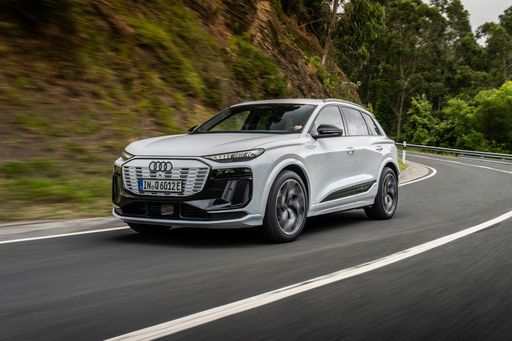 @ audi-mediacenter.com
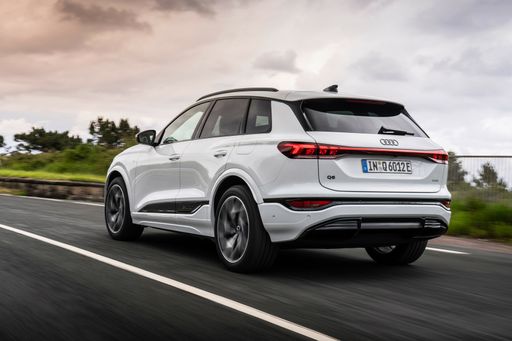 @ audi-mediacenter.com
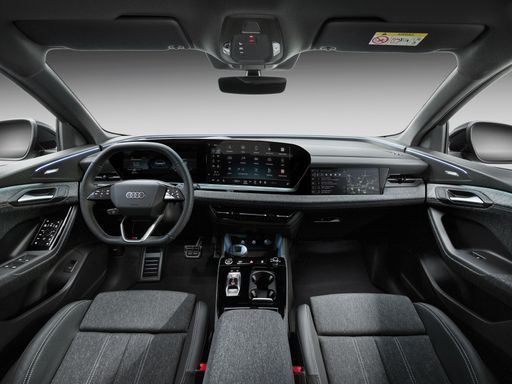 @ audi-mediacenter.com
Land Rover Range Rover
The Land Rover Range Rover epitomises luxury and capability in the realms of off-road vehicles. Its elegant design seamlessly marries sophistication with ruggedness, making it equally suitable for urban environments and challenging terrains. Inside, passengers are treated to a plush interior with premium materials and cutting-edge technology that ensure a comfortable and connected driving experience.
details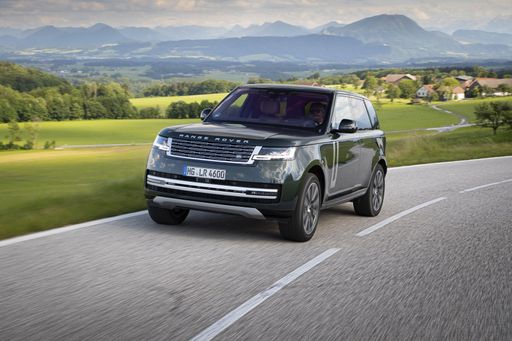 @ media.landrover.com
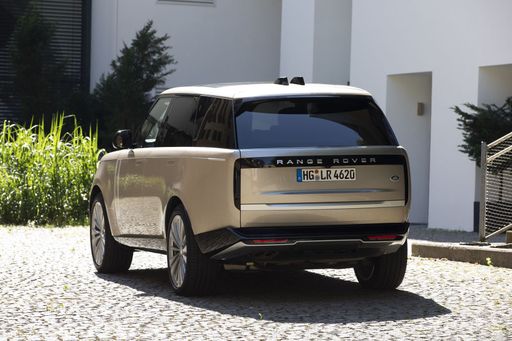 @ media.landrover.com
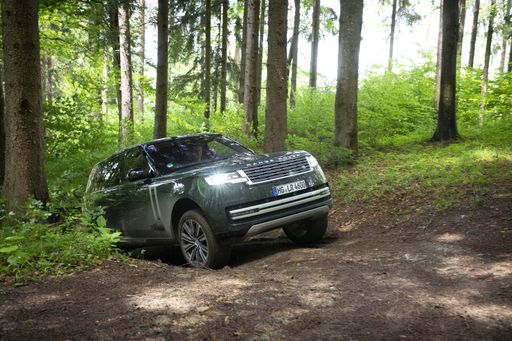 @ media.landrover.com
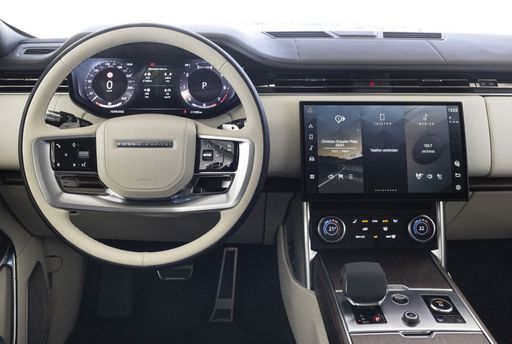 @ media.landrover.com
Audi Q6 e-tron
Land Rover Range Rover
|
|
|
|
|
|
Costs and Consumption |
|
|---|---|
|
Price
54400 - 91900 £
|
Price
121500 - 232500 £
|
|
Consumption L/100km
-
|
Consumption L/100km
0.8 - 12 L
|
|
Consumption kWh/100km
15.6 - 18.9 kWh
|
Consumption kWh/100km
-
|
|
Electric Range
482 - 656 km
|
Electric Range
116 - 117 km
|
|
Battery Capacity
75.8 - 94.9 kWh
|
Battery Capacity
31.80 kWh
|
|
co2
0 g/km
|
co2
17 - 271 g/km
|
|
Fuel tank capacity
-
|
Fuel tank capacity
71 - 90 L
|
Dimensions and Body |
|
|---|---|
|
Body Type
SUV
|
Body Type
Off-Roader
|
|
Seats
5
|
Seats
5 - 7
|
|
Doors
5
|
Doors
5
|
|
Curb weight
2200 - 2425 kg
|
Curb weight
2504 - 2810 kg
|
|
Trunk capacity
499 - 526 L
|
Trunk capacity
212 - 818 L
|
|
Length
4771 mm
|
Length
5052 - 5258 mm
|
|
Width
1939 - 1965 mm
|
Width
2047 mm
|
|
Height
1665 - 1685 mm
|
Height
1870 mm
|
|
Payload
540 kg
|
Payload
589 - 846 kg
|
Engine and Performance |
|
|---|---|
|
Engine Type
Electric
|
Engine Type
Diesel MHEV, Plugin Hybrid, Petrol MHEV
|
|
Transmission
Automatic
|
Transmission
Automatic
|
|
Transmission Detail
-
|
Transmission Detail
Automatikgetriebe
|
|
Drive Type
Rear-Wheel Drive, All-Wheel Drive
|
Drive Type
All-Wheel Drive
|
|
Power HP
292 - 516 HP
|
Power HP
300 - 615 HP
|
|
Acceleration 0-100km/h
4.3 - 7 s
|
Acceleration 0-100km/h
4.5 - 6.6 s
|
|
Max Speed
210 - 230 km/h
|
Max Speed
218 - 261 km/h
|
|
Torque
450 - 855 Nm
|
Torque
650 - 800 Nm
|
|
Number of Cylinders
-
|
Number of Cylinders
6 - 8
|
|
Power kW
215 - 380 kW
|
Power kW
221 - 452 kW
|
|
Engine capacity
-
|
Engine capacity
2997 - 4395 cm3
|
General |
|
|---|---|
|
Model Year
2024 - 2025
|
Model Year
2024
|
|
CO2 Efficiency Class
A
|
CO2 Efficiency Class
G, B
|
|
Brand
Audi
|
Brand
Land Rover
|
Audi Q6 e-tron
Introducing the Audi Q6 e-tron: A Step into the Future of Electrification
The Audi Q6 e-tron marks a significant stride forward in the electric vehicle sector, cementing Audi's commitment to innovation and sustainability. This state-of-the-art SUV combines luxury, performance, and cutting-edge technology, catering to the eco-conscious driver without compromising on power or style.
Design Meets Functionality
The Audi Q6 e-tron showcases a sleek design aesthetic common in the Audi lineage. With a length of 4771 mm, it strikes an imposing presence on the road, combining practicality with sophisticated styling. It features a spacious interior that comfortably seats five and offers a generous boot capacity of 514 to 526 litres, making it perfect for both everyday commutes and longer journeys.
Advanced Powertrain Options
The Audi Q6 e-tron comes with a variety of powertrain configurations, reflecting the brand's push towards greater innovation in electric mobility. With a power range between 292 to 516 PS and a torque spread of 450 to 855 Nm, the vehicle promises an engaging driving experience. The electric drivetrain offers two modes of propulsion: rear-wheel drive for more traditional handling and all-wheel drive for enhanced traction under diverse driving conditions.
Efficiency Meets Performance
In terms of efficiency, the Audi Q6 e-tron competes strongly, leveraging advanced battery technology to deliver a range between 482 and 637 kilometres on a single charge, depending on the model. Consumption averages between 16.2 to 18.9 kWh per 100 km, showcasing Audi's commitment to minimal environmental impact. The model's CO2 efficiency class stands at A, highlighting its eco-friendly credentials.
Innovative Technology and Features
The Q6 e-tron is equipped with a host of innovative technologies that enhance both comfort and ultimate control. The vehicle is characterised by Audi’s virtual cockpit, offering intuitive infotainment controls along with a premium sound system. Safety and driver assistance systems are state-of-the-art, incorporating adaptive cruise control, lane assist, and park assist, ensuring peace of mind on every journey.
Acceleration and Speed
A performance enthusiast's dream, the Q6 e-tron accelerates from 0 to 100 km/h in an impressive 4.3 to 7 seconds, contingent on model specification. It boasts a top speed of 210 to 230 km/h, providing the thrilling dynamics typical of Audi's high-performance vehicles.
Electric Vehicle Infrastructure
With varying battery capacities from 75.8 to 94.9 kWh, the Q6 e-tron supports fast charging, making long-distance journeys more feasible than ever before. The advanced energy recuperation system further enhances battery efficiency, maximising range and reducing charging downtime.
A Cost-Effective Investment
The Audi Q6 e-tron presents not just a vehicle but a viable economic investment over the long haul. With a cost structure that spans €63,500 to €104,800, along with monthly running costs ranging from €1,426 to €2,038, it balances premium quality with a sustainable economic footprint.
Conclusion: A New Era of Driving
The Audi Q6 e-tron represents a new chapter in the evolution of electric SUVs, marrying performance with sustainability. As the industry moves toward a greener future, Audi drives forward with innovative design and groundbreaking technology, ensuring that the Q6 e-tron is not just a vehicle but a visionary statement for the future.
Land Rover Range Rover
An Icon of British Engineering
The Land Rover Range Rover remains a distinguished symbol of luxury and performance in the world of four-wheel drives. As one of the icons of British automotive engineering, the Range Rover continually pushes the boundaries of what an SUV can achieve, offering unparalleled off-road capability. Let's delve into some of the technical details and innovations that make this vehicle stand out.
Powertrains and Performance
The latest Range Rover models offer a striking range of powertrains, including diesel mild-hybrid, plug-in hybrid, and petrol mild-hybrid options. Power output ranges from a robust 300 PS for the diesel variant to a staggering 615 PS for the top-end petrol model. Additionally, the hybrid models offer impressive fuel efficiency with consumption figures as low as 0.8 L/100 km, coupled with an electric range of over 100 km, thanks to a battery capacity of 31.8 kWh.
Innovative Hybrid Technology
Embracing the future of sustainable mobility, the plug-in hybrid models of the Range Rover are engineered to deliver seamless power distribution and enhanced efficiency. The hybrid system intelligently combines a traditional combustion engine with electric technology to reduce emissions, achieving CO2 figures as low as 20 g/km. This innovation positions the Range Rover at the forefront of eco-friendly luxury SUVs.
Impressive Off-Road Capability
Despite its luxury status, the Range Rover remains a rugged off-road performer. Its all-wheel-drive system is enhanced by the latest Terrain Response technology, which adapts the vehicle’s settings to the driving environment, ensuring optimal performance on various terrains. Whether you're navigating city streets or embarking on a countryside adventure, the Range Rover excels in providing a smooth and controlled drive.
Luxurious Interior and Comfort
If class and comfort are what you seek, the Range Rover's interior will not disappoint. With options ranging from 5 to 7 seats, premium materials, and a plethora of customisation options, the cabin exudes sophistication. Every detail is designed to enhance the driving experience, from advanced infotainment systems to highly customisable seating arrangements.
Advanced Safety Features
Modern safety technologies are embedded throughout the Range Rover, providing peace of mind on every journey. Equipped with adaptive cruise control, lane-keeping assist, and a comprehensive suite of airbags, this vehicle prioritises the safety of its occupants without compromising on luxury or performance.
Conclusion
With its perfect blend of power, efficiency, and luxury, the Land Rover Range Rover stands as a testament to continuous innovation in automotive design. Whether for urban commuting or off-road excursions, its technical prowess ensures an unparalleled driving experience that truly sets it apart in the premium SUV segment.
The prices and data displayed are estimates based on German list prices and may vary by country. This information is not legally binding.