VS

Audi Q6 e-tron vs XPeng G9 comparison

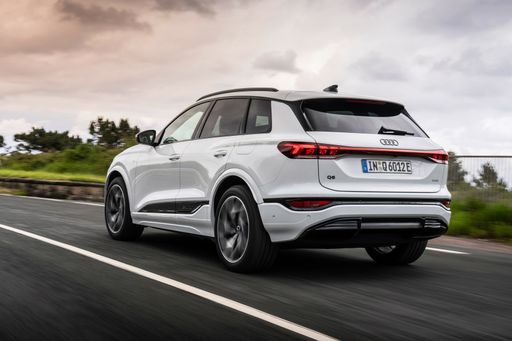
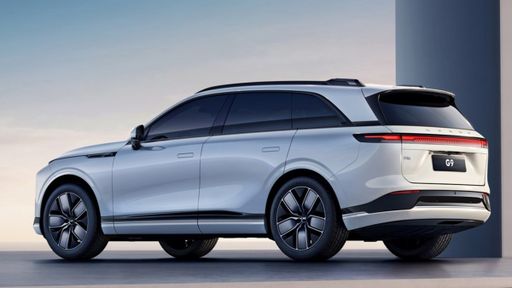
Compare performance (490 HP vs 575 HP), boot space and price (54,400 £ vs 51,100 £ ) at a glance. Find out which car is the better choice for you – Audi Q6 e-tron or XPeng G9?

Audi Q6 e-tron vs XPeng G9: Key differences

Audi Q6 e-tron

4.6 (4 Reviews)
rate
  • a bit more efficient
  • somewhat more electric range
  • only slightly lighter

XPeng G9

4.7 (4 Reviews)
rate
  • barely cheaper
  • slightly more power
  • only slightly quicker 0–100 km/h
  • visibly more trunk space

All details on performance, efficiency, range and trunk space can be found in the technical comparison below – including user reviews for both models.

Q6 e-tron

Introduction: A Clash of Electric Titans

The electric vehicle market continues to ignite the automotive industry with innovative designs and advanced technologies. The latest contenders in the EV SUV segment are Audi’s Q6 e-tron and XPeng’s G9. Both vehicles promise an exhilarating driving experience, but how do they stack up against each other? This comparison delves into their technical specifications, innovations, and overall performance to help you decide which electric SUV reigns supreme.
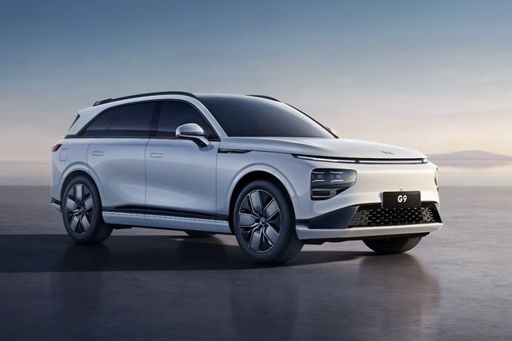
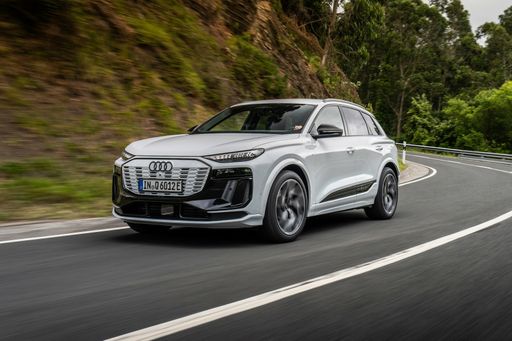
G9

Powertrains and Performance

The Audi Q6 e-tron presents off various configurations, offering power outputs ranging from 292 to a staggering 516 HP, depending on the model. It provides options for both rear-wheel drive and all-wheel drive, allowing drivers to choose between efficiency and performance. With a 0-100 km/h acceleration time as quick as 4.3 seconds, it's clear that the Q6 e-tron is built for speed.

In contrast, the XPeng G9 features two power variants with outputs of 313 HP and a robust 551 HP. The G9 also excels in acceleration with a blistering time of just 3.9 seconds for the higher power variant. Both vehicles utilize automatic transmission with a reduction gearbox for a smooth driving experience.

Q6 e-tron

Battery and Electric Range

Battery technology is crucial for any electric vehicle, and both the Q6 e-tron and G9 shine in this department. The Audi Q6 e-tron offers battery capacities between 75.8 kWh and 94.9 kWh, presenting an impressive electric range of up to 656 km on a single charge for its most efficient versions. This sets a high standard for long-distance travel.

The XPeng G9, with its battery capacity peaking at 93.1 kWh, offers a commendable electric range of up to 570 km, making it a viable option for daily use and extended trips. However, it does lag behind Audi's maximum range capabilities.

G9

Consumption and Efficiency

When it comes to energy efficiency, the Audi Q6 e-tron maintains an edge with consumption figures that dip as low as 15.6 kWh/100 km. Its energy-efficient design places it in a favorable position for eco-conscious buyers.

The XPeng G9, however, has a higher consumption level of around 19.4 kWh/100 km, which may slightly reduce its range efficiency. While still impressive, it demonstrates that the Q6 e-tron perhaps has a more refined aerodynamics and energy management system in place.

Q6 e-tron

Size, Comfort, and Practicality

In terms of dimensions, the Audi Q6 e-tron stretches to 4771 mm in length, while the XPeng G9 is larger at 4891 mm. Both vehicles come with a spacious design catering to five passengers and feature five doors for easy access. The Q6 e-tron's trunk capacity is 526 liters, while the G9 offers a slightly larger cargo space of 660 liters, making it the better choice for families needing extra luggage room.

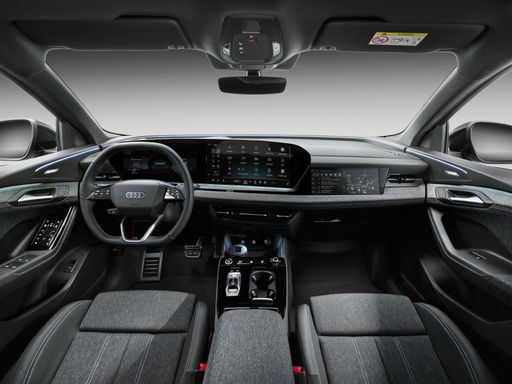
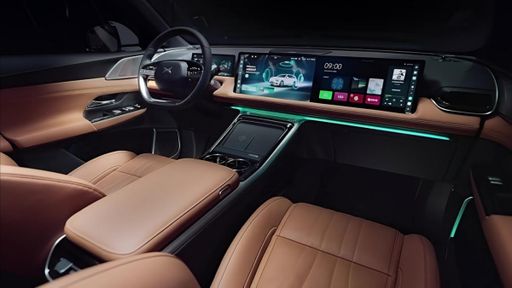
The internal configurations of both cars offer a luxurious feel, but the material quality and tech integration in the Q6 e-tron provide a premium touch. However, XPeng’s intelligent in-car technology and user-friendly interface could appeal to a younger, tech-savvy audience.

G9

Technological Innovations

Both the Q6 e-tron and G9 come equipped with cutting-edge technologies. Audi’s model integrates their latest MMI infotainment system with seamless connectivity options and advanced driver-assistance systems, providing a holistic driving experience.

The XPeng G9 boasts impressive autonomous driving capabilities and innovative features like the Xbot & Notifications, ensuring a futuristic driving environment that involves direct interaction with onboard assistants. Both vehicles retain a level of connectivity that enhances usability, yet XPeng’s offering may provide a more interactive ride.

Conclusion: Which EV Wins?

Choosing between the Audi Q6 e-tron and XPeng G9 boils down to personal preference. The Q6 e-tron excels with its electric range, efficient consumption, and build quality, appealing to traditional luxury SUV enthusiasts. Alternatively, the XPeng G9 impresses with its performance, larger dimensions, and advanced interactive technologies, attracting a modern, tech-forward demographic.

Ultimately, both vehicles represent the future of electric mobility, each bringing unique strengths to the table. As the automotive landscape continues to evolve, so does the competition, making it an exciting time for electric vehicle enthusiasts everywhere.

Here’s where it gets real: The technical differences in detail

Q6 e-tron

Costs and Efficiency:

When it comes to price and running costs, the biggest differences usually appear. This is often where you see which car fits your budget better in the long run.

XPeng G9 is barely cheaper – starting at 51,100 £ , while the Audi Q6 e-tron costs 54,400 £ . That’s a price difference of around 3,343 £.

In terms of energy consumption, the Audi Q6 e-tron is a bit more efficient: consuming 15.6 kWh/100km compared to 18.4 kWh/100km for the XPeng G9. That’s a difference of about 2.8 kWh/100km.

As for electric range, the Audi Q6 e-tron offers somewhat more range – reaching up to 656 km, about 71 km more than the XPeng G9.

G9

Engine and Performance:

Under the bonnet, it becomes clear which model is tuned for sportiness and which one takes the lead when you hit the accelerator.

When it comes to engine power, the XPeng G9 offers slightly more power – delivering 575 HP compared to 490 HP. That’s roughly 85 HP more horsepower.

When accelerating from 0 to 100 km/h, the XPeng G9 is only slightly quicker – completing the sprint in 4.2 s, while the Audi Q6 e-tron takes 4.4 s. That’s about 0.2 s quicker.

There’s also a difference in torque: the Audi Q6 e-tron delivers moderately more torque with 855 Nm compared to 695 Nm. That’s about 160 Nm more.

Q6 e-tron

Space and Everyday Use:

Beyond pure performance, interior space and usability matter most in daily life. This is where you see which car is more practical and versatile.

Both vehicles offer seating for 5 people.

In terms of curb weight, Audi Q6 e-tron is only slightly lighter – 2,200 kg compared to 2,210 kg. The difference is around 10 kg.

Looking at boot space, the XPeng G9 offers visibly more boot space – 660 L compared to 526 L. That’s a difference of about 134 L.

When it comes to payload, the Audi Q6 e-tron carries marginally more – 540 kg compared to 520 kg. That’s a difference of about 20 kg.

Who wins the race in the data check?

The XPeng G9 is narrowly ahead in the objective data comparison.
This result only shows which model scores more points on paper – not which of the two cars feels right for you.

from £51,100
G9

XPeng G9

  • Engine Type : Electric
  • Transmission : Automatic
  • Drive Type : Rear-Wheel Drive, All-Wheel Drive
  • Power HP : 351 - 575 HP
  • Consumption kWh/100km : 18.4 - 20.1 kWh/100km
  • Electric Range : 502 - 585 km
Audi Q6 e-tron
XPeng G9

Costs and Consumption

View detailed analysis

Engine and Performance

View detailed analysis

Dimensions and Body

View detailed analysis

Audi Q6 e-tron

The Audi Q6 e-tron balances sleek, coupe-like styling with a roomy, upscale interior that feels modern without being showy. It delivers refined electric performance and smart tech that make daily driving effortless — the sort of EV that might make petrolheads grudgingly admit they fancy the future.

details

XPeng G9

The XPeng G9 feels like a confident leap into the electric SUV world, with sleek, purposeful styling and an interior that mixes modern tech with everyday comfort. On the road it’s calm and composed, serving up effortless pace and hushed refinement that turns long commutes into something you might actually enjoy — a strong pick for buyers who want electric convenience without compromise.

details
Audi Q6 e-tron
XPeng G9

Costs and Consumption

Price
54,400 - 82,500 £
Price
51,100 - 62,200 £
Consumption L/100km
-
Consumption L/100km
-
Consumption kWh/100km
15.6 - 18.4 kWh/100km
Consumption kWh/100km
18.4 - 20.1 kWh/100km
Electric Range
529 - 656 km
Electric Range
502 - 585 km
Battery Capacity
75.8 - 94.9 kWh
Battery Capacity
-
co2
0 g/km
co2
0 g/km
Fuel tank capacity
-
Fuel tank capacity
-

Dimensions and Body

Body Type
SUV
Body Type
SUV
Seats
5
Seats
5
Doors
5
Doors
-
Curb weight
2,200 - 2,425 kg
Curb weight
2,210 - 2,395 kg
Trunk capacity
499 - 526 L
Trunk capacity
660 L
Length
4,771 mm
Length
-
Width
1,939 - 1,965 mm
Width
1,937 mm
Height
1,665 - 1,685 mm
Height
-
Max trunk capacity
1,361 - 1,529 L
Max trunk capacity
-
Payload
540 kg
Payload
515 - 520 kg

Engine and Performance

Engine Type
Electric
Engine Type
Electric
Transmission
Automatic
Transmission
Automatic
Transmission Detail
Reduction Gearbox
Transmission Detail
Reduction Gearbox
Drive Type
Rear-Wheel Drive, All-Wheel Drive
Drive Type
Rear-Wheel Drive, All-Wheel Drive
Power HP
252 - 490 HP
Power HP
351 - 575 HP
Acceleration 0-100km/h
4.4 - 7.6 s
Acceleration 0-100km/h
4.2 - 6.6 s
Max Speed
210 - 230 km/h
Max Speed
-
Torque
450 - 855 Nm
Torque
465 - 695 Nm
Number of Cylinders
-
Number of Cylinders
-
Power kW
185 - 360 kW
Power kW
258 - 423 kW
Engine capacity
-
Engine capacity
-

General

Model Year
2,024 - 2,025
Model Year
2,025
CO2 Efficiency Class
A
CO2 Efficiency Class
A
Brand
Audi
Brand
XPeng
DriveDuel uses data analysis and artificial intelligence to evaluate vehicle data and create content. Content is regularly reviewed and improved. The displayed prices are estimates based on German list prices, adjusted to the respective country’s VAT. Country-specific registration taxes are not included. This information is not legally binding.