VS

BMW i5 vs Volvo XC60 comparison

Compare performance (601 HP vs 406 HP), boot space and price (60,800 £ vs 58,300 £ ) at a glance. Find out which car is the better choice for you – BMW i5 or Volvo XC60?

BMW i5 vs Volvo XC60: Key differences

BMW i5

  • noticeably more power
  • considerably more electric range
  • markedly quicker 0–100 km/h
details

Volvo XC60

4.8 (9 Reviews)
rate
  • barely cheaper
  • barely lighter
details

All details on performance, efficiency, range and trunk space can be found in the technical comparison below – including user reviews for both models.

By Achim Sedelmaier

i5

The automotive landscape is rapidly evolving, especially with the growing emphasis on electric vehicles (EVs) and sustainable driving options. In this article, we pit the all-electric BMW i5 against the versatile Volvo XC60, a stylish SUV available with petrol hybrid options. While these two models cater to different segments, they both offer innovative features and remarkable performance.

XC60

A Closer Look at the BMW i5

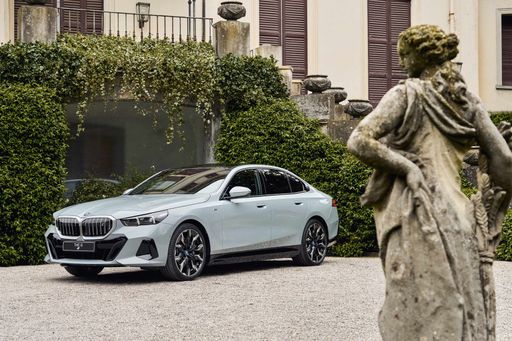
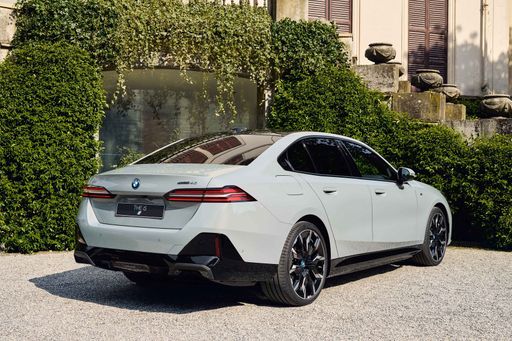
The BMW i5 is a sleek electric sedan that blends performance with luxury. Available in multiple configurations, it boasts four power options ranging from 340 to 601 HP. The i5 is designed for remarkable efficiency, with a low consumption rate of 15.9 to 18.4 kWh/100 km. It is powered by an 81.2 kWh battery, allowing for an impressive electric range of up to 582 km, making it ideal for long-distance travel.

The i5's acceleration is sporty, with the top model sprinting from 0 to 100 km/h in just 3.8 seconds. Its innovative all-wheel-drive system and rear-wheel-drive options enhance handling and driving dynamics. The sedan's maximum speed reaches 230 km/h, underscoring BMW's commitment to performance.

In terms of dimensions, the i5 measures 5060 mm in length, 1900 mm in width, and 1515 mm in height. It offers a generous trunk capacity of 490 liters, ensuring ample storage for daily activities or longer journeys. The refined design is complemented by its CO2 efficiency class of A, emphasizing its environmentally friendly credentials.


i5

The Versatility of the Volvo XC60

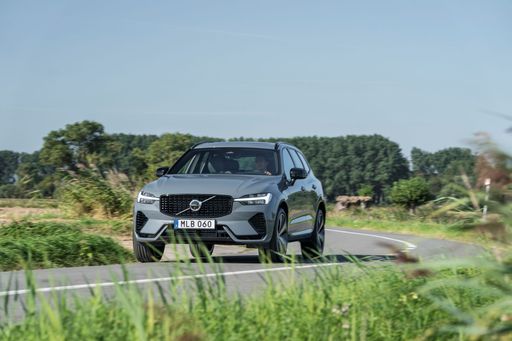
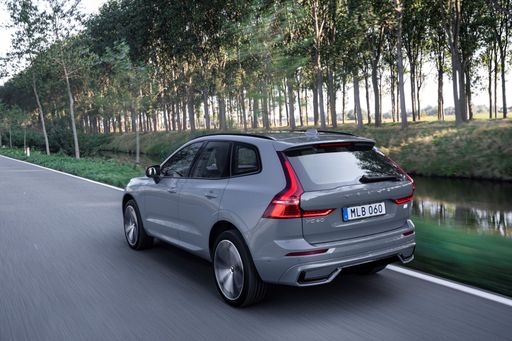
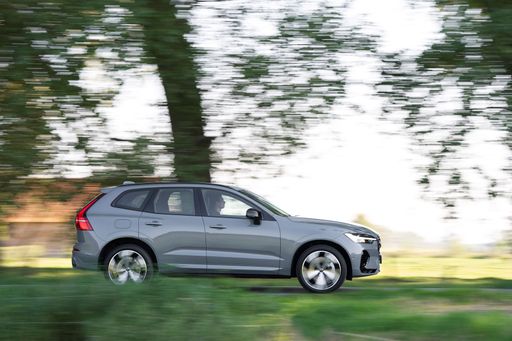
In contrast, the Volvo XC60 is a midsize SUV designed for drivers seeking style, comfort, and versatility. The XC60 offers various powertrains, including petrol MHEV and plug-in hybrid versions, providing outputs from 250 to 455 HP. Its fuel consumption varies from 0.9 to 7.7 L/100 km, showing a great balance between performance and efficiency.

The plug-in hybrid XC60 boasts an electric range of 80 km, with a 14.7 kWh battery for city driving and daily commutes. The vehicle is equipped with advanced safety features, a hallmark of Volvo's reputation, coupled with respectable acceleration figures of 6.9 seconds to 0-100 km/h for the base model.

With a curb weight ranging from 1900 to 2150 kg, the XC60's all-wheel-drive configuration provides excellent traction and control in various driving conditions. Its maximum speed is capped at 180 km/h, which is suitable for everyday driving.

XC60

Comfort and Technology Features

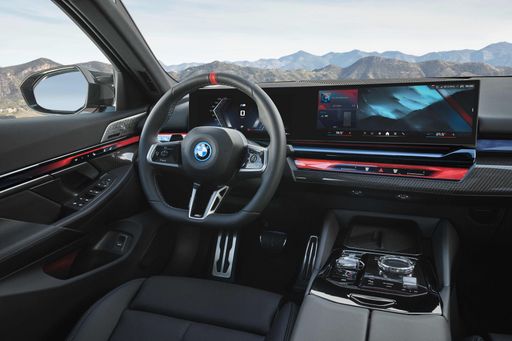
When it comes to interior comfort and technology, both vehicles shine in their own right. The BMW i5 emphasizes a modern, tech-centric approach, with a cutting-edge infotainment system that integrates seamlessly with smartphones and offers various driver-assistance features. The high-quality materials and spacious cabin also contribute to its luxury feel.

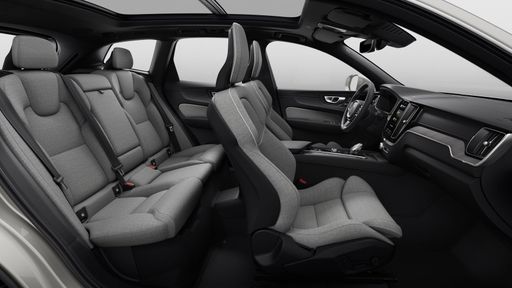
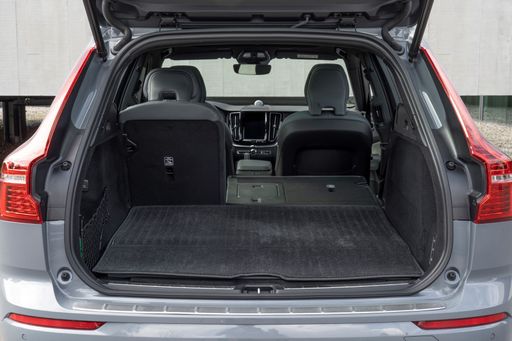
On the other hand, the Volvo XC60 is known for its minimalist Scandinavian design and ergonomic layout. Its safety features, including advanced driver-assistance systems and a spacious interior, make it a thoughtful choice for families. The XC60's infotainment system is intuitive, providing easy access to navigation, entertainment, and vehicle settings.

i5

Final Thoughts: Which One Reigns Supreme?

Choosing between the BMW i5 and the Volvo XC60 boils down to personal preference and driving needs. If you prioritize electric performance, range, and a luxury experience, the BMW i5 is hard to beat with its innovative design and driving dynamics. However, for those looking for versatility, space, and a strong focus on safety, the Volvo XC60 is an excellent option that excels in daily practicality.

Ultimately, both vehicles represent the forefront of automotive innovation, each catering to different types of drivers while ensuring an enjoyable and responsible driving experience.

Here’s where it gets real: The technical differences in detail

i5

Costs and Efficiency:

Price and efficiency are key factors when choosing a car – and this is often where the real differences emerge.

Volvo XC60 is barely cheaper – starting at 58,300 £ , while the BMW i5 costs 60,800 £ . That’s a price difference of around 2,494 £.

As for electric range, the BMW i5 offers considerably more range – reaching up to 627 km, about 548 km more than the Volvo XC60.

XC60

Engine and Performance:

Under the bonnet, it becomes clear which model is tuned for sportiness and which one takes the lead when you hit the accelerator.

When it comes to engine power, the BMW i5 offers noticeably more power – delivering 601 HP compared to 406 HP. That’s roughly 195 HP more horsepower.

When accelerating from 0 to 100 km/h, the BMW i5 is markedly quicker – completing the sprint in 3.8 s, while the Volvo XC60 takes 4.9 s. That’s about 1.1 s quicker.

There’s also a difference in torque: the BMW i5 delivers moderately more torque with 820 Nm compared to 669 Nm. That’s about 151 Nm more.

i5

Space and Everyday Use:

Cabin size, boot volume and payload all play a role in everyday practicality. Here, comfort and flexibility make the difference.

Both vehicles offer seating for 5 people.

In terms of curb weight, Volvo XC60 is barely lighter – 2,150 kg compared to 2,195 kg. The difference is around 45 kg.

When it comes to payload, the BMW i5 carries only slightly more – 545 kg compared to 510 kg. That’s a difference of about 35 kg.

Who wins the race in the data check?

The BMW i5 is decisively ahead in the objective data comparison.
This result only shows which model scores more points on paper – not which of the two cars feels right for you.

from £60,800
i5

BMW i5

  • Engine Type Electric
  • Transmission Automatic
  • Drive Type Rear-Wheel Drive, All-Wheel Drive
  • Power HP 340 - 601 HP
  • Consumption kWh/100km 14.7 - 17.1 kWh/100km
  • Electric Range 540 - 627 km
BMW i5
Volvo XC60

Costs and Consumption

View detailed analysis

Engine and Performance

View detailed analysis

Dimensions and Body

View detailed analysis

BMW i5

The BMW i5 swaps predictable executive-car manners for a confident electric vibe, marrying refined comfort with surprisingly engaging steering. It’s a practical choice that doesn’t feel dull, offering the kind of clean, premium experience that makes commuting feel like a small indulgence.

details

Volvo XC60

The Volvo XC60 blends Scandinavian elegance with a strong focus on occupant safety, delivering a calm, composed ride and a well-crafted, user-friendly cabin. It’s a practical yet premium compact SUV that balances comfort with confident road manners, ideal for buyers who value refinement and everyday usability.

details
BMW i5
Volvo XC60

Costs and Consumption

Price
60,800 - 85,900 £
Price
58,300 - 71,400 £
Consumption L/100km
-
Consumption L/100km
1.6 L/100km
Consumption kWh/100km
14.7 - 17.1 kWh/100km
Consumption kWh/100km
-
Electric Range
540 - 627 km
Electric Range
79 km
Battery Capacity
-
Battery Capacity
-
co2
0 g/km
co2
59 g/km
Fuel tank capacity
-
Fuel tank capacity
-

Dimensions and Body

Body Type
Sedan
Body Type
SUV
Seats
5
Seats
5
Doors
-
Doors
-
Curb weight
2,195 - 2,370 kg
Curb weight
2,150 kg
Trunk capacity
490 L
Trunk capacity
-
Length
-
Length
-
Width
1,900 mm
Width
1,902 mm
Height
-
Height
-
Max trunk capacity
-
Max trunk capacity
-
Payload
525 - 545 kg
Payload
510 kg

Engine and Performance

Engine Type
Electric
Engine Type
Plugin Hybrid
Transmission
Automatic
Transmission
Automatic
Transmission Detail
Reduction Gearbox
Transmission Detail
Automatic Gearbox
Drive Type
Rear-Wheel Drive, All-Wheel Drive
Drive Type
All-Wheel Drive
Power HP
340 - 601 HP
Power HP
335 - 406 HP
Acceleration 0-100km/h
3.8 - 6 s
Acceleration 0-100km/h
4.9 - 5.7 s
Max Speed
-
Max Speed
-
Torque
430 - 820 Nm
Torque
589 - 669 Nm
Number of Cylinders
-
Number of Cylinders
4
Power kW
250 - 442 kW
Power kW
247 - 299 kW
Engine capacity
-
Engine capacity
1,969 cm3

General

Model Year
2,023 - 2,024
Model Year
2026
CO2 Efficiency Class
A
CO2 Efficiency Class
B
Brand
BMW
Brand
Volvo
DriveDuel uses data analysis and artificial intelligence to evaluate vehicle data and create content. Content is regularly reviewed and improved. The displayed prices are estimates based on German list prices, adjusted to the respective country’s VAT. Country-specific registration taxes are not included. This information is not legally binding.