VS

BMW iX vs Audi Q6 e-tron comparison

Compare performance (659 HP vs 490 HP), boot space and price (71,600 £ vs 54,400 £ ) at a glance. Find out which car is the better choice for you – BMW iX or Audi Q6 e-tron?

BMW iX vs Audi Q6 e-tron: Key differences

BMW iX

3.9 (1 Reviews)
rate
  • markedly more power
  • barely more electric range
  • slightly quicker 0–100 km/h

Audi Q6 e-tron

4.9 (3 Reviews)
rate
  • clearly cheaper
  • somewhat more efficient
  • moderately lighter
  • marginally more trunk space

All details on performance, efficiency, range and trunk space can be found in the technical comparison below – including user reviews for both models.

iX

Street Presence and Personality

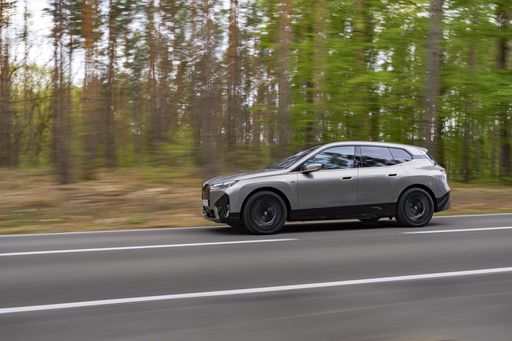
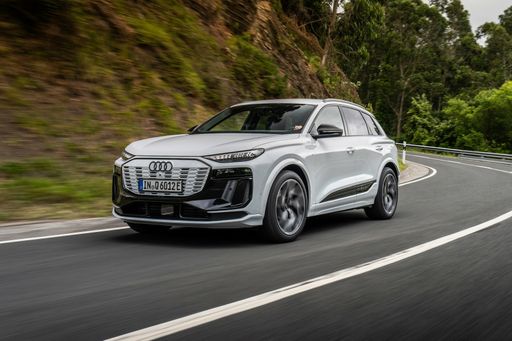
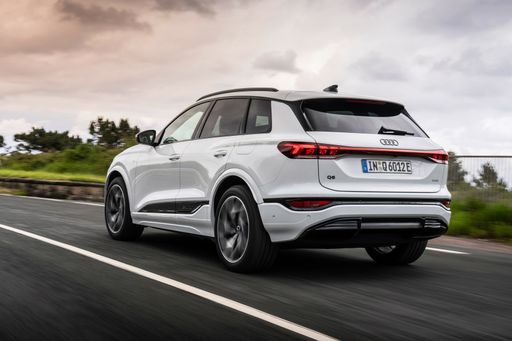
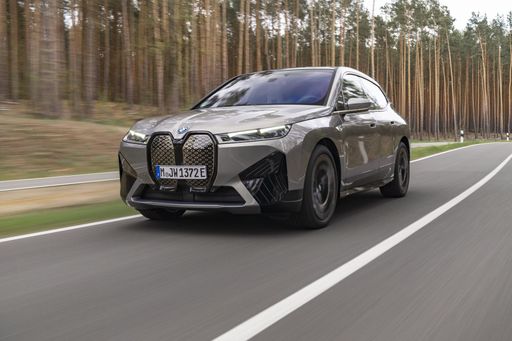
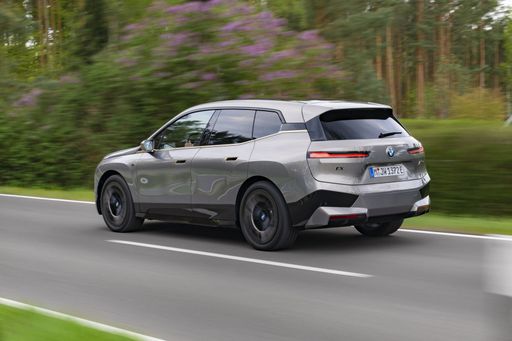
Audi Q6 e-tron arrives with measured confidence, its lines whispering refinement rather than shouting for attention, while the BMW iX prefers drama and theatre with a bolder stance that turns heads. Both feel unmistakably premium, but they project different kinds of status: understated elegance versus unapologetic statement. That contrast tells you immediately who each car is trying to charm before you slide into the cabin.
Q6 e-tron

Behind the Wheel Vibes

On the move the Audi Q6 e-tron leans towards composed, predictable manners that make long stretches feel effortless, wrapping speed in a reassuring blanket of calm. The BMW iX, by contrast, plays a more athletic tune with sharper responses and a sense that it wants to be hustled through twisty back roads. Neither is off-putting; it’s simply a question of whether you want serenity or engagement on your daily run.

iX

Cabin Comfort and Daily Life

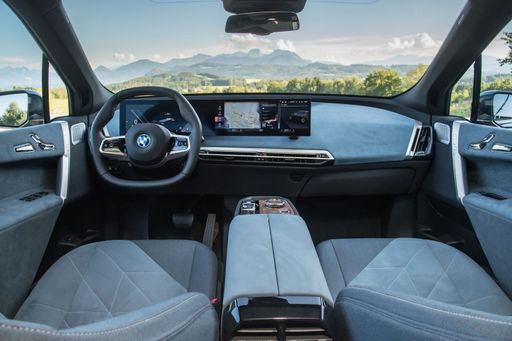
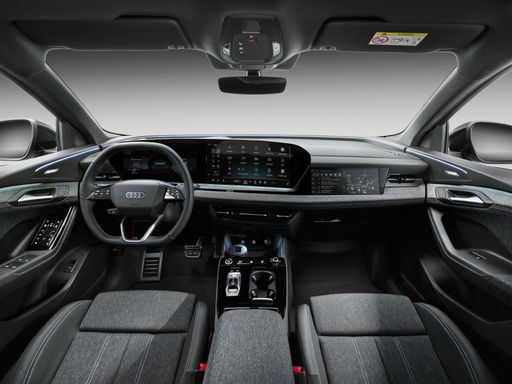
Step inside the Audi Q6 e-tron and you get a clean, breathable interior that prioritises ergonomics and tactile quality, making everyday interactions feel familiar and friendly. The BMW iX throws a more theatrical interior at you, with bold surfaces and an ambiance that feels modern and slightly forward-thinking, which some will call luxurious and others a little polarising. Both cabins are comfortable, but their characters are distinct: soothing and quietly premium versus expressive and futuristic.

Q6 e-tron

Practicality That Fits Real Life

When it comes to real-world usefulness the Audi Q6 e-tron is pragmatic — thoughtful storage, easy ingress and a sense that luggage and shopping fit without drama. The BMW iX also covers all the basics but leans into a more versatile, commanding layout that suits taller drivers and those who value a more elevated driving position. Families and daily commuters will find either capable, but the choice comes down to whether you prioritise tidy practicality or flexible usability with character.

iX

Tech That Helps, Not Hinders

Technology in the Audi Q6 e-tron tends to be executed with clarity and a focus on user-friendliness, so most controls and menus feel logical from day one. The BMW iX brings a richer set of features and a bit more futuristic flair, but that can mean a steeper learning curve before everything feels intuitive. Both are well-equipped for modern life, it's just a matter of whether you prefer straightforward functionality or a feature-packed cockpit that rewards exploration.

Q6 e-tron

Living With It: Ownership and Usability

The Audi Q6 e-tron presents itself as the lower-drama companion for day-to-day ownership, offering a sense of sensible luxury that won’t demand constant babysitting. The BMW iX feels like a halo machine — exciting to own and to be seen in, though it can carry a bit more premium maintenance aura. Either way, buyers should weigh how much showroom theatre they want against the quiet comfort of something more understated.

iX

Which Driver Each Suits

If you’re a commuter or a family buyer who values coherent ergonomics and no-nonsense comfort, the Audi Q6 e-tron will likely sit naturally in your life and routines. If you’re a driver who loves the idea of drama, sharper on-road manners and a tech-forward presentation, the BMW iX is built to scratch that itch. Match your priorities — calm competence versus expressive performance — and the right match becomes clear.

Keep Reading — The DriveDuel Champion Awaits

We’ve laid out personalities, practicality and everyday usability so you can picture either car in your driveway, but the final verdict relies on how those traits line up with your life. Don’t leave yet — the DriveDuel Champion will be revealed after our deeper test and ownership report, so read on to see which contender earns the crown.

Here’s where it gets real: The technical differences in detail

iX

Costs and Efficiency:

Price and efficiency are key factors when choosing a car – and this is often where the real differences emerge.

Audi Q6 e-tron is clearly cheaper – starting at 54,400 £ , while the BMW iX costs 71,600 £ . That’s a price difference of around 17,143 £.

In terms of energy consumption, the Audi Q6 e-tron is somewhat more efficient: consuming 15.6 kWh/100km compared to 17.8 kWh/100km for the BMW iX. That’s a difference of about 2.2 kWh/100km.

As for electric range, the BMW iX offers barely more range – reaching up to 701 km, about 45 km more than the Audi Q6 e-tron.

Q6 e-tron

Engine and Performance:

Under the bonnet, it becomes clear which model is tuned for sportiness and which one takes the lead when you hit the accelerator.

When it comes to engine power, the BMW iX offers markedly more power – delivering 659 HP compared to 490 HP. That’s roughly 169 HP more horsepower.

When accelerating from 0 to 100 km/h, the BMW iX is slightly quicker – completing the sprint in 3.8 s, while the Audi Q6 e-tron takes 4.4 s. That’s about 0.6 s quicker.

There’s also a difference in torque: the BMW iX delivers slightly more torque with 1,015 Nm compared to 855 Nm. That’s about 160 Nm more.

iX

Space and Everyday Use:

Cabin size, boot volume and payload all play a role in everyday practicality. Here, comfort and flexibility make the difference.

Both vehicles offer seating for 5 people.

In terms of curb weight, Audi Q6 e-tron is moderately lighter – 2,200 kg compared to 2,525 kg. The difference is around 325 kg.

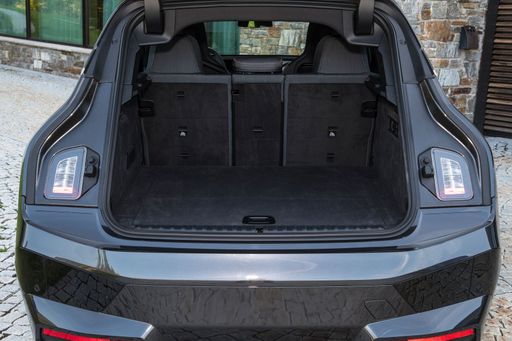
Looking at boot space, the Audi Q6 e-tron offers marginally more boot space – 526 L compared to 500 L. That’s a difference of about 26 L.

When it comes to payload, the BMW iX carries marginally more – 575 kg compared to 540 kg. That’s a difference of about 35 kg.

Who wins the race in the data check?

The BMW iX has the upper hand in the objective data comparison.
This result only shows which model scores more points on paper – not which of the two cars feels right for you.

from £71,600
iX

BMW iX

  • Engine Type : Electric
  • Transmission : Automatic
  • Drive Type : All-Wheel Drive
  • Power HP : 408 - 659 HP
  • Consumption kWh/100km : 17.8 - 20.6 kWh/100km
  • Electric Range : 600 - 701 km
BMW iX
Audi Q6 e-tron

Costs and Consumption

View detailed analysis

Engine and Performance

View detailed analysis

Dimensions and Body

View detailed analysis

BMW iX

The BMW iX arrives like a tech-rich luxury SUV that refuses to shout, offering a serene yet authoritative road presence that suits both city commutes and long-distance cruising. Inside, its minimalist cabin wraps high-quality materials and clever interfaces around a driver-focused layout, making it feel more like a forward-thinking lounge than just another electric appliance — and yes, it still delivers the dynamic driving character you'd expect from a BMW.

details

Audi Q6 e-tron

The Audi Q6 e-tron balances sleek, coupe-like styling with a roomy, upscale interior that feels modern without being showy. It delivers refined electric performance and smart tech that make daily driving effortless — the sort of EV that might make petrolheads grudgingly admit they fancy the future.

details
BMW iX
Audi Q6 e-tron

Costs and Consumption

Price
71,600 - 108,400 £
Price
54,400 - 82,500 £
Consumption L/100km
-
Consumption L/100km
-
Consumption kWh/100km
17.8 - 20.6 kWh/100km
Consumption kWh/100km
15.6 - 18.4 kWh/100km
Electric Range
600 - 701 km
Electric Range
529 - 656 km
Battery Capacity
-
Battery Capacity
75.8 - 94.9 kWh
co2
0 g/km
co2
0 g/km
Fuel tank capacity
-
Fuel tank capacity
-

Dimensions and Body

Body Type
SUV
Body Type
SUV
Seats
5
Seats
5
Doors
-
Doors
5
Curb weight
2,525 - 2,655 kg
Curb weight
2,200 - 2,425 kg
Trunk capacity
500 L
Trunk capacity
499 - 526 L
Length
-
Length
4,771 mm
Width
1,970 mm
Width
1,939 - 1,965 mm
Height
-
Height
1,665 - 1,685 mm
Max trunk capacity
-
Max trunk capacity
1,361 - 1,529 L
Payload
505 - 575 kg
Payload
540 kg

Engine and Performance

Engine Type
Electric
Engine Type
Electric
Transmission
Automatic
Transmission
Automatic
Transmission Detail
Reduction Gearbox
Transmission Detail
Reduction Gearbox
Drive Type
All-Wheel Drive
Drive Type
Rear-Wheel Drive, All-Wheel Drive
Power HP
408 - 659 HP
Power HP
252 - 490 HP
Acceleration 0-100km/h
3.8 - 5.1 s
Acceleration 0-100km/h
4.4 - 7.6 s
Max Speed
-
Max Speed
210 - 230 km/h
Torque
700 - 1,015 Nm
Torque
450 - 855 Nm
Number of Cylinders
-
Number of Cylinders
-
Power kW
300 - 485 kW
Power kW
185 - 360 kW
Engine capacity
-
Engine capacity
-

General

Model Year
2,025
Model Year
2,024 - 2,025
CO2 Efficiency Class
A
CO2 Efficiency Class
A
Brand
BMW
Brand
Audi
DriveDuel uses data analysis and artificial intelligence to evaluate vehicle data and create content. Content is regularly reviewed and improved. The displayed prices are estimates based on German list prices, adjusted to the respective country’s VAT. Country-specific registration taxes are not included. This information is not legally binding.