VS

BMW iX2 vs BYD Sealion 7 comparison

Compare performance (313 HP vs 530 HP), boot space and price (43,700 £ vs 42,800 £ ) at a glance. Find out which car is the better choice for you – BMW iX2 or BYD Sealion 7?

BMW iX2 vs BYD Sealion 7: Key differences

BMW iX2

5 (2 Reviews)
rate
  • markedly more efficient
  • barely more electric range
  • somewhat lighter
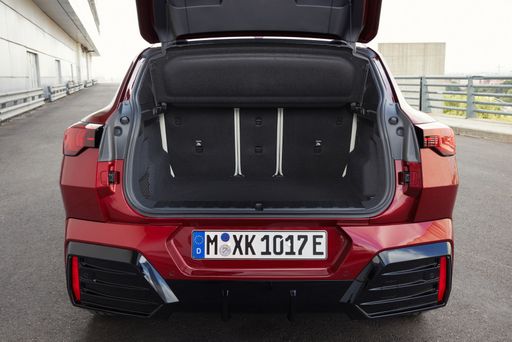
  • very slightly more trunk space
details

BYD Sealion 7

5 (2 Reviews)
rate
  • only slightly cheaper
  • substantially more power
  • clearly quicker 0–100 km/h
details

All details on performance, efficiency, range and trunk space can be found in the technical comparison below – including user reviews for both models.

By Achim Sedelmaier

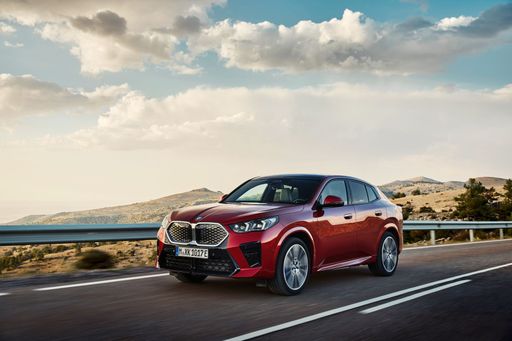
iX2

Head-to-Head: BMW iX2 vs. BYD Sealion 7

In the fast-evolving world of electric SUVs, two compelling contenders have emerged for 2024: the BMW iX2 and the BYD Sealion 7. Both vehicles bring impressive technical prowess, innovative features, and a focus on eco-friendly driving. Let's delve deeper into what sets these electric SUVs apart and which might be the better option for your future driving needs.

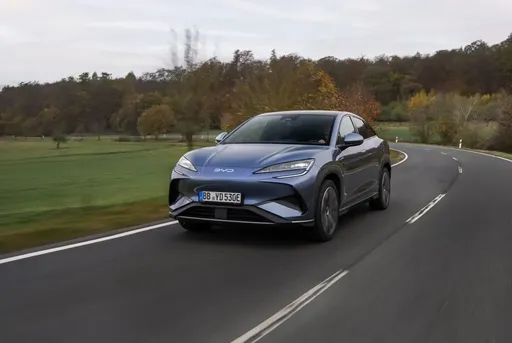
Sealion 7

Performance and Power

The 2024 BMW iX2 offers a dual powertrain choice of 204 HP or 313 HP, with an electric range that spans between 433 km and 459 km. It features a front-wheel drive and an all-wheel-drive system, backed by a smooth automatic transmission with a reduction gearbox. Acceleration is nimble, with 0-100 km/h achieved in either 8.6 seconds or 5.6 seconds depending on the model. Its max speed ranges from 170 to 180 km/h, making it a sprightly companion on the road.

The BYD Sealion 7, on the other hand, pushes boundaries with power outputs ranging from 313 HP to a whopping 530 HP. Its rear-wheel drive and all-wheel-drive options offer flexibility across different terrains, with its electric range reaching up to an impressive 502 km. Acceleration is brisk, with 0-100 km/h in a mere 4.5 seconds for the more powerful variant, coupled with a top speed of 215 km/h.

iX2

Efficiency and Environmental Impact

Both vehicles boast a CO2 efficiency class of A, underscoring their low environmental impact. The iX2 has an energy consumption of 15.9 to 16.9 kWh/100km, while the Sealion 7 rates slightly higher, ranging from 19.9 to 21.9 kWh/100km. Each of these vehicles runs on fully electric powertrains, ensuring zero tailpipe emissions.

Sealion 7

Dimensions and Practicality

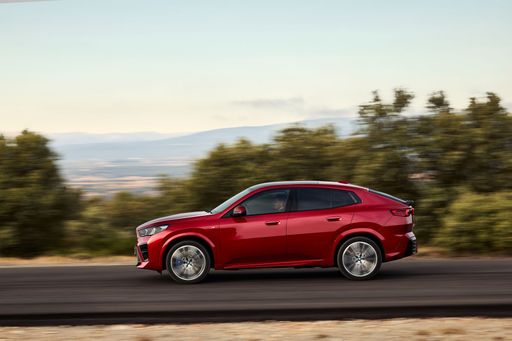
The BMW iX2 is compact, measuring 4554 mm in length, 1845 mm in width, and 1560 mm in height. It offers 525 liters of trunk capacity and a payload of up to 510 kg. With a curb weight starting at 1960 kg, it provides a stable yet agile driving experience.

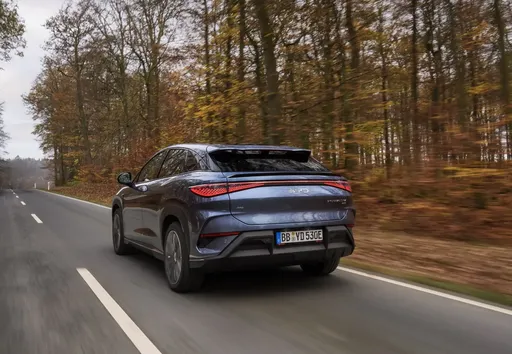
The BYD Sealion 7 stands out with a more spacious profile at 4830 mm in length, 1925 mm in width, and 1620 mm in height. Its trunk space is slightly smaller at 520 liters, with a payload maximum of 410 kg due to its higher curb weight starting at 2225 kg. This generous size enhances its comfort and capacity for passengers and cargo alike.

iX2

Conclusion: Choosing the Right SUV for You

Deciding between the BMW iX2 and the BYD Sealion 7 largely depends on your driving preferences and priorities. The iX2 is more understated, ideal for drivers who value efficiency and smooth city driving. Conversely, the Sealion 7 showcases a powerhouse of performance, perfect for those seeking more vigorous driving dynamics and extended range capabilities.

Ultimately, both SUVs have the potential to redefine the electric vehicle landscape with their 2024 models, bolstered by cutting-edge technology and innovative designs geared towards sustainable driving.

Here’s where it gets real: The technical differences in detail

iX2

Costs and Efficiency:

Looking at overall running costs, both models reveal some interesting differences in everyday economy.

BYD Sealion 7 is only slightly cheaper – starting at 42,800 £ , while the BMW iX2 costs 43,700 £ . That’s a price difference of around 866 £.

In terms of energy consumption, the BMW iX2 is markedly more efficient: consuming 14.4 kWh/100km compared to 19.9 kWh/100km for the BYD Sealion 7. That’s a difference of about 5.5 kWh/100km.

As for electric range, the BMW iX2 offers barely more range – reaching up to 512 km, about 10 km more than the BYD Sealion 7.

Sealion 7

Engine and Performance:

Power, torque and acceleration say a lot about how a car feels on the road. This is where you see which model delivers more driving dynamics.

When it comes to engine power, the BYD Sealion 7 offers substantially more power – delivering 530 HP compared to 313 HP. That’s roughly 217 HP more horsepower.

When accelerating from 0 to 100 km/h, the BYD Sealion 7 is clearly quicker – completing the sprint in 4.5 s, while the BMW iX2 takes 5.6 s. That’s about 1.1 s quicker.

There’s also a difference in torque: the BYD Sealion 7 delivers noticeably more torque with 690 Nm compared to 494 Nm. That’s about 196 Nm more.

iX2

Space and Everyday Use:

Cabin size, boot volume and payload all play a role in everyday practicality. Here, comfort and flexibility make the difference.

Both vehicles offer seating for 5 people.

In terms of curb weight, BMW iX2 is somewhat lighter – 1,960 kg compared to 2,225 kg. The difference is around 265 kg.

Looking at boot space, the BMW iX2 offers very slightly more boot space – 525 L compared to 520 L. That’s a difference of about 5 L.

When it comes to payload, the BMW iX2 carries slightly more – 510 kg compared to 410 kg. That’s a difference of about 100 kg.

Who wins the race in the data check?

The BYD Sealion 7 is clearly superior overall in the objective data comparison.
This result only shows which model scores more points on paper – not which of the two cars feels right for you.

from £42,800
Sealion 7

BYD Sealion 7

  • Engine Type : Electric
  • Transmission : Automatic
  • Drive Type : Rear-Wheel Drive, All-Wheel Drive
  • Power HP : 313 - 530 HP
  • Consumption kWh/100km : 19.9 - 21.9 kWh/100km
  • Electric Range : 456 - 502 km
BMW iX2
BYD Sealion 7

Costs and Consumption

View detailed analysis

Engine and Performance

View detailed analysis

Dimensions and Body

View detailed analysis

BMW iX2

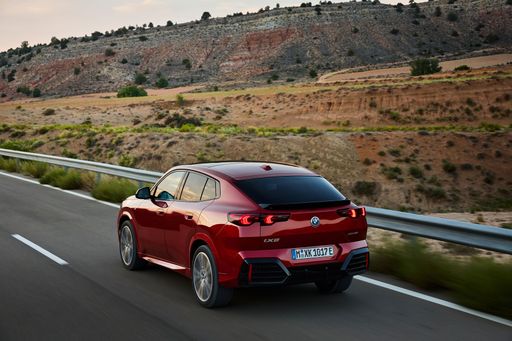
The BMW iX2 cuts a sporty silhouette and delivers the buttoned-up premium feel you expect from the brand, wrapped in a compact electric package that’s easy to live with. It’s a smart pick for buyers who want engaging city driving, clever cabin tech and a touch of eco-conscious flair without giving up the fun behind the wheel.

details

BYD Sealion 7

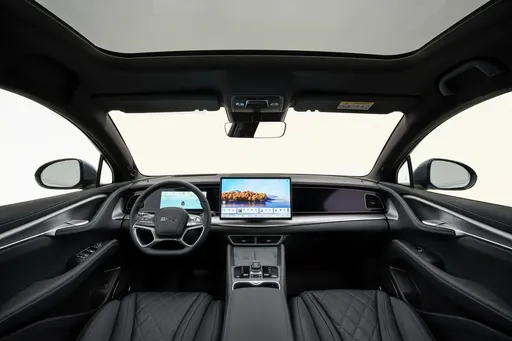
The BYD Sealion 7 is a sleek electric wagon that blends sporty styling with surprising practicality, making it a compelling choice for drivers who want something different from the usual hatchback or SUV. Its refined interior and composed road manners give it an upscale feel, while clever packaging keeps it versatile for daily use.

details
BMW iX2
BYD Sealion 7

Costs and Consumption

Price
43,700 - 55,600 £
Price
42,800 - 52,300 £
Consumption L/100km
-
Consumption L/100km
-
Consumption kWh/100km
14.4 - 15.4 kWh/100km
Consumption kWh/100km
19.9 - 21.9 kWh/100km
Electric Range
476 - 512 km
Electric Range
456 - 502 km
Battery Capacity
-
Battery Capacity
-
co2
0 g/km
co2
0 g/km
Fuel tank capacity
-
Fuel tank capacity
-

Dimensions and Body

Body Type
SUV
Body Type
SUV
Seats
5
Seats
5
Doors
-
Doors
-
Curb weight
1,960 - 2,095 kg
Curb weight
2,225 - 2,435 kg
Trunk capacity
525 L
Trunk capacity
520 L
Length
-
Length
-
Width
1,845 mm
Width
1,925 mm
Height
-
Height
-
Max trunk capacity
-
Max trunk capacity
-
Payload
500 - 510 kg
Payload
410 kg

Engine and Performance

Engine Type
Electric
Engine Type
Electric
Transmission
Automatic
Transmission
Automatic
Transmission Detail
Reduction Gearbox
Transmission Detail
Reduction Gearbox
Drive Type
Front-Wheel Drive, All-Wheel Drive
Drive Type
Rear-Wheel Drive, All-Wheel Drive
Power HP
204 - 313 HP
Power HP
313 - 530 HP
Acceleration 0-100km/h
5.6 - 8.6 s
Acceleration 0-100km/h
4.5 - 6.7 s
Max Speed
-
Max Speed
-
Torque
250 - 494 Nm
Torque
380 - 690 Nm
Number of Cylinders
-
Number of Cylinders
-
Power kW
150 - 230 kW
Power kW
230 - 390 kW
Engine capacity
-
Engine capacity
-

General

Model Year
2026
Model Year
2024
CO2 Efficiency Class
A
CO2 Efficiency Class
A
Brand
BMW
Brand
BYD
DriveDuel uses data analysis and artificial intelligence to evaluate vehicle data and create content. Content is regularly reviewed and improved. The displayed prices are estimates based on German list prices, adjusted to the respective country’s VAT. Country-specific registration taxes are not included. This information is not legally binding.