VS

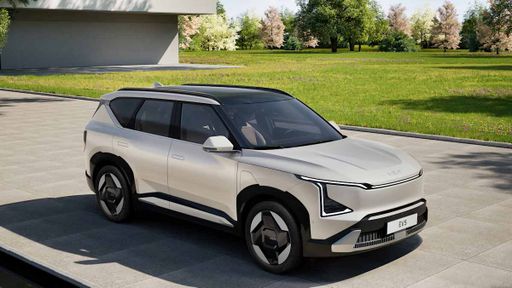
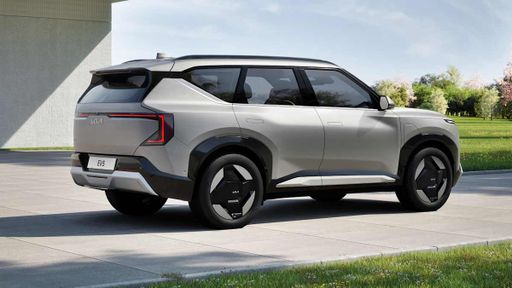
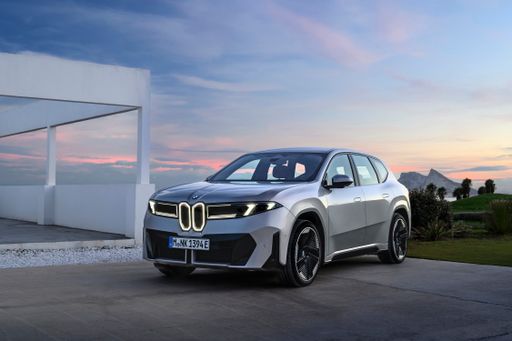
BMW iX3 vs Kia EV5 comparison

Compare performance (469 HP vs 306 HP), boot space and price (54,300 £ vs 39,400 £ ) at a glance. Find out which car is the better choice for you – BMW iX3 or Kia EV5?

BMW iX3 vs Kia EV5: Key differences

BMW iX3

4.6 (4 Reviews)
rate
  • markedly more power
  • slightly more efficient
  • visibly more electric range
  • visibly quicker 0–100 km/h
details

Kia EV5

4.7 (1 Reviews)
rate
  • clearly cheaper
  • moderately lighter
details

All details on performance, efficiency, range and trunk space can be found in the technical comparison below – including user reviews for both models.

By Achim Sedelmaier

iX3

BMW iX3 VS Kia EV5 — a concise matchup

BMW iX3 VS Kia EV5 sets two very different electric SUVs against each other: the iX3 leans toward premium tech, efficiency and a more athletic character, while the EV5 trades headline performance for roomy practicality and user-friendly comfort. The iX3 presents itself as a long-distance specialist with advanced highway assistance and a cockpit that feels like a next‑generation BMW, at the expense of a steeper price and a touch‑sensitive control philosophy. The EV5 answers with generous rear space, simple controls and clever everyday features that families will appreciate. This comparison focuses on how those differences play out in daily life — driving feel, cabin usability, luggage work, city handling and long‑distance behavior. Read on to understand which car better fits your real needs before the spec sheet test follows.
EV5

Character and driving feel

The BMW iX3 drives with a firmer, more composed personality — precise steering, stronger mid‑range shove and a tauter response that rewards an engaged driver — while the Kia EV5 is calibrated to glide, absorb and reassure rather than excite. In real use, the iX3’s sharper reflexes make it feel smaller and more confidence‑inspiring on fast roads, whereas the EV5’s softer setup soaks up bumps and encourages relaxed cruising. If you want outright pep and a sense of composure when you press on, the iX3 will feel more satisfying; if you prefer predictable, cushioned progress with easy manners, the EV5 will be quieter to live with day‑to‑day. Neither is harshly compromised — they simply pursue opposite priorities.

iX3

Comfort and cabin experience

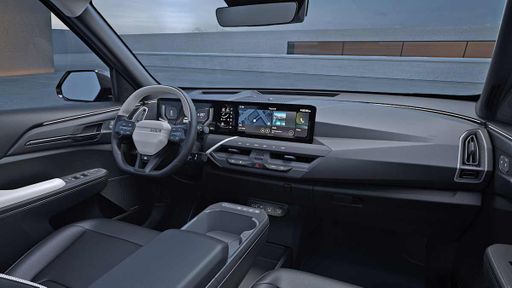
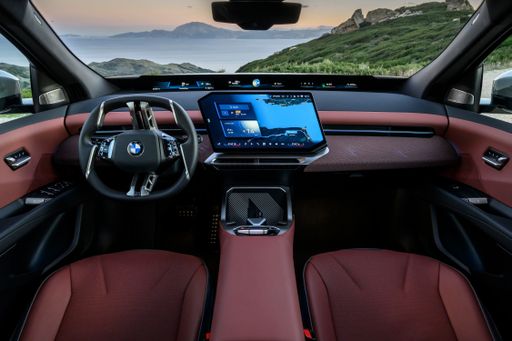
Inside, the BMW iX3 aims for a modern, slightly clinical premium feel with a widescreen panoramic display and fewer physical controls, which looks high‑end but requires an adjustment period and gives tactile traditionalists pause. The Kia EV5 opts for clarity and practicality: straightforward layouts, well‑placed grab points and an interior that reads more utilitarian than luxurious but is easier to operate without digging through menus. Rear passengers will be happy in both cars, but the EV5 emphasizes usable space and an almost flat load‑through when needed, while the iX3 delivers a quieter cocoon and a more purposeful seating position. Material finishes tilt toward perceived luxury in the BMW and toward durability and value in the Kia, so your preference for touchable quality versus pragmatic ergonomics will decide which cabin feels more appealing.

EV5

Practicality and everyday usability

For hauling people and stuff, the Kia EV5 is the clear practical choice: highly configurable rear space, fold‑flat convenience and user‑friendly touches such as V2L functionality make it the better family workhorse. The BMW iX3 still offers a capacious trunk and clever storage like a frunk, but its load space is less forgiving in detail — seat release locations and a not‑entirely‑flat floor can make large or awkward items trickier. Where the iX3 scores is in towing ability and certain trip‑oriented conveniences that suit caravans or trailer use; where the EV5 scores is everyday versatility and simpler workflows for loading kids, bikes and weekend gear. In short, pick the EV5 if you prioritise cargo flexibility and fuss‑free family duties, pick the iX3 if occasional towing or tidy long‑haul practicality matters more.

iX3

City friendliness and long‑distance behavior

The BMW iX3 is best when the miles add up: it’s quieter at speed, more efficient in motorway cruising and equipped with advanced hands‑off aids that reduce fatigue on long runs, meaning fewer or shorter charge interruptions. The Kia EV5 is at its best in urban and suburban life — light steering, easy parking and a calm ride make daily commuting pleasant — but its charging architecture leads to more frequent stops on long corridors. In the city, the EV5’s straightforward controls and generous visibility upfront create less friction for everyday use, while the iX3’s width and touch‑centric interface require a little more attention but reward on extended trips. So the route you mostly drive should strongly influence which car feels like the smarter pick.

EV5

Buyer fit and trade‑offs that matter

If your life is dominated by long motorway runs, occasional towing and a desire for cutting‑edge charging and driver assistance, the BMW iX3 lines up better with those needs and the premium trade‑offs that come with it. If you put a premium on interior space, family‑friendly practicality, easy operation and lower upfront cost, the Kia EV5 will likely check more boxes in everyday reality. Both cars have clear strengths and inevitable compromises: the iX3 prioritises efficiency, speed and tech, the EV5 prioritises usability, comfort and value. Use this editorial snapshot to match priorities — the technical comparison that follows will translate these differences into the hard numbers behind those real‑world consequences.

Here’s where it gets real: The technical differences in detail

iX3

Costs and Efficiency:

Price and efficiency are often the first things buyers look at. Here it becomes clear which model has the long-term edge – whether at the pump, the plug, or in purchase price.

Kia EV5 is clearly cheaper – starting at 39,400 £ , while the BMW iX3 costs 54,300 £ . That’s a price difference of around 14,922 £.

In terms of energy consumption, the BMW iX3 is slightly more efficient: consuming 14.6 kWh/100km compared to 16.9 kWh/100km for the Kia EV5. That’s a difference of about 2.3 kWh/100km.

As for electric range, the BMW iX3 offers visibly more range – reaching up to 805 km, about 275 km more than the Kia EV5.

EV5

Engine and Performance:

Power, torque and acceleration say a lot about how a car feels on the road. This is where you see which model delivers more driving dynamics.

When it comes to engine power, the BMW iX3 offers markedly more power – delivering 469 HP compared to 306 HP. That’s roughly 163 HP more horsepower.

When accelerating from 0 to 100 km/h, the BMW iX3 is visibly quicker – completing the sprint in 4.9 s, while the Kia EV5 takes 6.2 s. That’s about 1.3 s quicker.

There’s also a difference in torque: the BMW iX3 delivers clearly more torque with 645 Nm compared to 480 Nm. That’s about 165 Nm more.

iX3

Space and Everyday Use:

Beyond pure performance, interior space and usability matter most in daily life. This is where you see which car is more practical and versatile.

Both vehicles offer seating for 5 people.

In terms of curb weight, Kia EV5 is moderately lighter – 2,069 kg compared to 2,360 kg. The difference is around 291 kg.

When it comes to payload, the Kia EV5 carries very slightly more – 511 kg compared to 465 kg. That’s a difference of about 46 kg.

Who wins the race in the data check?

The BMW iX3 holds a decisive overall lead in the objective data comparison.
This result only shows which model scores more points on paper – not which of the two cars feels right for you.

from £54,300
iX3

BMW iX3

  • Engine Type : Electric
  • Transmission : Automatic
  • Drive Type : All-Wheel Drive, Rear-Wheel Drive
  • Power HP : 320 - 469 HP
  • Consumption kWh/100km : 14.6 - 15.1 kWh/100km
  • Electric Range : 635 - 805 km
BMW iX3
Kia EV5

Costs and Consumption

View detailed analysis

Engine and Performance

View detailed analysis

Dimensions and Body

View detailed analysis

BMW iX3

The BMW iX3 is an electric SUV that delivers the composed, premium driving experience BMW buyers expect. With a calm, refined cabin and practical everyday usability, it’s a strong choice for those who want electric motoring without giving up luxury and comfort.

details

Kia EV5

Kia's EV5 is an exciting entry into the electric SUV market, showcasing the brand's commitment to sustainable mobility. With its modern design and advanced technology features, the EV5 promises to deliver a smooth and environmentally friendly driving experience. The interior offers a spacious and comfortable ride, making it an appealing choice for families and eco-conscious drivers alike.

details
BMW iX3
Kia EV5

Costs and Consumption

Price
54,300 - 66,300 £
Price
39,400 - 51,400 £
Consumption L/100km
-
Consumption L/100km
-
Consumption kWh/100km
14.6 - 15.1 kWh/100km
Consumption kWh/100km
16.9 - 18.6 kWh/100km
Electric Range
635 - 805 km
Electric Range
476 - 530 km
Battery Capacity
-
Battery Capacity
-
co2
0 g/km
co2
0 g/km
Fuel tank capacity
-
Fuel tank capacity
-

Dimensions and Body

Body Type
SUV
Body Type
SUV
Seats
5
Seats
5
Doors
-
Doors
-
Curb weight
2,360 kg
Curb weight
2,069 - 2,205 kg
Trunk capacity
-
Trunk capacity
-
Length
-
Length
-
Width
1,895 mm
Width
1,875 mm
Height
-
Height
-
Max trunk capacity
-
Max trunk capacity
-
Payload
465 kg
Payload
465 - 511 kg

Engine and Performance

Engine Type
Electric
Engine Type
Electric
Transmission
Automatic
Transmission
Automatic
Transmission Detail
Reduction Gearbox
Transmission Detail
Reduction Gearbox
Drive Type
All-Wheel Drive, Rear-Wheel Drive
Drive Type
Front-Wheel Drive, All-Wheel Drive
Power HP
320 - 469 HP
Power HP
218 - 306 HP
Acceleration 0-100km/h
4.9 - 5.9 s
Acceleration 0-100km/h
6.2 - 8.4 s
Max Speed
-
Max Speed
-
Torque
500 - 645 Nm
Torque
295 - 480 Nm
Number of Cylinders
-
Number of Cylinders
-
Power kW
235 - 345 kW
Power kW
160 - 225 kW
Engine capacity
-
Engine capacity
-

General

Model Year
2026
Model Year
2,025 - 2,026
CO2 Efficiency Class
A
CO2 Efficiency Class
A
Brand
BMW
Brand
Kia
DriveDuel uses data analysis and artificial intelligence to evaluate vehicle data and create content. Content is regularly reviewed and improved. The displayed prices are estimates based on German list prices, adjusted to the respective country’s VAT. Country-specific registration taxes are not included. This information is not legally binding.