VS

BYD Sealion 7 vs BYD Seal comparison

Compare performance (530 HP vs 530 HP), boot space and price (42,800 £ vs 41,100 £ ) at a glance. Find out which car is the better choice for you – BYD Sealion 7 or BYD Seal?

BYD Sealion 7 vs BYD Seal: Key differences

BYD Sealion 7

5 (2 Reviews)
rate
details

BYD Seal

4.9 (1 Reviews)
rate
  • only slightly cheaper
  • visibly more efficient
  • somewhat more electric range
  • a bit quicker 0–100 km/h
  • moderately lighter
details

All details on performance, efficiency, range and trunk space can be found in the technical comparison below – including user reviews for both models.

By Achim Sedelmaier

Sealion 7

Unveiling the Powerhouses: BYD Seal vs. BYD Sealion 7

As the automotive world gravitates towards electric vehicles, BYD stands out with its dynamic duo, the BYD Seal and the BYD Sealion 7. Both models are a testament to advanced engineering, yet they cater to differing consumer preferences. This article dives deep into the technical specifications and innovations of these two electric powerhouses, guiding potential buyers in their quest for the perfect electric vehicle.
Seal

Design and Dimensions

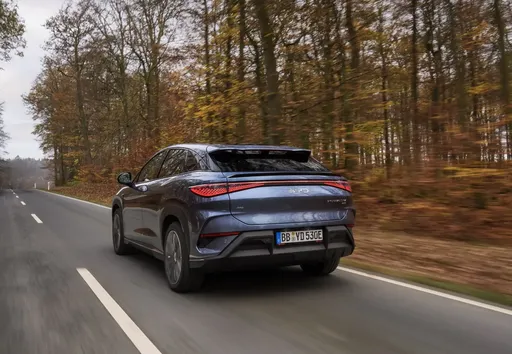
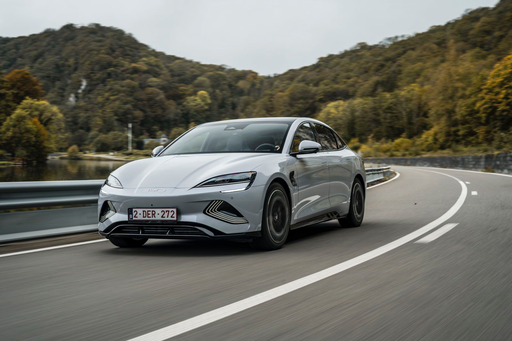
The BYD Seal, a sleek sedan, showcases an elegant profile with dimensions measuring 4800 mm in length, 1875 mm in width, and 1460 mm in height. It's crafted for those who prefer a lower, sportier stance.

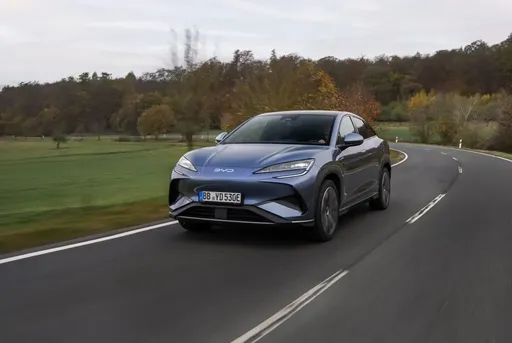
On the other hand, the BYD Sealion 7 entices SUV enthusiasts with its robust presence. Stretching slightly longer at 4830 mm, it also boasts a wider and taller frame, with dimensions of 1925 mm and 1620 mm, respectively. The Sealion 7's design promises an imposing presence on the road.

Sealion 7

Performance and Power

Under the hood, both models utilize electric engines paired with automatic transmissions, offering the choice between rear-wheel and all-wheel-drive systems. The Seal is distinguishable by its nimble 0-100 km/h acceleration ranging from 3.8 to 5.9 seconds, powered by outputs of 313 HP to 530 HP and torque ranging from 360 Nm to 670 Nm. Its commendable speed is capped at 180 km/h.

The Sealion 7, though a proud SUV, doesn't lag far behind. It achieves 0-100 km/h in 4.5 to 6.7 seconds with similar power outputs, thanks to its robust torque ranging from 380 Nm to 690 Nm and a top speed of 215 km/h. Both vehicles carry emissions-free credentials, with a CO2 output firmly at zero.

Seal

Efficiency and Range

Efficiency is at the forefront, with the Seal consuming between 16.6 and 18.2 kWh/100 km, offering an electric range between 520 and 570 km. It positions itself as a front-runner for long highway drives.

The Sealion 7, known for its prowess in diverse terrains, consumes slightly more energy, ranging from 19.9 to 21.9 kWh/100 km. However, its range remains impressive for an SUV, spanning 456 to 502 km depending on the driving conditions and configurations.

Sealion 7

Practicality and Comfort

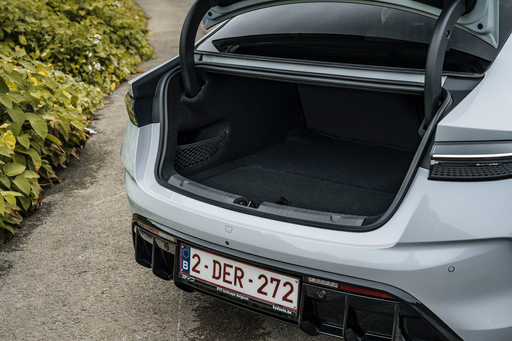
Designed to seat five, both models cater to families and individuals alike. The Seal offers a trunk capacity of 400 L, reflecting its sedan style. In contrast, the Sealion 7 provides a more generous cargo space of 520 L, ideal for adventures requiring more gear.

In terms of curb weight, the Seal varies between 2055 kg and 2185 kg, while the Sealion 7 is significantly heavier, ranging from 2225 kg to 2435 kg, reflecting its SUV structure.

Seal

Conclusion: Which One for You?

The choice between the BYD Seal and the BYD Sealion 7 ultimately depends on your lifestyle preferences. If a sporty, efficient sedan is your calling, the Seal stands as an impeccable choice. Meanwhile, those seeking dominance on and off the road, combined with ample space, will find the Sealion 7 an irresistible option.

Both vehicles emphasize BYD's commitment to innovation, sustainability, and client satisfaction, making either a top contender in the electric vehicle marketplace.

Here’s where it gets real: The technical differences in detail

Sealion 7

Costs and Efficiency:

Looking at overall running costs, both models reveal some interesting differences in everyday economy.

BYD Seal is only slightly cheaper – starting at 41,100 £ , while the BYD Sealion 7 costs 42,800 £ . That’s a price difference of around 1,714 £.

In terms of energy consumption, the BYD Seal is visibly more efficient: consuming 15.4 kWh/100km compared to 19.9 kWh/100km for the BYD Sealion 7. That’s a difference of about 4.5 kWh/100km.

As for electric range, the BYD Seal offers somewhat more range – reaching up to 570 km, about 68 km more than the BYD Sealion 7.

Seal

Engine and Performance:

Power, torque and acceleration are the classic benchmarks for car enthusiasts – and here, some clear differences start to show.

Both models deliver identical power – 530 HP each.

When accelerating from 0 to 100 km/h, the BYD Seal is a bit quicker – completing the sprint in 3.8 s, while the BYD Sealion 7 takes 4.5 s. That’s about 0.7 s quicker.

There’s also a difference in torque: the BYD Sealion 7 delivers only slightly more torque with 690 Nm compared to 670 Nm. That’s about 20 Nm more.

Sealion 7

Space and Everyday Use:

Cabin size, boot volume and payload all play a role in everyday practicality. Here, comfort and flexibility make the difference.

Both vehicles offer seating for 5 people.

In terms of curb weight, BYD Seal is moderately lighter – 1,907 kg compared to 2,225 kg. The difference is around 318 kg.

When it comes to payload, the BYD Seal carries slightly more – 473 kg compared to 410 kg. That’s a difference of about 63 kg.

Who wins the race in the data check?

The BYD Seal is decisively ahead in the objective data comparison.
This result only shows which model scores more points on paper – not which of the two cars feels right for you.

from £41,100
Seal

BYD Seal

  • Engine Type : Electric
  • Transmission : Automatic
  • Drive Type : Rear-Wheel Drive, All-Wheel Drive
  • Power HP : 231 - 530 HP
  • Consumption kWh/100km : 15.4 - 18.2 kWh/100km
  • Electric Range : 460 - 570 km
BYD Sealion 7
BYD Seal

Costs and Consumption

View detailed analysis

Engine and Performance

View detailed analysis

Dimensions and Body

View detailed analysis

BYD Sealion 7

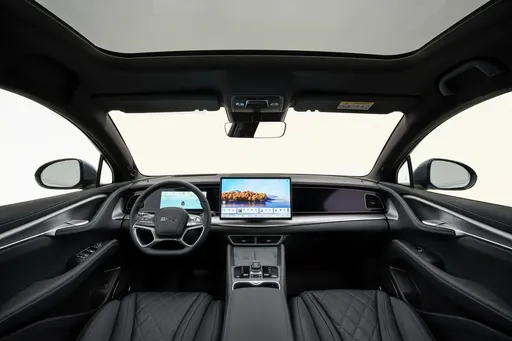
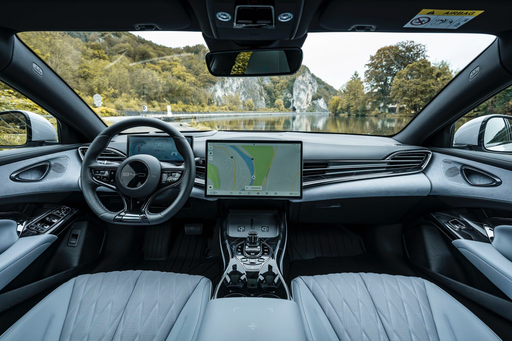
The Sealion 7 captivates with its striking design and impressive performance that appeals to both enthusiasts and casual drivers alike. With a focus on comfort and advanced technology, this model redefines the driving experience, making every journey enjoyable. Its sleek silhouette coupled with an innovative interior showcases the perfect blend of style and functionality.

details

BYD Seal

The BYD Seal is a sleek electric fastback that punches above its class with sporty looks and a surprisingly premium cabin, offering a very modern alternative for buyers who want style and substance without the badge snobbery. On the road it feels composed and eager, packed with tech and everyday practicality—ideal for shoppers after eco-friendly performance with a cheeky wink.

details
BYD Sealion 7
BYD Seal

Costs and Consumption

Price
42,800 - 52,300 £
Price
41,100 - 46,300 £
Consumption L/100km
-
Consumption L/100km
-
Consumption kWh/100km
19.9 - 21.9 kWh/100km
Consumption kWh/100km
15.4 - 18.2 kWh/100km
Electric Range
456 - 502 km
Electric Range
460 - 570 km
Battery Capacity
-
Battery Capacity
-
co2
0 g/km
co2
0 g/km
Fuel tank capacity
-
Fuel tank capacity
-

Dimensions and Body

Body Type
SUV
Body Type
Sedan
Seats
5
Seats
5
Doors
-
Doors
-
Curb weight
2,225 - 2,435 kg
Curb weight
1,907 - 2,185 kg
Trunk capacity
520 L
Trunk capacity
-
Length
-
Length
-
Width
1,925 mm
Width
1,875 mm
Height
-
Height
-
Max trunk capacity
-
Max trunk capacity
-
Payload
410 kg
Payload
446 - 473 kg

Engine and Performance

Engine Type
Electric
Engine Type
Electric
Transmission
Automatic
Transmission
Automatic
Transmission Detail
Reduction Gearbox
Transmission Detail
Reduction Gearbox
Drive Type
Rear-Wheel Drive, All-Wheel Drive
Drive Type
Rear-Wheel Drive, All-Wheel Drive
Power HP
313 - 530 HP
Power HP
231 - 530 HP
Acceleration 0-100km/h
4.5 - 6.7 s
Acceleration 0-100km/h
3.8 - 7.5 s
Max Speed
-
Max Speed
-
Torque
380 - 690 Nm
Torque
360 - 670 Nm
Number of Cylinders
-
Number of Cylinders
-
Power kW
230 - 390 kW
Power kW
170 - 390 kW
Engine capacity
-
Engine capacity
-

General

Model Year
2024
Model Year
2026
CO2 Efficiency Class
A
CO2 Efficiency Class
A
Brand
BYD
Brand
BYD
DriveDuel uses data analysis and artificial intelligence to evaluate vehicle data and create content. Content is regularly reviewed and improved. The displayed prices are estimates based on German list prices, adjusted to the respective country’s VAT. Country-specific registration taxes are not included. This information is not legally binding.